10 Signs Your Traction Control System Might Need Attention
Your vehicle’s traction control system (TCS) quietly ensures your safety and stability on tricky roads. However, even this silent protector can stumble, putting your safety at risk. Catching the warning signs early can prevent accidents and save you from costly repairs down the road. Here’s what to keep an eye on.
Traction Control Warning Light Won’t Turn Off
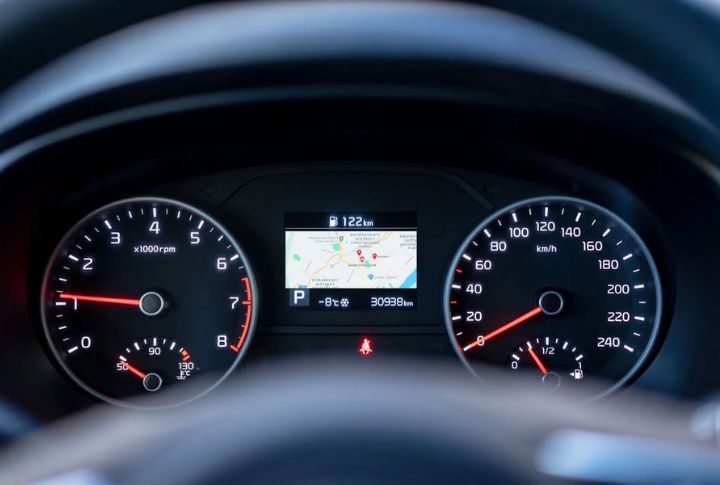
A constantly lit TCS light on your dashboard is a common red flag. It could indicate anything from damaged wiring to a faulty sensor or a failing module. Ignoring it may lead to reduced grip in hazardous conditions. The safest way to find and fix the issue is to have a professional conduct a diagnostic check.
Intermittent Flickering of the TCS Light

Does the TCS light flicker on and off randomly while you drive? This could be due to a glitch in the system or an aging wheel speed sensor. While the system may still function, this inconsistency signals a need for attention before the problem grows worse.
Slipping or Sliding on Wet Roads

If your car struggles to maintain traction during rain or snow despite TCS being active, the system might not be engaging as it should. Software bugs, sensor issues, or calibration errors can all cause this. Reliable traction is critical in bad weather, so this is an issue you’ll want to address promptly.
Sudden Power Loss While Accelerating

A drop in power when pressing the gas could mean the TCS is misfiring. Sometimes, it mistakenly detects wheel slippage and reduces engine output. This issue can lead to frustratingly sluggish drives and needs adjustment or repair to restore smooth acceleration.
Weird Braking Behaviors
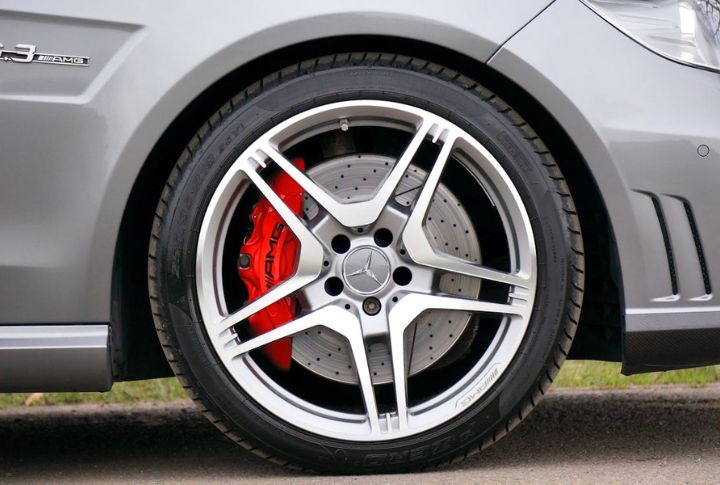
Soft brakes or a car that pulls to one side during braking could mean trouble with both TCS and ABS. These systems work in tandem, so hydraulic issues or low brake fluid can throw off their balance. Prompt repairs can restore both traction and braking performance.
Strange Noises When Turning

Hearing grinding or clicking sounds during turns, especially on slippery terrain, often points to TCS component wear. Failing actuators or other mechanical issues might be at play. These noises usually indicate deeper problems and shouldn’t be ignored—catching them early prevents costly repairs.
TCS Fails to Engage or Disengage

If the traction control system doesn’t respond when you try to activate or deactivate it, the switch could be stuck, or an electrical fault might be to blame. This limits your ability to adapt to different driving conditions and calls for immediate attention.
Sluggish Performance During Normal Driving

The delayed or sluggish response while driving could mean the TCS is overcompensating. Misinterpreting road conditions or faulty sensors might cause unnecessary corrections, reducing vehicle performance. Sometimes, recalibrating or replacing the sensor is all that’s required to restore smooth operation.
ABS Warning Light Illuminated
Since TCS and ABS share critical components like sensors and modules, an ABS light on your dashboard often indicates issues with both systems. Problems like low brake fluid or a failing ABS module can compromise both traction and braking, demanding urgent repairs.
Steering Feels Unstable in Turns

When steering feels unstable or imprecise during turns, the issue could lie with the steering angle sensor. This component plays an important role in the traction control system, and a malfunction disrupts its ability to adjust traction properly. On slippery or wet roads, this can lead to serious safety concerns.