10 Reasons Why Idling Your Car While De-Icing Isn’t A Good Idea

Leaving your car running while de-icing may seem convenient, but it can lead to several unwanted consequences. Though it might save time at the moment, the long-term effects can be damaging. Here are ten reasons why it’s better to turn off your engine and find smarter ways to handle the de-icing process.
Lost Fuel Increases Costs
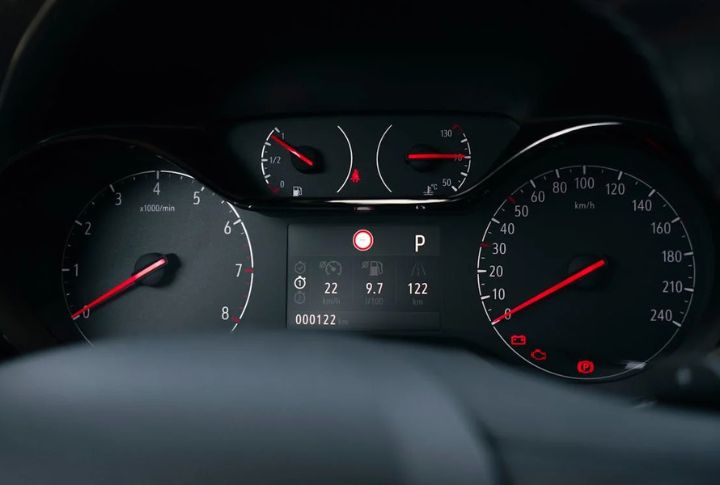
Unnecessary fuel burns when idling, which wastes money. A car left idling for just five minutes daily can waste gallons of fuel over a month. To avoid this, turn off the engine and use efficient de-icing tools to save both time and fuel.
Environmental Pollution Harms Air Quality
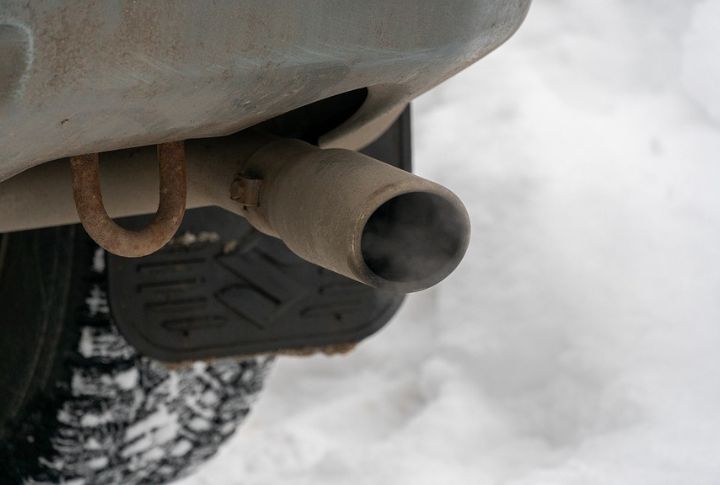
These vehicles emit harmful gases, worsening air pollution and smog. For instance, nitrogen oxides and carbon monoxide levels spike during winter idling. The pollutants harm respiratory health and contribute to climate change.
Increased Risk of Car Theft
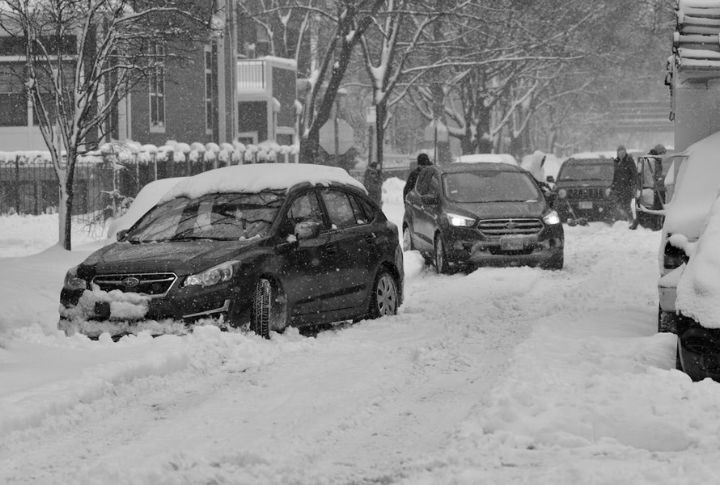
An unattended and running car is a beacon for thieves. Each winter, reports show a spike in car thefts during cold months because owners leave engines running. Lock your doors and stay present to prevent your vehicle from being an easy target.
Penalties in Certain Areas
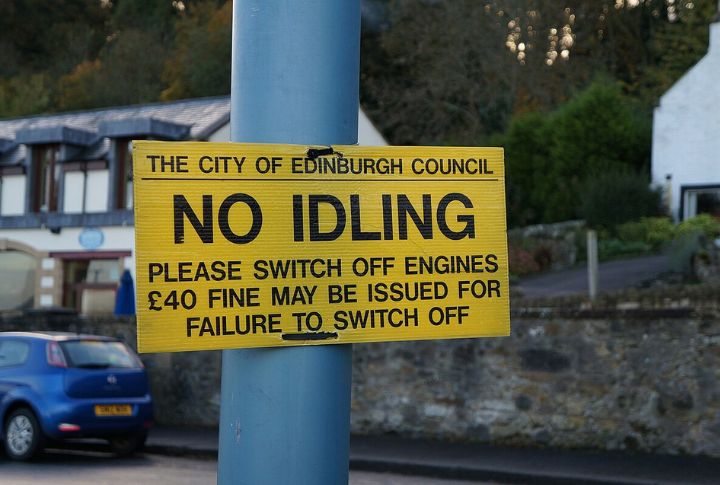
Some states and cities impose fines for idling to reduce emissions and fuel waste. New York, for example, prohibits idling for more than three minutes. Check local regulations for compliance and avoid hefty penalties for an avoidable action.
Engine Damage from Prolonged Idling
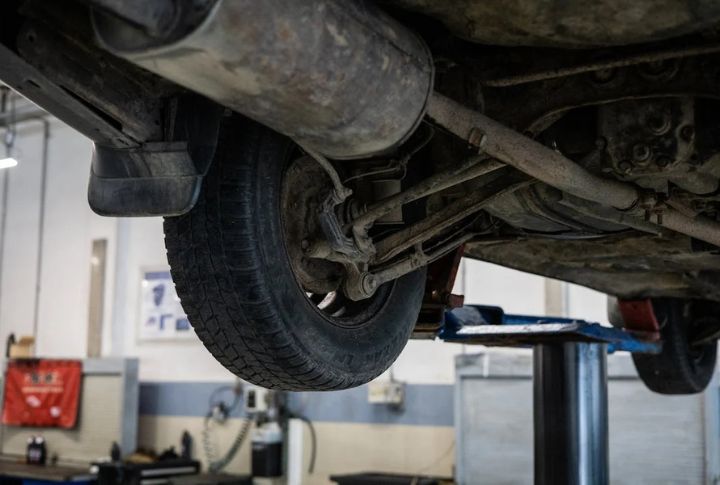
Engines are not optimized for prolonged idling, which can degrade key components. Over time, residue builds up, causing inefficiencies and increasing wear. Regular idling also damages spark plugs faster and adds to maintenance costs.
Inefficient De-Icing Process
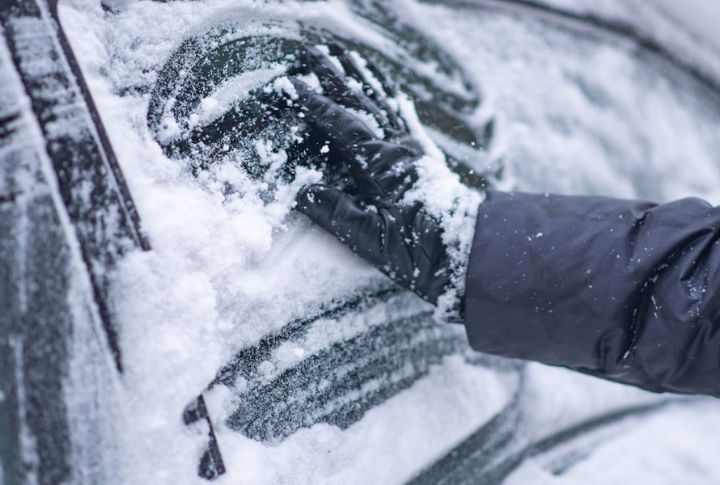
Idling does little to de-ice your car effectively. Heat takes longer to spread evenly and leaves patches of ice. Manual methods like scrapers or de-icing sprays work more efficiently. Avoid wasting time when quicker solutions exist.
Significant Carbon Footprint Impact
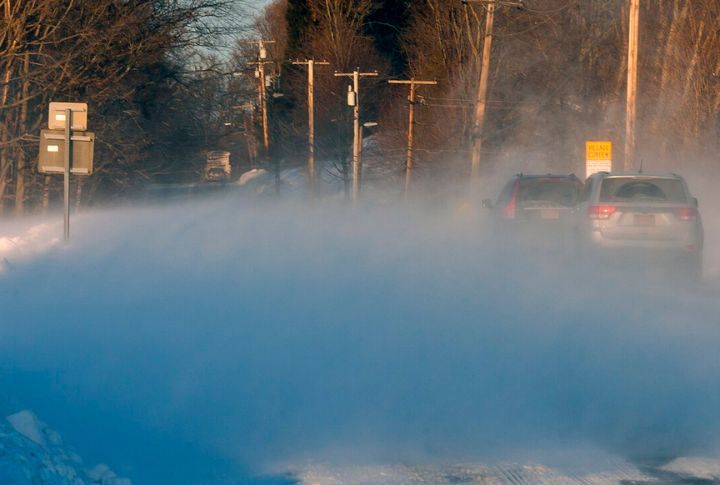
Just idling for 10 minutes releases about 1 pound of carbon dioxide. Multiply this by millions of vehicles during winter, and the impact is staggering. Cutting unnecessary idling helps mitigate environmental damage and supports a healthier planet.
Modern Cars Don’t Require Warming Up
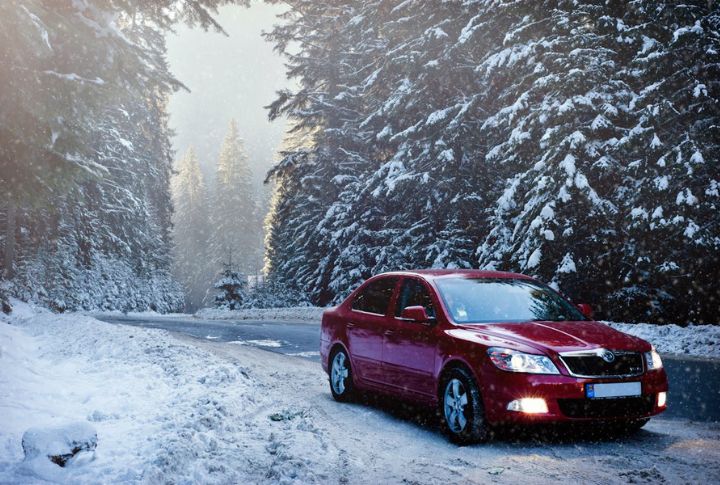
Unlike older models, modern cars are engineered to operate efficiently shortly after starting. Manufacturers advise on light driving instead. Follow their recommendations to reduce fuel waste and maximize engine performance in winter.
Potential Damage to Emissions Systems
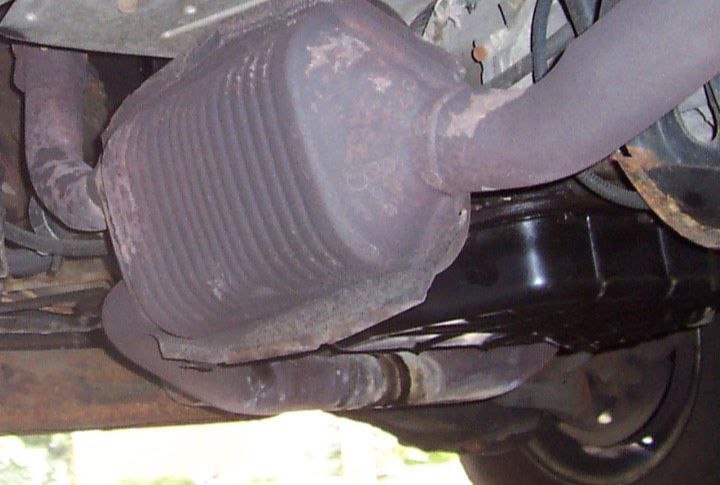
Extended idling can overheat your catalytic converter, a costly component to repair. The damage reduces your car’s ability to control emissions. You can prevent this by turning off your engine and allowing your car to function as intended without added strain.
Missed Opportunity for Better Winter Habits
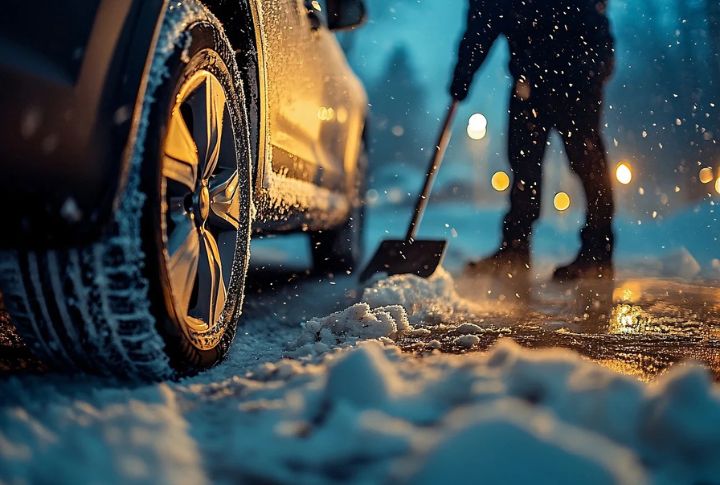
Idling while de-icing reinforces passive habits that neglect vehicle care. Instead, use the time to check tires, clear snow from mirrors, or inspect windshield wipers. Small, proactive actions during winter ensure safer and a better-maintained vehicle.