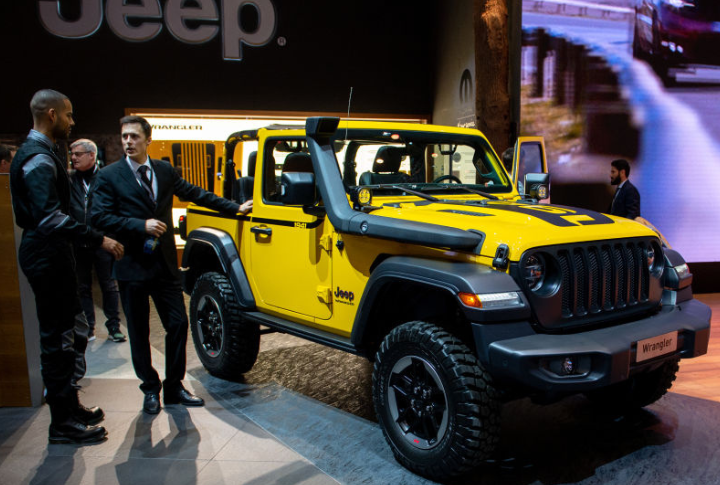
10 Pros and Cons of the Iconic Jeep Wrangler
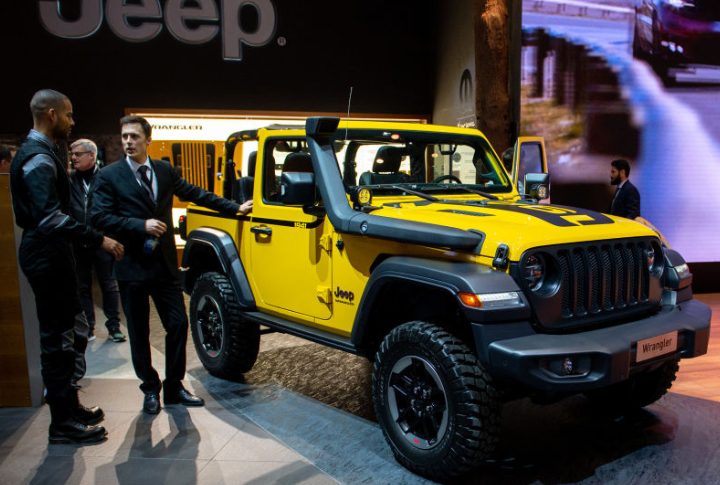
Few vehicles command as much brand recognition and devoted enthusiasm as the Jeep Wrangler. This iconic off-road machine, tracing its roots back to the legendary Willys MB of World War II, has captured the imagination of adventure seekers and outdoor enthusiasts for generations. However, owning a Wrangler is not a decision to be made lightly, as it presents a distinct set of pros and cons that buyers must carefully consider.
Pros: Unmatched Off-Road Capability
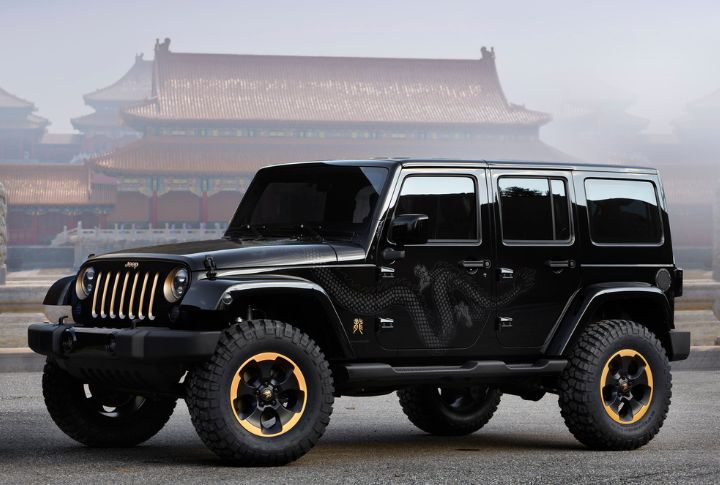
The Jeep Wrangler is legendary for its off-road prowess. Designed with high ground clearance, robust four-wheel drive systems, and solid axles, it tackles challenging terrains effortlessly. Whether traversing rocky trails or forging through muddy paths, the Wrangler ensures you can explore beyond the beaten path.
Pros: Customization Potential
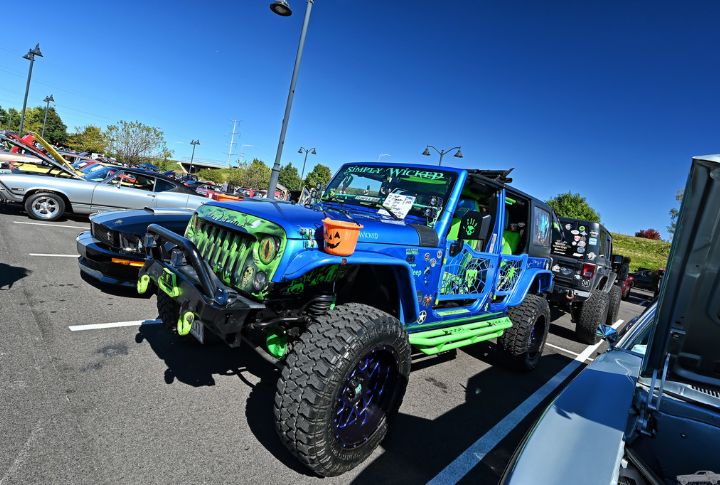
One of the most appealing aspects of owning a Wrangler is the extensive customization options. Enthusiasts can modify their vehicles with aftermarket parts, from lift kits and oversized tires to customized bumpers and winches. This ability to personalize the Jeep makes each Wrangler unique to its owner.
Pros: Iconic Design and Heritage
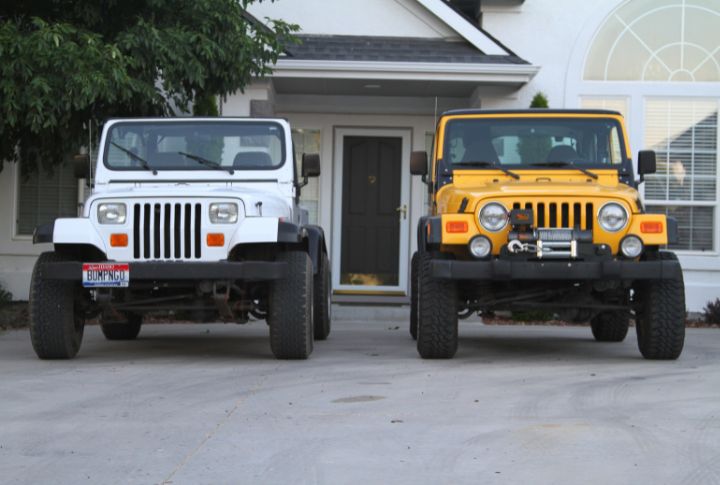
The Jeep Wrangler’s design is instantly noticeable and steeped in history. Its classic boxy shape, round headlights, and seven-slot grille pay homage to its military roots, evoking a sense of nostalgia and pride. The timeless aesthetic, combined with modern updates, keeps the Wrangler perpetually in style.
Pros: Open-Air Experience
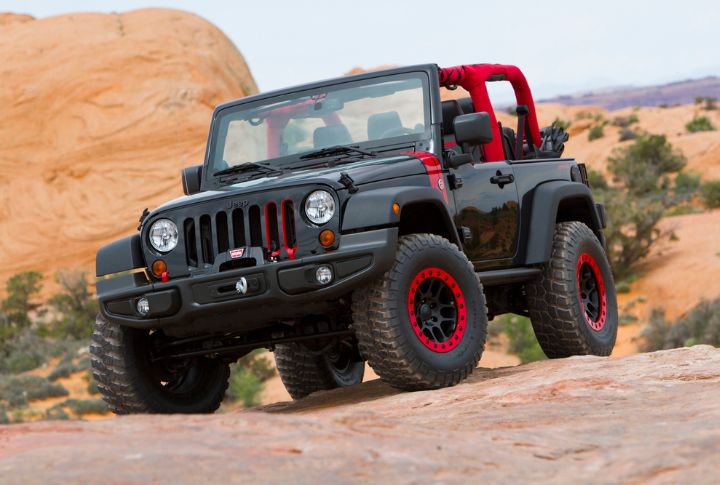
Few vehicles offer the open-air driving experience that the Wrangler provides. With removable doors, a fold-down windshield, and various soft and hard top options, the Wrangler allows drivers to connect with nature in a way that is both exhilarating and immersive.
Pros: Strong Resale Value
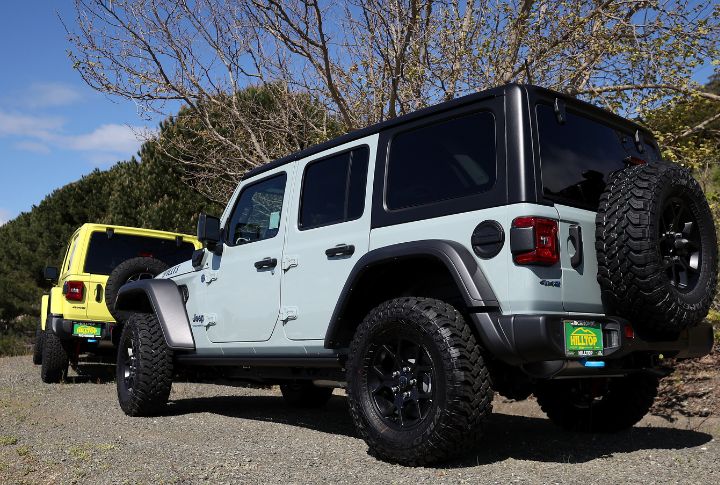
Jeep Wranglers hold their value remarkably well. Thanks to their durability and enduring popularity, used Wranglers command high prices in the resale market. This strong resale value can offset the higher initial purchase cost, making it a sound long-term investment.
Cons: On-Road Handling and Comfort
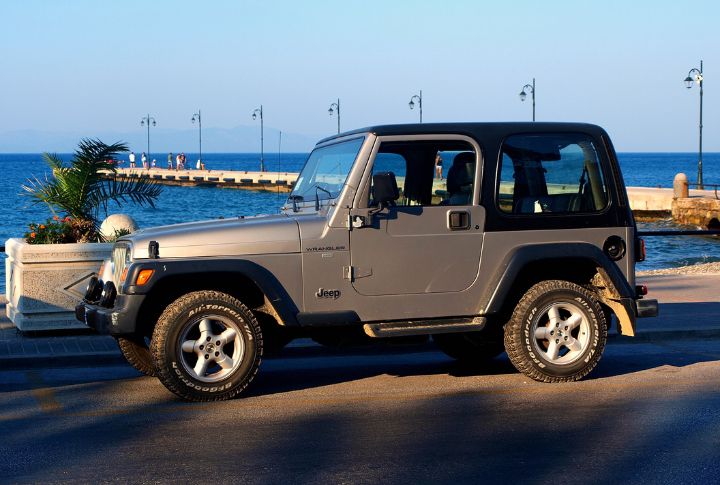
While the Wrangler excels off-road, its on-road performance can be less than ideal. Due to its rugged suspension setup, the ride can feel stiff and bumpy. Moreover, its boxy design increases wind noise and less aerodynamic efficiency, affecting overall highway driving comfort.
Cons: Fuel Economy
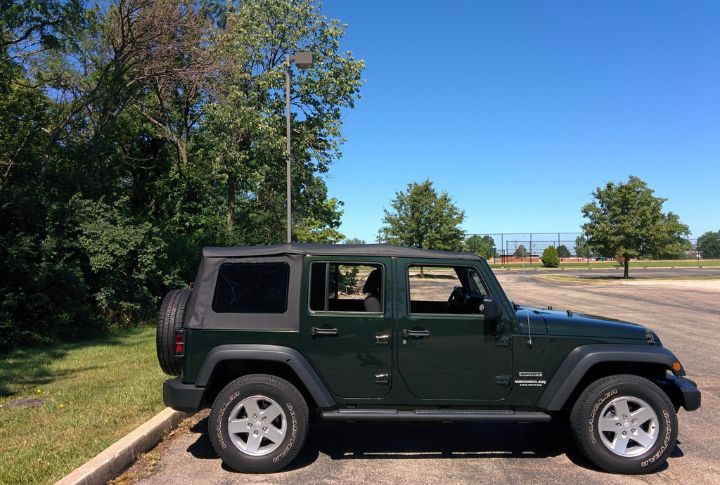
Fuel efficiency is another area where the Wrangler falls short. Its powerful engines and robust construction lead to higher fuel consumption compared to more road-oriented SUVs. Owners should be prepared for frequent visits to the gas station, particularly if they use their Wrangler for daily commuting.
Cons: Limited Cargo Space
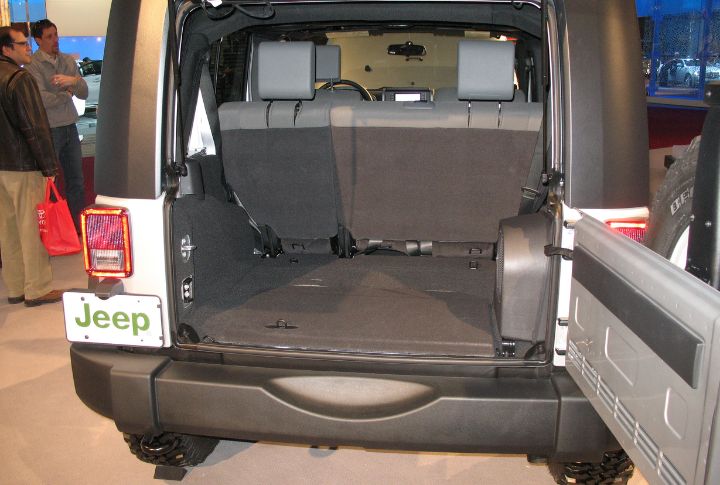
The Wrangler offers limited cargo space despite its spacious passenger interior, especially in the two-door models. While the four-door Unlimited version provides more room, it still lags behind other SUVs in terms of storage capacity. This can be a drawback for those who need ample space for gear or groceries.
Cons: Higher Maintenance Costs
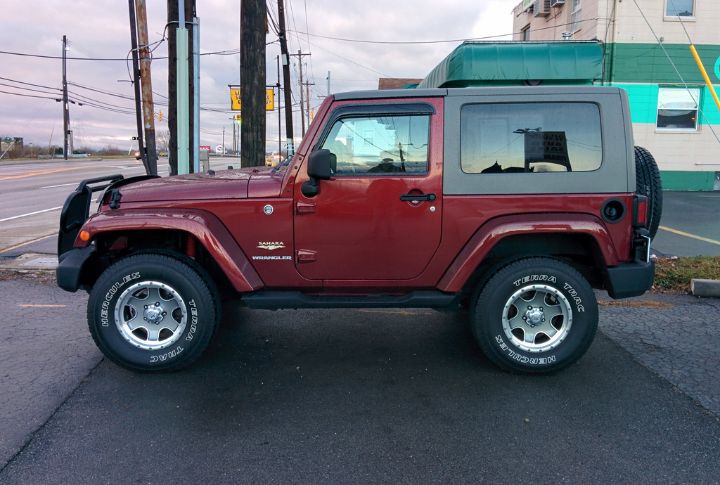
The Jeep Wrangler’s specialized off-road components can result in higher maintenance costs. Frequent off-road use may lead to more wear and tear, necessitating regular repairs and replacements. Additionally, its complex four-wheel-drive system and unique design features can be more costly to service.
Cons: Noise and Vibration
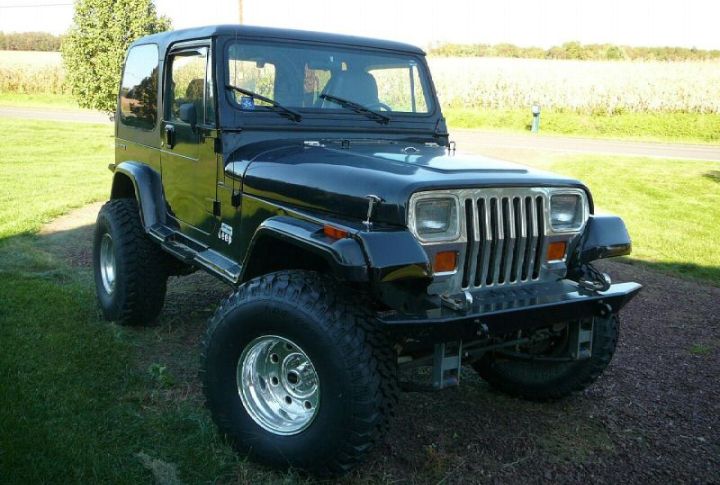
While the Wrangler’s rugged construction is beneficial off-road, it contributes to higher noise and vibration levels inside the cabin. This can be particularly noticeable at highway speeds, where wind and road noise can intrude on the driving experience, potentially reducing comfort for long-distance travel.
Verdict
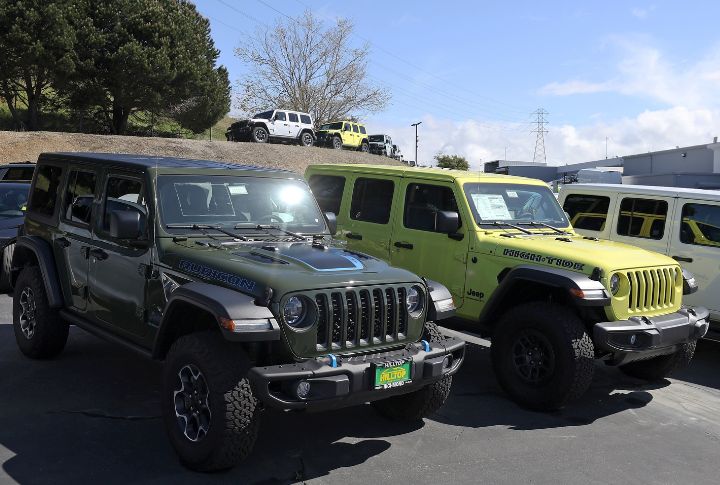
The Jeep Wrangler is undeniably a vehicle for those prioritizing adventure and ruggedness over conventional comfort and efficiency. Its unparalleled off-road capabilities, iconic design, and customization potential make it a dream for enthusiasts. However, potential owners should weigh these benefits against its on-road comfort, fuel economy, and maintenance costs. Ultimately, owning a Jeep Wrangler depends on one’s lifestyle and driving needs, making it a perfect match for some and a challenging choice for others.