10 Places Not to Park if You Want Your Car to Last
Everyone thinks about oil changes, brake pads, and tire rotations, yet most of us park wherever’s convenient. That’s how paint fades prematurely, tires wear unevenly, and suspensions silently rust out. Parking habits don’t make headlines, but they quietly influence how long a car feels solid and looks cared for.
10 parking spots that quietly work against your car’s longevity
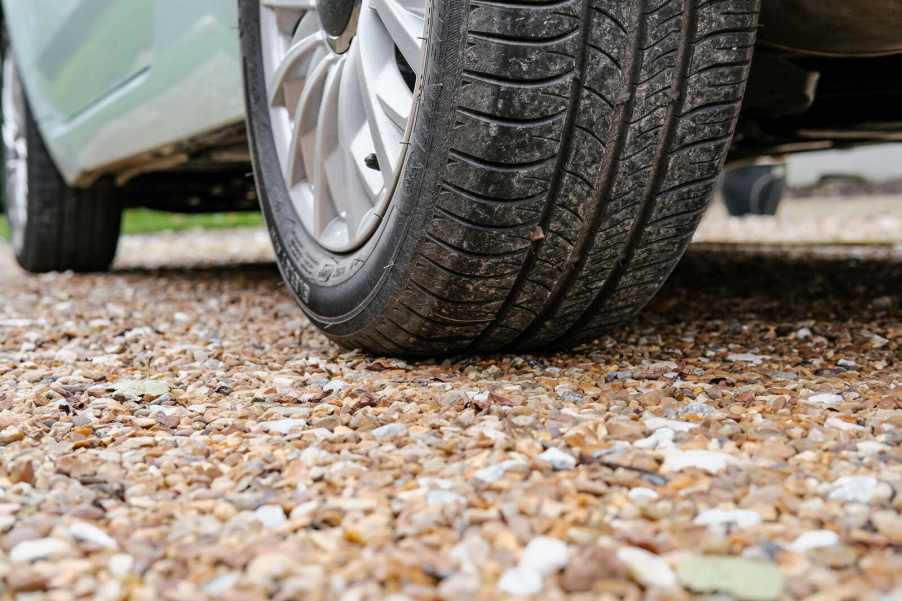
On loose gravel
Gravel sounds harmless, until one day you notice chips along the rocker panels. If you’re in a state that regularly gets wet, too, it’s even worse.
The undercarriage rusts very, very quickly if you keep your car parked on gravel through all four seasons. In dry zones, the damage shows up fastest on vehicles parked near high traffic areas or roads where tires spray stones. The rough surface also creates uneven support, putting long-term stress on suspension bushings and weird spotting wear on your tires.
Beneath sprinklers
Hose water ain’t rain water. Hard water minerals leave stubborn stains on paint and glass. Repeated exposure can eventually etch clear coat, especially in states with high calcium content in municipal water.
Rust risk rises if moisture settles into exposed metal trim or wheel wells. It doesn’t take long…a daily soak is enough to start the process.
Under trees
Branches fall year-round, not just in storms. Tree sap bonds with car paint quickly and often requires aggressive chemicals for removal. It can even cause rust if left alone, Consumer Reports warns.
Bird droppings contain uric acid and can burn into clear coat in warm temperatures. In the fall, damp leaf piles trap moisture around body seams, accelerating corrosion.
Try to stay clear of trees if you can.
Near loading or delivery zones
Loading zones look like free space until something large gets wheeled past your fender. Delivery carts scrape, pallets shift and dent your car, forklifts turn sharply…you get it.
Right next to construction sites
Similar to loading zones, but with some added “pleasantries” that can damage your car. Dust from concrete and drywall contains silica, which scratches if wiped off dry. Nails and screws commonly fall into overflow parking areas.
In flood-prone corners of lots
Low-lying areas near storm drains collect runoff fastest. Cars parked there during heavy rain may end up sitting in water long enough for moisture to enter wheel bearings or reach electrical connectors.
Along high sun exposure walls
Concrete reflects heat strongly. Paint condition studies from insurers in high-UV regions like Arizona and Nevada confirm that long-term exposure accelerates fading and dries out trim materials.
The National Highway Traffic Safety Administration previously reported dashboard warping in cars subjected to sustained interior heat. Even modern UV-resistant coatings degrade faster under reflected light, such as near bright walls.
Next to high traffic retail or drive-thru lanes
Drivers shifting into gear while distracted often swing too wide and clip parked cars. Data shared by several retail loss prevention departments show cars parked beside active drive paths have a higher likelihood of low-speed scraping during peak hours.
Incidents often involve misjudged turning angles. Collision report summaries identify this pattern most commonly in shopping centers and fast-food properties. Car accidents in these areas occur most during weekends and early evenings.
On steep slopes without using the parking brake
Parking on an incline without setting the parking brake first forces the car’s weight onto the transmission’s parking pawl. That small metal lock isn’t designed to hold full vehicle load on its own, and repeated strain increases the risk of hard shifting, wear, or eventual failure.
Proper technique (parking brake first, then Park) keeps stress off the transmission and helps prevent unwanted roll or torque lock.
Next to snow plow paths
During winter, plow trucks throw sharp ice chunks and rocks. Not to mention mistakes plow drivers make, leaving bumpers and fenders scraped, hoods dented, and side mirrors or headlamps busted.
Good parking spots don’t show off. They’re boring, flat, clean, and dry. Pick one consistently and your car will age more gracefully, even if you never talk about it.