10 Outdated Car Tips You Should Ignore for Your Modern Ride
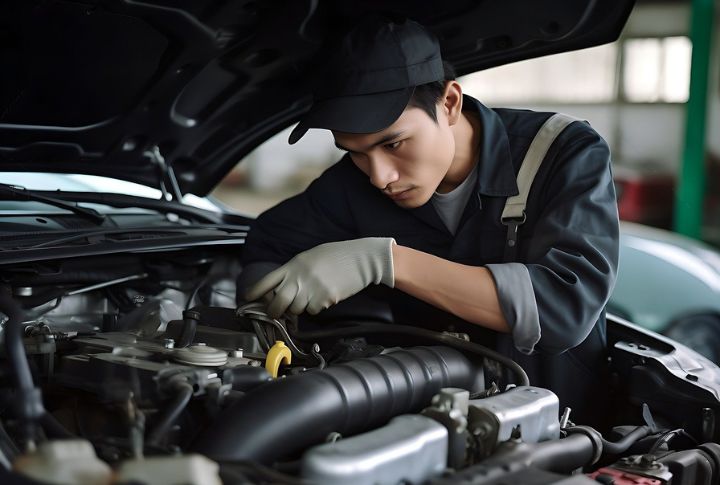
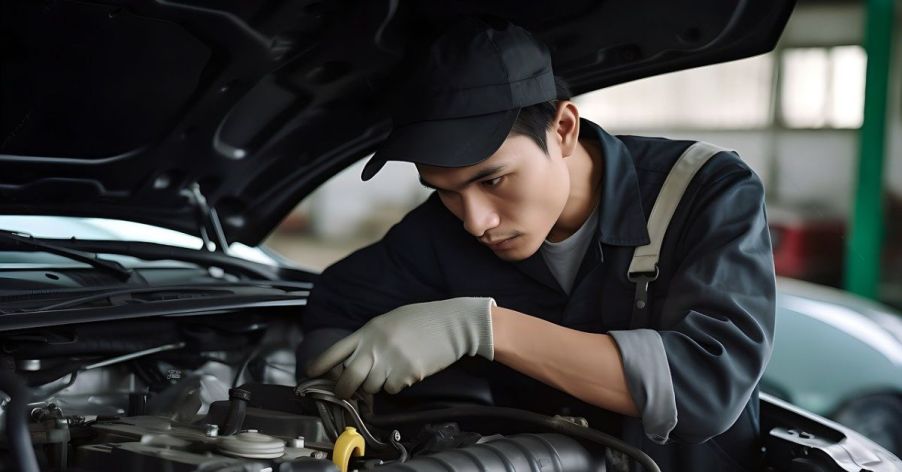
Some car advice ages like milk, and yet, it sticks around. Old-school car tips sound-wise but often don’t apply to modern engines and tech-savvy rides. Mechanics know the truth: these outdated tips waste time and money and sometimes even damage your car. Here’s what to ditch today.
Warm Up Your Car for 10 Minutes Every Morning

Forget idling in the driveway! Modern engines don’t need lengthy warm-ups, thanks to fuel injection technology, which replaced carburetors in the 1990s. Mechanics warn this wastes fuel and can lead to carbon buildup. Just 30 seconds of idling does the trick today—while also saving your time and gas!
Always Change the Oil Every 3,000 Miles
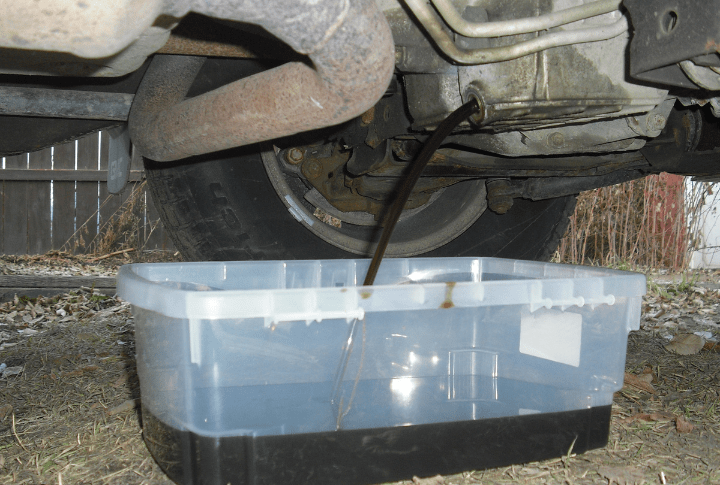
The 3,000-mile rule is history! Today’s synthetic oils and advanced engines often go 7,500 to 10,000 miles before needing a change. Over-changing isn’t just wasteful; it’s costly and creates excess oil waste. Check your manual for the latest recommendations instead.
Premium Fuel Is Always Better for Your Engine
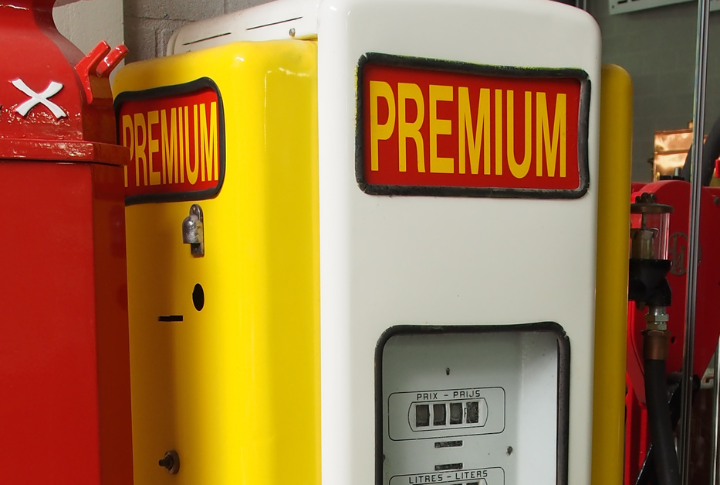
Premium gas doesn’t mean premium performance unless your engine specifically calls for it. A 2017 AAA study found that 70% of drivers overpay for premium fuel that brings zero benefits. Regular unleaded does just fine in most engines and saves you cash at the pump.
Let Your Gas Tank Run Low Before Filling Up
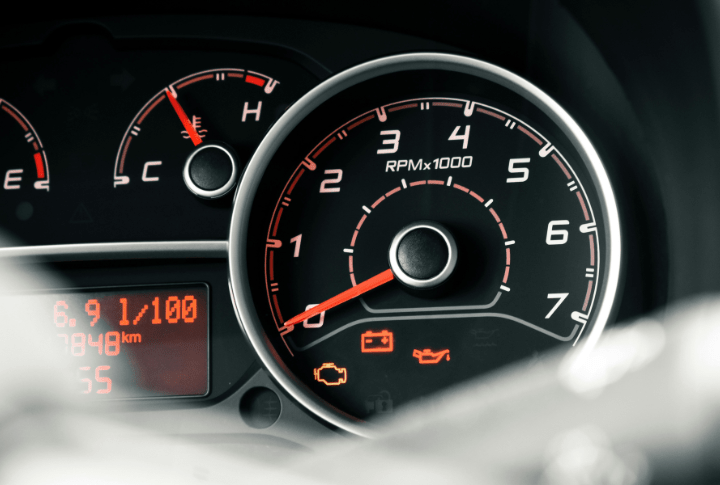
Running low? Don’t risk it! Keeping the tank near empty stresses your fuel pump and could lead to costly repairs. Plus, it stirs up sediment that can clog fuel filters. Experts advise filling up before dropping below a quarter tank. Protect your engine and wallet.
Manual Transmission Cars Are Always More Fuel-Efficient
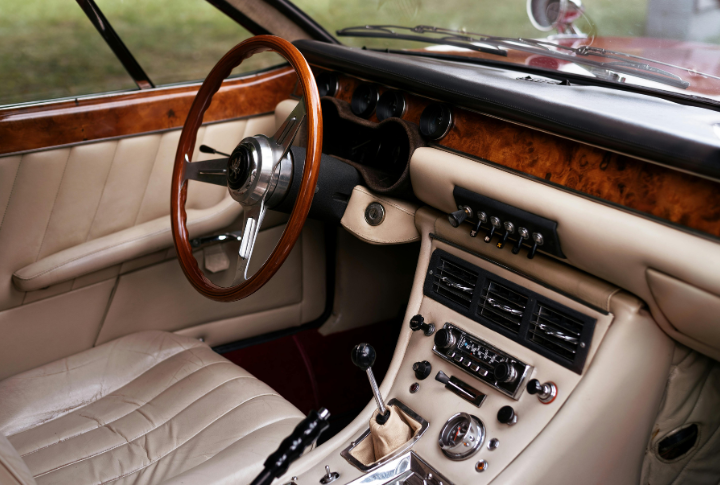
Gone are the days when manuals always topped automatics in fuel efficiency. Modern automatic transmissions can outperform or match manual models thanks to high-tech gear ratios and dual-clutch systems. So, while manuals are fun, they’re no longer the fuel savers they once were!
Rotate Your Tires Every 6,000 Miles Without Exception
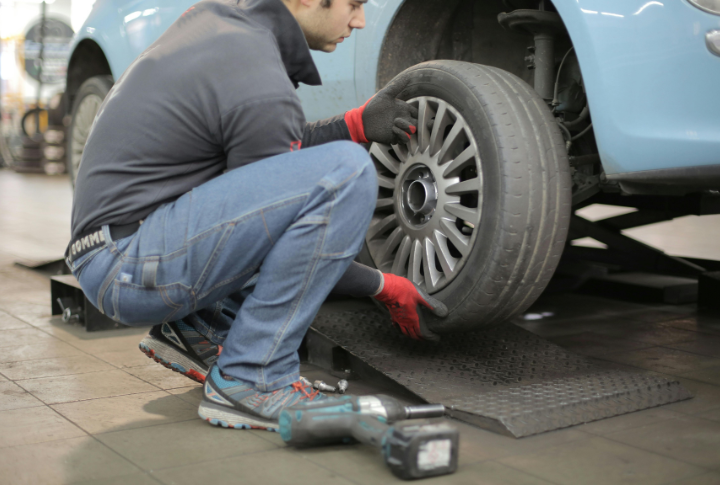
Not all tires wear the same, and your rotation schedule depends on factors like tire type and road conditions. Most experts suggest checking every 5,000 to 7,500 miles. Don’t follow old mileage myths—tailor rotations to your driving habits for longer-lasting tires.
Brake Fluid Never Needs Changing
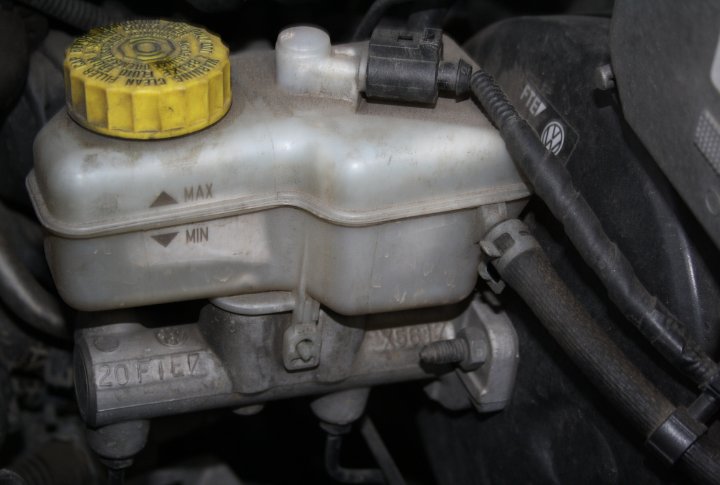
Skipping brake fluid changes could leave you in hot water. Brake fluid absorbs moisture, which reduces brake efficiency and even causes corrosion. Mechanics recommend replacing it every 2-3 years. And if you ignore this advice, it can impact stopping power and lead to serious safety risks.
Use Water as Coolant in an Emergency
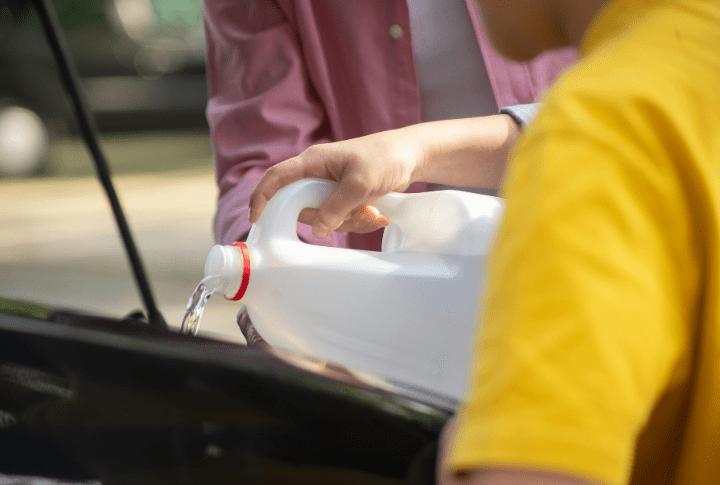
In a pinch, sure, but water alone can’t handle the heat. Unlike antifreeze, it boils quickly and corrodes your cooling system. Even in emergencies, you’ll want to mix water with actual coolant as soon as possible to avoid engine damage and overheating.
Avoid Using the Parking Brake to Prevent Wear
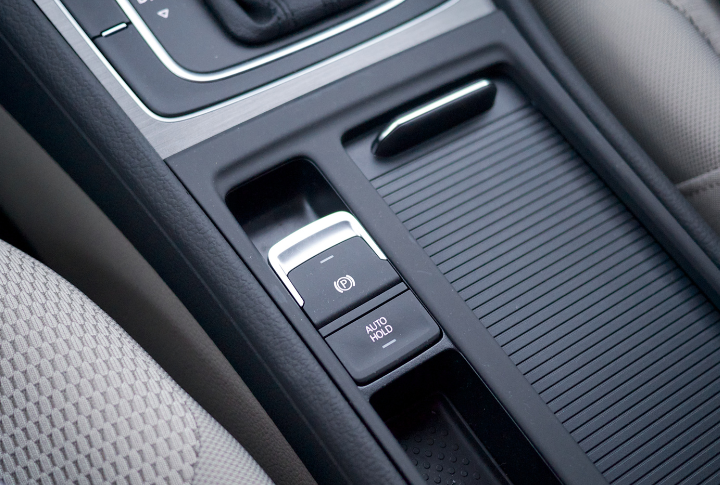
The parking brake is your friend. Leaving it unused can strain your transmission, especially on slopes, which makes it more prone to damage. Mechanics agree: using the parking brake preserves your drivetrain and adds stability, ultimately reducing stress on your car’s core components.
Pump the Brakes While Slowing Down on Slippery Roads

ABS (Anti-lock Braking Systems) revolutionized braking. Found in most cars since the 1990s, ABS pumps the brakes automatically, so you don’t have to! “Pumping” is now counterproductive. Just press firmly, let ABS do its job, and enjoy smoother, safer stops on slick roads.