10 Myths About How Long Hybrid Vehicles Really Last
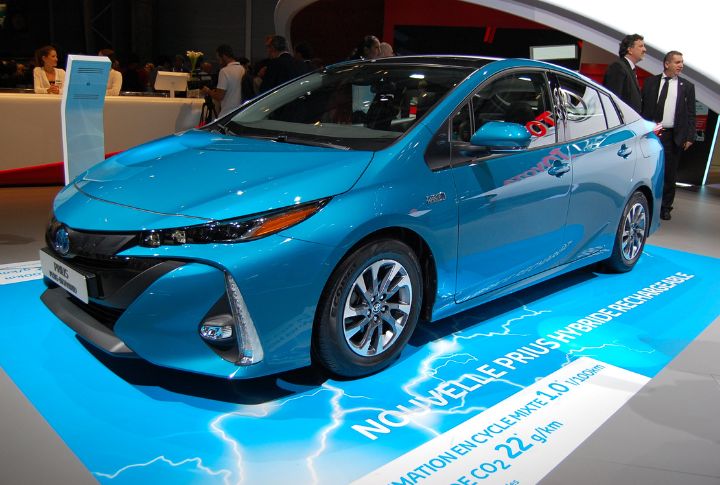
Hybrid vehicles are popular for their fuel efficiency and eco-friendly appeal, but misconceptions about their lifespan persist. Some people worry they won’t last, while others believe they’re maintenance-free. Let’s set the record straight by debunking common myths about how long hybrids really keep rolling.
Hybrid Batteries Wear out Quickly
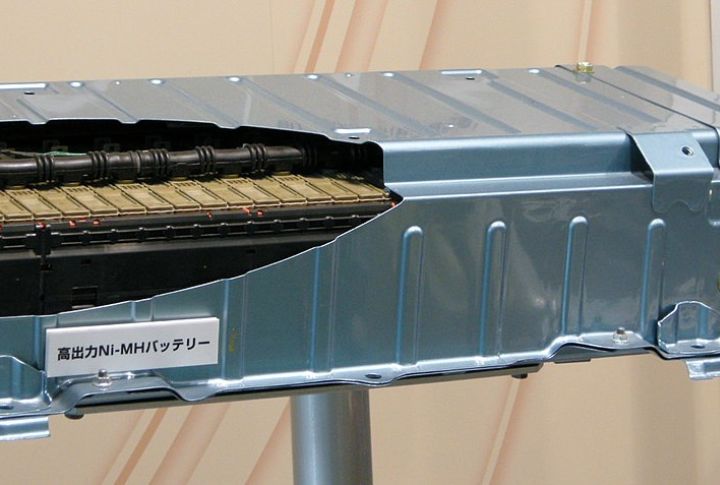
A common worry is that hybrid batteries don’t last, but most are designed to go 100,000 miles or more. Many owners report their original batteries lasting far beyond that, meaning you’re likely set for years before any replacements.
Maintenance Costs are Sky-High
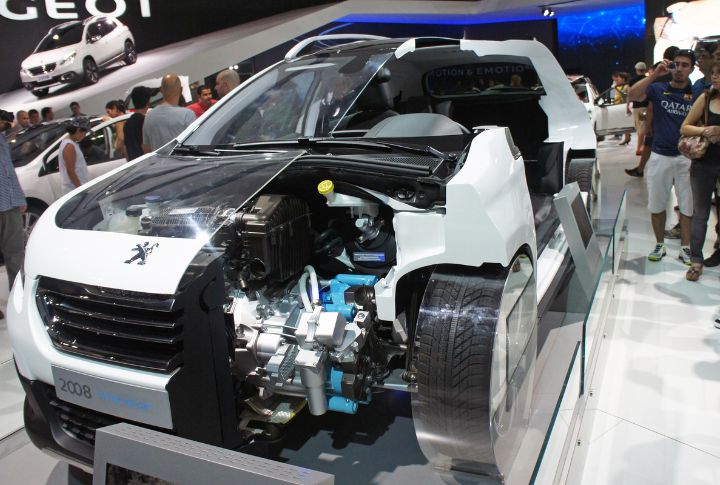
Hybrid maintenance costs are often exaggerated. These vehicles generally need routine care, similar to gas-powered cars. For many hybrids, regenerative braking systems even reduce brake wear, helping owners save on some repairs over time.
They Don’t Last as Long as Gas Cars
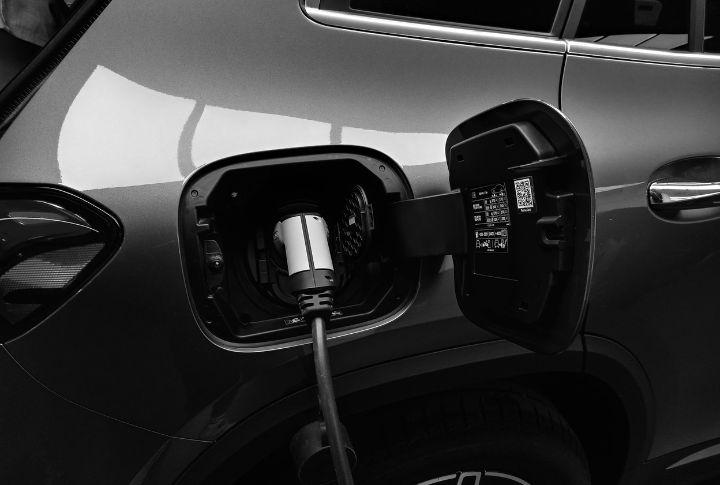
Some believe hybrids break down sooner than traditional cars, but hybrids have proven to be just as durable. Many hybrid models remain on the road well past 200,000 miles, showing they’re built to last just like their gas-only counterparts.
Battery Replacements are Inevitable
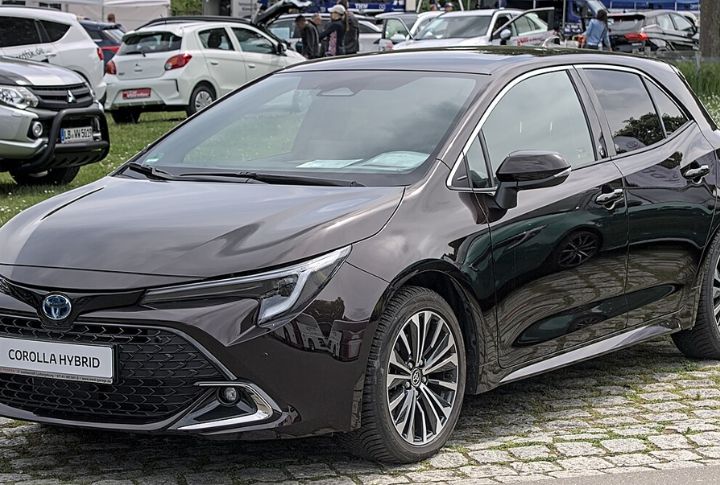
Not all hybrid owners will need a battery replacement. Hybrid batteries are designed to be long-lasting, and many drivers never need a replacement. Proper care and regular driving help keep these batteries in solid condition for years.
Cold Weather Damages the Battery
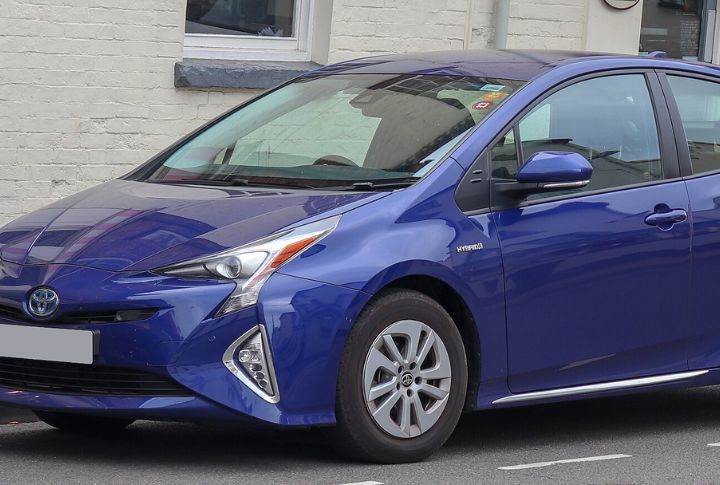
It’s easy to think that cold weather would harm a hybrid’s battery, but these vehicles are built with temperature control systems. While freezing weather can reduce range temporarily, it doesn’t lead to permanent damage or shorten the battery’s life.
Hybrids are Weak and Slow
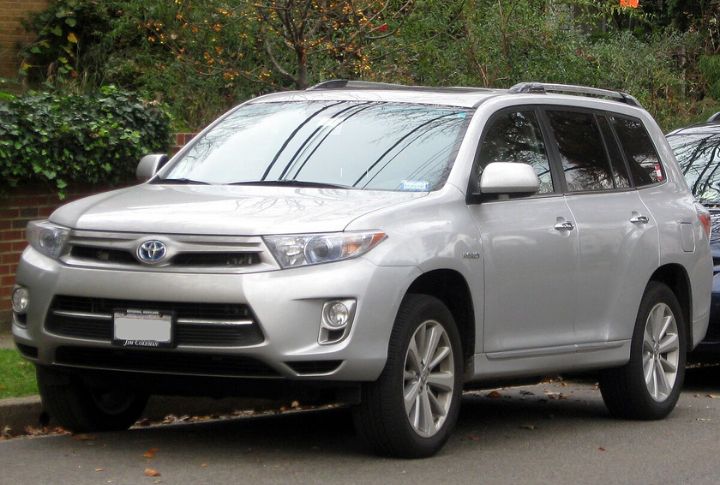
Hybrids might sound like they sacrifice power, but many models offer surprisingly amazing performance. With both electric motors and gas engines working together, hybrids often have strong acceleration, and this makes them capable of handling daily driving just fine.
They’re Expensive to Insure
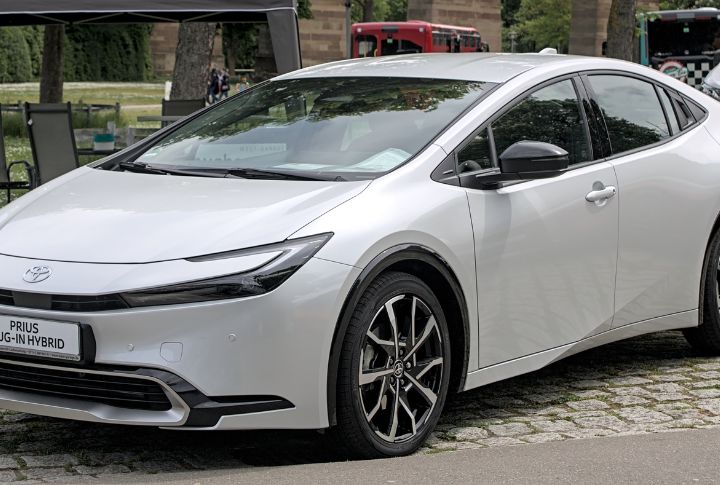
Some people think insuring a hybrid is costly, but rates usually aren’t much different from those for gas cars. Insurance companies look at factors like the driver’s history and model safety, so hybrids don’t automatically come with a higher premium.
Hybrid Batteries Can’t be Recycled
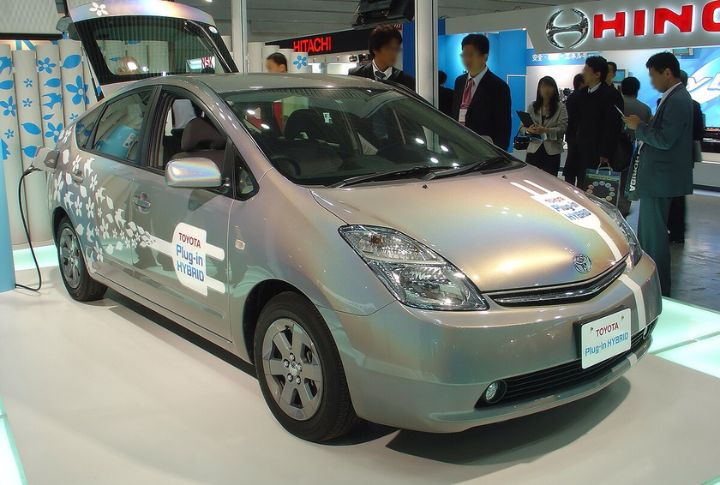
Hybrid batteries are often recyclable, and manufacturers have processes for repurposing battery materials. Recycling technology has come a long way, so most batteries avoid landfills and go on to serve new uses, minimizing environmental impact.
They Need Special Mechanics
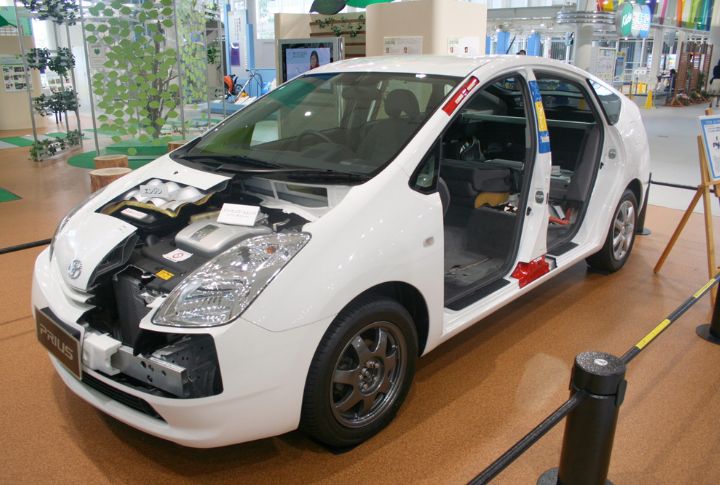
You don’t need a hybrid-specific mechanic for routine service. While specialized techs help with advanced repairs, many standard repairs like oil changes and brake checks are similar to gas vehicles, so most mechanics can handle regular maintenance.
Hybrids Won’t be Worth Much Later
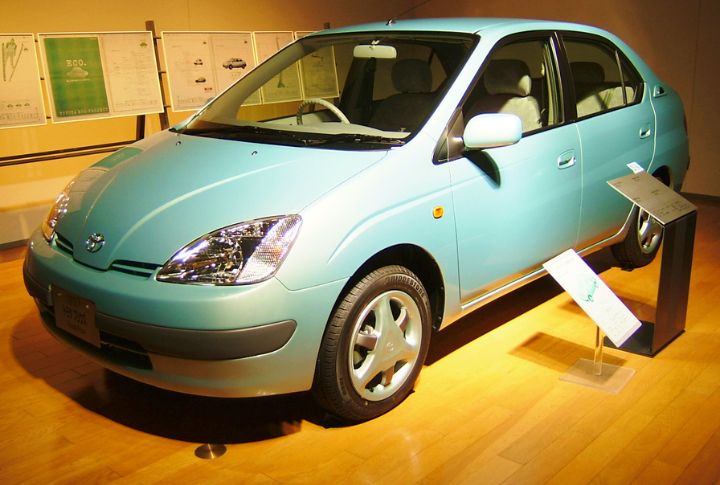
People worry hybrids have poor resale value, but many retain their worth surprisingly well. With gas prices on the rise, demand for fuel-efficient hybrids remains strong, which helps keep resale values competitive with traditional vehicles.