10 Legendary Lockheed Martin Aircraft In Aviation History
For over 75 years, Lockheed Martin has led the way in aviation by crafting aircraft designs that have shattered records and redefined the limits of military aviation. Let’s take a closer look at ten of these iconic planes that have revolutionized the skies with Lockheed Martin’s groundbreaking engineering and innovation.
SR-71 Blackbird
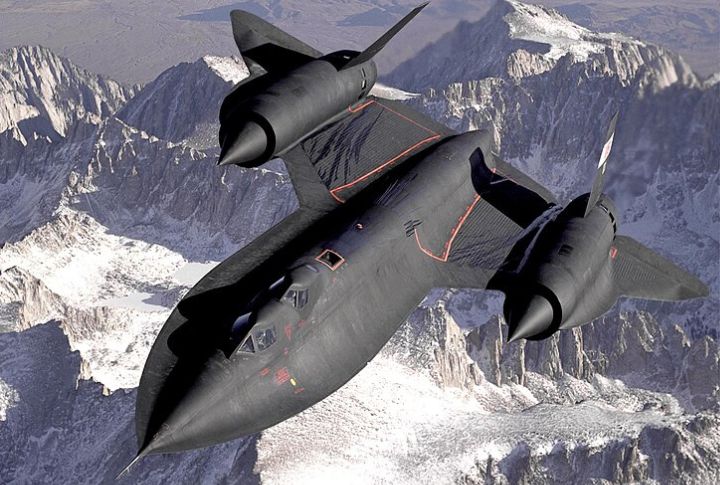
With titanium making up 85% of the airframe, the production of this machine required specialized non-metallic tools. Under operating temperatures, its structure could expand by up to 6 inches. Additionally, the use of JP-7 fuel with a high flash point above 60°C was key to supporting long-duration Mach 3+ operations.
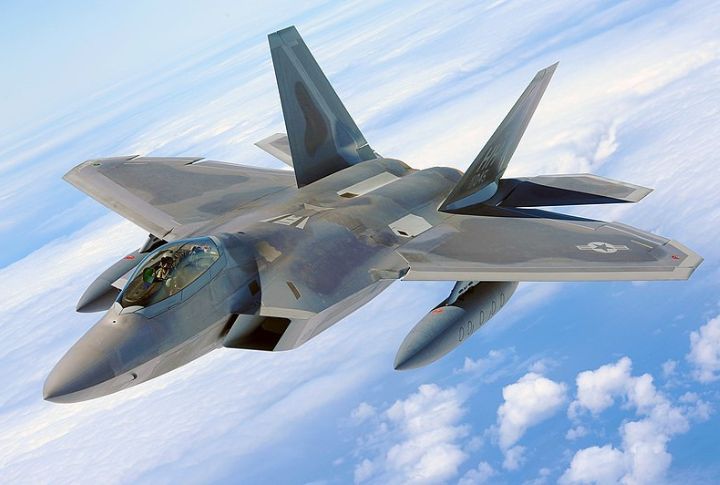
F-22 Raptor
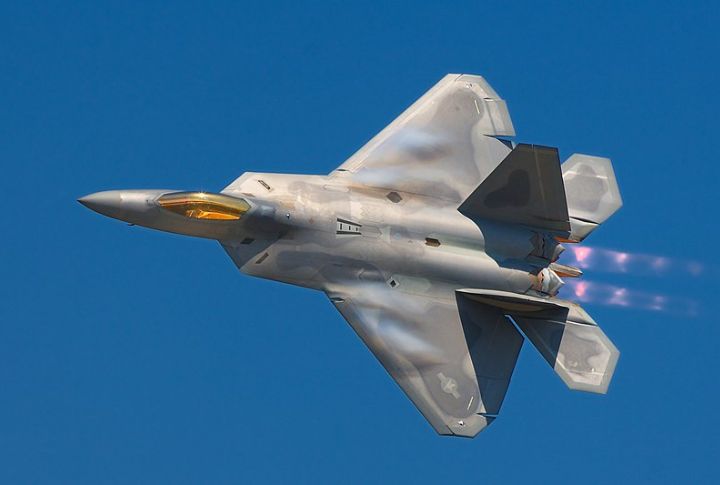
For this one, advanced avionics processes 1.7 million lines of code, enabling simultaneous tracking of 100+ targets, while the AN/APG-77 radar operates without revealing the aircraft’s position. It was the first operational fighter combining supercruise at Mach 1.82 without afterburners, stealth, and super-maneuverability.
F-16 Fighting Falcon
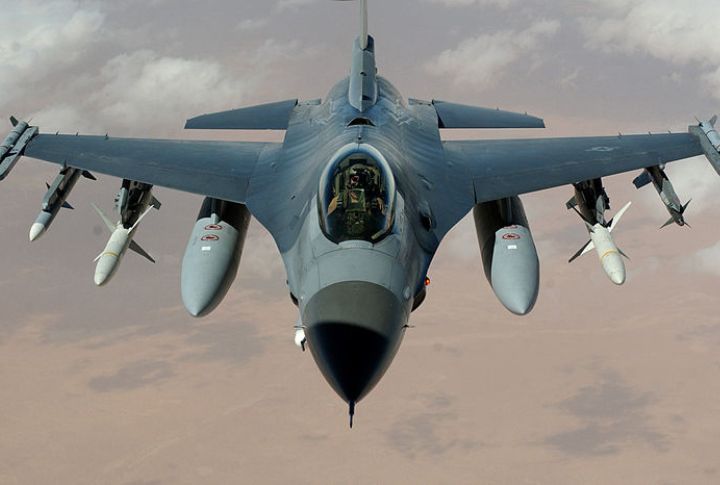
The F-16 revolutionized fighter maneuverability by developing fly-by-wire controls with relaxed static stability. 9G rotations are made possible while reducing pilot strain thanks to the side-stick controller and reclining seat. Plus, unhindered visibility is provided by the bubble canopy design.
P-80 Shooting Star
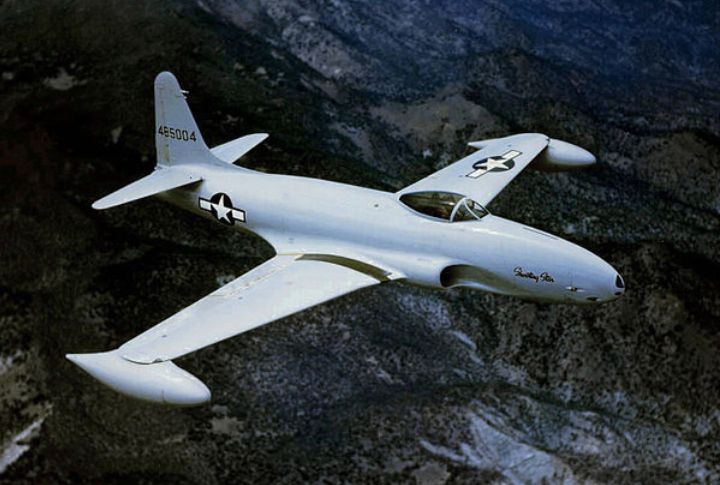
After 143 days of development at Skunk Works, America’s first jet fighter went into service. It achieved 502 mph in level flight with the aid of an ejection system and a pressurized cockpit. Until 1957, it served as the primary fighter for the United States Air Force, instructing many pilots in jet operations.
F-104 Starfighter
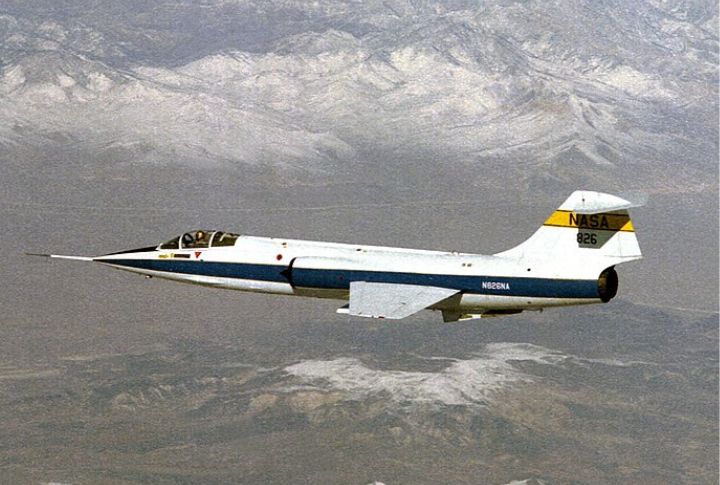
The wings of this machine had a leading edge of 0.016 inches and measured 6.63 m. It set three world records at once: time-to-climb, height (103,389 feet), and speed (1,404.19 mph). Below 2,000 feet, a special downward ejection system was also said to be in use.
F-35 Lightning II
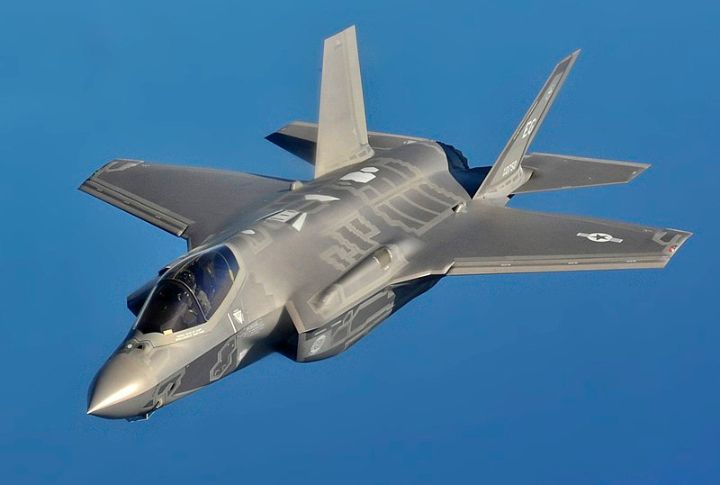
Integrating 8.6 million code lines and controlling advanced sensors, the F-35 Lightning II Six displays infrared sensors that provide 360° situational awareness. The helmet displays night vision and targeting data and also features autonomous maintenance monitoring that predicts component failures.
U-2 Dragon Lady
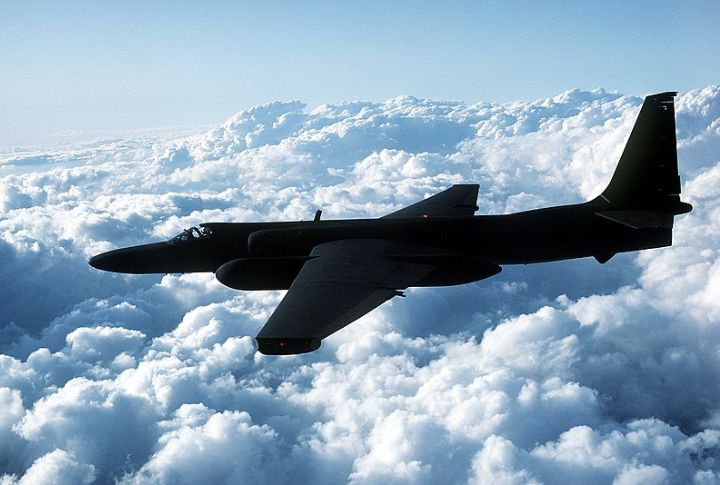
This beast that operates above 70,000 feet requires partial-pressure suits. Chase vehicles guide landings due to limited cockpit visibility. The U-2 was proposed by Lockheed in 1953, with its first test flight occurring in 1955 and its introduction into service in 1957.
F-117 Nighthawk
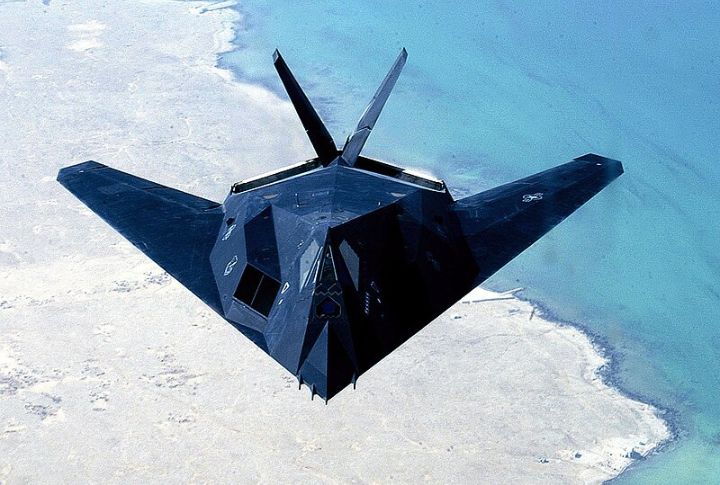
The F-117 Nighthawk achieved a radar cross-section of 0.001 square meters through advanced computational design. It required over 40 coating processes for effective radar absorption. This aircraft was the first operational model entirely designed using computer modeling techniques.
C-130 Hercules

As a tough workhorse, this machine can take off and land on rough airstrips while carrying up to 44,500 pounds. It’s got features like reversible propellers and kneeling nose gear, making it perfect for tactical missions. This aircraft is used in many countries for all sorts of jobs.
YF-12
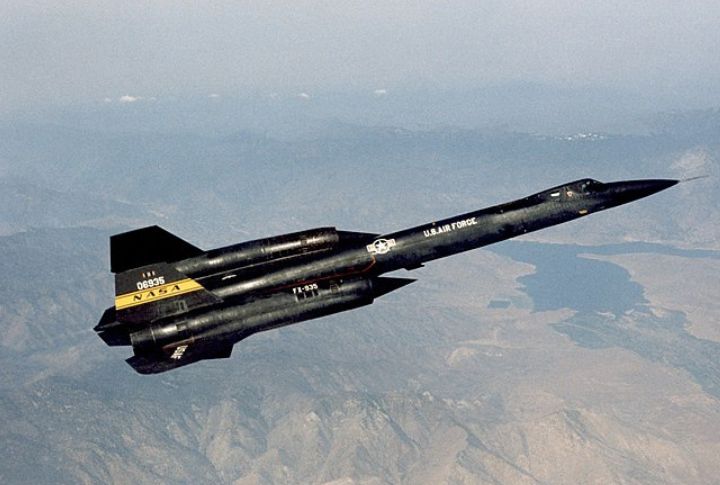
Only three of these aircraft took flight, serving as high-speed laboratories for aerospace advancement. Engineers solved the center of gravity challenge with an automated fuel system that continuously adjusted during flight. At Mach 3.2, the aircraft’s titanium skin literally blazed at 500°F.