10 Ford Cars That Didn’t Live Up to Expectations
A leader in automotive innovation, Ford has experienced both successes and failures along the way. Over the years, some of the brand’s boldest ventures turned into costly lessons. Keep reading to explore some of Ford’s most infamous flops and the stories behind them—there’s more than meets the eye when it comes to these automotive oddities.
Pinto’s Controversial Reputation
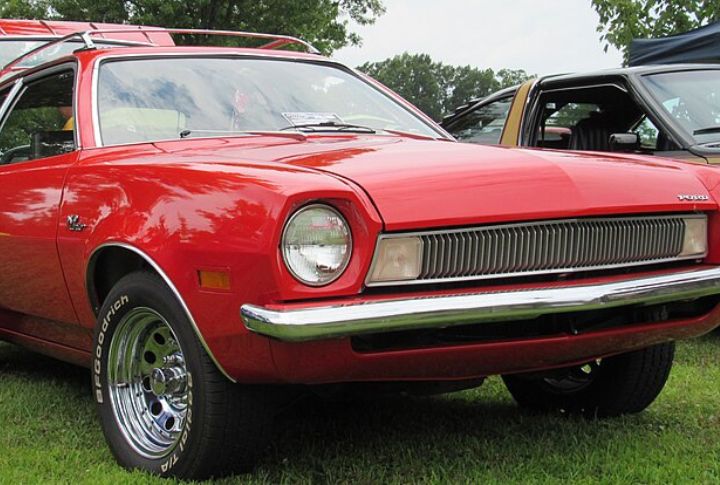
Introduced in 1971, Ford Pinto quickly gained attention—not all of it good. Even after being a commercial success initially, it became infamous for safety issues with its fuel tank, which could ignite in rear-end crashes. Public outrage and lawsuits eventually damaged its reputation.
The Edsel’s Overhyped Launch
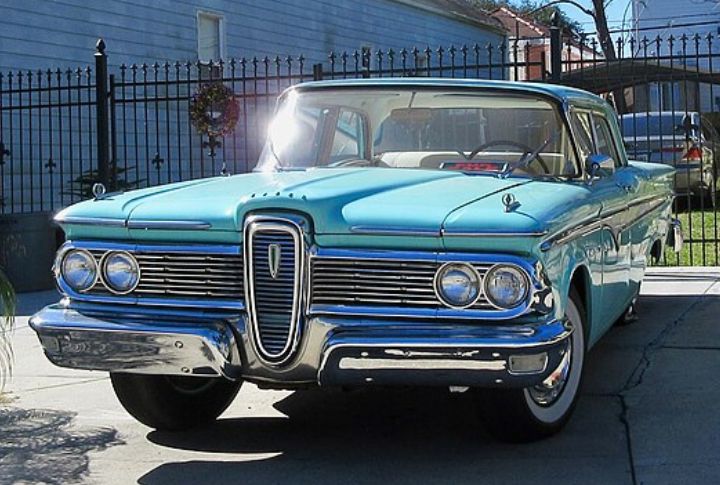
Ford referred to the Edsel in 1957 as “the car of the future,” but it ultimately became a commercial failure. Its “horse-collar” grille was met with confusion and lackluster reactions. With poor timing and a hefty price tag, Ford’s $250 million investment did not meet expectations.
The Flawed Mustang II
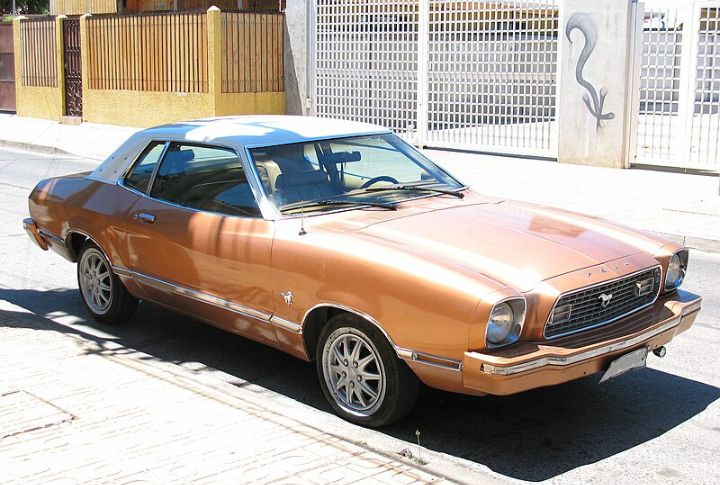
The 1974 Mustang II marked a shift from muscle to mediocrity, downsized for the oil crisis at the cost of the performance fans cherished. Though it sold well, Ford’s decision to tone down an icon was risky. Over time, the Mustang II has come to be seen as a compromise rather than a failure.
Taurus’ Unremarkable Revival
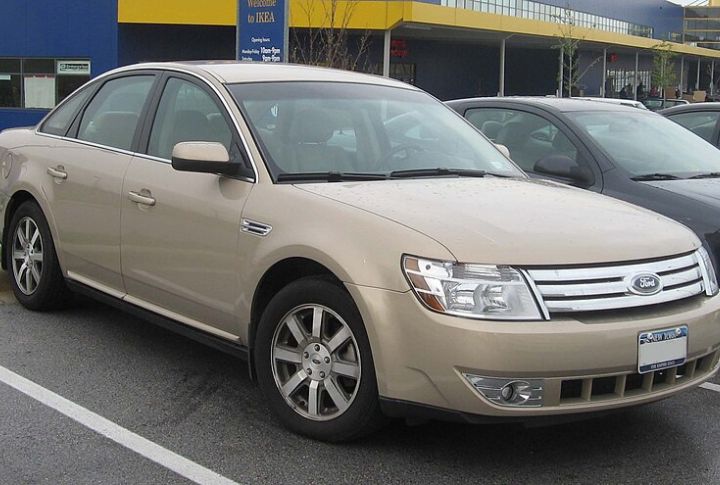
Ford tried to bring back the Taurus in 2008, which fizzled like flat soda. Once a pioneer, the new Taurus looked painfully ordinary in a sea of stylish competitors. Without any standout features, this car was more of a placeholder than a proper revival. Not exactly groundbreaking.
Thunderbird’s Downsized Misstep
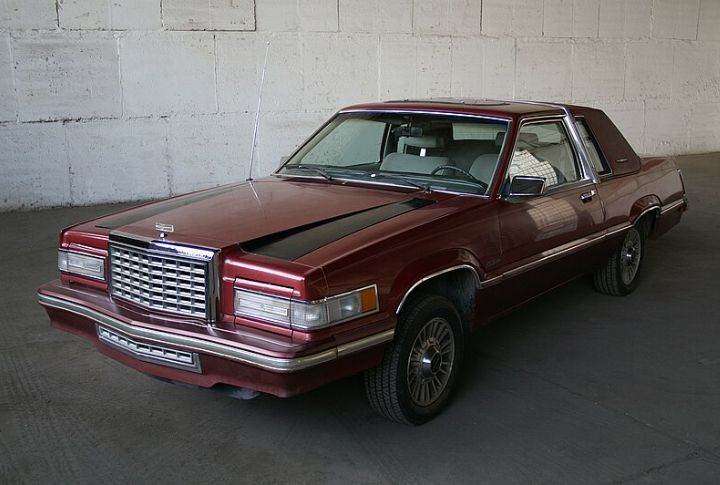
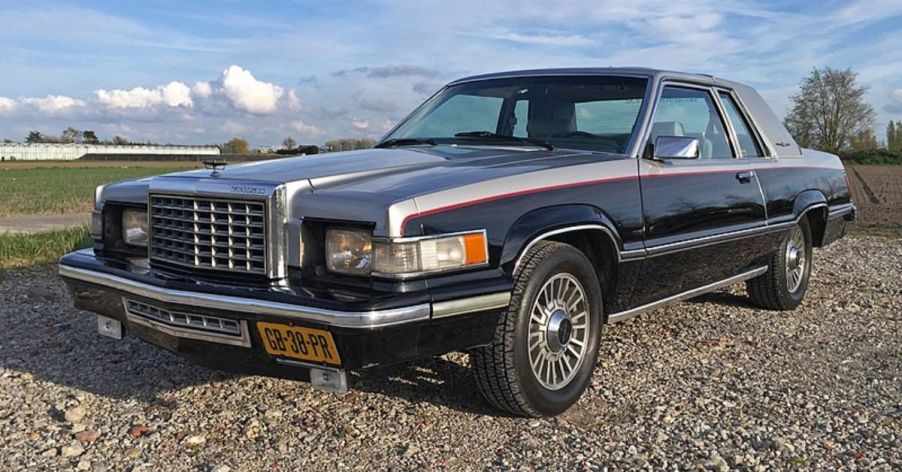
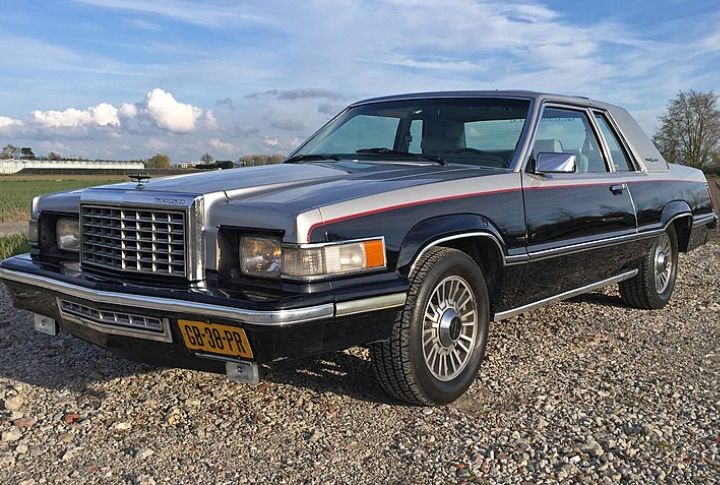
The redesigned Thunderbird moved away from its luxury roots to a smaller, boxy style. Traditional buyers didn’t like the 1980s design, and it is often seen as a misstep. Despite this, Thunderbird sold reasonably well during its run. However, many customers were drawn to flashier competitors.
The Failure of the EXP
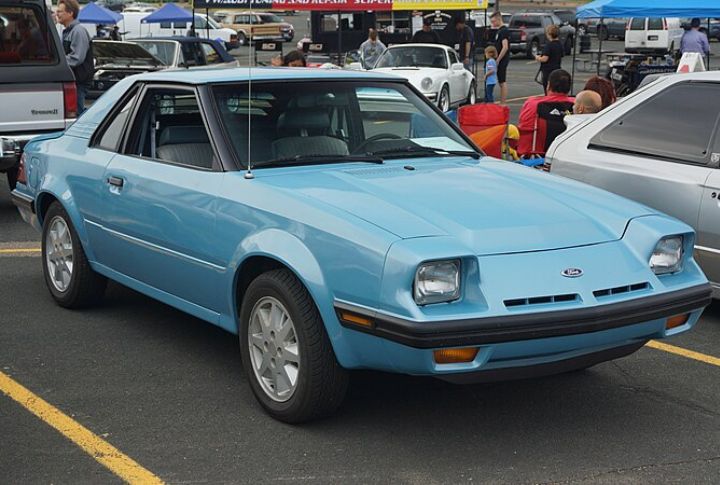
Ford’s EXP was supposed to be sporty. Instead, it was the car equivalent of a treadmill, functional and boring. The 1981 model felt like a half-hearted experiment rather than a full-on sports car. Customers hit the brakes, and EXP dropped it quietly.
Lincoln Blackwood’s Limited Appeal
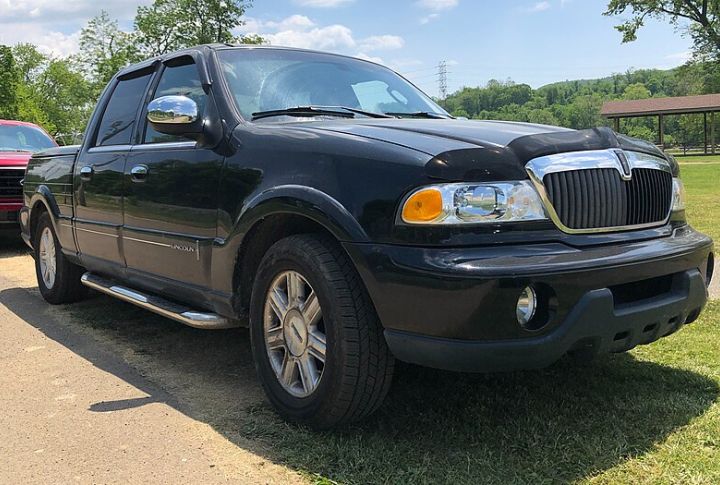
Fewer than 4,000 were sold—the car left so many questions. With luxury leather seats, the Lincoln Blackwood had a barely usable truck bed. Launched in 2002, this “luxury pickup” confused many, as it wasn’t practical enough as a truck nor luxurious enough to justify its $52,500 price tag.
C-Max Hybrid
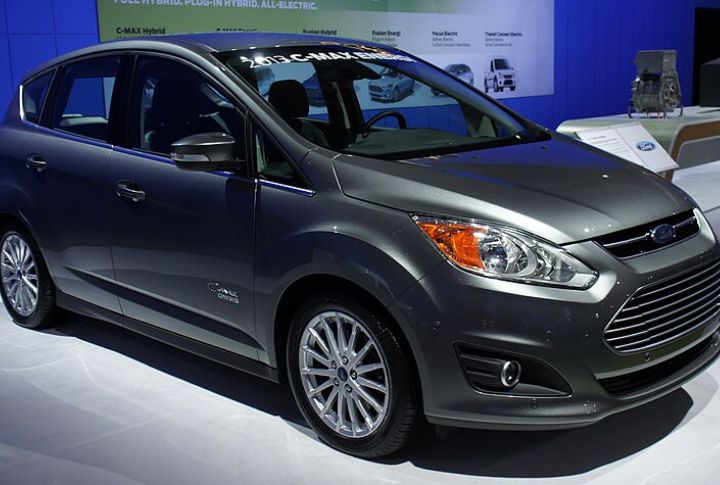
The C-Max Hybrid’s exaggerated fuel economy claims lead eco-conscious buyers to fume. Regardless of its decent features, this car couldn’t shake the bad press, and it made another case of “too little, too late.” So, Ford’s 2013 Prius competitor came in with big promises and left with big disappointments.
Aspire’s Forgettable Run
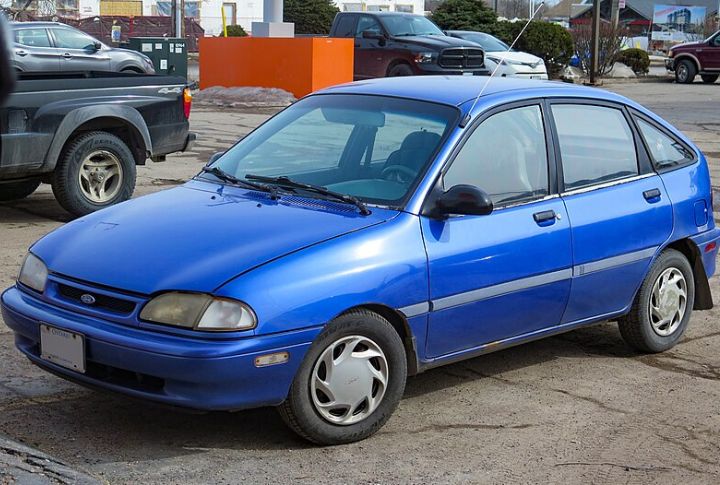
Yes, Aspire had decent gas mileage, but that was about it. Minimal features and uninspired design made it an easy skip for purchasers looking for more than a functional ride. Aiming for “affordable and compact,” Ford’s Aspire was rolled out in 1994. However, it hit “bland and boring” instead.
The Controversial Five Hundred
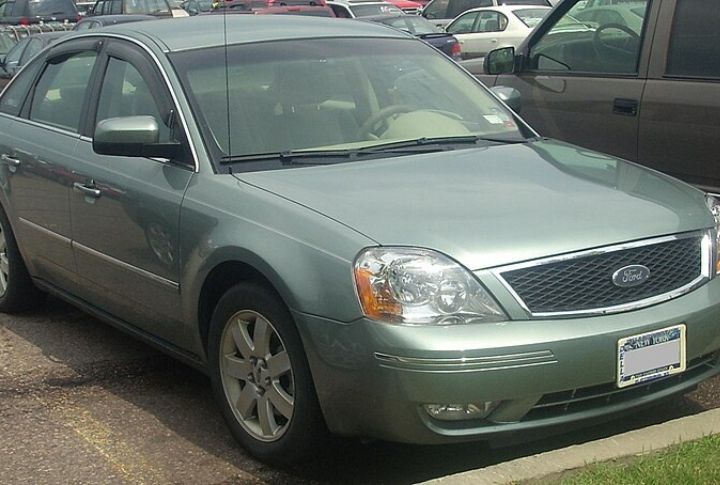
In 2005, Ford attempted to reenter the family sedan market with the Five Hundred. While it offered practicality, its uninspired design and lackluster performance failed to excite buyers. Struggling to compete with better rivals, Ford ultimately replaced the Five Hundred with the revived Taurus name.