10 Factors to Consider Before Embracing Driverless Cars
Driverless cars seem like something out of science fiction, but they’re fast becoming a reality on our roads. While the idea sounds exciting, the reality isn’t quite as smooth. Beneath the promise of hands-free commutes lurk some unexpected complications. Before you hand over the wheel, here are some reasons to think twice.
Liability in Accidents
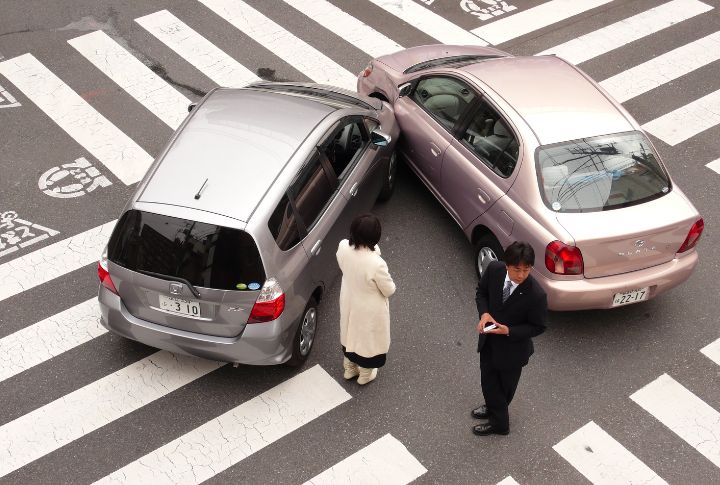
When something goes wrong, who takes the blame? Autonomous vehicles blur the lines between driver and machine, leaving insurance companies and courts grappling with responsibility. Manufacturers, software developers, and vehicle owners all risk entanglements with the law. Sorting out accountability is complex and costly, with evolving car liability laws adding to the challenge.
Cybersecurity Risks
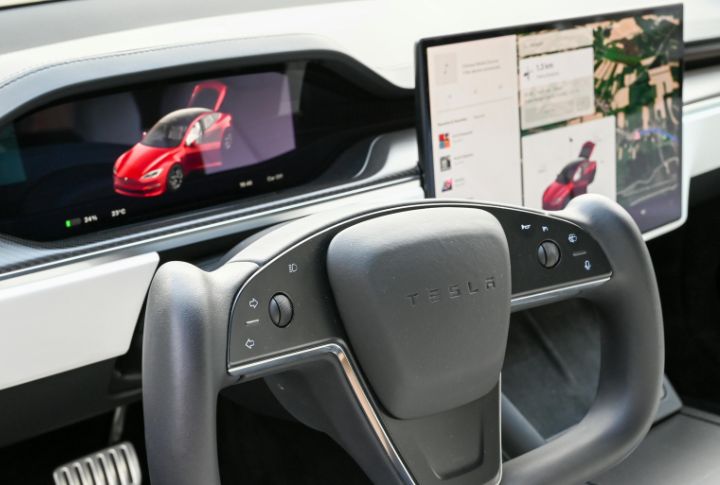
The danger of hackers won’t just be confined to identity theft, as some can also take control of your autonomous car. Autonomous systems rely on complex software and constant internet connectivity, which makes them potential targets for cyberattacks. A single breach could jeopardize passenger safety and disrupt traffic systems on a larger scale.
Unpredictable Human Behavior

Driverless cars might follow rules, but humans often don’t. Pedestrians jaywalks, cyclists swerve, and other drivers can be unpredictable. These situations challenge autonomous systems, which aren’t great at improvisation. Over-reliance on strict algorithms could lead to dangerous missteps, especially in chaotic urban settings where surprises are the norm.
Limited Weather Adaptability

Heavy snow or fog can disrupt the sensors and cameras that autonomous vehicles rely on, causing reduced visibility and impairing their ability to operate accurately. Unlike humans, who intuitively adjust to shifting weather conditions, driverless cars struggle to adapt, leaving them particularly vulnerable during adverse weather.
Job Losses in Driving Industries

Besides changing how we drive, automation also threatens jobs for millions of professional drivers. From truckers to taxi operators, entire livelihoods could disappear. Communities that rely on transportation jobs may face economic upheaval, which will make the societal cost of driverless cars higher than most anticipate.
Expensive Repairs and Maintenance
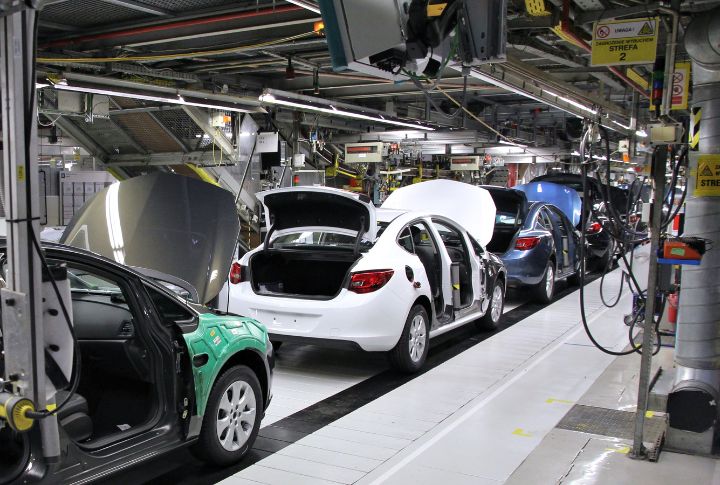
A simple fender bender could cost a fortune. The advanced sensors, cameras, and computer systems in autonomous cars don’t come cheap. Even routine repairs or updates may require specialized technicians who charge hefty bills. Owning a driverless car could mean spending much more than you bargained for.
Ethical Dilemmas in Emergencies

In a split-second crisis, who should a driverless car protect—the passengers or bystanders? Autonomous systems rely on programming to make such fatally dichotomous decisions, which spark complex ethical debates. Trusting software to prioritize human lives raises moral questions that technology hasn’t yet fully answered.
Lack of Universal Regulations

Rules for autonomous vehicles vary widely across countries and even between states. The absence of unified regulations additionally complicates their deployment and usage. Without consistent guidelines, safety and enforcement can fall through the cracks. This leaves drivers and passengers prone to unnecessary risks.
Reduced Driver Skills Over Time
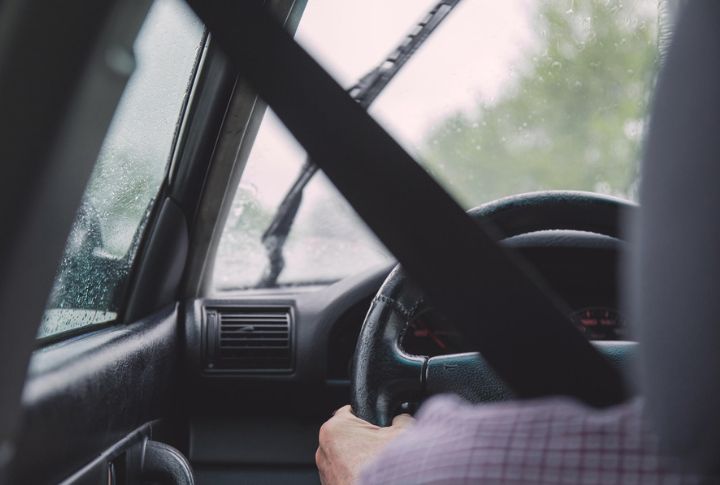
As people grow reliant on automated systems, essential driving skills could fade. In emergencies where manual intervention is required, unpracticed drivers may struggle to respond effectively. A hands-off approach to driving might sound convenient, but it could leave people less prepared for real-world challenges.
Accessibility Isn’t Universal

Not everyone will benefit from autonomous vehicles. Their high cost can make them inaccessible to lower-income individuals and families. Additionally, the technology may not address the needs of certain disabled passengers. While marketed as inclusive, driverless cars might unintentionally widen social and economic gaps.