
10 Factors That Affect Airplane Tires and Their Durability
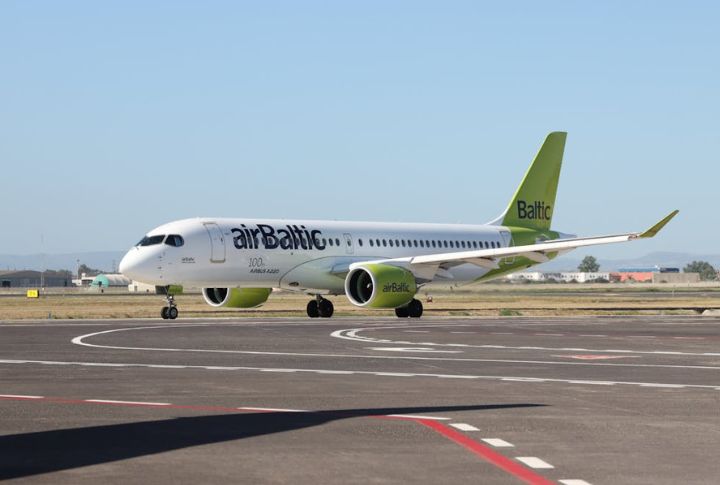
Airplane tires endure extreme conditions that go beyond ordinary wear and tear. Every takeoff and landing exposes them to forces that most people never consider—heat, weight, and hazardous debris. What exactly puts these vital components at risk, and how can it lead to tire bursts? Let’s explore the challenges that make airplane tires one of aviation’s unsung heroes.
High-Speed Landings
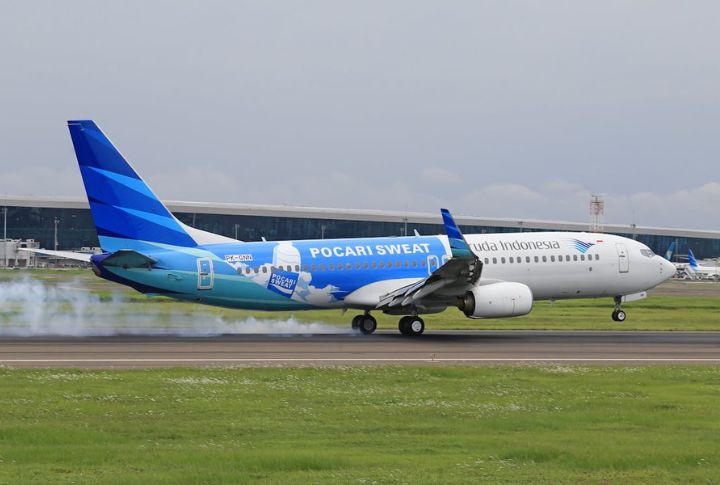
When an airplane touches down at speeds exceeding 150 miles per hour, its tires must absorb immense friction and energy. This generates intense heat that gradually erodes the tire’s structural integrity. Over time, these stresses diminish the tire’s lifespan, making frequent inspections and maintenance critical for ensuring their reliability.
Underinflation
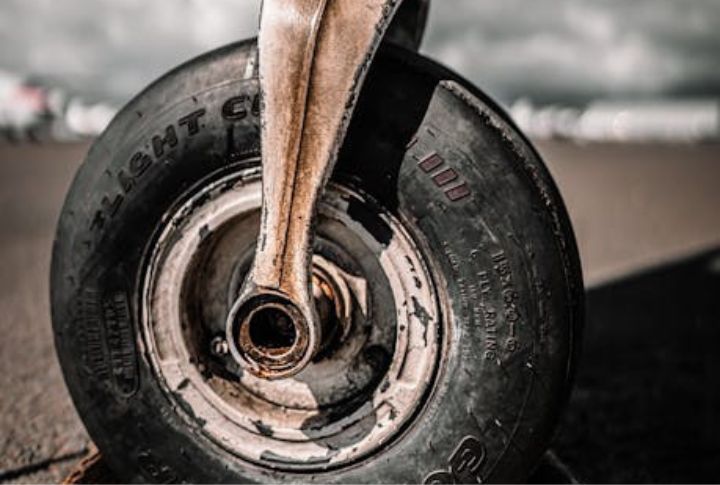
Low tire pressure creates uneven stress distribution, forcing certain areas to bear more weight than they are designed for. This imbalance leads to overheating and accelerated wear, turning underinflated tires into potential hazards. Regularly checking and maintaining proper pressure levels is a non-negotiable step in aviation safety.
Foreign Object Debris (FOD)
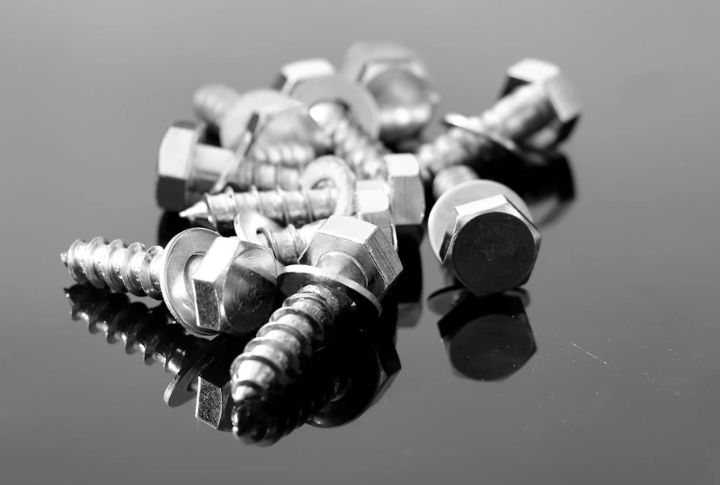
Runways might look clean, but they often harbor small objects like screws, rocks, or shards of metal. When struck at high speeds, even tiny debris can puncture or tear a tire’s surface. Due to this, strict runway inspections are essential to clear potential threats before planes hit the tarmac.
Rapid Temperature Changes
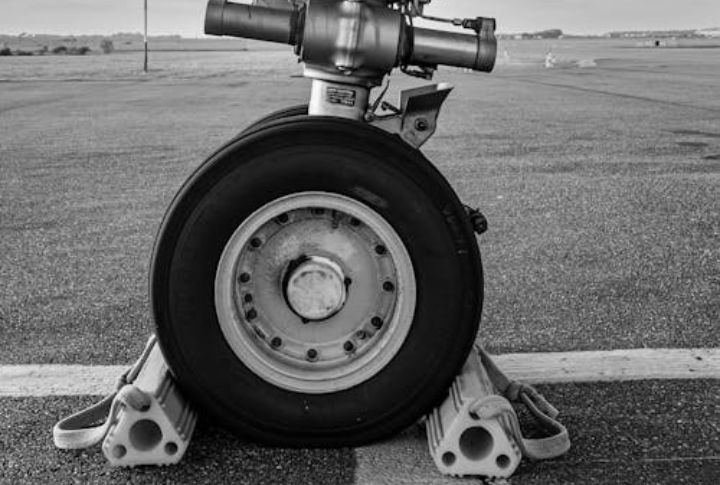
Airplane tires experience constant shifts between freezing temperatures at cruising altitudes and scorching heat on runways. This repeated expansion and contraction cause microscopic cracks to develop in the rubber. These tiny flaws weaken the tire’s resilience as time goes on, making it vulnerable during high-stress moments like landings.
Overloading
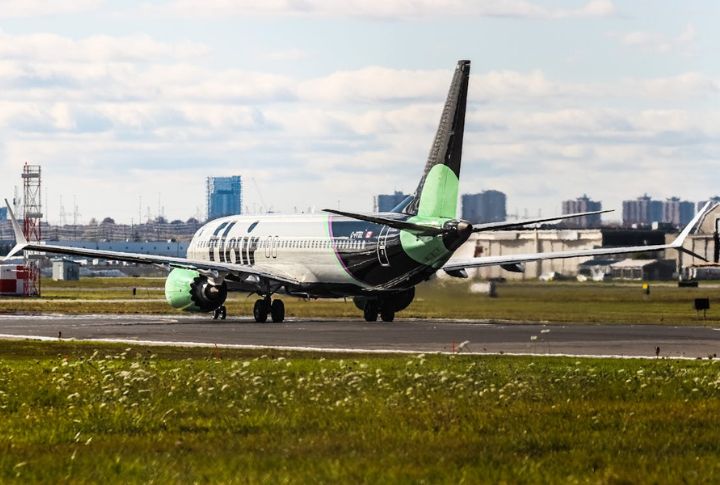
Excessive weight from overpacking or mismanagement of cargo stresses all parts of an aircraft, including its tires. When pushed beyond their load limits, the increased pressure accelerates wear and increases the likelihood of failure. Tires and flight safety are inextricably linked to how rigorously weight regulations are followed.
Harsh Braking
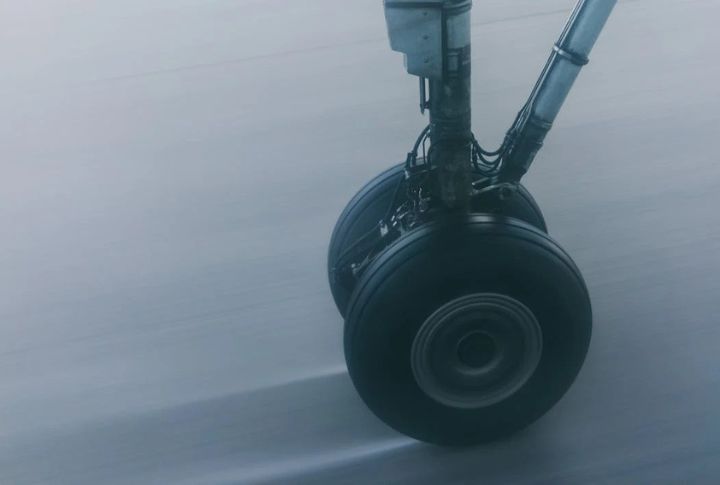
Emergency stops or aggressive braking during landing amplify the strain on airplane tires. The resulting friction generates intense heat, which gradually degrades the material’s durability. Modern braking systems are designed to reduce these stresses, but routine tire checks remain vital to prevent unexpected issues.
Skidding on Wet Runways
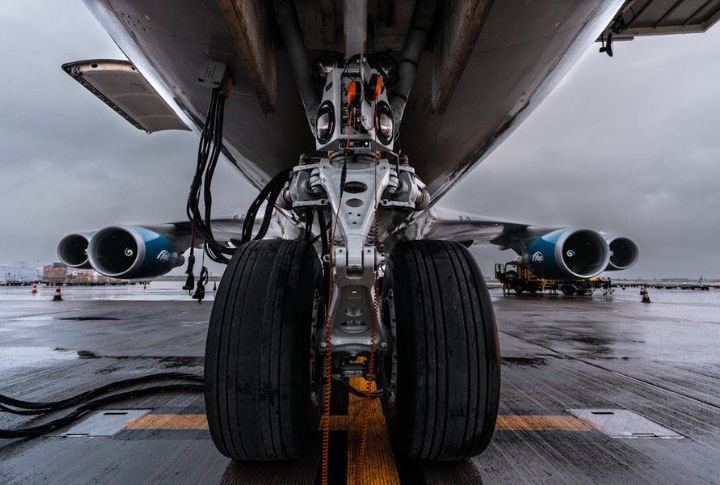
Hydroplaning on rain-soaked runways not only reduces a plane’s grip but also contributes to uneven wear. This exposes the inner layers of the tire, increasing its susceptibility to damage. While advanced tread patterns on modern tires help mitigate this risk, regular maintenance ensures their effectiveness in challenging weather conditions.
Improper Storage Conditions
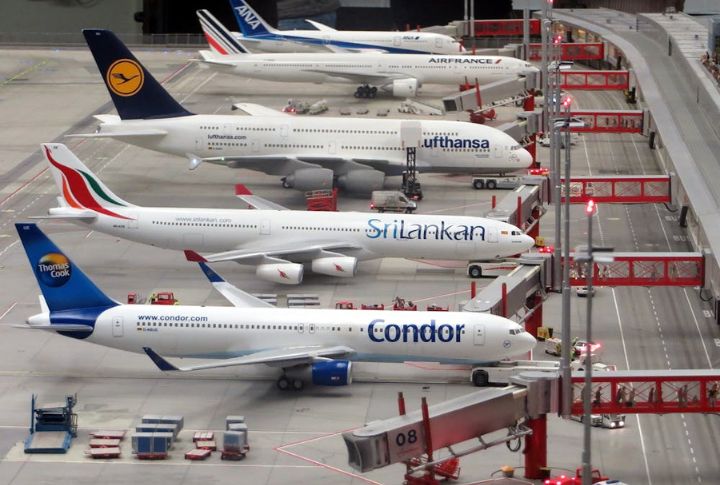
Even when the plane is off-duty, airplane tires are not immune to damage. Exposure to extreme temperatures, direct sunlight, or high humidity can weaken their elasticity, leading to cracks and reduced durability. Proper storage protocols, including controlled environments, are key to preserving tire integrity when they’re not in use.
Manufacturing Defects
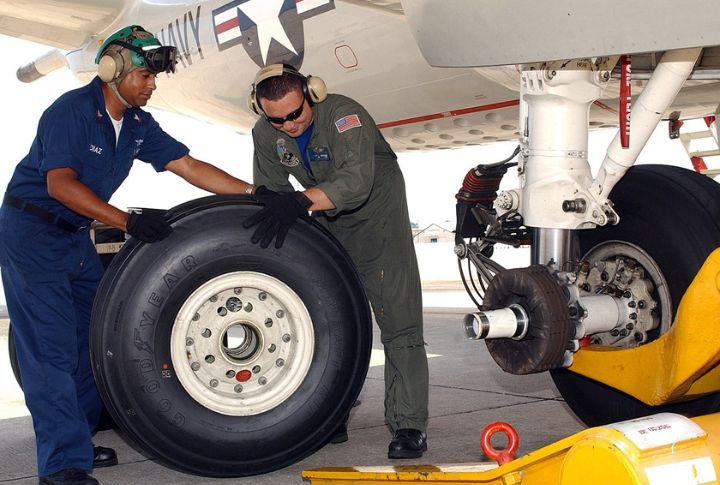
Tire production involves rigorous quality control, but occasional flaws—such as weak spots or uneven rubber—can slip through. If undetected, these defects may lead to blowouts during critical phases of flight. Airlines and manufacturers work diligently to catch and replace faulty tires long before they see any action on the runway.
Chemical Exposure
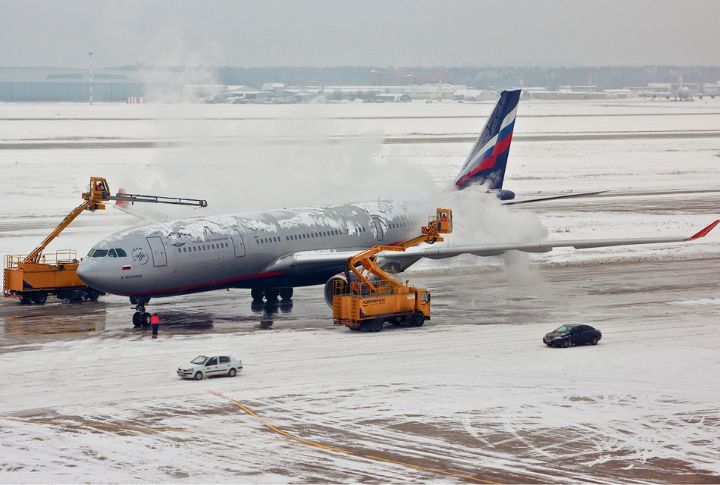
Airports are hotspots for de-icing fluids, hydraulic oils, and other chemicals that can gradually degrade tire rubber. Prolonged exposure reduces the tire’s ability to handle stress and increases the risk of failure. Routine cleaning and protective treatments shield tires from these corrosive agents, ensuring they’re ready for the demands of flight.