How much can you tint your car windows?
Air conditioning and a sunshade could be the difference between a livable interior and a rolling sauna. However, they’re not the only way to keep your car cool. One of the modifications drivers use to keep their vehicles cool and remain anonymous in the process is to tint their car windows. However, are there regulations dictating how much you can tint your windows?
Depending on where you live, you can tint your car windows and windshield
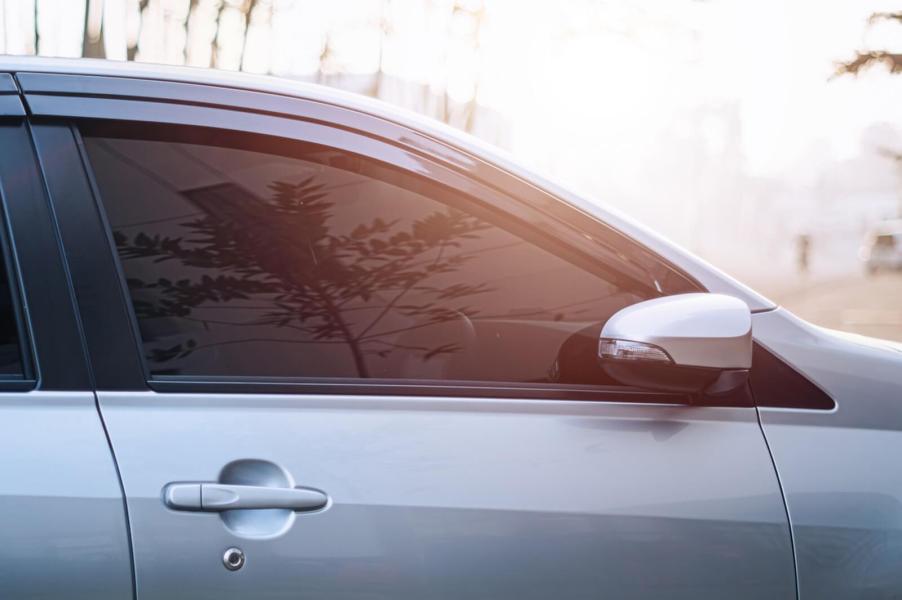
Tinting your car windows can block harmful ultraviolet (UV) light from the sun. As such, darkening your car windows can keep your vehicle’s cabin temperature much lower than the factory darkness. However, your state of residence has a direct impact on how much you can tint your car windows.
For instance, most states don’t allow a full tint on a vehicle’s windshield. However, some states may allow you to tint a portion of your windshield. For example, Arizona, a state with notoriously hot summer highs, allows drivers to tint to “the top of the manufacturer’s as-1 line.” Conversely, Minnesota doesn’t permit any tinting of a vehicle’s windshield.
| Window location | Allowable tint percentage (most states) |
| Windshield | 0% |
| Front side windows | 35%-70% |
| Rear side windows | 35%-100% |
| Rear window | 35%-100% |
As for your front left and right windows, most states permit between 35% and 70%. It’s a bit of a range, but also important to know how much tint you can apply to a vehicle in your state. For instance, California will allow up to 70% tint on the front side windows. However, neighboring Nevada only permits up to 35%. As such, driving your car with California-legal windows into another state could land you a fine from the local police.
Like rear side windows, many states allow rear window tint to reach 100%. A “limo” tint can block the majority of light from intruding into your vehicle.