
10 Proven Ways To Maintain Your Car’s Peak Performance

Getting a new car is exciting, but keeping it in excellent condition requires more than just admiration. There are a few simple habits that can protect your investment and keep your ride running strong for years. Here’s how to make it happen.
Schedule Regular Oil Changes

Fresh oil keeps your engine parts moving smoothly and prevents harmful buildup. Most producers suggest replacing the oil every 5,000–7,500 miles. Constantly ignoring this basic routine can lead to engine wear and even total engine failure in severe cases.
Rotate And Align Tires Periodically
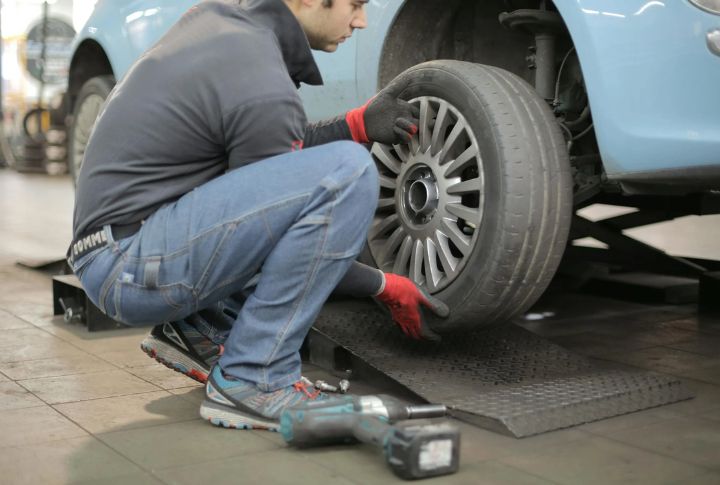
Tires wear down differently depending on their position and your driving style. Switching tires every 6,000 to 8,000 miles encourages consistent tread deterioration and better fuel efficiency. Proper alignment also improves handling. It will help your tires last longer and your vehicle stays safe.
Drive Smoothly To Reduce Wear And Tear

Sudden acceleration and jerky turns strain critical parts like the suspension and brake system. Gentle driving habits preserve your car’s mechanical health. Smooth driving becomes even more essential for long-term reliability if you live in stop-and-go traffic areas.
Use The Recommended Fuel Type Only

Your car’s manual clearly states what fuel to use; stick with it. Using a lower-grade option can cause knocking or damage to the engine over time, and premium fuel isn’t always better. The fuel requirement ensures peak performance and avoids expensive repairs caused by the wrong gasoline.
Follow The Scheduled Servicing Routine In Your Vehicle’s Manual.

Skipping maintenance milestones is one of the quickest ways to shorten a car’s lifespan. Your owner’s manual includes a specific plan for oil changes and inspections. Mechanics rely on this schedule to catch potential problems before they escalate into costly repairs.
Avoid Overloading Your Vehicle

Every vehicle has a weight limit for a reason, and carrying excess weight strains the suspension and engine, which leads to accelerated wear and tear. So, check your vehicle’s gross weight rating (GVWR) and avoid turning your trunk into a storage locker. Respect the load limit to help your car perform as it should.
Protect Your Car With A Covered Parking Spot

Always park it in a garage or shaded area to shield the paint and interior materials. If ignored, direct sunlight and snow can degrade your vehicle’s exterior. UV exposure is a significant factor in fading dashboards and seats. Shaded parking goes a long way in preserving your car’s look and integrity.
Never Ignore Dashboard Warning Lights
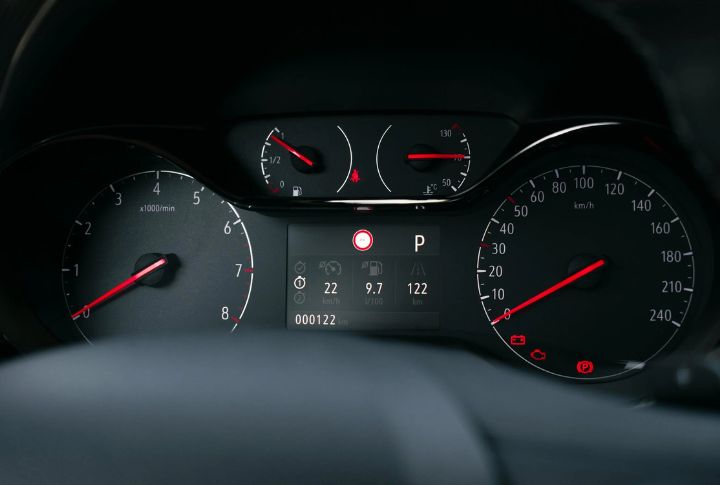
Those warning lights are built-in safety alerts. It can be the check engine light or low tire pressure. They tell you something needs attention. Ignoring them could mean missing a serious issue until it’s too late. A quick scan or a mechanic visit can prevent large repair bills.
Check Fluid Levels Beyond Just The Oil
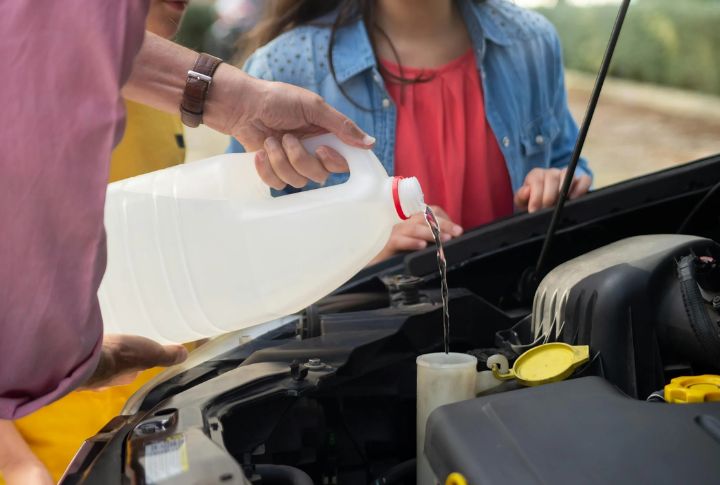
Oil isn’t the only fluid that matters. Coolant and windshield washer fluids are also essential. Make it a habit to check the level of these fluids monthly or before long trips. Otherwise, low or contaminated fluids can cause overheating or unexpected brake failure.
Keep Battery Terminals Clean And Tight

Corrosion on battery terminals can block the flow of electricity, causing weak starts or electrical glitches. You need to clean the terminals with a brush and tighten loose cables to ensure consistent power delivery. This easy maintenance step helps you avoid surprise battery failures.