Low Temps Can Change How Fuel Behaves In Your Vehicle
Most drivers worry about batteries or tires when winter arrives. But what happens in your gas tank might matter just as much. Cold weather can quietly change how fuel behaves to affect performance in ways you don’t expect.
When The Tank Turns Cold
Cold mornings bring more than frost on the windshield. Beneath the hood, fuel begins to behave differently. Most drivers expect battery problems, but few consider what’s happening in the tank. Winter subtly reshapes your car’s ability to perform.
What’s Really In Your Gas
Gasoline contains a wide range of compounds that are carefully blended into a custom blend of hydrocarbons, adjusted by season and region. Winter-grade fuel includes more volatile components to help with cold starts. But even then, these lighter elements react differently in frigid air, which changes how efficiently fuel vaporizes and burns.
The Myth Of Frozen Gas
Contrary to popular belief, gasoline rarely freezes solid. Its freezing point can plunge below -40°F, which depends on the blend. But that doesn’t mean you’re in the clear. Cold gasoline becomes less volatile by making it harder to ignite. Your engine notices the change even if you don’t.
Ice Where It Shouldn’t Be
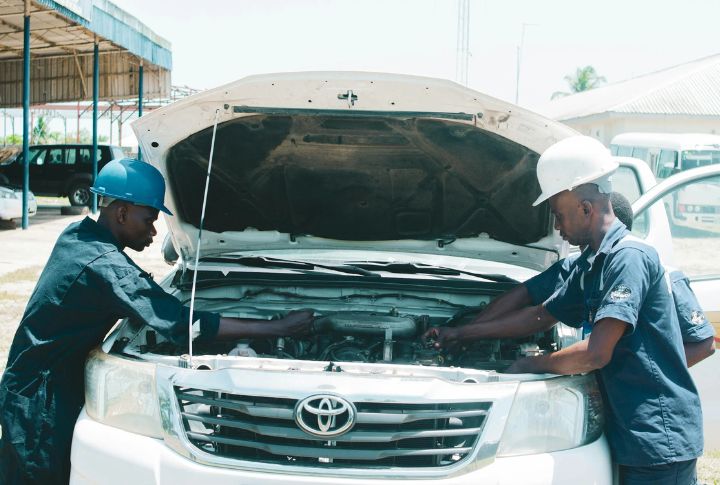
When outside temperatures drop, moisture condenses inside the fuel tank. That water can freeze in narrow fuel lines or clog filters. The ice doesn’t initially block the flow, but it can lead to sputtering or an engine that won’t turn over when needed.
What Ethanol Does In The Cold
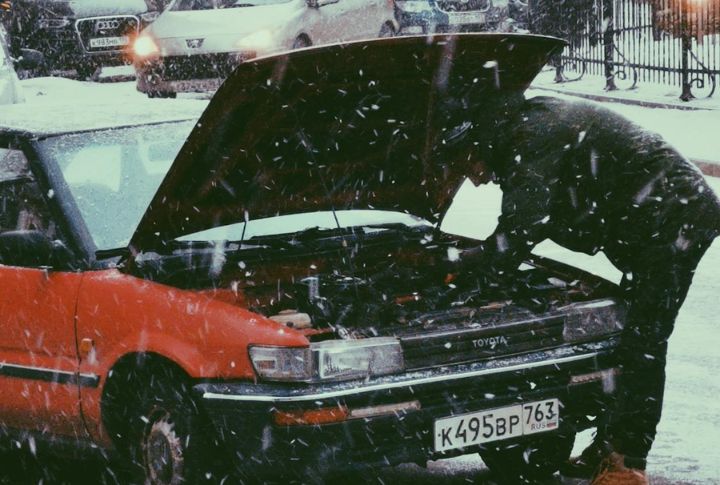
Ethanol-blended fuel like E10 absorbs water from the air. This can cause phase separation in freezing conditions, where water and ethanol sink away from gasoline. The result is a layer of fuel that burns poorly, or not at all, leaving engines misfiring and drivers stranded in the cold.
Why Cold Starts Get Tough
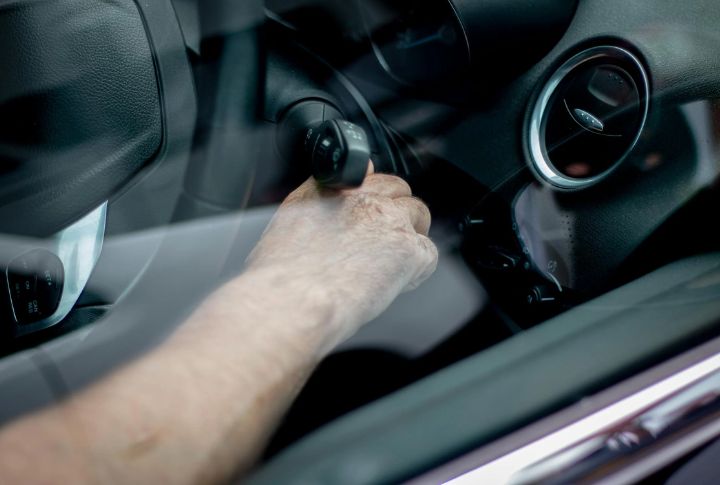
When temperatures drop, gasoline resists turning into vapor. Combustion depends on vaporized fuel mixing with air, so cold gas leads to incomplete ignition. Older engines often struggle more without precise controls. It’s not just more challenging to start; it may also get the engine to cooperate.
Your Engine Feels The Chill
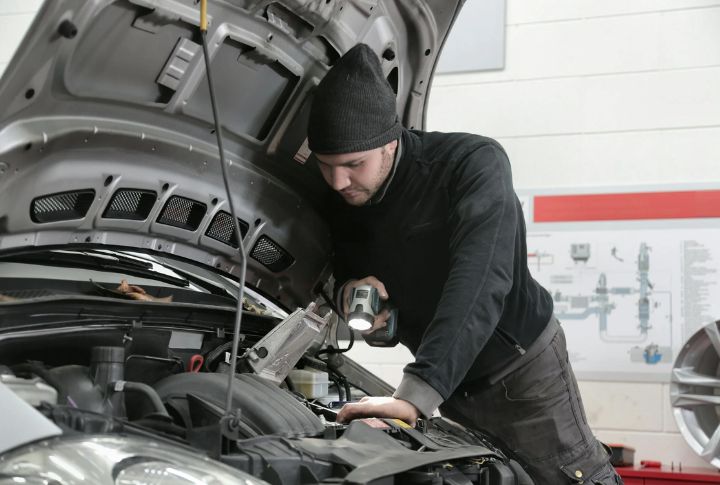
Even after the ignition, the impact lingers. Cold fuel burns unevenly by affecting performance throughout the drive. You might feel misfires or rough idling. Mileage drops as engines compensate. It lingers until the fuel system and engine reach optimal temperatures.
New Cars Handle It Better
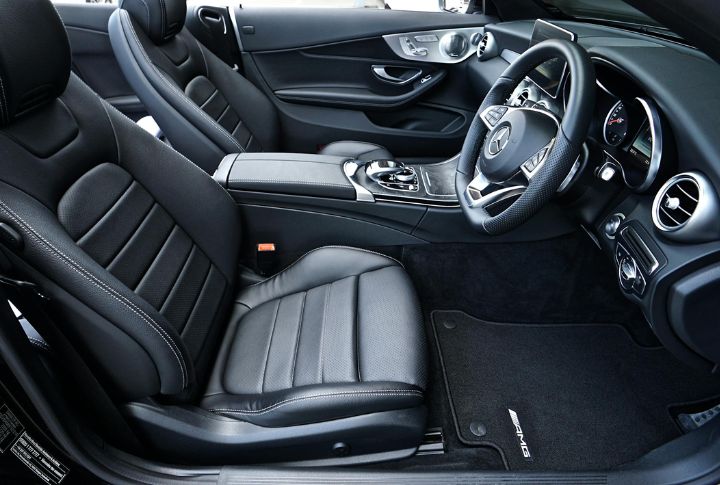
Modern vehicles are built to adapt. Electronic fuel injection and temperature sensors adjust fuel-air ratios to suit the cold. Engine control units (ECUs) monitor real-time conditions, which offer smoother starts and steadier performance. These improvements make winter driving more reliable than it once was.
Make Winter Easier On Your Fuel System
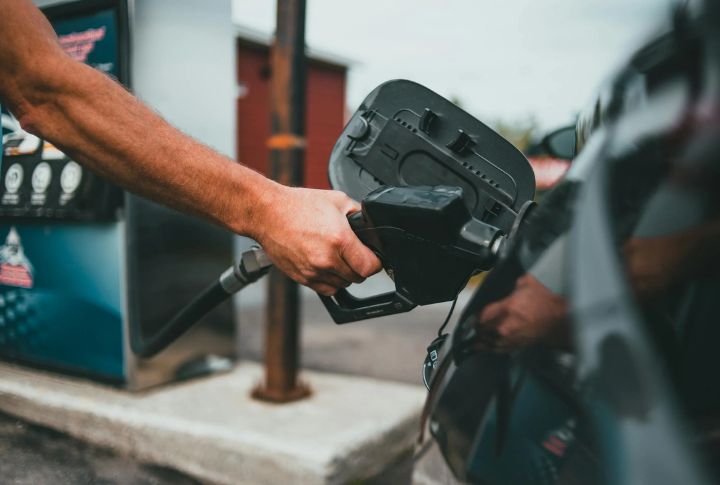
Preventing cold-weather issues starts with a few habits that work together. Keep your tank at least half full so condensation won’t form. If needed, add fuel stabilizers. Also, parking indoors reduces exposure to deep colds. These steps, combined, protect your engine before trouble begins.
Keep Your Car Ready For Winter
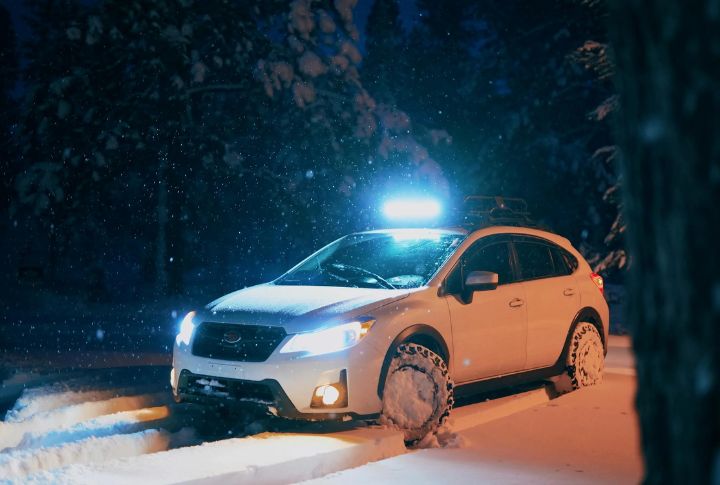
Fuel reacts to weather, whether you’re prepared or not. But a little preparation goes a long way. Understanding what your car faces in the cold lets you act early, not just react when it’s too late. Winter doesn’t wait, and neither should your maintenance checklist.