Why The Italian Pantera Was The Coolest Muscle Car Of The ’70s
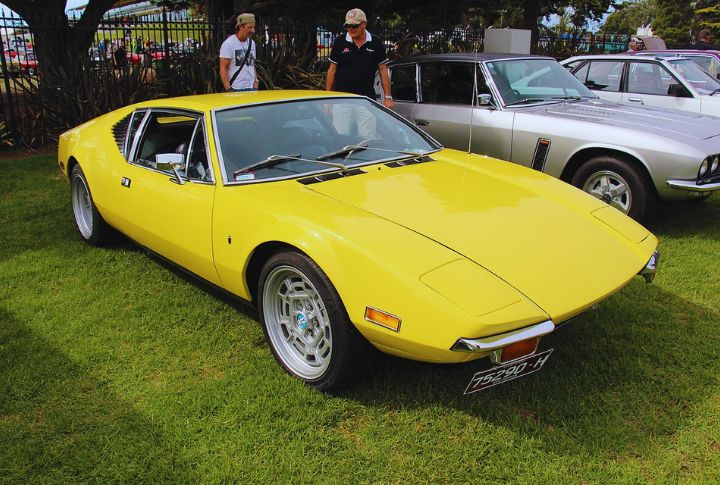
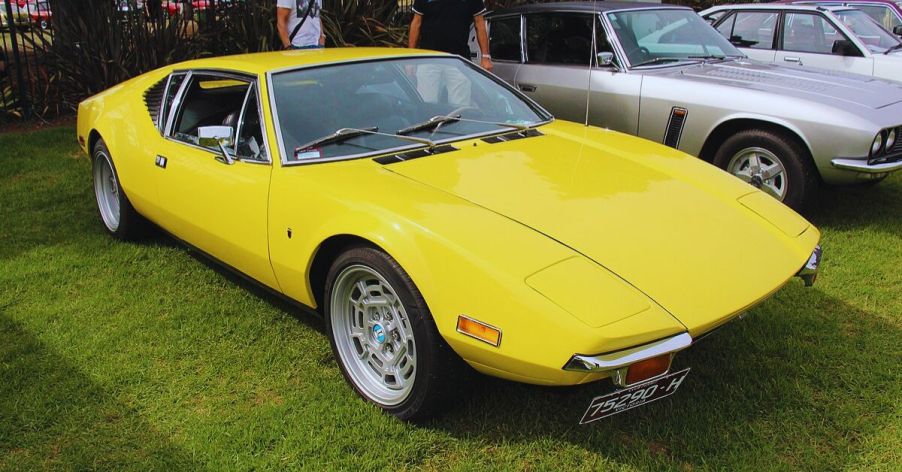
Most ’70s muscle cars came roaring out of Detroit, but one of the coolest had Italian roots and a passport from Modena. The De Tomaso Pantera looked like a Ferrari and hit American streets through Lincoln-Mercury dealers. It was fast and built differently. Want proof this exotic brute belonged in muscle car history? Here are 10 solid reasons the Pantera earns its spot on the list.
Designed By An American At An Italian Coachbuilder
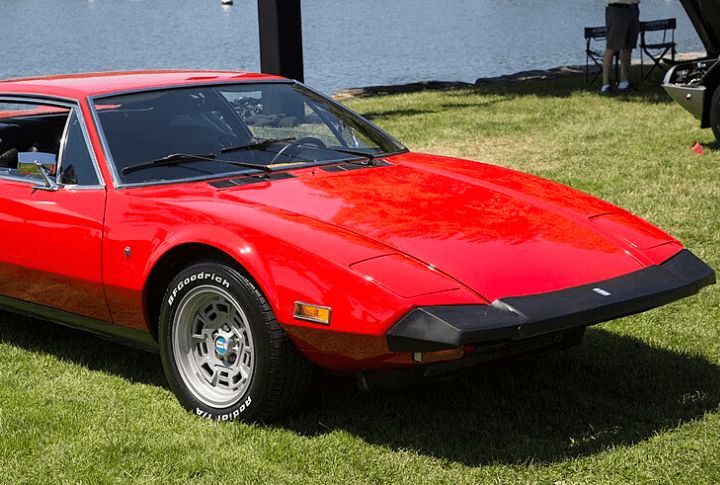
The Pantera’s body was styled by Detroit-born Tom Tjaarda while working at Italy’s Ghia design house. His work merged American muscle proportions with European curves. This design decision gave the Pantera its exotic look while appealing directly to consumers familiar with bold, aggressive styling.
Engineered With A Ford V8 Heart

Under the rear deck sat a 351-cubic-inch Ford Cleveland V8, producing around 330 horsepower. This engine gave the Pantera USA-style muscle with parts easily serviced in the U.S. The blend of Italian design and domestic power made it practical for drivers.
Built-In Modena Alongside Italian Legends
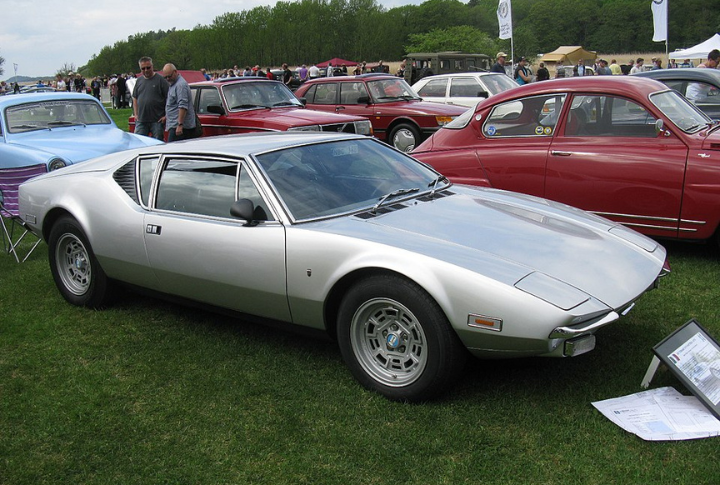
The Pantera was manufactured in Modena, Italy, alongside cars from Ferrari and Maserati. This location wasn’t just symbolic; it meant access to Italy’s top automotive engineering and skilled craftsmanship. The car’s Italian build quality set it apart from other American cars of the time.
Sold Through Lincoln Mercury Dealerships
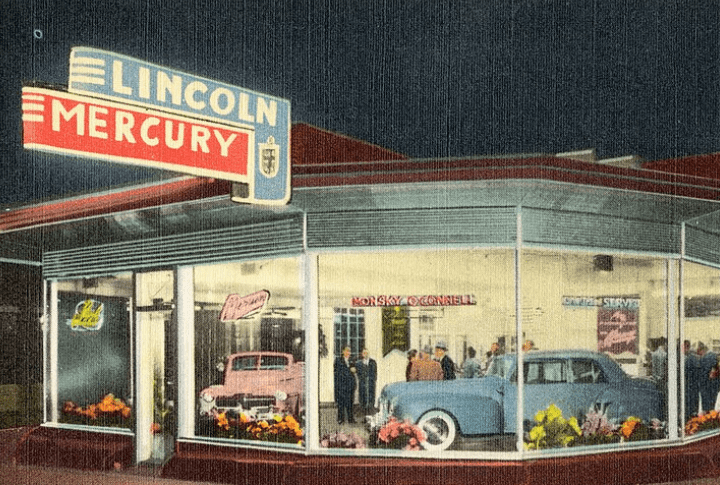
Ford partnered with De Tomaso to sell the Pantera through Lincoln-Mercury dealers in the U.S. from 1971 to 1975. This gave buyers access to an Italian sports car without visiting a boutique showroom and made it one of the most widely available foreign-built cars.
Mid-Engine Layout Ahead Of Its Time

Unlike most front-engine American muscle cars, the Pantera featured a mid-engine setup. The design placed the engine behind the seats, improving balance, handling, and traction. It offered driving dynamics closer to a Ferrari than a Mustang. It gave U.S. drivers a new kind of performance experience.
Performance That Rivaled Supercars
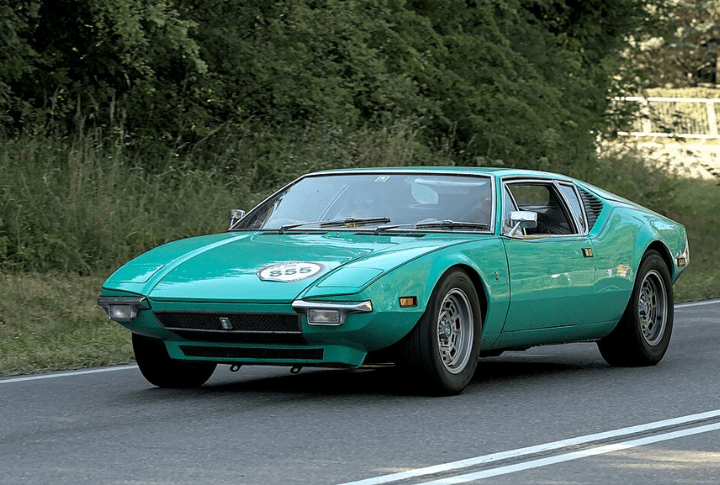
Clocking 0–60 mph in about 5.5 seconds, this muscle car ran with the Ferrari and Lamborghini of its day. Its top speed approached 160 mph. Though it came from an Italian shop, the Pantera delivered raw horsepower and exotic car acceleration, making it a standout on both continents.
Used Racing Knowledge From Alejandro De Tomaso
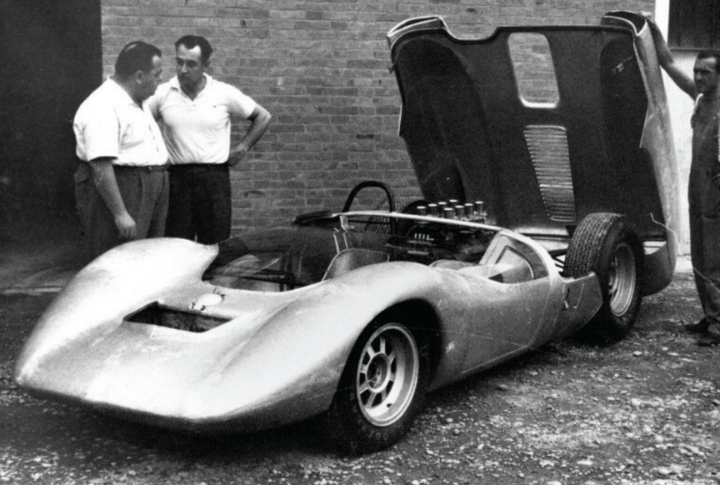
Alejandro De Tomaso wasn’t just a company founder—he was a former Formula One driver. That experience shaped how the Pantera handled and responded to stress. His focus on mid-engine balance and aerodynamics added a layer of race-proven engineering missing from most cars of the time.
Featured In Pop Culture And Celebrity Ownership
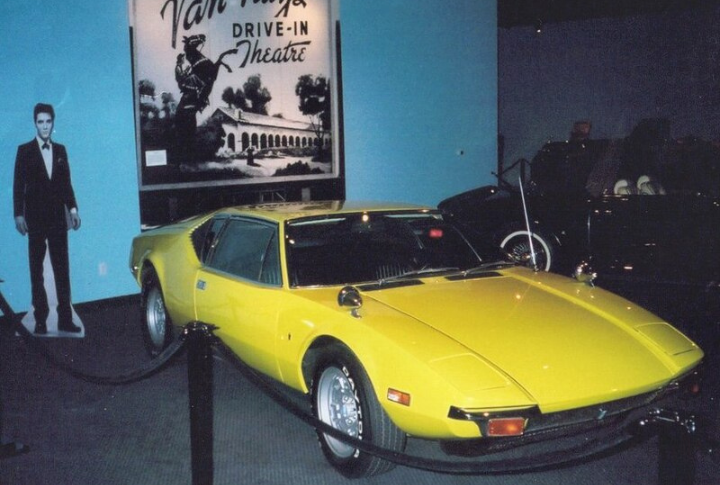
Yes, the Pantera was rare, but it was loud enough for legends. Elvis Presley famously owned one and even shot it when it wouldn’t start. Its unique design and Hollywood ties helped cement its place in American pop culture as a rebellious, exotic oddball with muscle.
Adopted European Braking And Suspension Systems
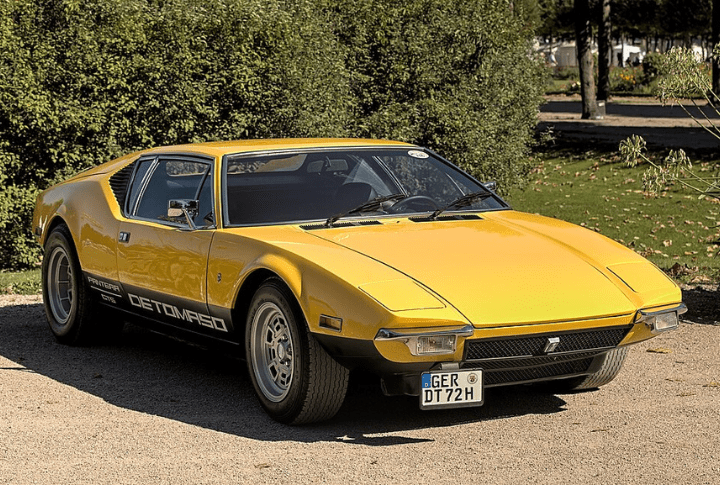
Where most muscle cars relied on brute force, the Pantera added finesse. It used European-style four-wheel disc brakes and a racing-inspired suspension. That meant sharper turns, shorter stops, and a level of precision few cars could match. The car’s engineering showed an unmistakable Italian performance influence.
Limited Production Enhances Its Rarity
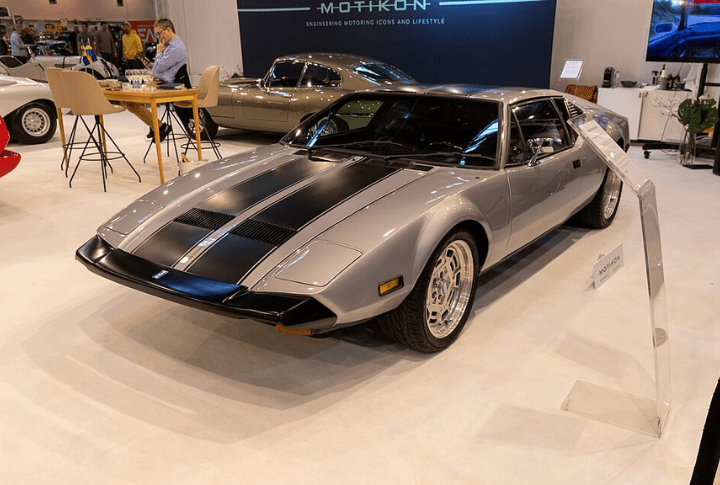
Only about 7,000 Panteras were made during their main production run. Low volume meant fewer replacement parts but boosted collectibility. Unlike mass-market muscle cars, this was a boutique machine with global DNA. Today, that rarity makes surviving Panteras prized by collectors looking for something different.