Ways You’re Hurting Your Tires Without Realizing It
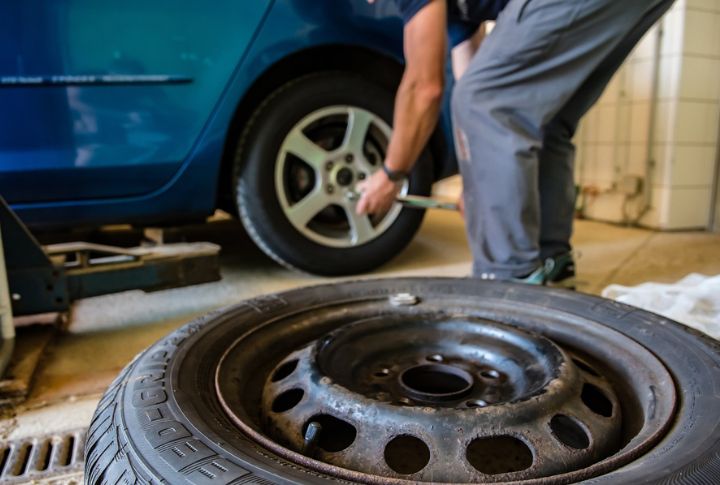
Tires are often overlooked until something goes wrong, yet they play a critical role in keeping us safe on the road. These four contact points endure significant stress, sometimes caused by our own habits. If they could speak, they’d likely have a few suggestions for better care.
Driving on Underinflated Tires
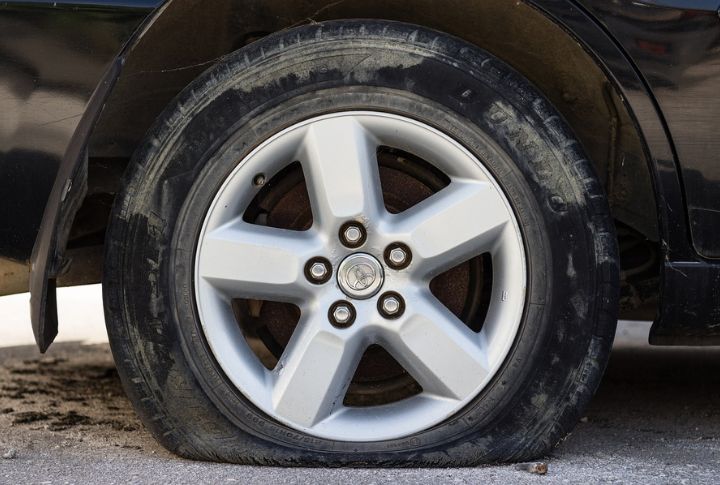
Most drivers can’t tell when their tires are running low on air. This silent pressure drop creates excess friction and heat, making tires flex more than they should. The rubber wears faster along the edges while the car burns extra gas pushing through.
Overloading Your Vehicle

Carrying too much weight puts your tires under immense strain. Overloading stresses the sidewalls beyond their design limits, causing gradual internal damage that may not be visible but heightens the risk of sudden and potentially life-threatening tire failure.
Skipping Tire Rotations
Front and rear tires wear differently based on whether your car pulls or pushes. Left unchanged, some tires shoulder more road stress than others. This uneven wear pattern means replacing tires sooner—and usually in pairs rather than singles.
Dry Steering
Turning the wheel while your car sits still seems harmless enough. But this common parking lot move actually grinds tire rubber against asphalt. The friction creates premature wear spots that grow worse over time. While not as bad as others on the list, if you do this often, then be ready to pay the price.
Ignoring Wheel Alignment
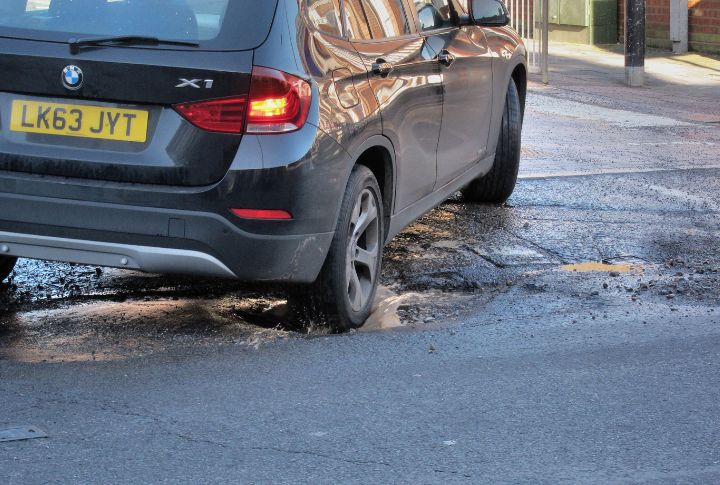
Bumping curbs and hitting potholes knocks wheels out of alignment over time. Even slight misalignment causes tires to drag, and they are worn unevenly. Once this uneven wear starts, no amount of tire rotation can reverse the damage.
Driving Over Potholes at Speed
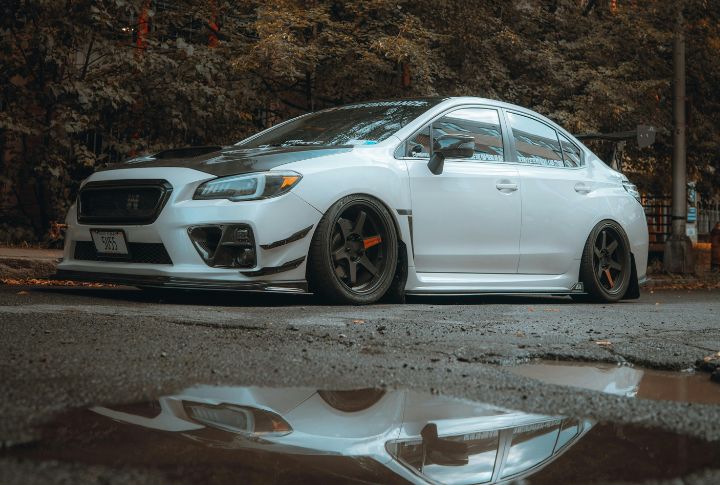
Impact damage hits harder than most realize. When tires slam into potholes at speed, their internal structure can suffer invisible damage. Worse? You may get into an accident. These hidden weak spots grow worse over time, which leads to bulges or sudden failures months later.
Frequent Hard Braking
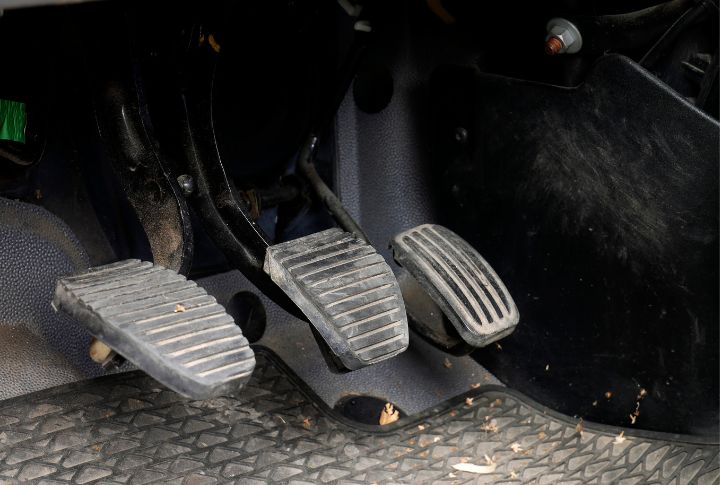
Drifting enthusiasts note that emergency braking does more than just stop your car. It causes high levels of heat and friction, leaving flat spots on the tires and gradually compromising the integrity of the rubber’s internal structure.
Using Wrong Tires for Terrain
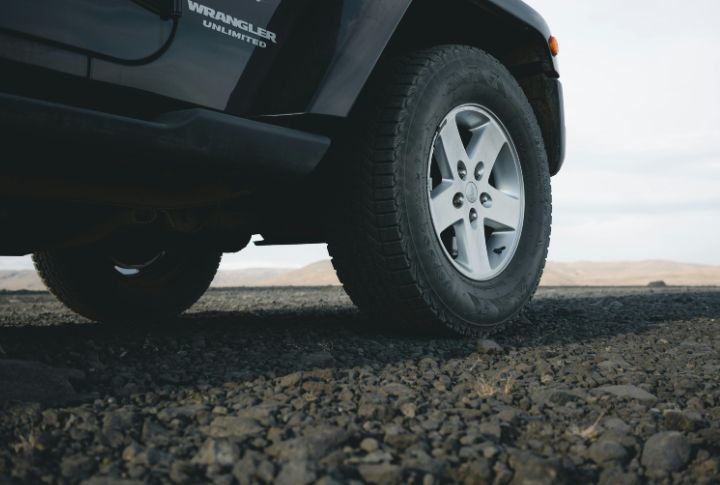
Using the wrong tires for the terrain can lead to poor performance and increased wear. Off-road tires on highways create excessive noise and drag, reducing fuel efficiency, while road tires on rough terrain lack the grip needed for safety, risking punctures and damage.
Excessive High-Speed Driving

Those long stretches of empty highways tempt many drivers to push their limits. But sustained high speeds do more than eat up gas—they break your tires from within. As rubber temperatures climb past safe limits, internal damage quietly builds, compromising tire integrity.
Ignoring Seasonal Tire Changes

Would you wear sandals in the snow? Then why put your car through the same mismatch? Forcing summer tires through winter or winter tires through summer exposes the rubber to temperatures it can’t handle. The wrong tires mean harder rubber, poor grip, and faster wear, putting safety and performance at risk.