10 V4-Engine Cars That Deserve A Second Look
The V4 engine is a rare but fascinating powerplant that has been used in a handful of production cars. While inline-four engines became the standard for compact vehicles, the V4 offered unique advantages, like better weight distribution. Despite their merits, some were overshadowed by more conventional engine configurations. So, let’s take a look at ten impressive V4 cars that deserve more appreciation today.
Ford Transit Mk1 (1965–1978)
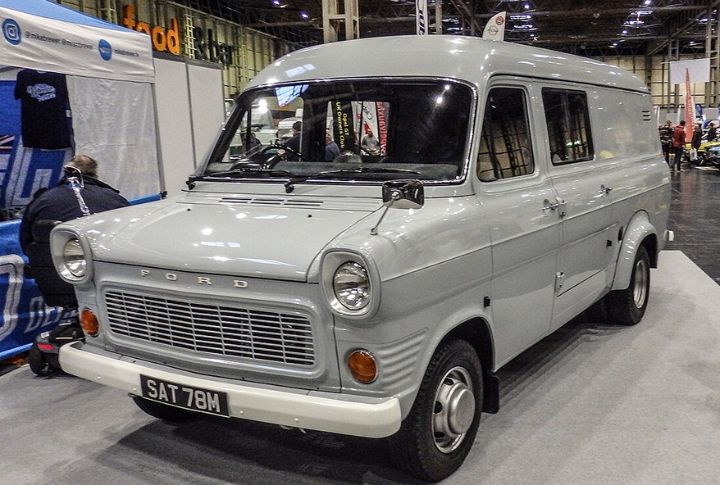
The first-generation Ford Transit Mk1 was a game-changer in the commercial van segment. It offered a 1.7L or 2.0L Cologne V4 engine, delivering up to 85 horsepower. The V4 engine was chosen for its compact size, allowing for a more spacious cargo area while still maintaining a short front end.
Saab 96 (1967–1980)
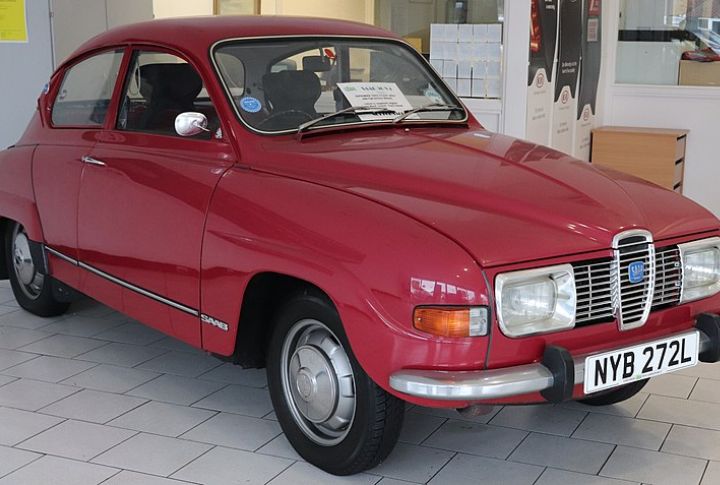
Though the Saab 96 started life with a two-stroke engine, it later transitioned to a 65-horsepower 1.5L Ford Taunus V4 in 1967. This change significantly improved reliability and performance. Its lightweight construction, front-wheel-drive layout, and aerodynamic shape also made it a strong performer in rallying.
Ford Taunus 12M (1962–1970)
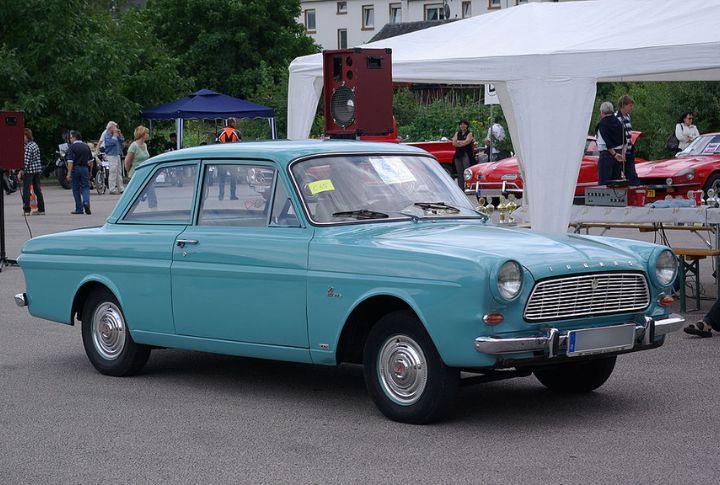
This vehicle was one of the first production cars to feature the Cologne V4 engine. It has available 1.2L to 1.7L displacements and balanced fuel efficiency and performance. Its V4 engine was compact, improving weight distribution and handling. Some critics overlook the Taunus in favor of later Ford models.
Saab Sonett III (1970–1974)
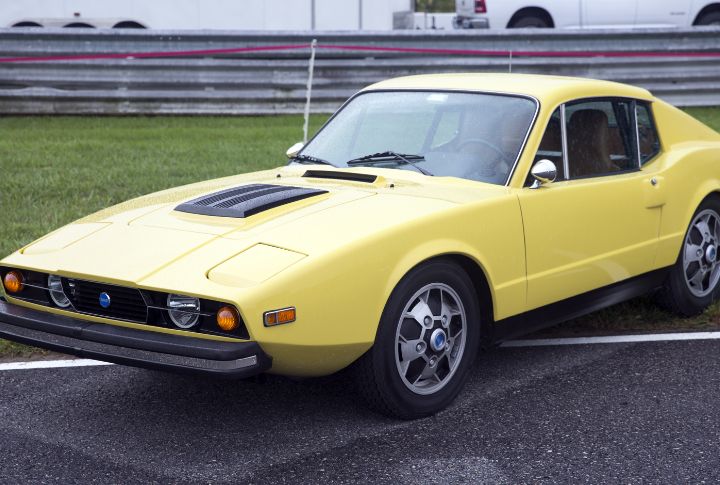
Powered by the 1.7L Ford V4 engine and producing 65 horsepower, the Saab Sonett III excelled as a Swedish sports car. Its fiberglass body kept weight low, allowing it to be a nimble and fun-to-drive vehicle. Unfortunately, its limited production and niche appeal meant it was never widely recognized outside of Saab enthusiasts.
Matra 530 (1967–1973)
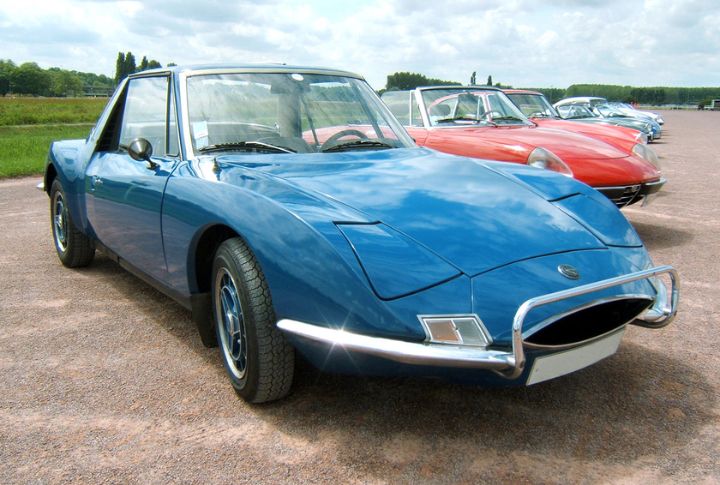
The Matra 530 was a French mid-engine sports car featuring a 70-horsepower 1.7L Ford V4 engine. It was designed as a practical sports car and offered 2+2 seating and a removable targa roof. Despite its low power output, the lightweight chassis and mid-engine layout gave it excellent handling.
Ford Capri 1700 GT (1969–1974)
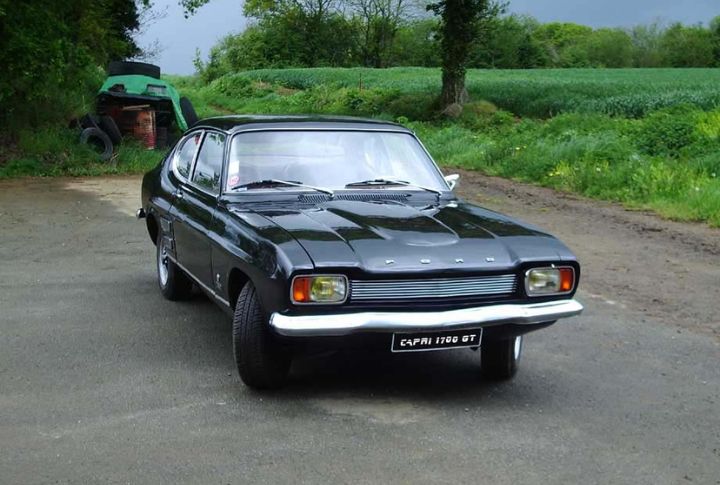
Early Ford Capri 1700 GT releases had a 1.7L Cologne V4 engine capable of 75 horsepower. This European-market version was positioned as an entry-level sports coupe. While later Capri models with inline-four and V6 engines became more popular, the V4 variant provided a good balance of efficiency and performance.
Saab 95 (1967–1978)
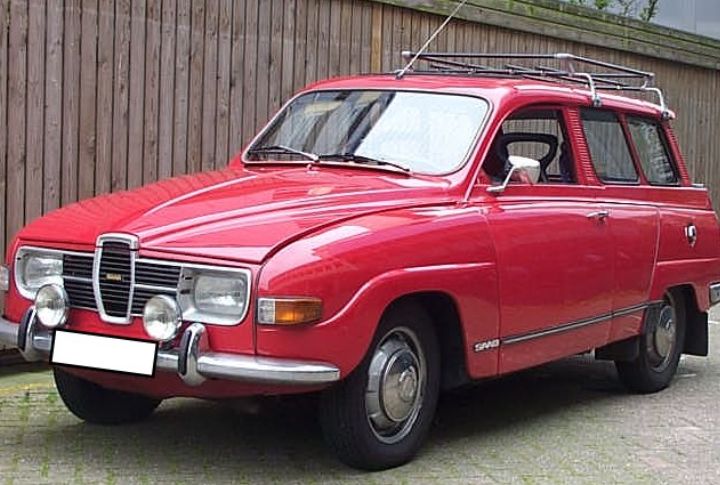
With similar engine specifications as the Ford Taunus V4, the Saab 95 station wagon variant of the Saab 96 combined practicality with a compact yet spacious design. Its front-wheel-drive setup and sturdy construction were reliable and well-suited for winter driving. Saab’s quirky designs often limited its mainstream appeal, but the 95 remains a hidden gem among enthusiasts.
Ford Consul V4 (1964–1972)
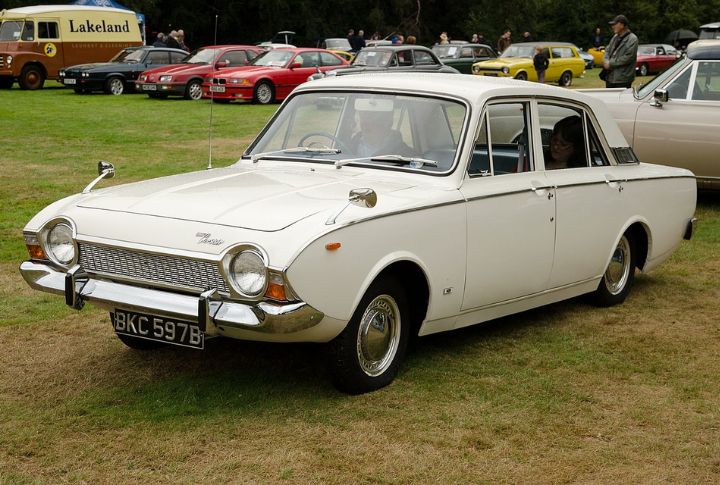
The Ford Consul V4 was a British executive car featuring a 2.0L or 2.5L V4 engine, producing up to 112 horsepower. It was designed as a more compact alternative to larger Ford models while still offering comfort. Though smooth and torquey, the V4 engine wasn’t as well-received as the inline-six used in later models.
Lancia Fulvia (1963–1976)
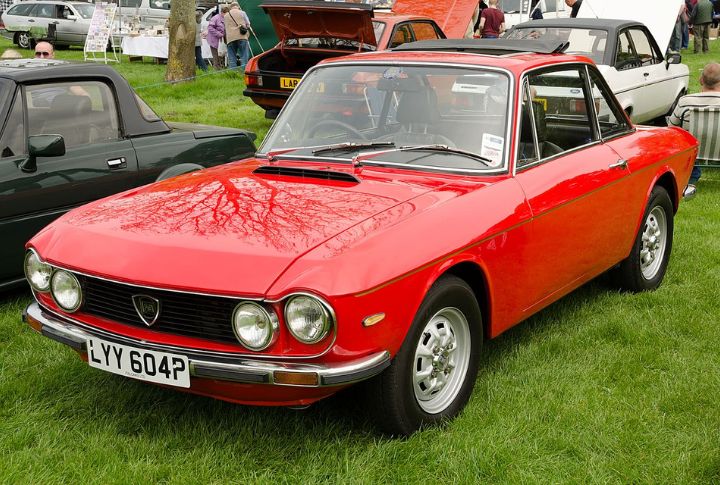
This beautifully crafted Italian car featured a 1.1L to 1.6L narrow-angle V4 engine capable of 115 horsepower in the sportier HF models. Its front-wheel drive was unusual for performance cars at the time, yet it handled exceptionally well. The Fulvia became a legend in motorsports, winning the 1972 International Rally Championship.
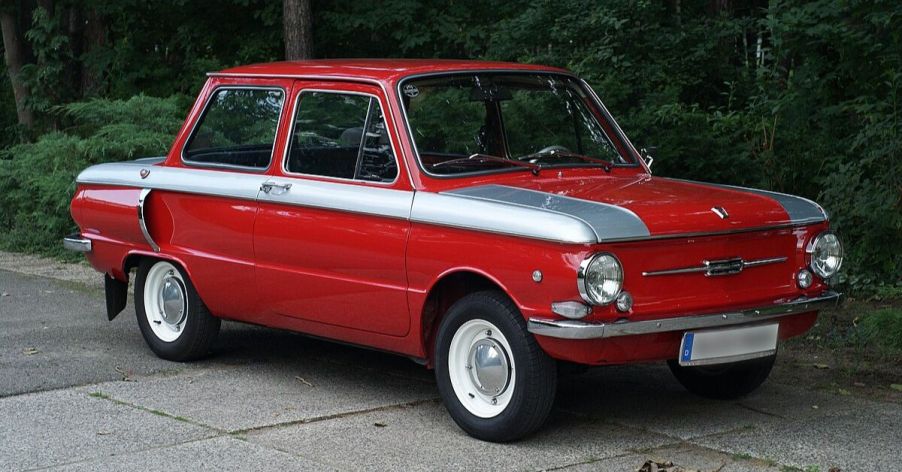
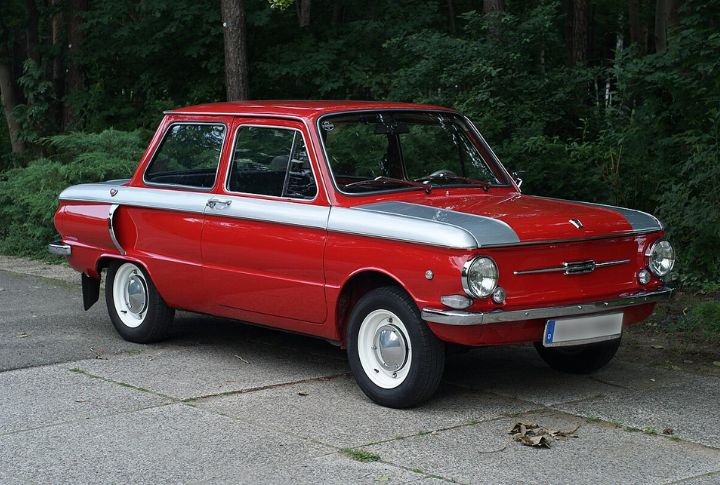
ZAZ-968 (1971–1994)
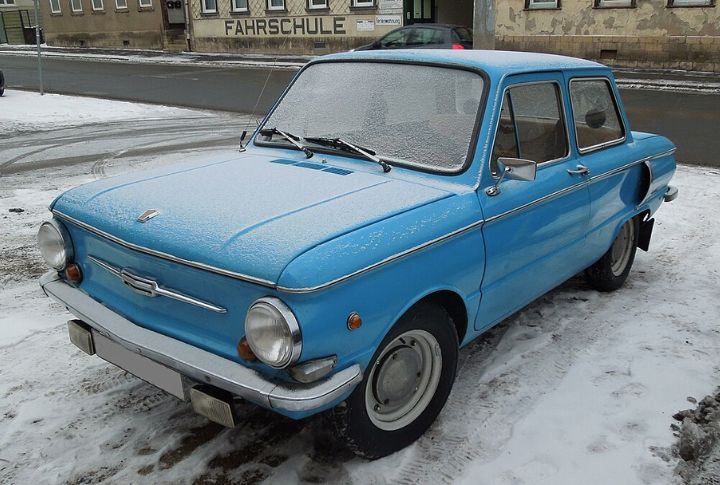
Produced in the Soviet Union, this car featured a 1.2L air-cooled V4 engine, making it one of the most unique V4-powered cars. The design was affordable and durable for Soviet citizens, offering basic transport with 40 horsepower. While not a performance car, the ZAZ-968 gained a reputation for its rugged simplicity and ease of maintenance.