10 Underrated Porsches That Helped Shape The Brand
Some Porsches never grabbed headlines, but that doesn’t mean they lacked brilliance. These underrated models quietly pushed boundaries, introduced bold engineering, or simply got overshadowed by louder siblings. Each one has a story worth revisiting, especially if you love the cars that flew just under the radar.
Porsche 912
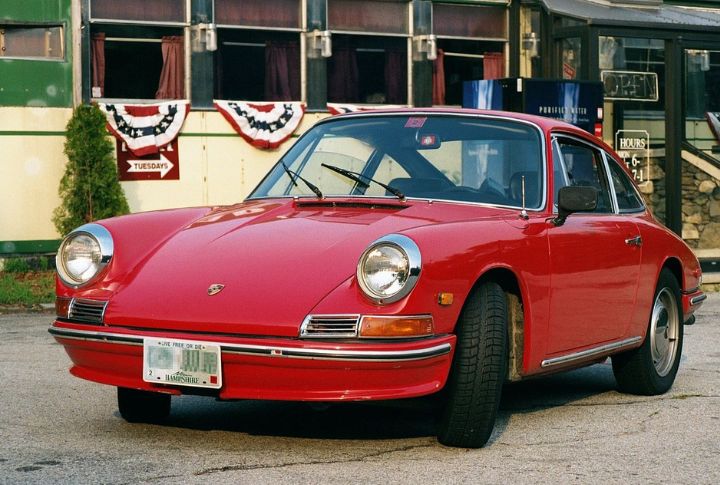
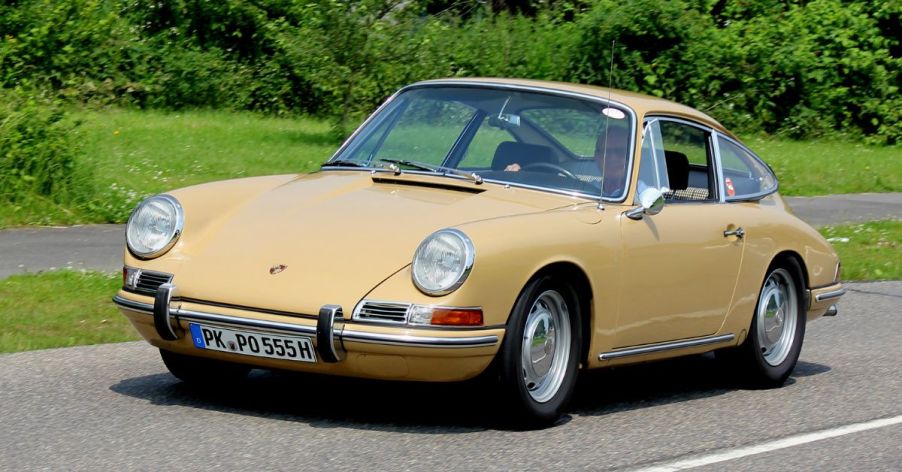
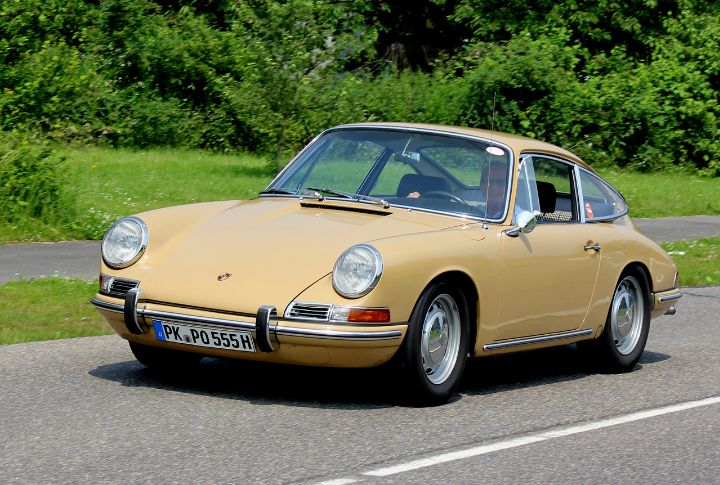
Small yet purposeful, the Porsche 912 built its name quietly beside flashier siblings. Introduced in 1965, it packed a 1.6-liter four-cylinder engine producing 90 horsepower. Nimble and lighter than the 911, the 912 became the hidden hero for drivers who preferred precise control over pure brute strength.
Porsche 968
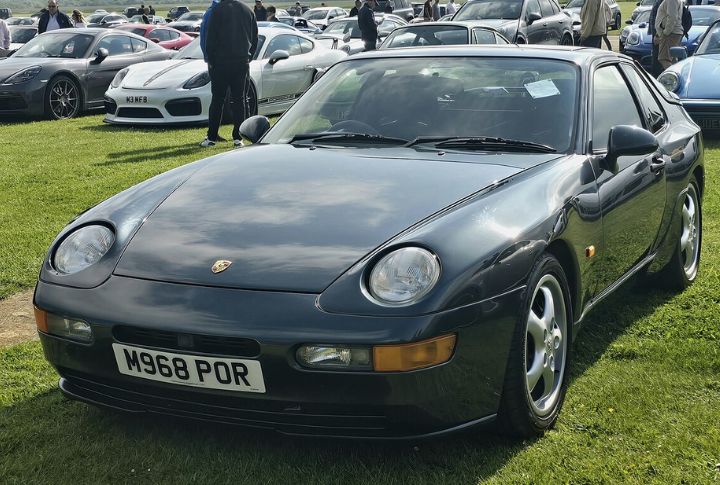
Stretching Porsche’s transaxle legacy to its peak, the 968 introduced technical refinement with a 3.0-liter engine, an advanced Variocam timing system, and a beautifully balanced chassis that helped it deliver one of the brand’s purest front-engined driving experiences. It never stole the spotlight, but its production ended quietly in 1995 and closed the chapter on a truly underrated model.
Porsche 914
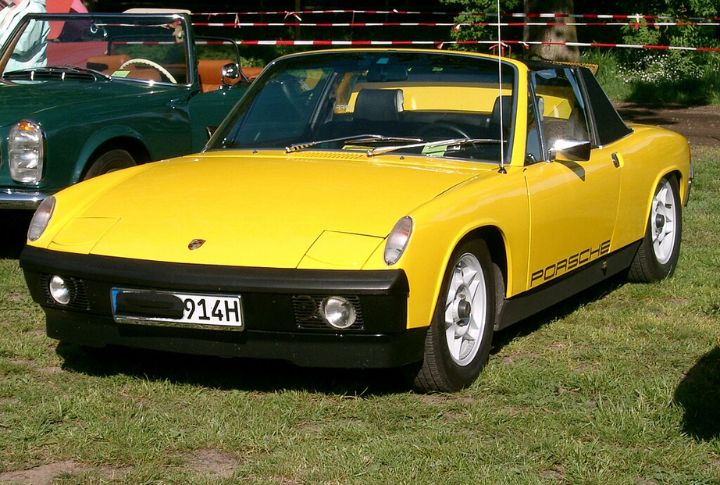
Could a joint project with Volkswagen ever win Porsche purists over? The Porsche 914 debuted in 1969 with a 1.7-liter flat-four and a light, mid-engine structure. While European fans embraced its unique dynamics, American markets stayed cautious, letting this spirited machine drift out of the spotlight.
Porsche 911 Carrera 993
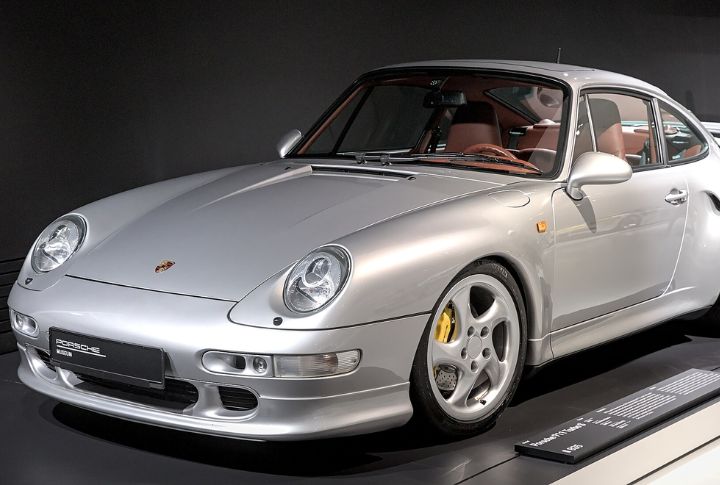
The 993 was Porsche’s bittersweet farewell to the air-cooled era. It preserved the brand’s classic charm while embracing modern advancements like a multilink rear suspension. The result was a beautifully balanced machine that blended tradition with progress, just before newer, more attention-grabbing models began to redefine the brand’s direction.
Porsche 924
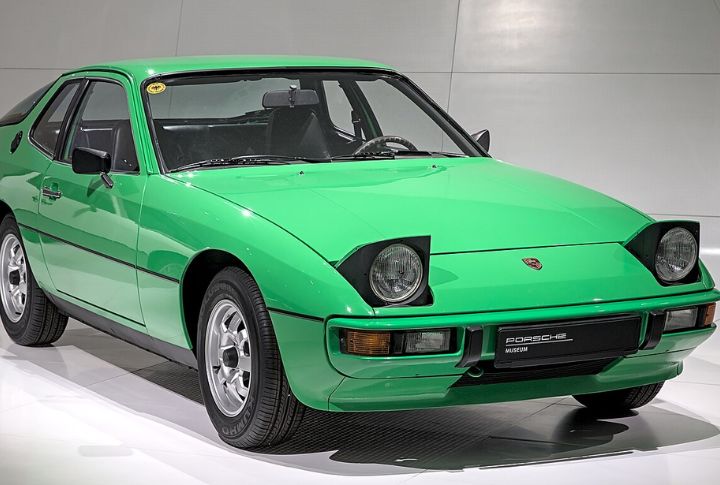
Hidden under its familiar lines, the 924 quietly transformed Porsche’s engineering approach during the late 1970s. A front-mounted 2.0-liter inline-four and rear transaxle delivered a surprising balance. Even though it helped stabilize Porsche’s future, the 924 lacked racing pedigree, which let it slip under the radar for decades.
Porsche Cayman 987
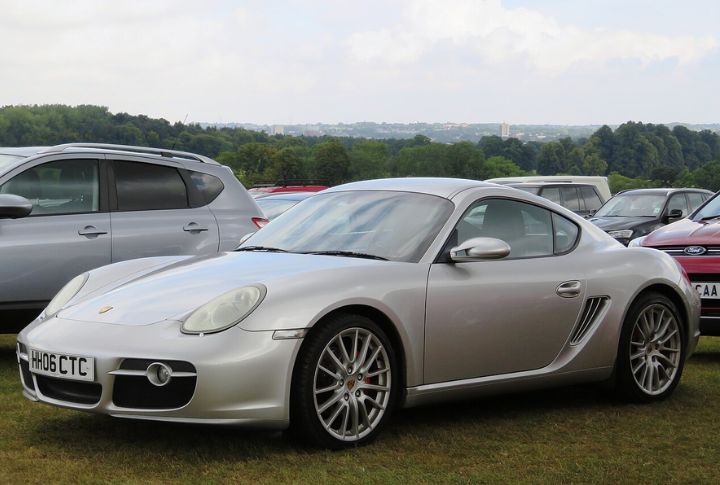
The Cayman 987 refined Porsche’s approach to mid-engine balance, delivering sharper handling and tighter control for modern drivers. First introduced in 2006 as the 987.1 with a mid-engine design, it featured a 3.4-liter flat-six capable of 295 horsepower. Despite its athletic strengths, it consistently played second fiddle to the higher-profile 911 series.
Porsche Panamera First Generation
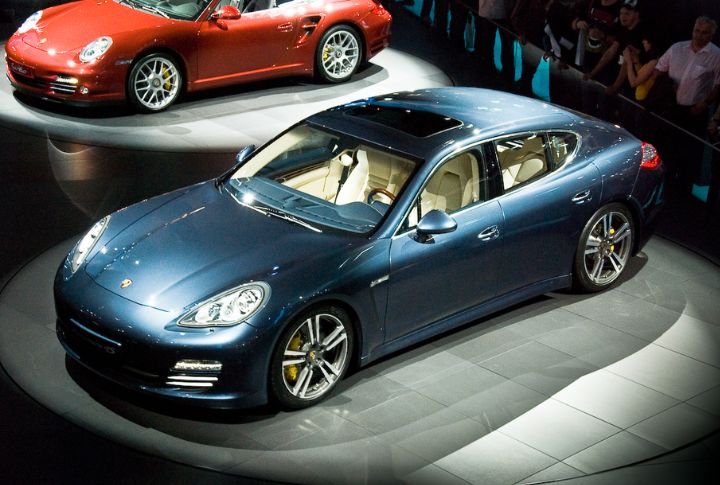
The Panamera’s bold shape challenged expectations while introducing high-speed luxury in a practical form. Launching in 2009, it offered powerful engines, a spacious interior, and sports-sedan handling. Early critiques targeted its appearance, causing some enthusiasts to overlook the Panamera’s impressive engineering beneath the surface.
Porsche 911 Carrera 996
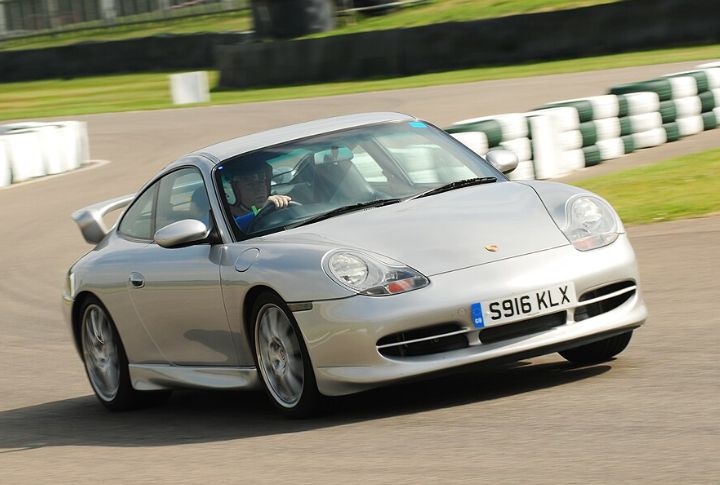
Streamlined design and technical updates made the 996 a lightning rod for change within Porsche’s ranks. Water-cooled engines arrived alongside 320-horsepower performance potential. New aerodynamic styling divided opinions sharply, leading many fans to focus elsewhere even as the 996 quietly modernized the brand’s capabilities.
Porsche 959
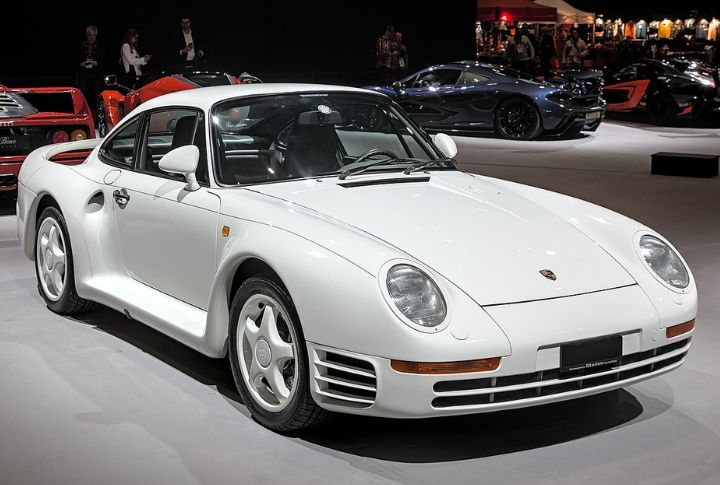
Built with unmatched ambition, the Porsche 959 rewrote the rules of what a supercar could achieve. Twin-sequential turbochargers, advanced AWD, and a top speed of 198 mph set futuristic benchmarks. Limited production numbers and Porsche’s understated promotion hid this technological marvel behind bigger headlines.
Porsche 928
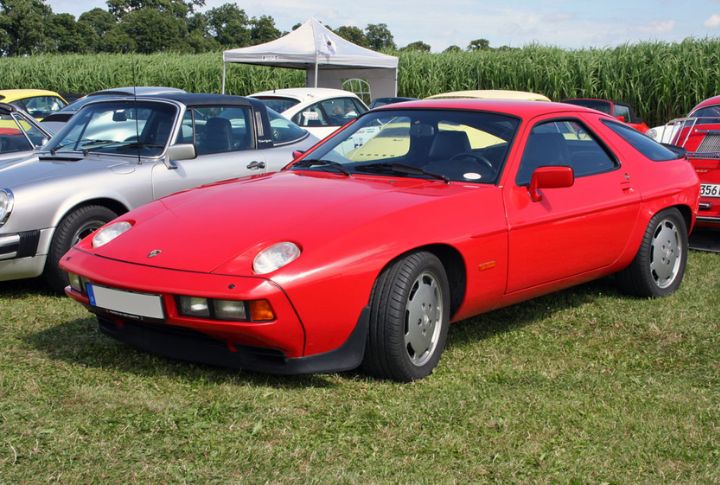
Why did a V8-powered grand tourer make Porsche traditionalists so uneasy? Debuting in 1977 with a 4.5-liter V8 engine, the 928 was designed for comfort and performance. However, despite speeds nearing 150 mph and a European Car of the Year award, it struggled for full acceptance.