20 Truths Behind Motorcycle Club Brotherhoods

Motorcycle clubs built a world most people only glimpse in movies. Underneath the leather and chrome, loyalty runs deep, rules are brutal, and nothing is ever just for show. Here’s what really goes down inside club life—and why it’s nothing like the stories you’ve heard.
Nicknames Are Assigned, Not Requested
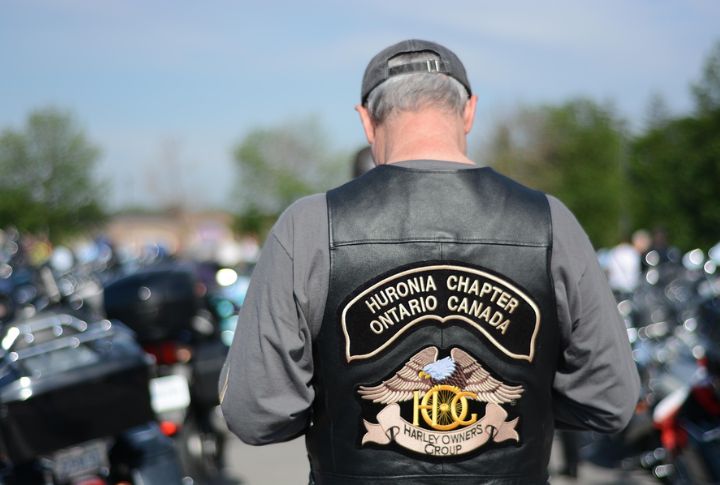
Within club culture, a name isn’t just handed out—it’s forged. You could earn yours after a bar brawl, a mechanical miracle, or a humiliating screw-up no one lets you forget. These names become shorthand for your story, used with reverence or mockery, depending on who’s speaking and what you’ve done.
The “1%” Patch Isn’t Decorative
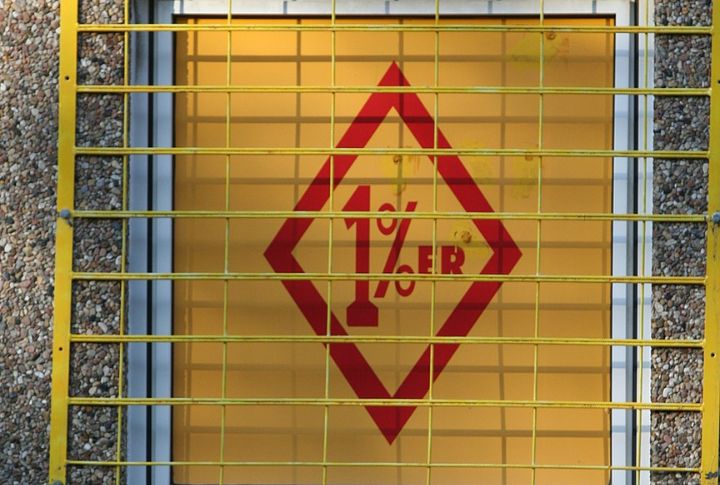
Wearing that diamond-shaped patch is an ideological move. It separates you from weekend riders and signals that your club operates outside the law—and proudly so. It’s also earned through loyalty and action, not aesthetics. In fact, flashing it without permission, or worse, faking it, isn’t just offensive. It’s a liability that can escalate fast.
Club Patches Aren’t Yours To Keep
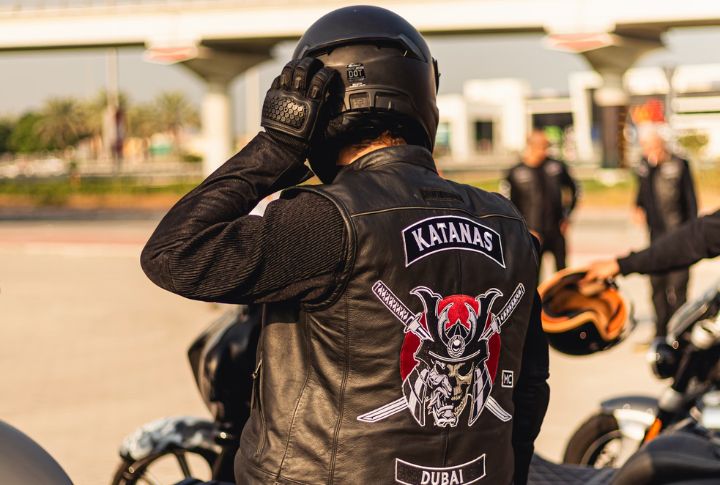
The leather vest might belong to you, but the patches don’t. That stitched logo represents the club’s identity and authority, and if you leave, it comes off. Some clubs handle that formally. Others will rip it off your back, literally. The message is simple: you don’t walk around wearing a past you didn’t respect.
Some Clubs Even Protect Children More Than Law Enforcement
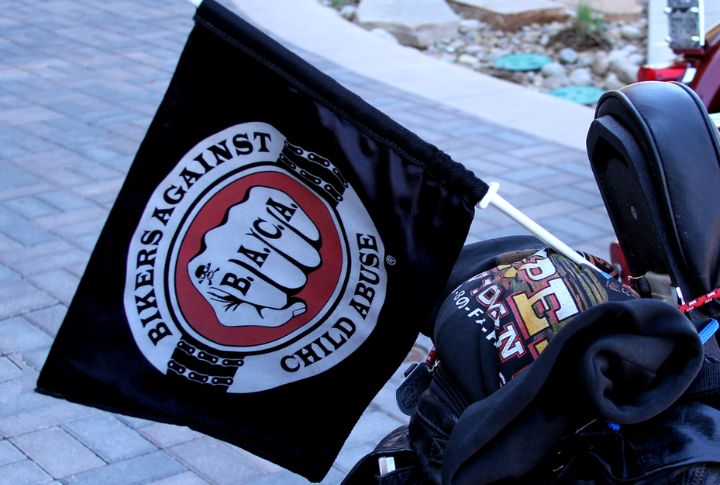
BACA members don’t carry teddy bears for optics. They show up to court with survivors of abuse, sit outside homes overnight, and ensure no one gets re-traumatized. These aren’t “bad boys doing good.” Reputation takes a back seat to responsibility in these clubs; accountability is paramount, especially when it comes to protecting children.
Some Run A Merch Store Like A Global Brand
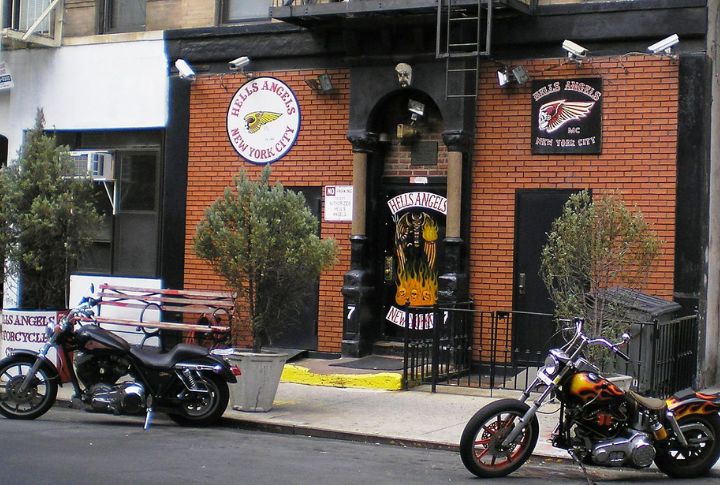
The Hells Angels shop doesn’t look like an underground operation. It’s polished, well-stocked, and ships internationally. Their logo—protected by aggressive trademark law—is one of the most tightly controlled in the world. The e-commerce push helps them control their narrative and protect their image—all while selling hoodies.
The Motor Maids Didn’t Wait For Permission

Long before women were allowed in male-run clubs, the Motor Maids were out riding cross-country in skirts, gloves, and saddle shoes. Founded in 1940, they skipped rebellion and went straight to rewriting the rules. Plus, their presence forced respect because they clocked miles without demanding titles. That’s the difference.
Territory Is Claimed In Thread And Blood
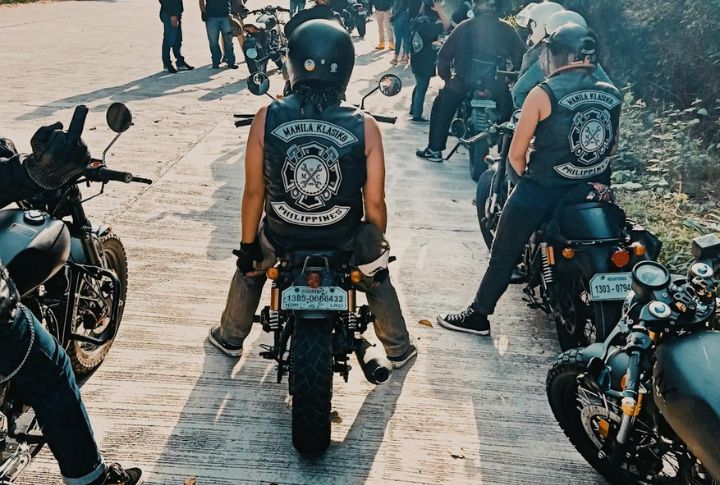
The bottom rocker on a club vest says who controls what turf. Put the wrong city or state on your back, and you’re inviting conflict. Some clubs have gone to war over overlapping regions, and patch placement alone has triggered fatal fights. Geography, in this world, means everything.
Club Meetings Are Mandatory, Full Stop
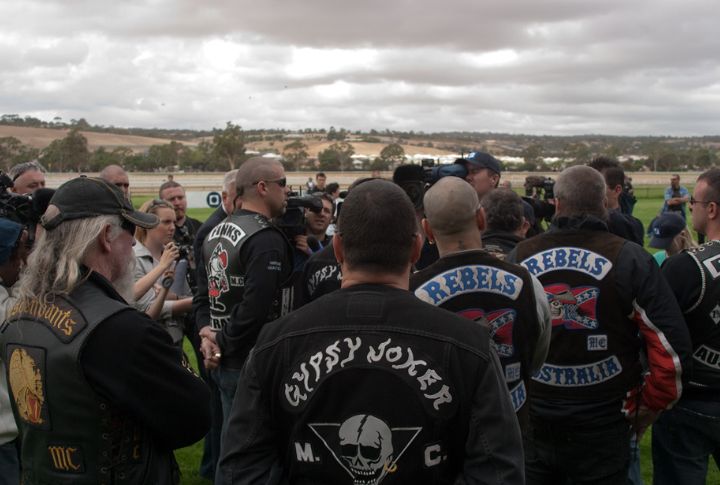
Known as “church,” these weekly gatherings aren’t flexible. Even if you’re not hospitalized, or in custody, you’re expected to show. Miss one without a sanctioned excuse and you’ll answer for it. Attendance is proof that your loyalty runs deeper than excuses, no matter how legitimate they sound.
Hierarchy Isn’t For Show
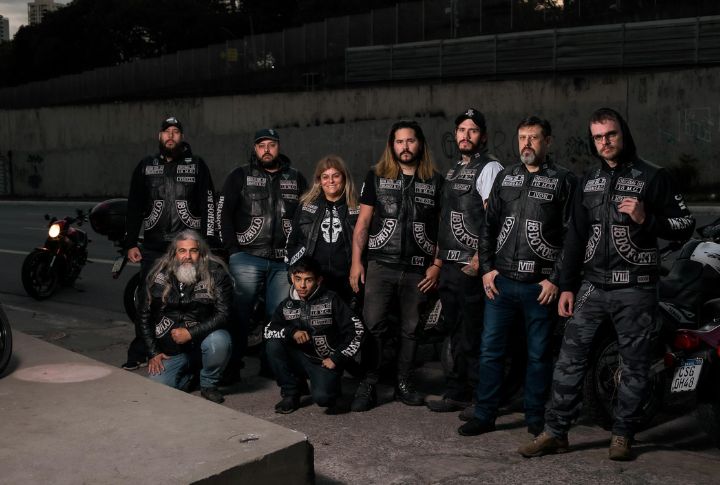
Every patch has a chain of command. Presidents aren’t just figureheads; they negotiate with other clubs, settle disputes, and enforce internal order. Sergeants-at-arms maintain discipline. Road captains control logistics. Even prospects know their place. The structure mirrors military ranks because many clubs were founded by veterans who knew the value of order.
Club Tattoos Come With Conditions
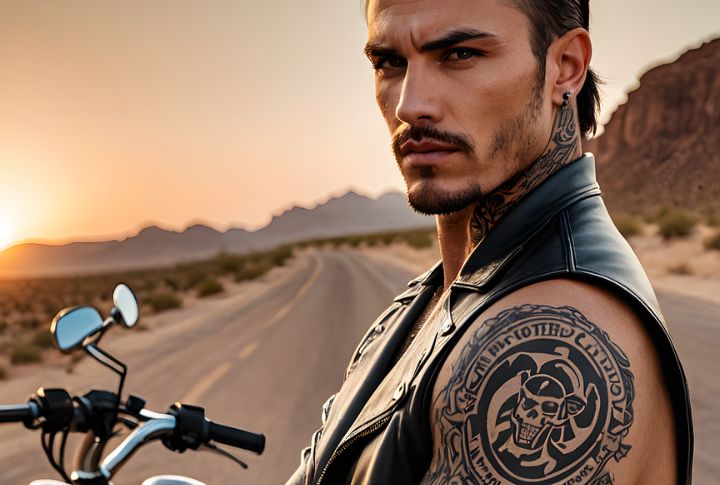
Get the club’s logo tattooed, and you’ve declared lifetime allegiance. Try leaving without removing it, and you’re seen as a thief—wearing property that no longer belongs to you. Removal can be forced if you resist. Yes, they can legally and sometimes violently enforce ownership of your own skin.
Charity Work Doesn’t Always Mean Clean Hands

Some club-hosted charity rides fund shelters and food banks. Others mask trafficking routes or act as PR shields for criminal enterprises. You won’t know which from the flyer. This is a strategy because public goodwill creates breathing room and, when done right, lets certain clubs operate under the radar longer.
Old-School Clubs Still Police Race
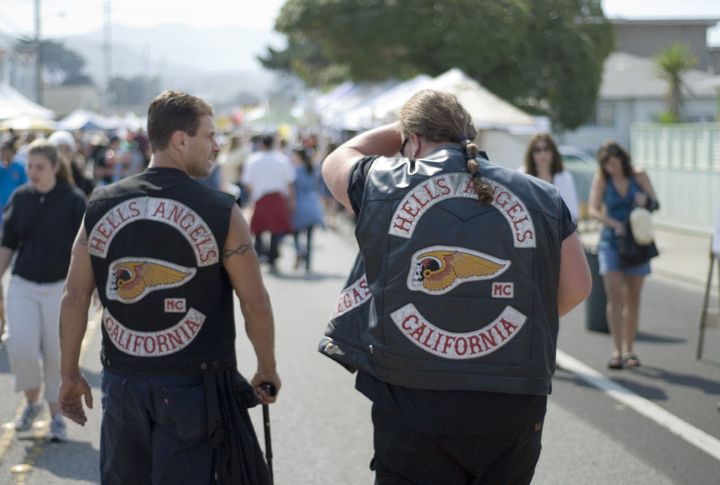
Officially, some clubs claim race doesn’t matter. Unofficially, membership tells a different story. Clubs like the Hells Angels remain predominantly white, and although there’s no formal written policy, so racial gatekeeping still happens. In contrast, clubs like the Mongols—originally formed by Latino riders excluded elsewhere—prove how deep those divides used to run.
Leaving Can Trigger Violence, Not Just Farewells
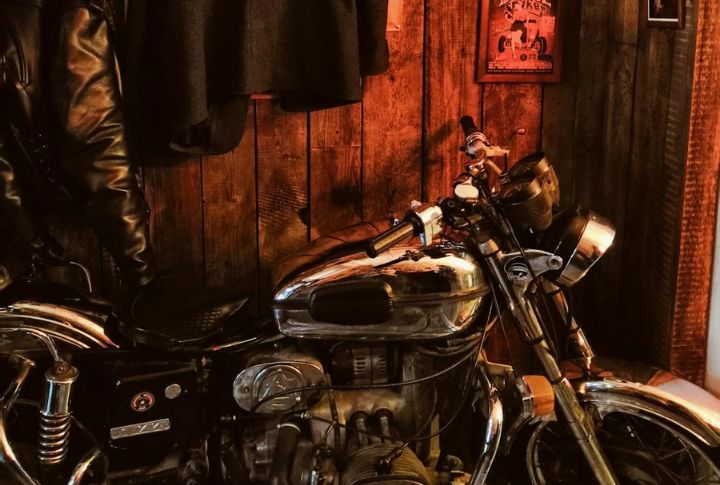
“Out bad” isn’t a label; it’s a sentence. It means you left dishonorably, and in some clubs, that’s enough to greenlight retaliation. Stories of ex-members getting ambushed, losing their bikes, or disappearing completely aren’t urban legends. Quitting doesn’t mean you’re free. It means you’ve lost protection without losing visibility.
Most Clubs Still Put Women In Supporting Roles
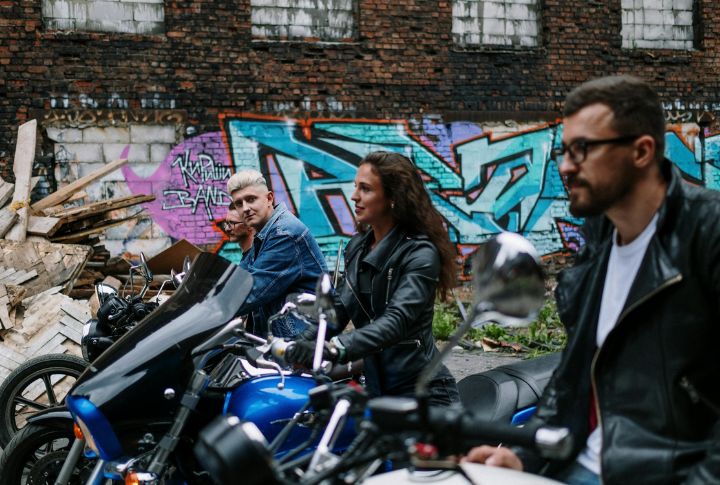
Even clubs that allow female members often keep them structurally sidelined. They may wear patches, but they rarely vote, lead, or hold real authority. In stricter clubs, women are labeled “property” and can’t speak at meetings. The few women-led clubs that do exist are built on resistance, not inclusion.
Cross-Gang Shootouts Don’t End With Headlines Anymore
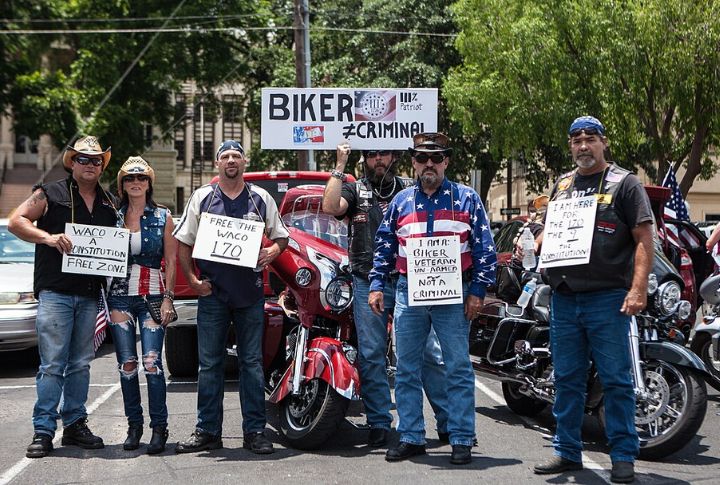
The Waco Twin Peaks shootout wasn’t a random explosion—it was years of bad blood finally boiling over between the Bandidos and Cossacks. Nine dead, 18 wounded, dozens arrested—most carrying weapons they legally owned. These club wars didn’t end; they just slipped out of sight, trading chaos for cold calculation.
Veterans Used Clubs To Rebuild Their Identity
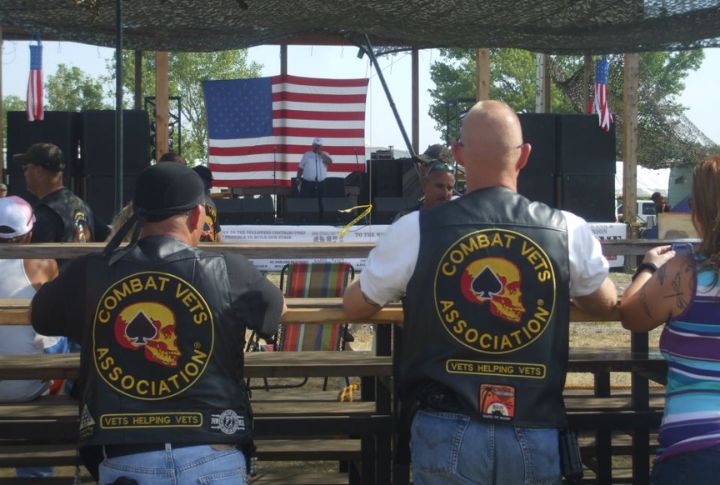
After WWII, Korea, and Vietnam, many combat vets struggled to reintegrate. Motorcycle clubs offered routine and camaraderie—minus the military chain of command. Leather jackets replaced uniforms, but the discipline stayed. These clubs became the survival tools for men trained to follow a mission.
Prospect Hazing Pushes You To The Edge
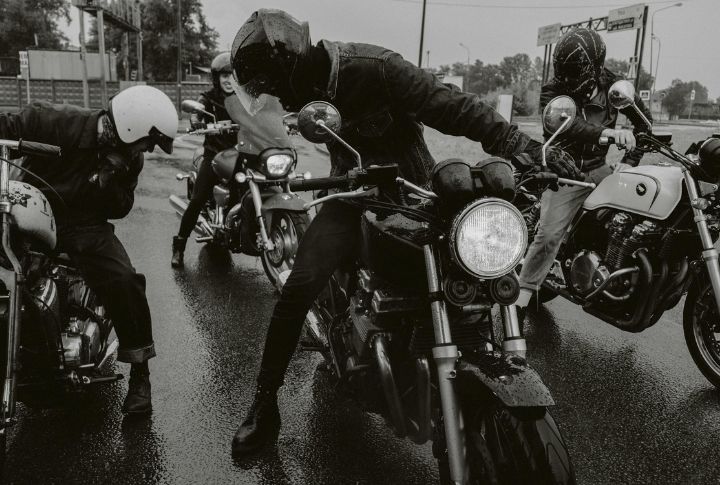
Hazing isn’t a harmless prank. It’s a stress test designed to humiliate, exhaust, and pressure you until you either snap or prove you can be trusted under duress. The stories vary—sleep deprivation, forced rides, even staged arrests—but the goal is the same: break your ego before you earn your patch.
Altamont Still Haunts Club History

Altamont in 1969 was meant to be the West Coast’s answer to Woodstock. Instead, one fan was stabbed to death by a Hells Angels member on camera while the Rolling Stones played “Under My Thumb.” The band never recovered its innocence, and the Angels never again served as security for a mainstream event.
Hand Signals Keep Riders Alive

Motorcycle hand signs are more than polite gestures. They’re essential survival tools—especially in clubs that ride in formation. A raised hand might mean a slow down, a foot out signals debris, and a circling motion means tightening ranks. Every rider learns them. Misreading one on a 70mph highway can end in a hospital visit.
Support Clubs Absorb The Blowback
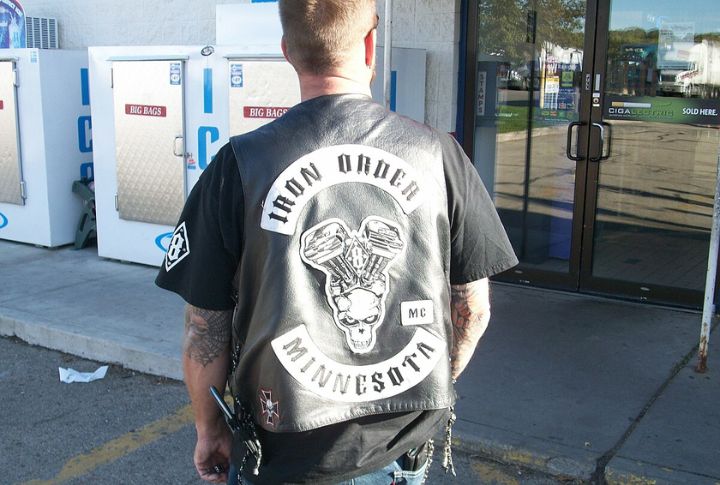
Support clubs like the Black Pistons and Iron Order act as enforcers for larger clubs such as the Outlaws. They manage tough tasks like retaliation and transportation, allowing the main club to stay under the radar. These smaller groups often consist of younger, more eager members, making them unpredictable and volatile.