20 Trailblazing Trucks That Powered America’s Progress
Trucks have powered America’s growth for over a century, yet not every model gets the recognition it deserves. Some revolutionized design, others carried the nation through wars, and a few quietly changed transportation forever. Hidden behind the spotlight, here are 20 trucks that built the country.
1899 Winton Motor Carriage
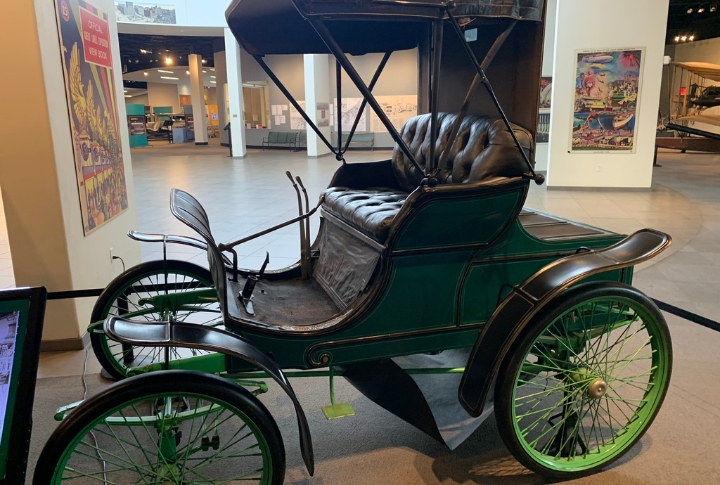
Back when roads were dirt paths and horses dominated transport, Alexander Winton introduced one of America’s first trailer trucks. This innovation signaled the shift from horse-drawn freight to motorized hauling. Although its mile range was modest, it laid the groundwork for today’s freight industry.
1905 Mack Brothers Truck
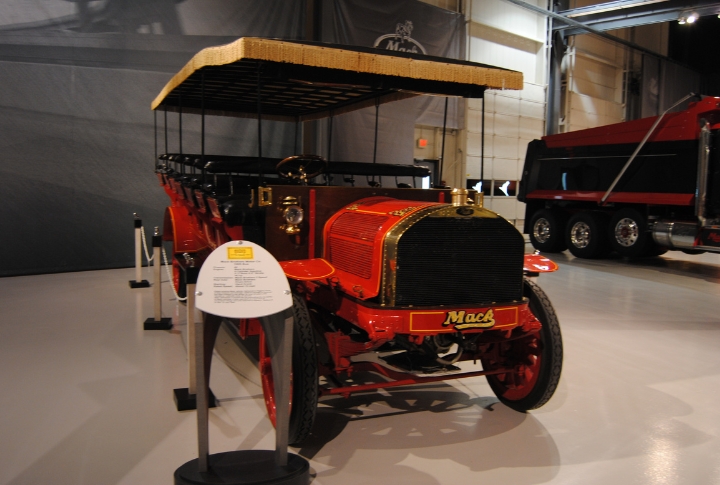
While Mack initially made buses, it soon pivoted toward rugged work trucks. This transition was a pivotal moment, as it established the company’s reputation for dependability. By the 1920s, its trucks were so resilient that they earned the “Bulldog” nickname, a title that remains iconic today.
1918 Chevrolet 490 Series Half Ton
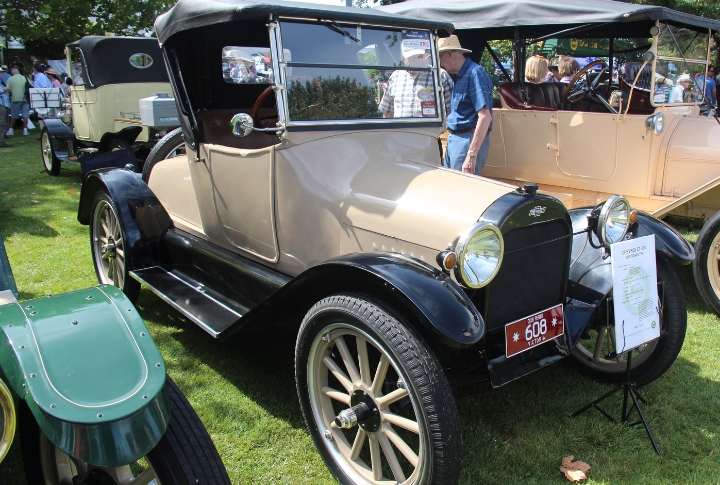
Rather than selling a fully built pickup, Chevrolet took a different approach with its 490 Series, offering a chassis-only model. This meant buyers could customize their own cab and truck bed. This truck wasn’t the first pickup, but it demonstrated how trucks could be tailored to individual needs.
1925 Ford Model T Roundabout
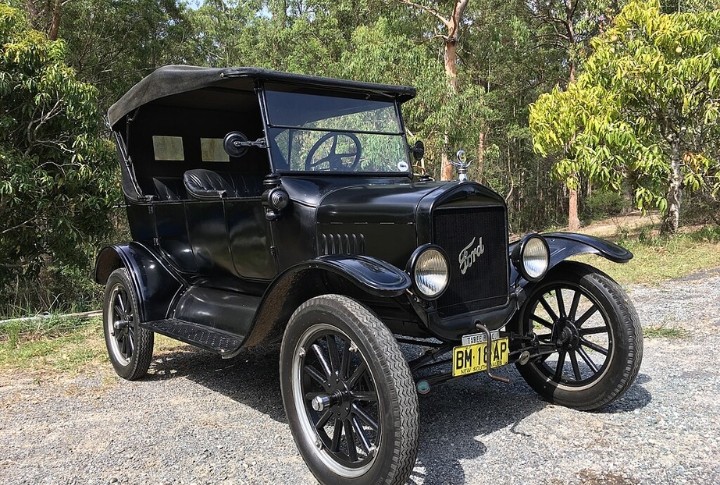
Ford recognized that workers needed trucks built for real labor, not just modified passenger cars. That’s why it launched a factory-built pickup, simplifying transport for businesses and farmers alike. The impact was undeniable—over 15 million Model Ts were produced, and many were adapted for tougher jobs.
1940 Dodge Airflow Truck
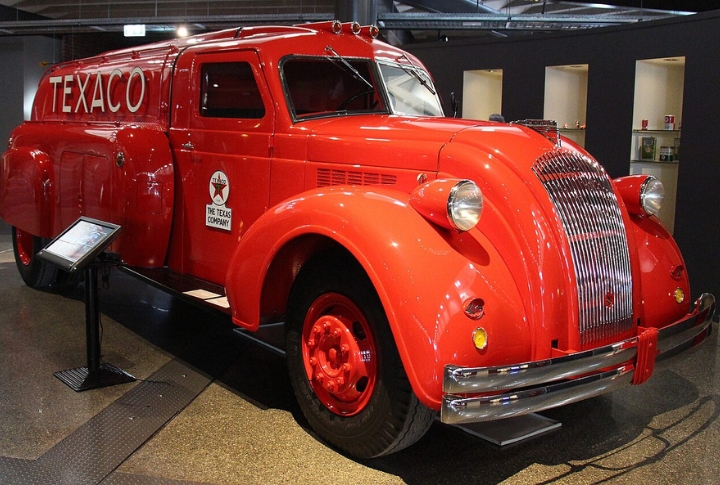
Most trucks of the era had a boxy design, but Dodge saw an opportunity to innovate. Instead of following tradition, the company introduced a sleeker, aerodynamic truck meant to improve fuel efficiency and speed. The transport companies admired its function, and drivers found its futuristic look unusual.
1942 GMC CCKW “Jimmy”
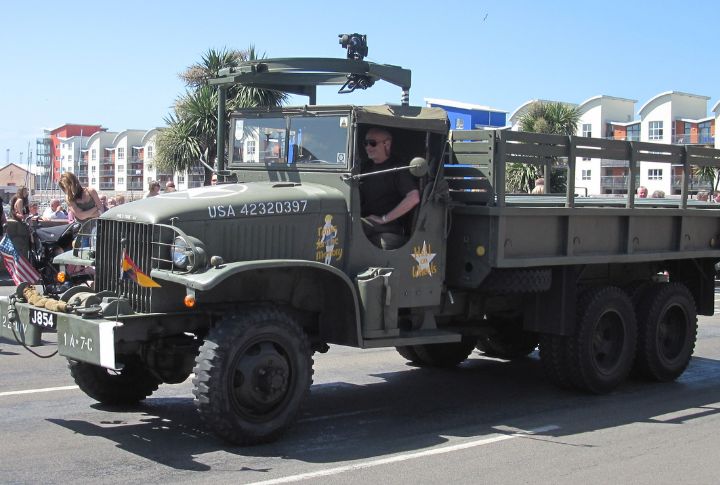
During WWII, logistical success depended on GMC’s rugged CCKW, also called “Deuce and a Half.” This truck carried supplies across treacherous terrain, making battlefield transport possible. What’s remarkable is that many of these trucks are still operational today, proof of their extreme durability.
1949 Ford F-3
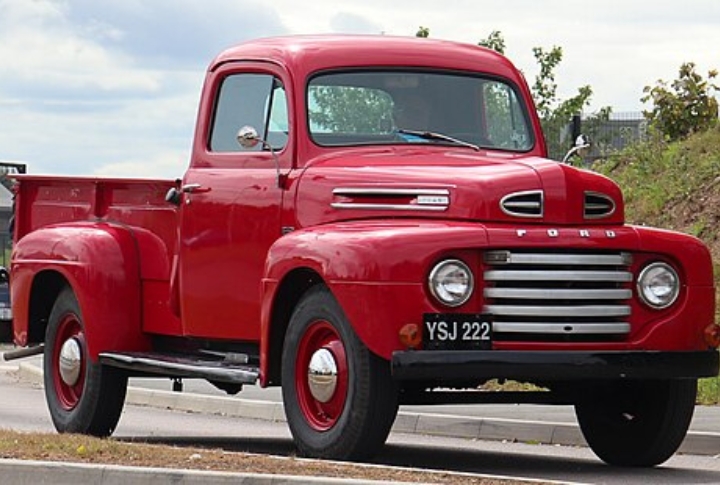
Ford likely didn’t realize its first-generation F-Series would reshape the truck industry. Yet, with eight different models, it quickly became a go-to work truck for professionals nationwide. Over the years, its design evolved into the best-selling F-150, proving that innovation drives success.
1953 Chevrolet Advance Design 3100
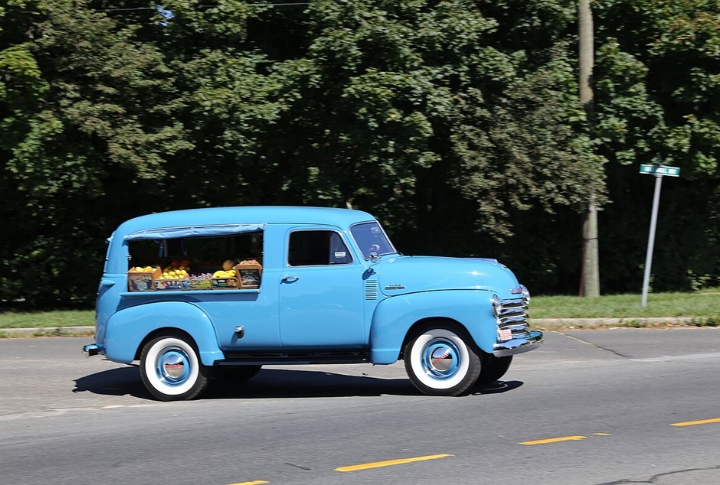
As America entered the post-war era, trucks needed to be more than just rugged machines; they had to look good, too. Chevrolet responded with the Advance Design 3100, a pickup that combined sleek lines with functionality. Its curved windshield was a game-changer, which improved visibility while making the design stand out.
1957 Dodge D100 Sweptside
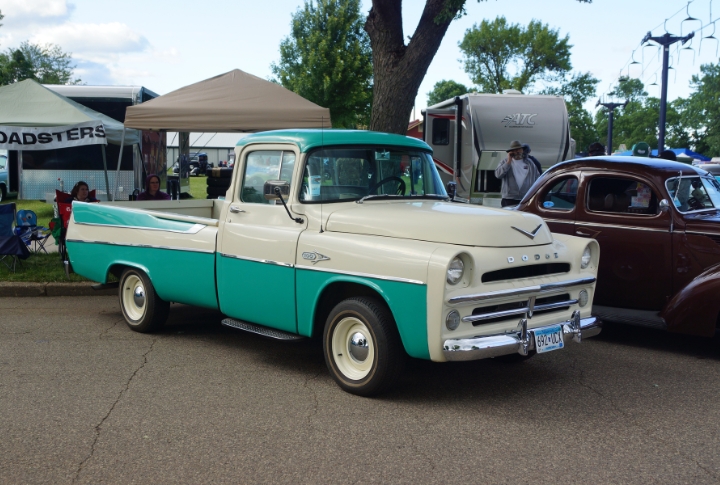
The D100 Sweptside wasn’t just a truck but a bold statement. Dodge incorporated car-like styling, complete with tailfins, proving pickups could be fashionable. Though rare due to limited production, surviving models are now prized by collectors. More than just a workhorse, it reflected the flashy trends of its era.
1960 Chevrolet C/K Series
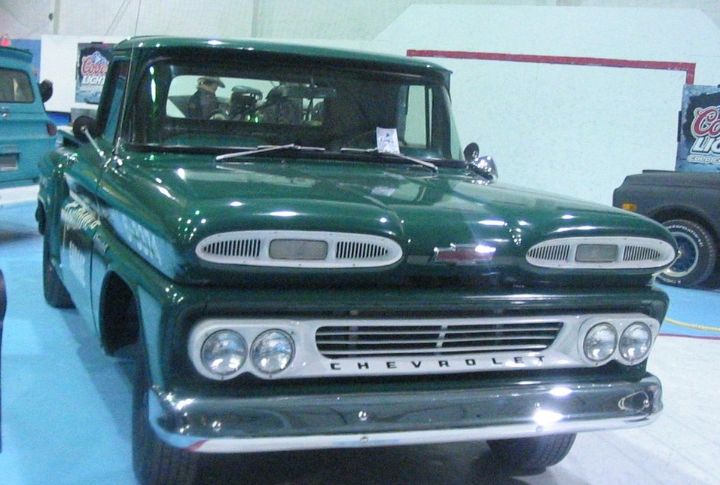
Chevy’s C/K Series ushered in a new age of pickups with independent front suspension and delivered a smoother ride than its predecessors. No longer just for farm work, trucks became viable for everyday driving. Its rounded-body style became a lasting influence on pickup aesthetics.
1965 Ford Econoline Pickup
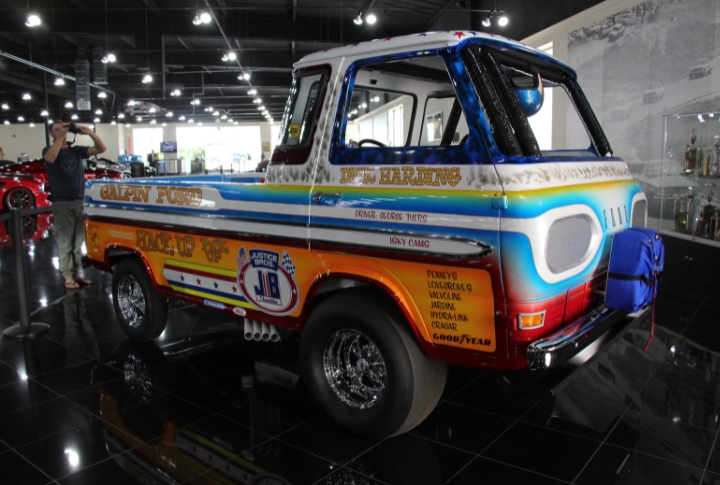
Ford defied conventional truck design with the Econoline Pickup, opting for a cab-over layout that saved space. Although it resembled a miniaturized van, it functioned as a true utility vehicle. Small businesses loved its compact size, which made city deliveries much easier.
1970 International Harvester Scout 800
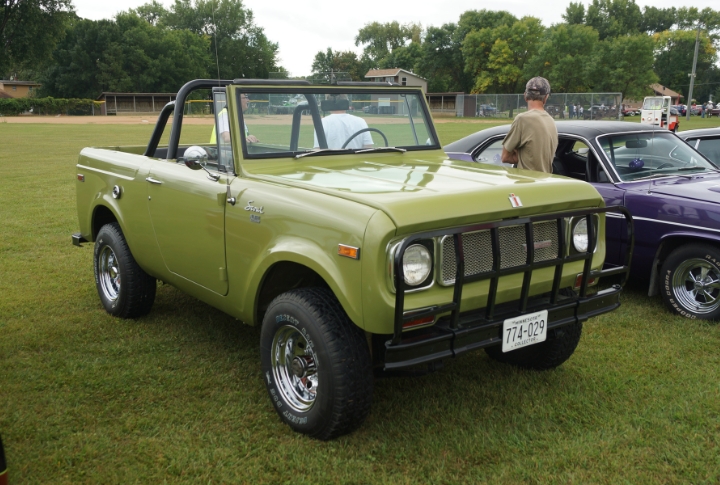
Years before SUVs dominated the market, International Harvester’s Scout 800 blurred the line between off-road vehicles and pickups. Compared to other trucks of its time, it featured a fold-down windshield, which made outdoor adventures even more immersive. This design influenced future 4×4 models.
1975 Ford F-150
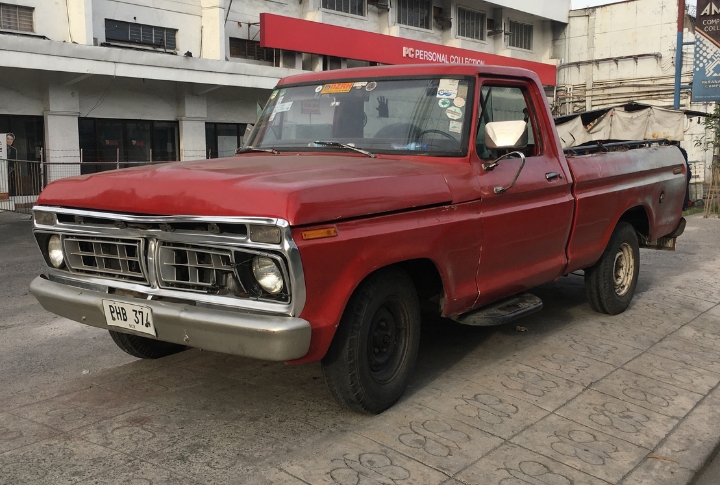
Ford didn’t expect the F-150 to become its flagship truck. It was originally a mid-range model meant to bridge the gap between light and heavy-duty pickups. But its practicality, combined with multiple redesigns, turned it into the best-selling truck in the U.S.
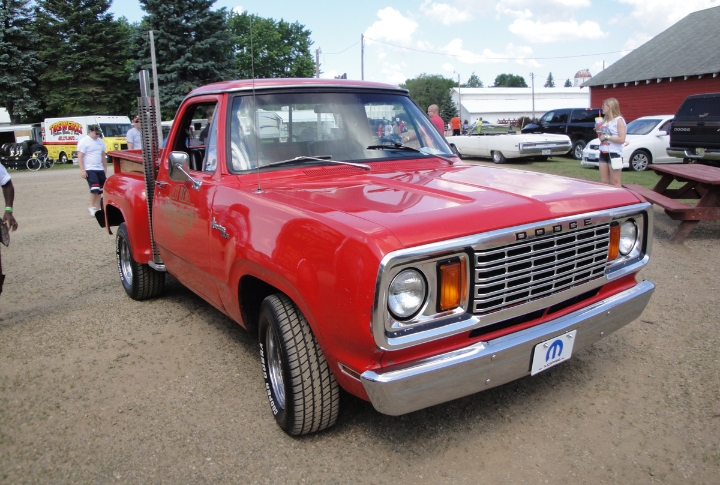
1978 Dodge Lil’ Red Express
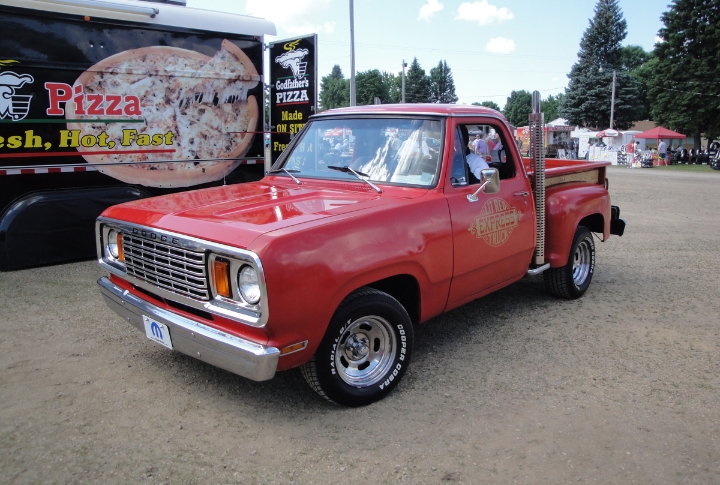
Dodge changed the game when it introduced the Lil’ Red Express, one of the fastest trucks of its era. Packed with a high-performance V8, it hauled cargo and turned heads. Adding to its rebellious image, factory-installed exhaust stacks made it look like a semi-truck.
1983 Chevrolet S-10
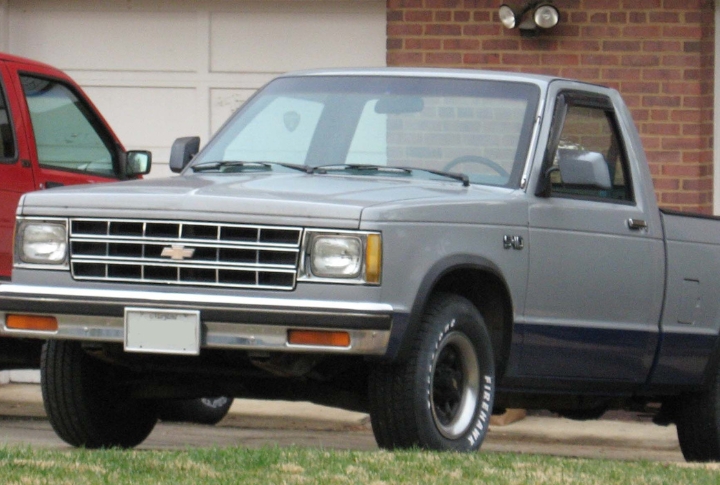
At a time when full-size trucks dominated, Chevy introduced the S-10. Its compact build and solid fuel economy offered a smart choice for daily use. Over time, it evolved into the Chevy Colorado, maintaining its reputation as a reliable, compact workhorse.
1986 Ford Ranger
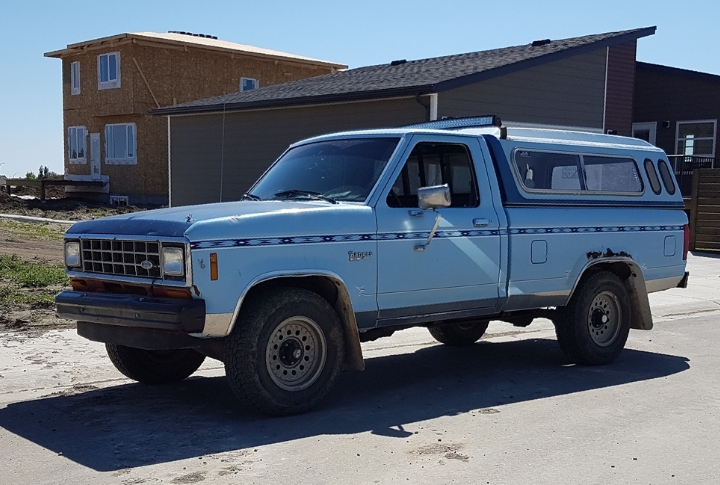
Ford understood that not everyone needed a full-size truck. So it launched the Ranger—compact yet strong enough for everyday work. Designed for both urban and off-road use, it quickly gained popularity. Its durability made it a favorite, which led to its revival years later.
1994 Dodge Ram 1500
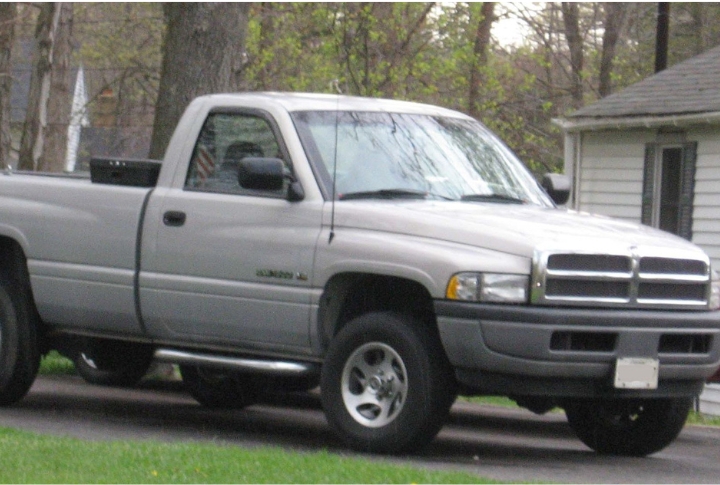
Truck designs were often functional rather than bold—until Dodge’s Ram 1500 changed expectations. Its aggressive styling and muscular V8 engine gave it a distinct presence on the road. It pushed competitors to rethink truck design and embrace bolder styling.
1998 Chevrolet Silverado 1500
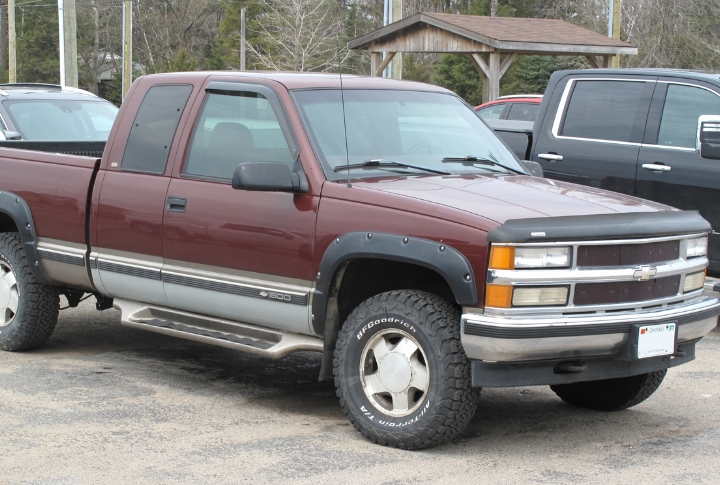
Replacing the beloved C/K Series, the Silverado 1500 brought innovation without sacrificing toughness. It introduced enhanced towing capabilities, which made it even more dependable for heavy-duty jobs. Over the years, its refinements kept it among America’s most trusted trucks.
2003 Ford F-250 Super Duty
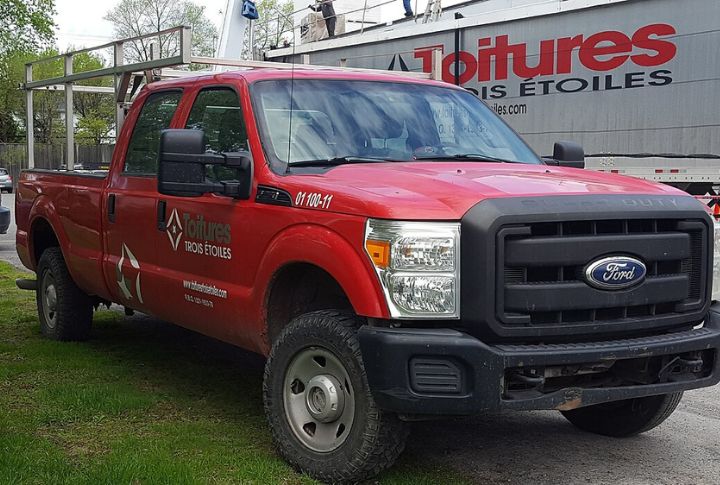
Ford introduced the F-250 Super Duty for industries needing power and durability. Equipped with a high-torque diesel engine, it became a staple in construction and heavy-hauling tasks. Over time, improvements made it even tougher. Today, this truck is still widely relied upon in demanding work environments.
2010 Toyota Tundra (Texas-Built)
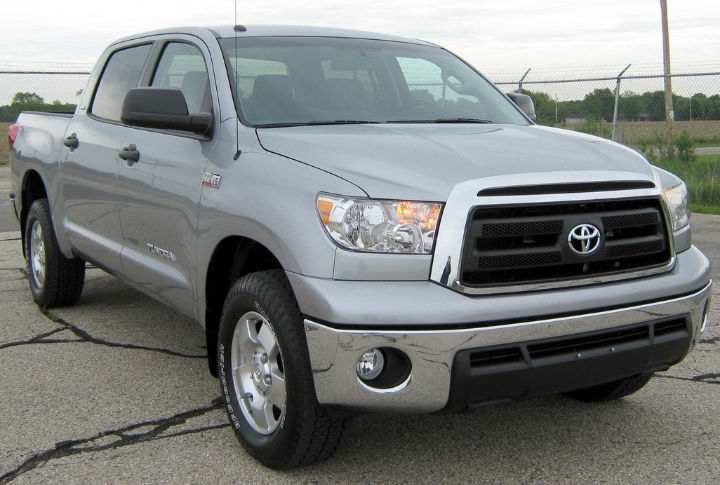
Though Toyota is known for imports, the Tundra was built in Texas, specifically for U.S. truck buyers. Its full-size capability allowed it to compete directly with domestic brands. Toyota’s success with the Tundra showed that good engineering knows no borders.