10 Times Automakers Tried To Reboot Icons—And Missed
Not every comeback earns a standing ovation. Some of these cars returned with big names and bigger expectations, but somewhere along the ride, the magic wore off. Familiar shapes, unfamiliar vibes, and not in a good way. Dive into this list of ten auto revivals that veered a little too far from what made them iconic.
Dodge Charger
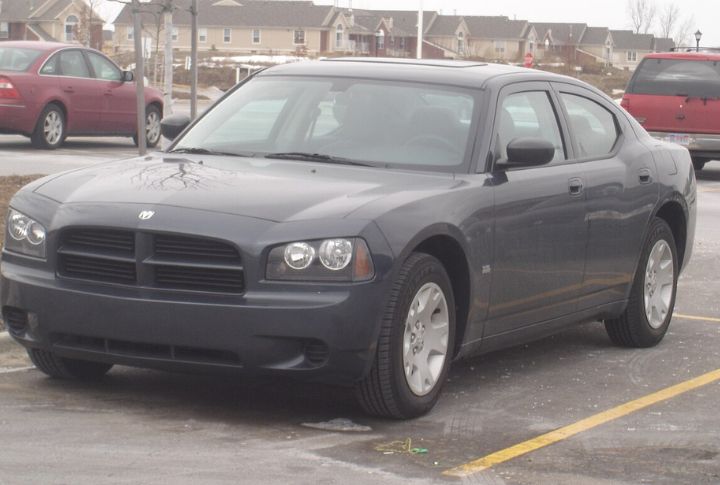
In 2006, Dodge revived the Charger with four doors, a move that sparked mixed reactions. While it still offered impressive horsepower, some felt it lacked the original spirit of the muscle car, resembling more of a family sedan than a street legend. It’s a redesign that, for some, didn’t quite live up to the expectations.
Pontiac GTO
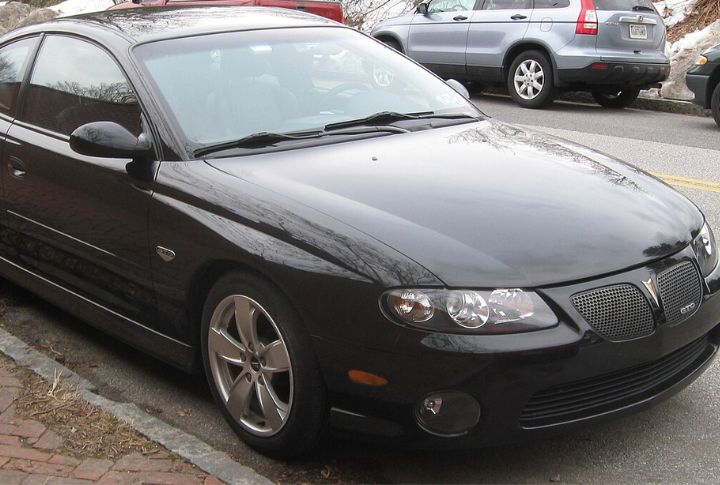
The 2004 GTO packed heat but showed up in a tuxedo at a demolition derby. Rebadged from an Aussie coupe, it drove fine but looked like a rental. Critics roasted its generic styling, and Pontiac pulled the plug in just two years. A legend deserves more than beige-on-beige.
Ford Thunderbird
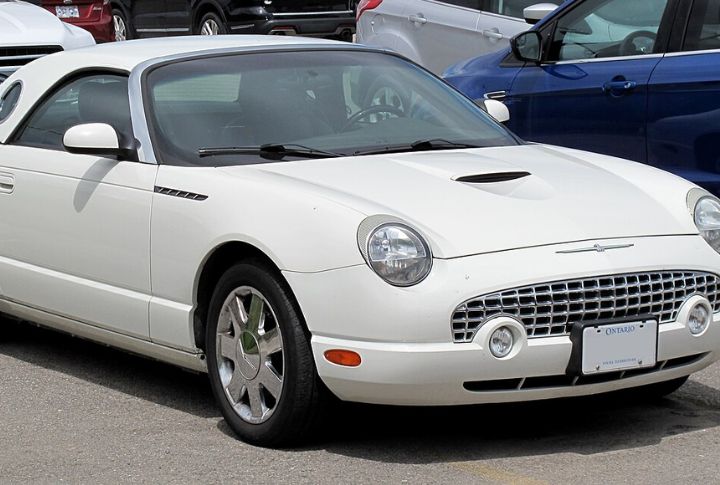
Retro curves? Check. Nostalgia appeal? Check. Actual excitement? Not so much. The 2002 Thunderbird returned as a stylish droptop cruiser but lacked the performance to match its looks. It handled like a marshmallow in flip-flops, and once the retro hype faded, buyers disappeared just as quickly as its resale value.
Chevrolet SSR
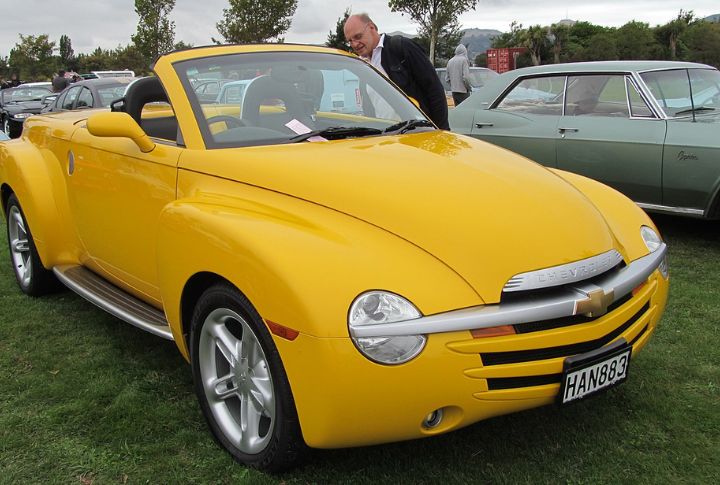
Launched in 2003, the SSR looked like something out of a Hot Wheels fever dream—but drove like a sluggish SUV. Chevy aimed for quirky yet missed the mark on quality. This truck-roadster hybrid was a confusing mix of bold design, high price, and underwhelming performance.
Mercury Cougar
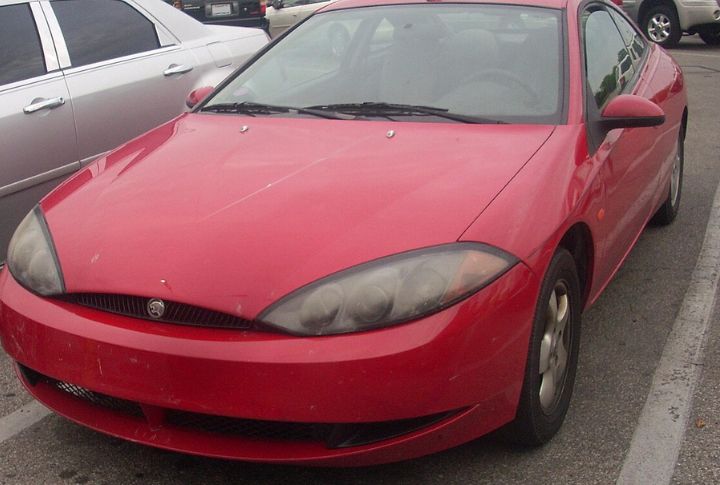
The ’99 Cougar shifted away from its muscle car roots to a front-wheel-drive design. It aimed for a bold, edgy look but ended up with sharp angles, a modest engine, and a lack of clear identity. Despite its attempt at reinvention, it struggled to attract buyers and was discontinued by Mercury three years later.
Dodge Challenger (Gen 2)
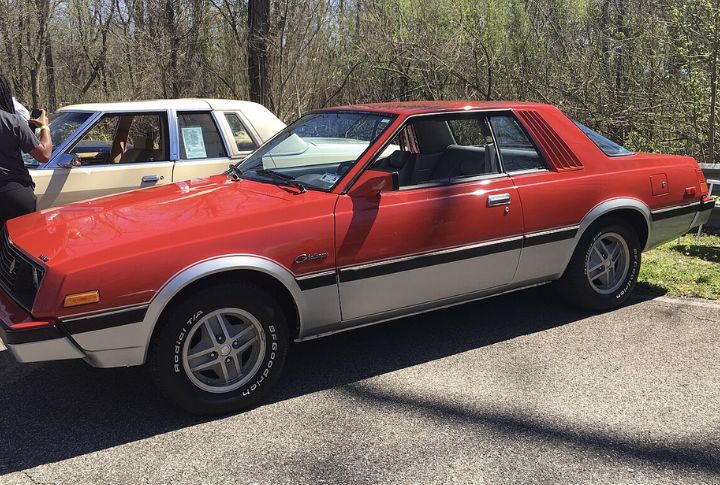
In 1978, Dodge revived the Challenger name on a rebadged Mitsubishi. The result? Disappointment. It was smaller, softer, and a far cry from its muscle car roots. Fans of the original watched in disbelief as their iconic beast transformed into a polite little import dressed in American clothes.
Lincoln Continental
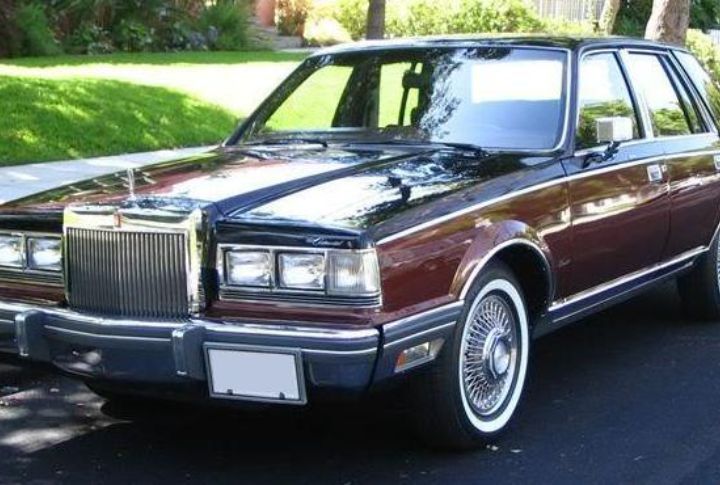
The 1982 Continental swapped its classic swagger for sharp angles and forgettable chrome. Downsized and stripped of its former grandeur, it resembled more of a budget box than a luxurious sedan. Lincoln aimed for elegance but ended up with a bland, corporate offering with just a hood ornament to show for it.
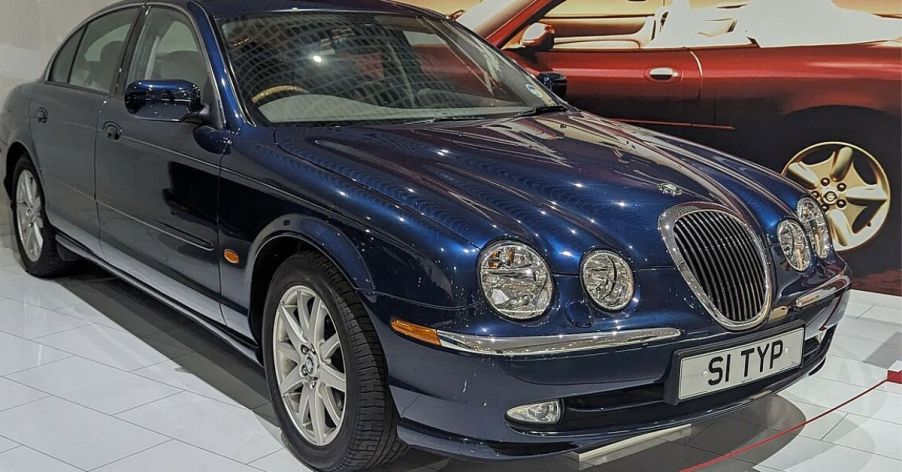
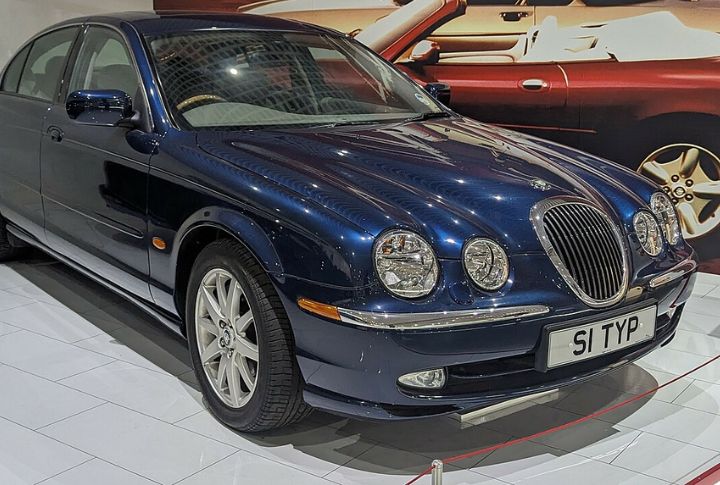
Jaguar S-Type
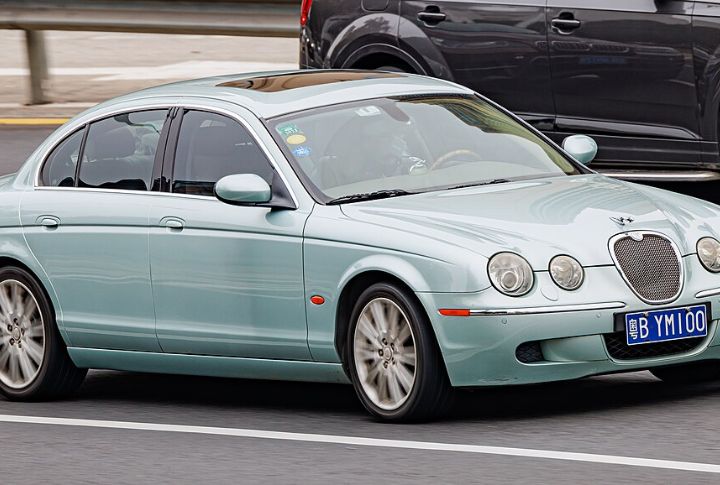
Jaguar’s 1999 S-Type sported a nostalgic grille and soft, rounded curves, but under the surface, it was a mix of Ford parts and a laundry list of quirks. British charm couldn’t mask the fact that it aged poorly, like unrefrigerated pudding.
Sinclair C5
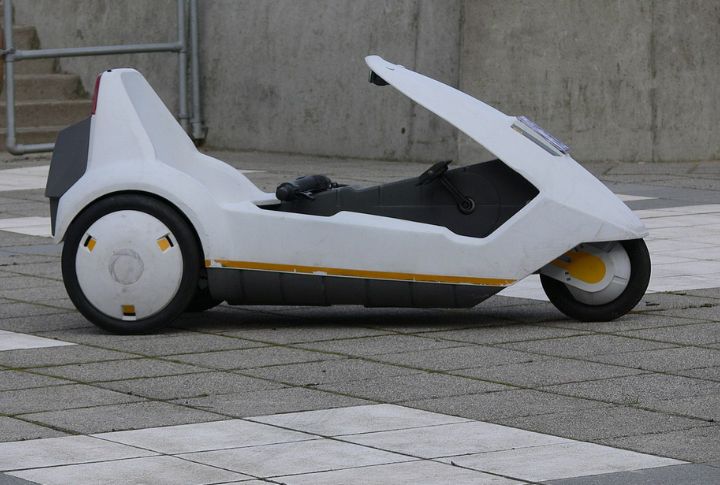
Launched in 1985, this electric tricycle had a unique design. However, it was plagued by limitations. With a top speed that struggled to outpace toddlers and no weather protection, it didn’t gain much traction in the market. While its concept may have had potential, it ultimately didn’t resonate with consumers.
Volkswagen Beetle
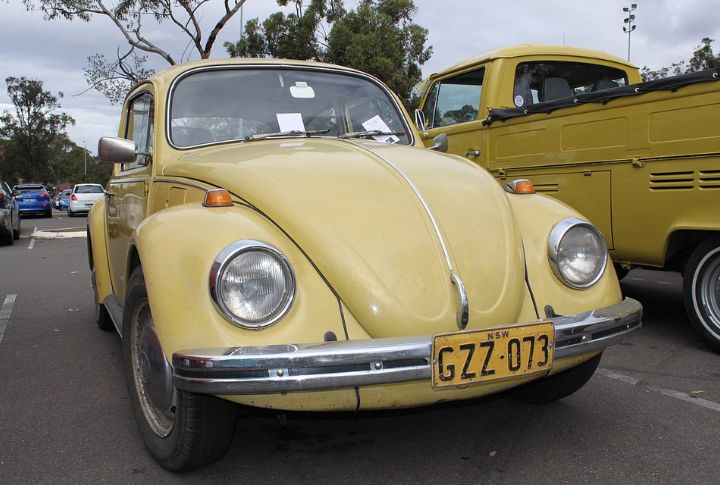
The New Beetle had plenty of buzz when it debuted in ’97, but its cute exterior couldn’t make up for a cramped cabin and underwhelming driving experience. As trends changed, its novelty wore off. By 2019, VW pulled the plug, proving that daisy vases and retro appeal don’t keep cars on the road forever.