
15 Things Nobody Tells You About Driving A Supercharged Car

Supercharged cars offer ample raw power with unparalleled performance, which is why about 30% of vehicles produced today are supercharged. However, beneath the high-octane thrill are several essential facts that often go unnoticed, and understanding these details can significantly improve the experience. Let’s look at 15 lesser-known but necessary information about driving a supercharged car that every enthusiast should know.
Increased Fuel Consumption
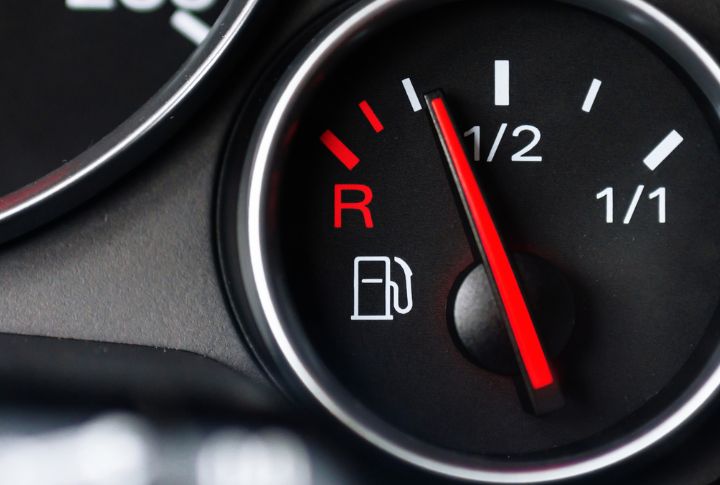
Superchargers compress the intake air so the engine can burn more fuel and release more power. While this results in greater output, it also means that supercharged cars are less fuel-efficient than naturally aspirated ones. These engines also require higher octane fuel to prevent knocking and ensure optimal yield. However, this can result in added fuel prices over time.
Heat Management
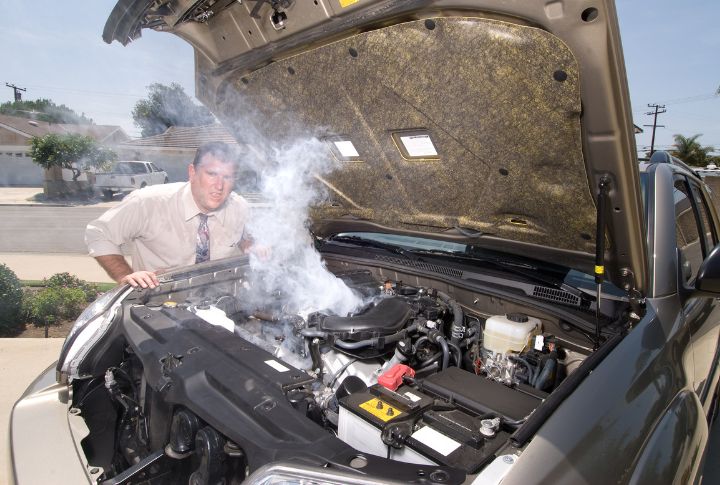
Due to the additional air compression, supercharged engines generate significant heat. Proper heat management is vital to maintaining the engine’s effectiveness and longevity. Additionally, many supercharged cars have intercoolers, which cool the compressed air before entering the engine. Nevertheless, these intercoolers must be regularly checked and maintained to confirm they function correctly.
Maintenance Costs

Unlike naturally aspirated engines, supercharged powerhouses are highly complex. Their additional components, such as the intercoolers and upgraded fuel systems, require regular maintenance and occasional replacement. Owning a supercharged vehicle can lead to higher maintenance costs due to strain on the engine and faster wear and tear on components.
Insurance Premiums

Drivers should note that insurance premiums for it can be significantly higher. The multiplied output and greater likelihood of accidents or damage make these cars riskier for insurance companies. As a result, owners pay added amounts for their insurance coverage. Additionally, upgrades, such as adding a supercharger to a vehicle that didn’t come with one from the factory, can also affect insurance rates.
Driving Techniques

The techniques for driving a supercharged car are primarily different. With immediate power delivery and greater torque at lower RPMs, throttle control is crucial. Smooth and precise inputs are necessary to maintain control, especially during low-traction or high-speed maneuvers. Also, learning to modulate the throttle effectively can prevent wheel spin and ensure the power is put to the ground efficiently.
Sound and Vibration
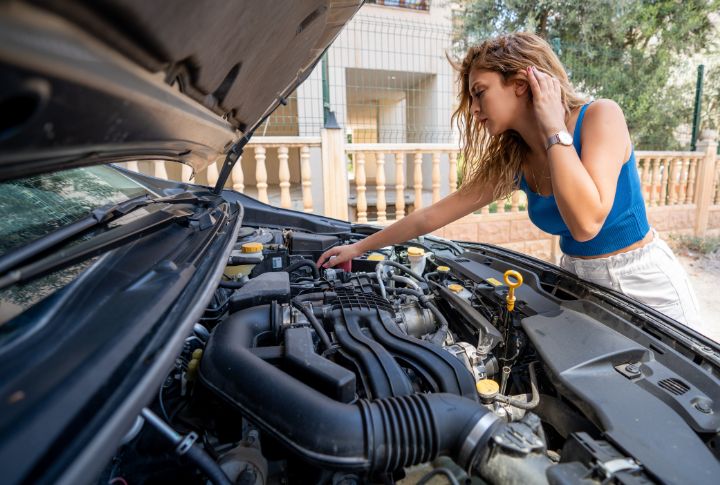
The supercharger whine, particularly at higher RPMs, can be unique and enjoyable. Nevertheless, it can also be louder and potentially intrusive during daily driving. Furthermore, the extra stress on the engine due to the sound can lead to more vibrations and noise. Understanding and appreciating these sensory differences is part of the supercharged car experience.
Potential for Tuning
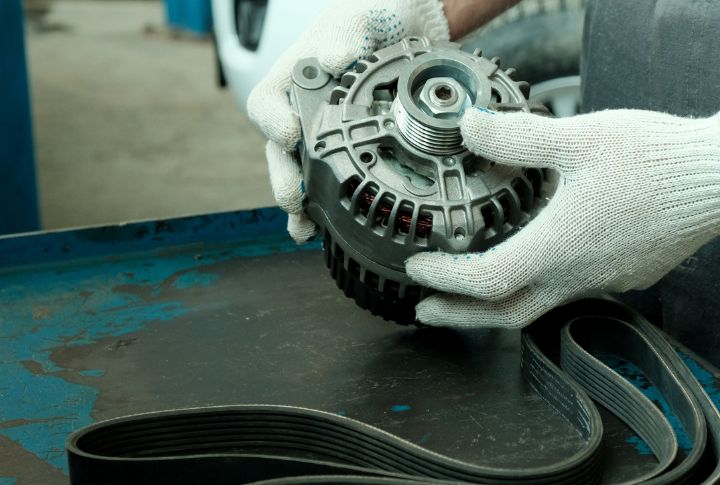
The potential for tuning and output upgrades in supercharged engines is high. Owners can extract extra power from their engines by adjusting the supercharger’s pulley size, increasing boost pressure, and making other modifications. This flexibility makes supercharged cars popular among performance enthusiasts who enjoy optimizing their vehicles. However, tuning a supercharged engine requires careful planning and knowledge.
Weight Distribution

Adding a supercharger and associated components can affect the vehicle’s weight distribution, especially for front-mounted superchargers. Drivers should consider adjustments to the suspension or other relevant parts to compensate for the altered weight distribution. Properly setting up the car to handle the added weight can maintain balanced and predictable handling.
Limited Warranty Coverage

Many manufacturers limit warranty coverage for supercharged engines due to the multiplied stress and potential for modifications. Hence, owners of supercharged cars may face higher repair costs if something goes wrong because some issues might not be covered under the standard warranty. Still, some aftermarket warranties or extended coverage options may sometimes be available.
Resale Value

Fixing a supercharged engine to your car can increase or reduce its resale value. On the one hand, improved delivery and desirability can boost resale value by increasing the vehicle’s value. On the other hand, the added servicing costs and the potential for more wear and tear can deter other buyers. Maintaining detailed service records and keeping the car in good condition can maximize resale value.
Supercharger Types
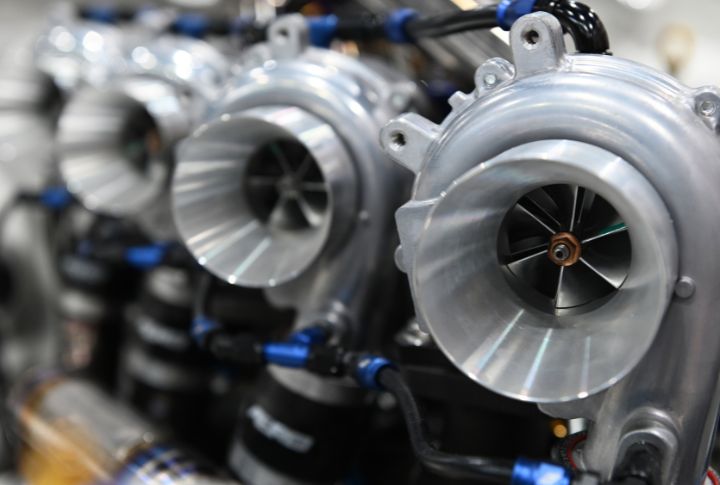
Different types of superchargers exist, and understanding their differences can help prospective buyers choose the one that best matches their style and satisfies performance needs. The most common are roots-type, twin-screw, and centrifugal superchargers. Roots-type and twin-screw superchargers provide immediate boost and are often used for their strong low-end torque, while centrifugal superchargers offer better efficiency and power at higher RPMs.
Impact on Engine Lifespan

Due to the extra pressure and heat they generate, they can have a reduced lifespan. However, with careful servicing and maintenance, they can still be reliable. Buyers should follow the manufacturer’s maintenance schedule closely, use quality synthetic oil, and monitor engine temperatures. Also, regularly checking and replacing components like belts, hoses, and spark plugs can help mitigate wear and tear.
Role of Intercoolers
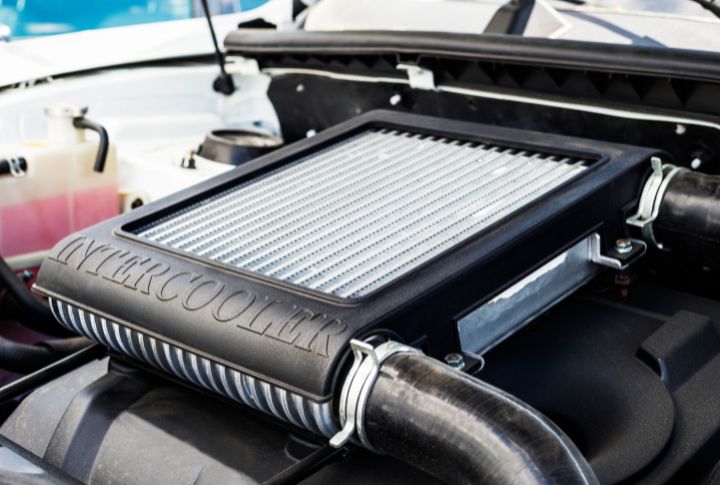
It cools the compressed air before entering the engine, preventing detonation and maintaining consistent power output. Proper care is essential because any degradation in delivery can lead to higher intake temperatures and reduced engine efficiency. Furthermore, upgrading to a larger, more efficient, but compatible intercooler can maximize the power and reliability of their supercharged car.
Fuel System Upgrades

Supercharged engines often require upgraded fuel systems to handle the heightened fuel demand. Upgrades can include higher-flow fuel injectors, upgraded fuel pumps, and additional fuel pressure regulators. Ensuring the fuel system can supply adequate fuel under high boost conditions is necessary to maintain engine performance and prevent lean conditions.
Impact on Exhaust Systems
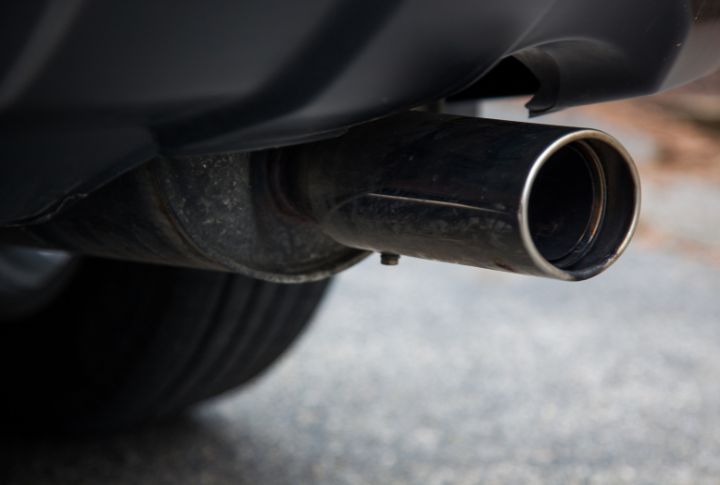
Upgraded exhaust systems help expel the increased exhaust gases from supercharged engines. A high-flow exhaust system can reduce backpressure, allow the engine to breathe better, and produce extra power. An improved flow can also make a more aggressive exhaust note. Nonetheless, upgrading the exhaust system should be done carefully in compliance with emissions or noise regulations.