The Performance Trends of Car Companies Over the Past 15-20 Years
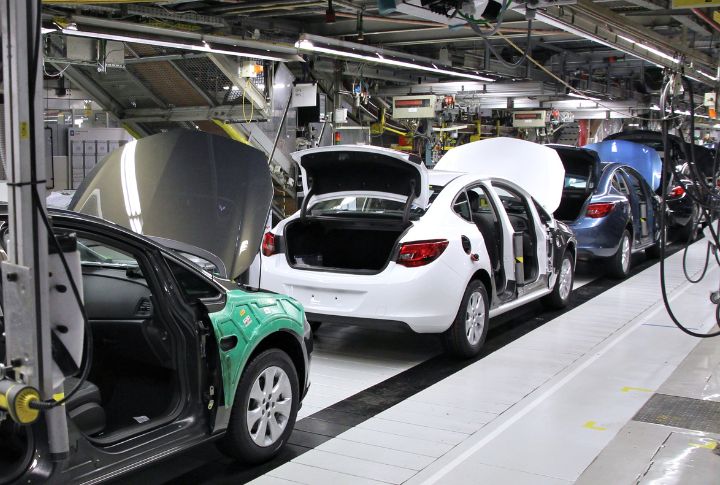
The car industry is a whirlwind of innovation and competition. Over the past 15-20 years, some brands have become household names, while others have faded from the spotlight. Today, we’re hitting the gas on two companies with contrasting trajectories: Hyundai/Kia, whose performance has been unmatchable, and Mitsubishi, a brand that’s lost its luster. Buckle up as we explore the events that caused these dramatic shifts in automotive fortunes!
Most Improved: Hyundai/Kia
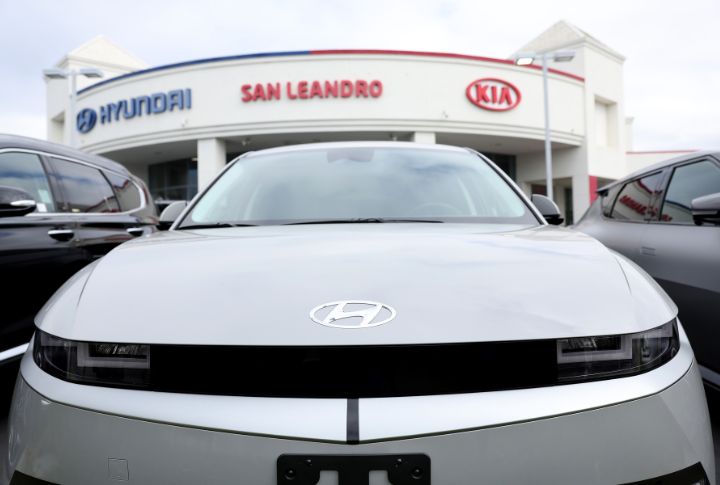
Hyundai and Kia, sister companies under the Hyundai Motor Group, offer a diverse range of vehicles known for their reliability, affordability, and modern design. They cater to a broad spectrum of drivers with innovative technology and fuel-efficient options, from practical commuters to enthusiasts.
From Budget Buys to Must-Haves: The Hyundai Ascent
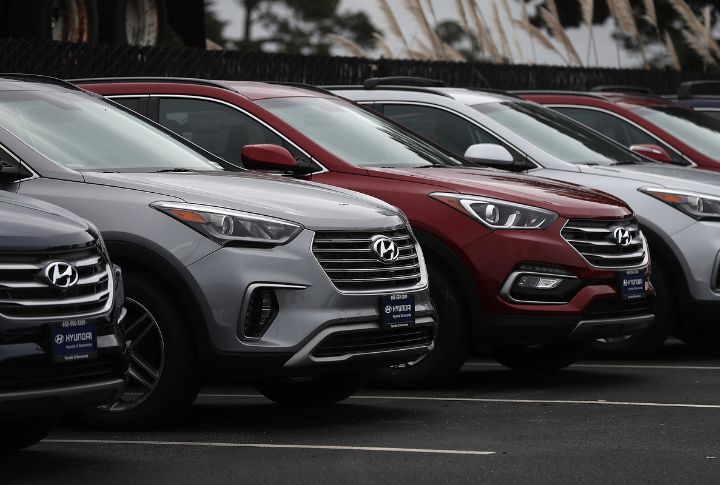
Remember when Hyundai and Kia were synonymous with “cheap cars”? Those days are long gone. The company has dramatically transformed, offering feature-rich, well-designed vehicles that can compete with established giants like Toyota and Honda.
The Early Days: A Solid Foundation (but not much shine)
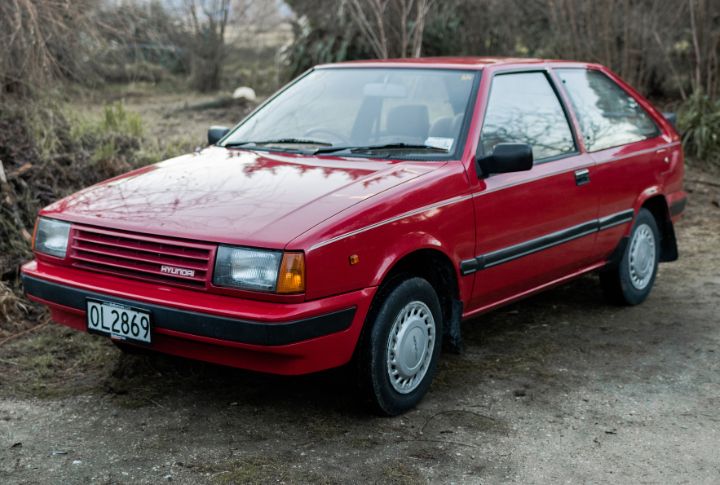
In the late 1990s and early 2000s, they were known for offering basic, affordable cars like the Hyundai Sonata and Kia Sephia. While these weren’t luxury options, they were reliable and provided good value for money. However, they lacked the design and features that would truly set them apart.
A Game-Changer: Hiring Design Guru Peter Schreyer

Their turning point came in 2006 with the hiring of renowned designer Peter Schreyer. Schreyer, who had previously penned iconic designs for Audi, brought a fresh perspective to the Korean company. He revamped their entire lineup with sleek, modern designs like the fluidic sculpture design philosophy seen on cars like the 2011 Hyundai Sonata. This design shift grabbed attention and signaled a new era.
Investing in Tech: The Birth of “Value Redefined”

The company didn’t stop at design. In 2010, they launched their “Value Redefined” campaign, heavily investing in new technologies. The features of lane departure warning, blind spot detection, and adaptive cruise control, once exclusive to luxury brands, became commonplace in Hyundai and Kia vehicles. This focus on tech at competitive prices made them a more attractive option for budget-conscious drivers seeking modern features.
Safety First: Building Trust with Consumers
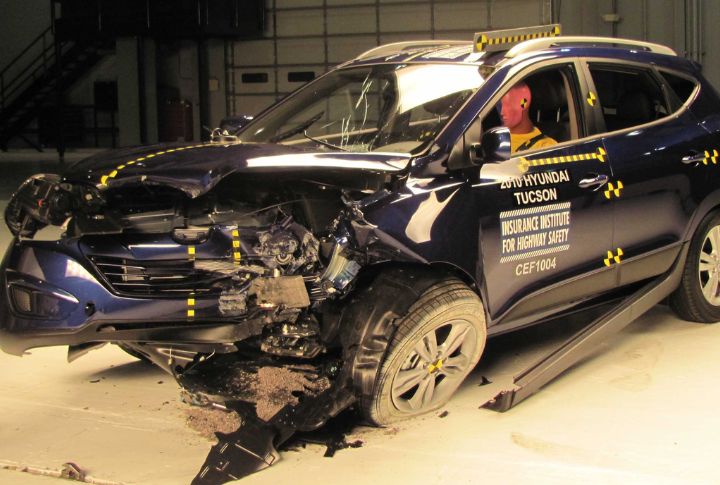
Safety became a top priority for both. They improved the crashworthiness of their automobiles and earned top ratings from agencies like IIHS (Insurance Institute for Highway Safety) and NHTSA (National Highway Traffic Safety Administration). For example, the 2011 Kia Sorento received the coveted IIHS Top Safety Pick award, further boosting consumer confidence in the brand.
Pushing the Limits: Performance Options and Breaking Stereotypes
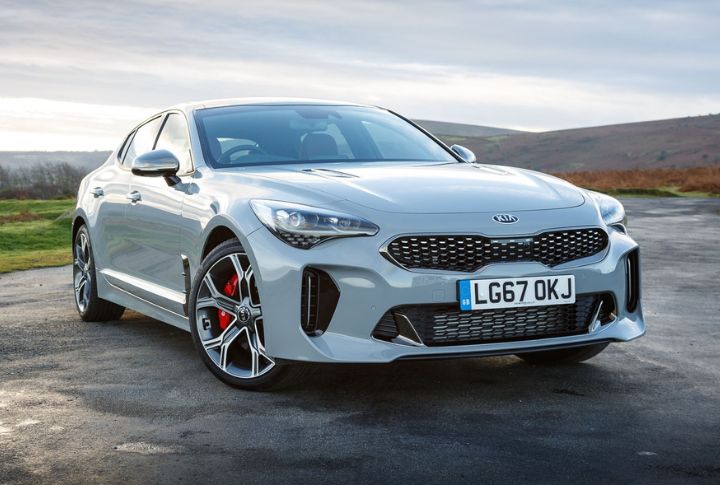
By 2017, Hyundai and Kia were fearless in pushing the performance envelope. The launch of the Stinger GT, a powerful and stylish Sportback, proved they could compete on the fun factor, too! This move challenged the perception of these brands as solely budget-friendly and showcased their design and engineering chops.
A Winning Formula: The Results Speak for Themselves
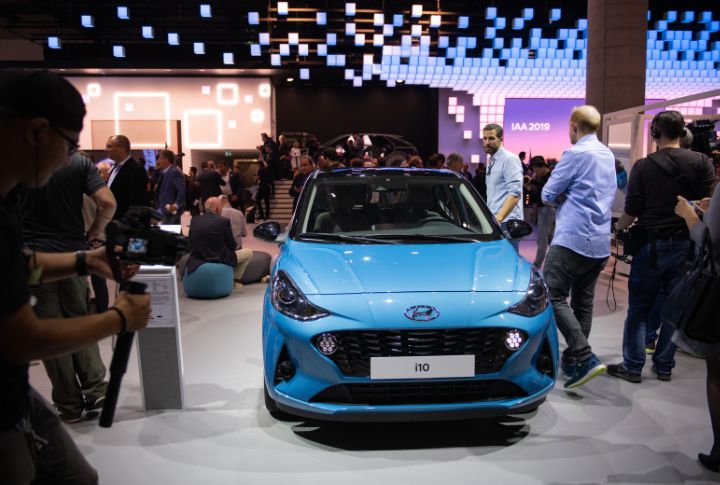
The results of their transformation are undeniable. The sales have soared, and they consistently rank high in customer satisfaction surveys. They’ve become a go-to option for drivers who want a stylish, reliable, and feature-rich car without breaking the bank.
Most Declined: Mitsubishi
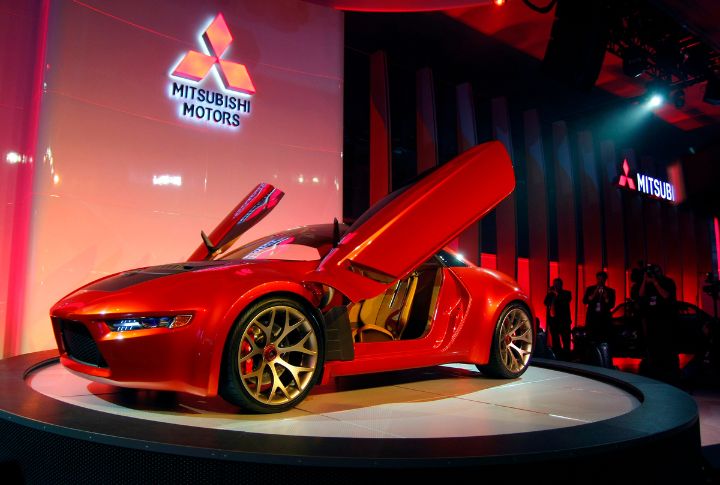
Mitsubishi Motors is noted for its robust SUVs and compact cars, which blend Japanese engineering with versatility and durability. From the iconic Lancer to the adventurous Outlander, Mitsubishi vehicles are used to embody a balance of performance, comfort, and value.
Mitsubishi: Once a Diamond in the Rough
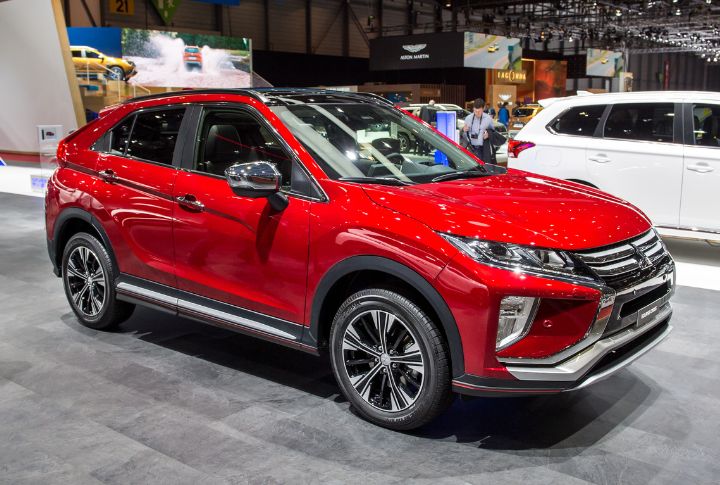
Mitsubishi used to be a brand known for innovation and excitement. They offered sporty coupes like the Eclipse and reliable SUVs like the Pajero. They were known for their all-wheel-drive technology and fun-to-drive vehicles.
A Rocky Road: Quality Control Issues and Cover-Ups
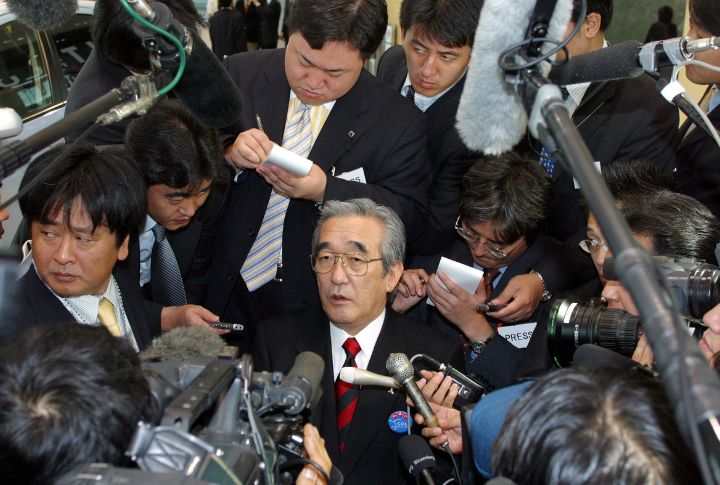
In the early 2000s, Mitsubishi started to have some serious quality control problems. A series of recalls eroded consumer confidence, including a major fuel economy scandal in 2004. The scandal involved Mitsubishi deliberately overstating the fuel efficiency of some of their cars, damaging their reputation for honesty and reliability.
Losing their Identity
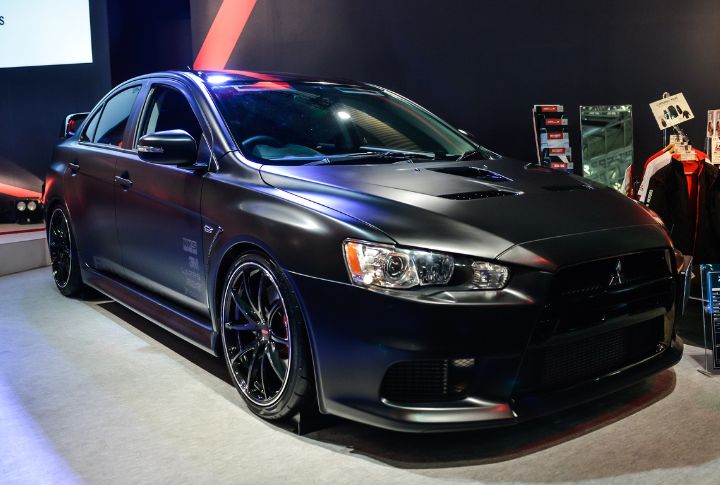
Instead of focusing on what made them unique, Mitsubishi began churning generic cars that seemed to blend in with the competition. They lost their sense of innovation and the bold design language that once set them apart. For example, the 2010 Mitsubishi Lancer lacked the sporty flair of its earlier iterations, failing to capture the essence of what made Mitsubishi attractive to driving enthusiasts.
Recent Situation
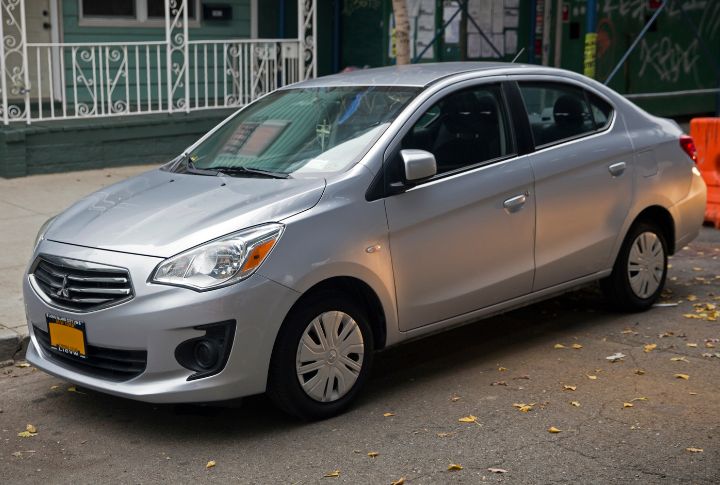
Today, Mitsubishi’s lineup is a shadow of its former self. Their sales have plummeted, and they’re struggling to compete in a crowded marketplace. The 2023 Mitsubishi Mirage, a subcompact car, is a prime example. While affordable, it faces fierce competition from better-equipped rivals, highlighting Mitsubishi’s struggles to keep pace with the evolving market.
Lessons Learned: The Importance of Adapting and Staying True to Your Roots
The rise and fall of these companies offer valuable lessons for car companies in the ever-evolving automotive industry. Hyundai/Kia’s success shows the importance of listening to consumers, investing in quality and technology, and staying ahead of the curve while also infusing their designs with a distinct character. Mitsubishi’s struggles are a cautionary tale about the dangers of complacency, losing sight of what makes your brand unique, and failing to adapt to changing consumer preferences.