
The 1988 Pontiac Trans Am That Broke Records

At a time when exotic imports ruled the performance conversation, an American-built Trans Am roared across the Bonneville Salt Flats and stunned the world. Behind its sleek body was a storm of engineering led by Gale Banks. Let’s take a look at this beast of a machine.
Pontiac’s Unexpected Land Speed Legacy
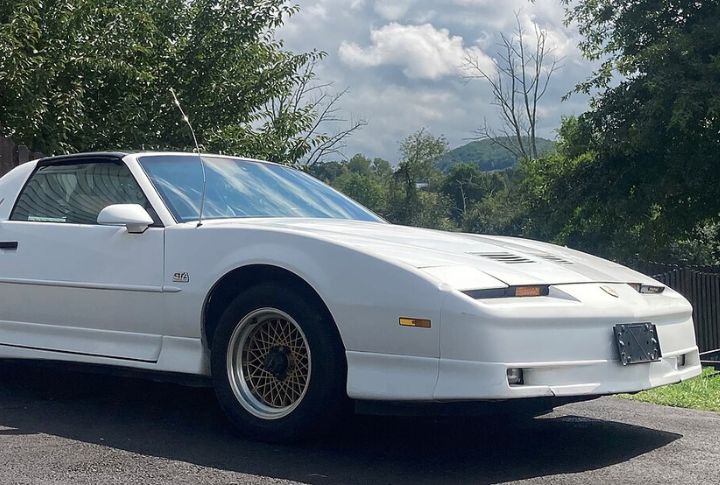
The record-breaking run by Gale Banks’ twin-turbo Pontiac Trans Am GTA at the Bonneville Salt Flats happened in 1987. That year, the car hit a terminal speed of 283 mph and set a certified two-way average record of 268.033 mph. This earned it the title of the World’s Fastest Passenger Car on gasoline. The record stood for a decade.
The Driver Behind The Glory
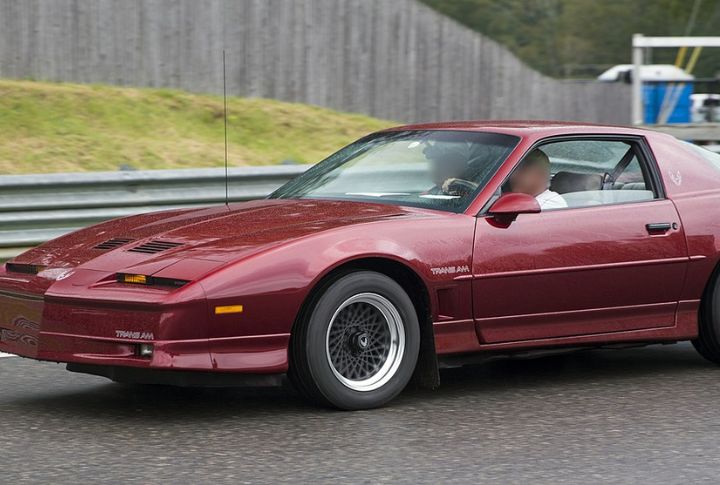
Don Stringfellow, a seasoned Bonneville racer, took the wheel of Pontiac’s record-setting Trans Am. His deep experience with high-speed runs under pressure made him the ideal pilot. That 268-mph achievement didn’t just belong to the car—it forever linked Stringfellow’s name with Pontiac’s boldest moment.
The Brutal Stage Of Bonneville
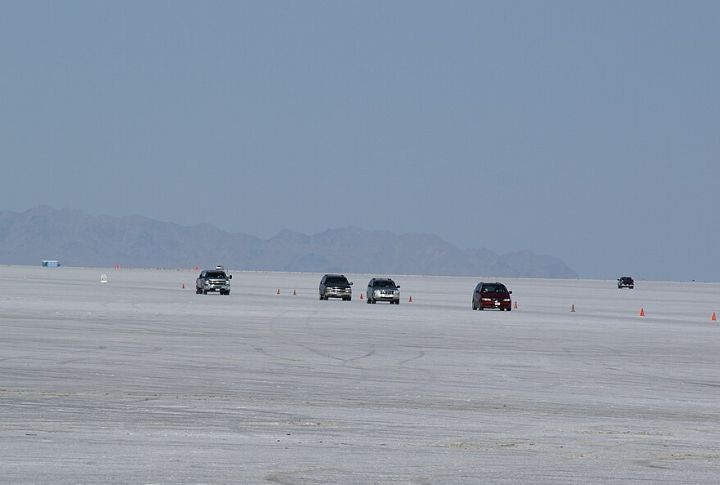
The Bonneville Salt Flats in Utah have historically hosted numerous land speed record events. While the salt surface offers exceptional flatness, it also presents traction limitations and places high demands on tire integrity. As a result, record attempts rely not only on performance but also on proper surface prep and careful timing.
Twin Turbos With Serious Bite
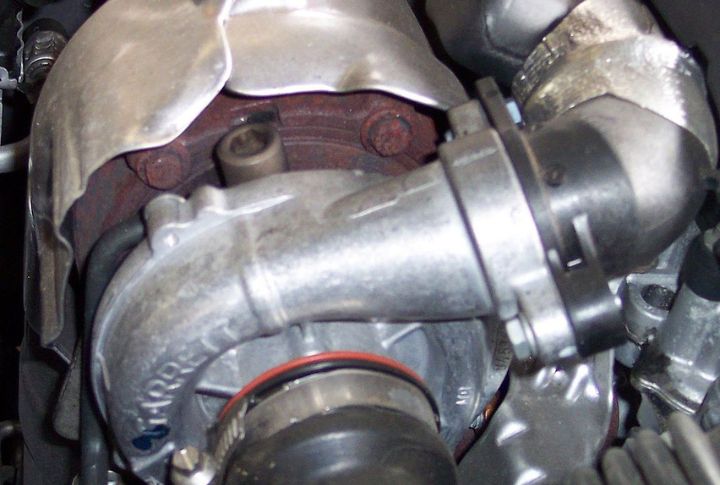
Two Garrett TEO-691 turbochargers transformed this Trans Am into a record-setter. Producing 2200 horsepower, more than most NASCAR cars at the time, it operated at high altitude with astonishing efficiency. Even more impressive: the entire system ran on regular gasoline, not specialized race-grade fuel.
Street Legal Comforts Intact
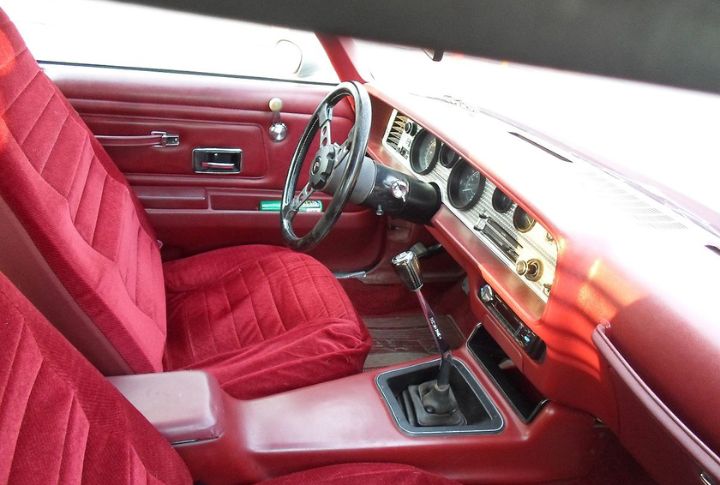
Though engineered for extreme speed, the Trans Am retained its full factory interior, complete with bucket seats, stereo, dash, and carpet. Power windows and door locks remained functional, and though visually indistinguishable from stock, the vehicle nevertheless achieved speeds of up to 283 miles per hour.
Aerodynamics Perfected In The Wind Tunnel
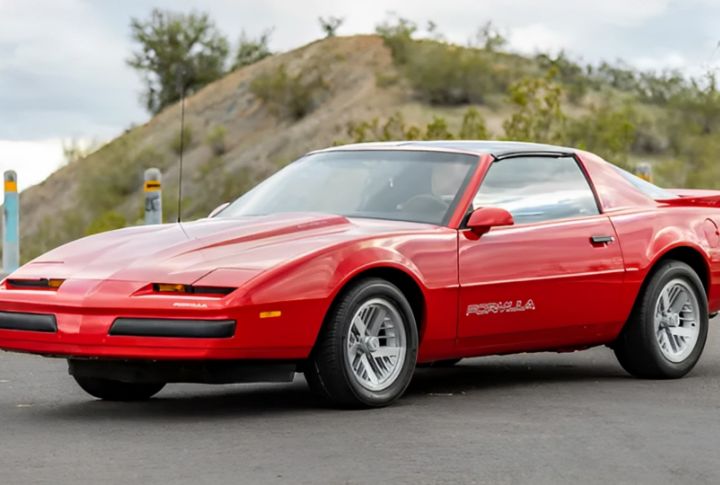
Pontiac nailed the aerodynamics straight from the factory. Wind-tunnel testing confirmed the third-gen Trans Am’s low-drag form. It created zero lift at high speeds, which was a major asset on the Bonneville salt surface. With stock ride height maintained to meet Bonneville rules, its shape proved race-ready without modification.
Cooling System That Kept The Speed Flowing
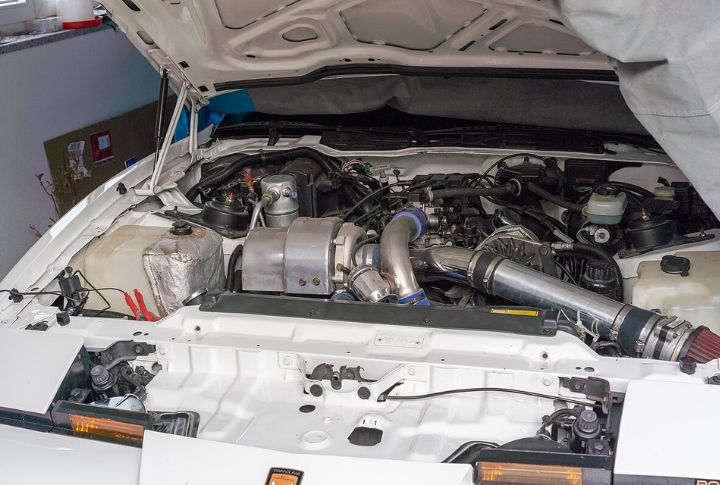
The team installed a 90-gallon ice-water tank to cool the engine and twin intercoolers to maintain peak output. This aggressive thermal management kept temperatures stable over long runs. Without it, rising heat would have cut horsepower mid-run and compromised the vehicle’s high-speed endurance.
Custom Suspension And Brakes

For Bonneville’s rough salt roads, Lamb Components designed a suspension featuring struts and a four-link rear system. It kept the Trans Am stable at speed while absorbing surface irregularities. Additionally, Lamb’s four-wheel braking system ensured controlled stops despite the salt’s limited grip.
Transmission Tuned For Extreme Torque
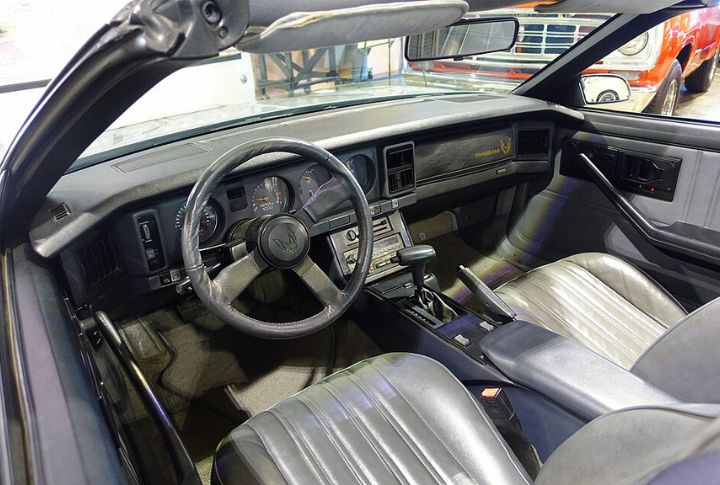
With over 1450 lb-ft of torque in play, the Trans Am relied on a Doug Nash 5-speed Long overdrive transmission. It delivered bulletproof durability and efficiency. The 2.14:1 final gear ratio allowed the car to maintain incredible speeds with precision and control over long stretches.
Gale Banks’ Trans Am Redefined GM’s Turbo Era
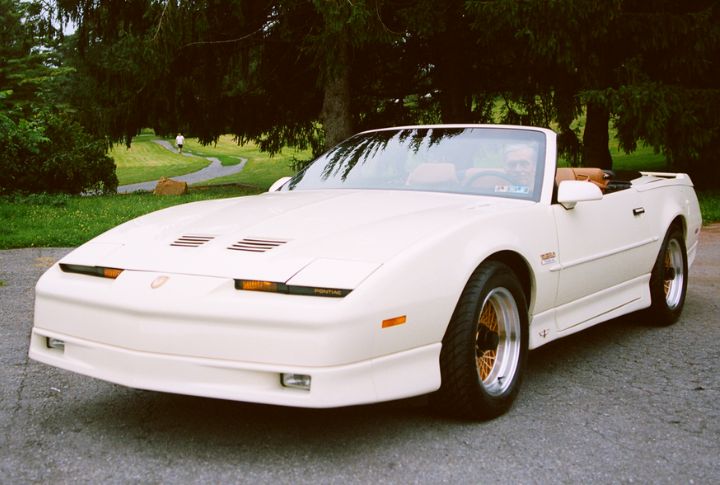
This Trans Am paved the way for powerful yet street-legal turbo builds. It predated and influenced icons like the Buick GNX, GMC Syclone, and even early twin-turbo Supras. Its innovations in intercooling and torque management helped shape future GM turbo strategies and inspired modern record-chasers like the Hennessey Venom F5.