10 Strange Laws American Bikers Need To Know About

Oddball statutes pepper travel routes in every state. Riders face silent muffler limits and invisible sensing intersections that ignore bikes. Legal quirks pop up when you least expect them. Stay ahead by peeking into ten unusual regulations that shape your next ride. Discover which laws surprise even veteran enthusiasts this time.
Wheelies Are Illegal In Illinois

Pulling a wheelie on Illinois roads isn’t just reckless. It’s a traffic offense; section 11-1427 outlines how riders must keep both wheels on the ground while riding in public. Anything more daring earns a Class A misdemeanor, especially near pedestrian areas or traffic clusters.
Lane Splitting Has One Legal Home
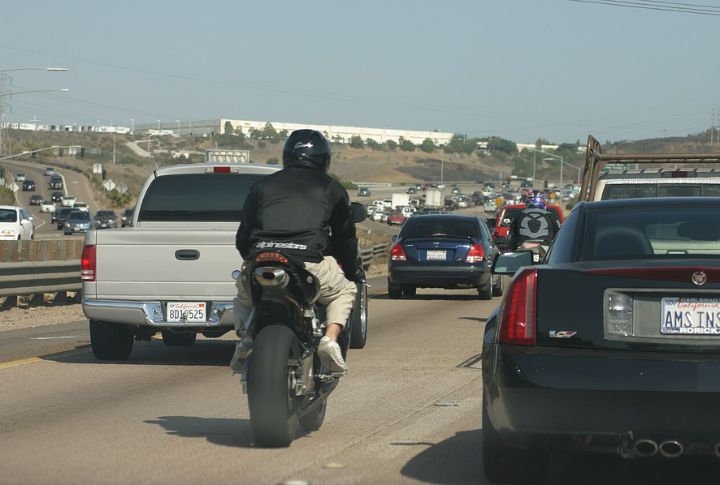
Only California legally allows motorcycles to pass between stopped cars. Lane splitting appears in Section 21658.1 and must occur under 40 mph. Riders use this maneuver to avoid congestion. Just remember: no other U.S. state recognizes it yet.
Red Tail Lights Only In Minnesota
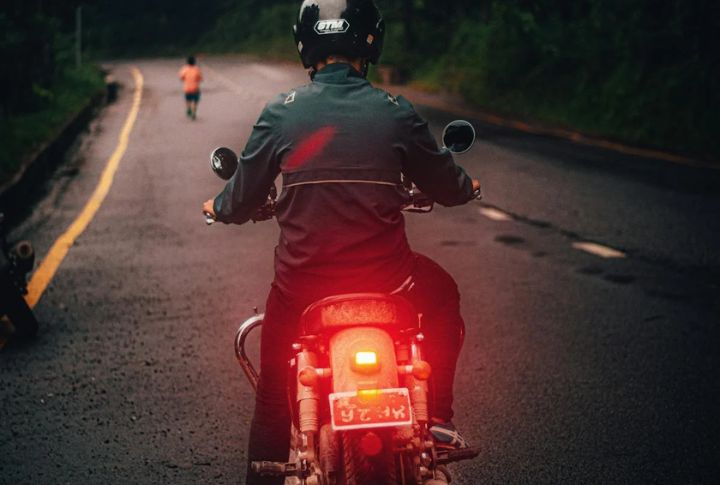
Riders are banned from using red lights as rear turn signals on motorcycles; they must install amber turn indicators instead. This regulation prevents confusion between brake functions and directional changes. Custom builds and vintage models need retrofits if they want to pass inspection without raising legal flags.
Eye Protection Required In New York

Motorcyclists must wear eye protection unless their bike has a fixed windshield. The law requires goggles or visors to protect against debris. Sunglasses don’t qualify. In open-helmet states, police can stop and cite riders on the spot if they’re unprotected.
Blue Tail Lights Forbidden In Texas And California
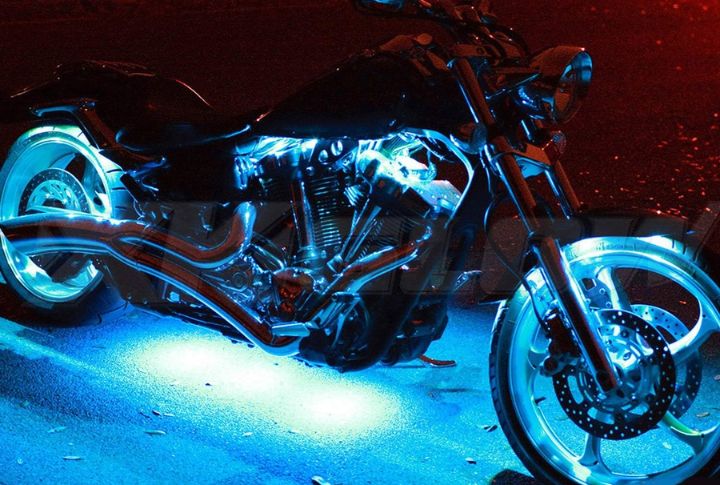
Under Federal Motor Vehicle Safety Standard No. 108, motorcycle tail lights must emit red. In states like Texas and California, riders adding blue LEDs could face citations. These states treat non-compliant lighting as a safety hazard, not an aesthetic choice. Blue is only allowed for emergency vehicles.
Headlights Must Always Be On In Connecticut
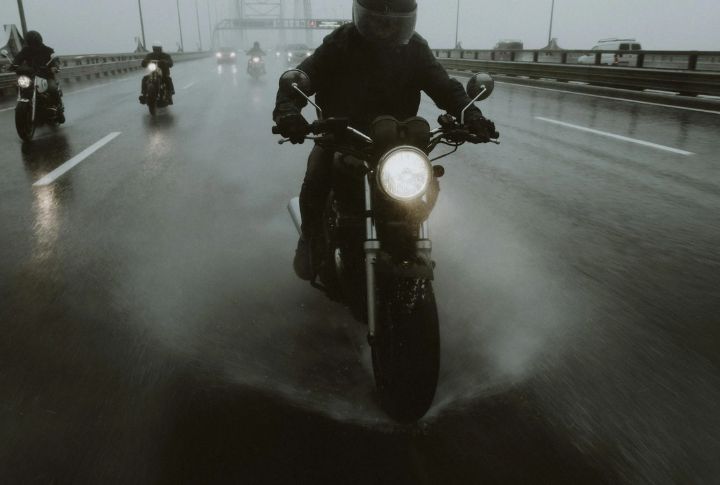
Every motorcycle must run its headlamp whenever the engine is active. This law has been in effect since 1989. Riders can’t rely on ambient light even during daylight hours. It’s a strict visibility measure with no exceptions for sunny weather.
Screeching Tires Draw Fines In Kansas
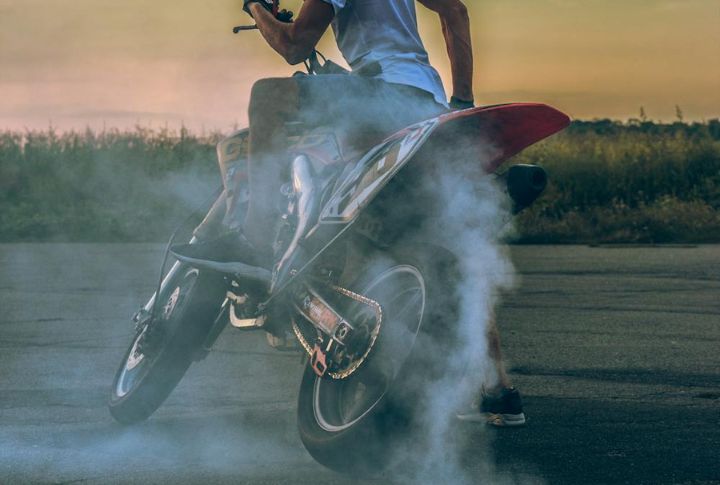
Tire noise ordinances in Kansas target one thing: intentional screeching. Riders caught spinning or dragging rubber can be cited for public nuisance violations under city codes. The penalty varies by $250 in Overland Park and more in urban zones, citations follow through with no allowed excuses.
Riding Through Nurseries Is Prohibited In Illinois
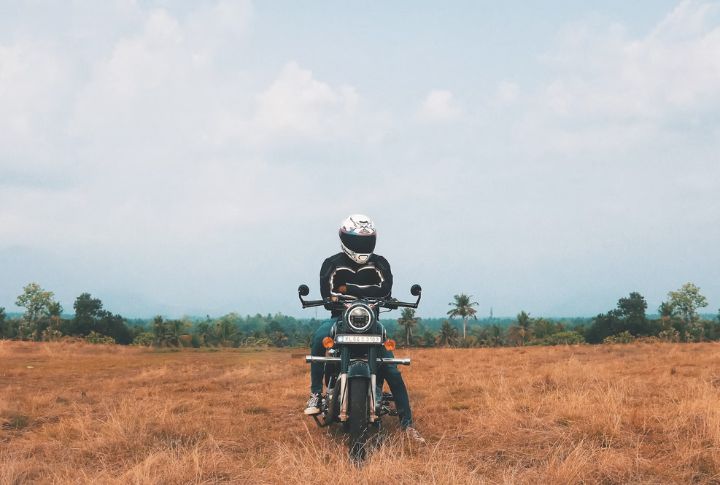
Entering agricultural land like tree farms or nurseries on a motorcycle in Illinois carries legal consequences. Per 720 ILCS 5/21-1.2, this counts as trespass with property damage. You’re not just trampling plants, it’s counted as committing a Class B misdemeanor with potential restitution fees.
Running Out Of Gas Is Illegal In Ohio

In Youngstown, running out of fuel within designated congested areas violates local traffic code 331.44, which grants officers the authority to issue tickets or tow vehicles obstructing traffic. Riders must manage fuel levels, especially near major intersections or highways, to avoid penalties or removal.
Gorilla Riders Not Welcome In Massachusetts
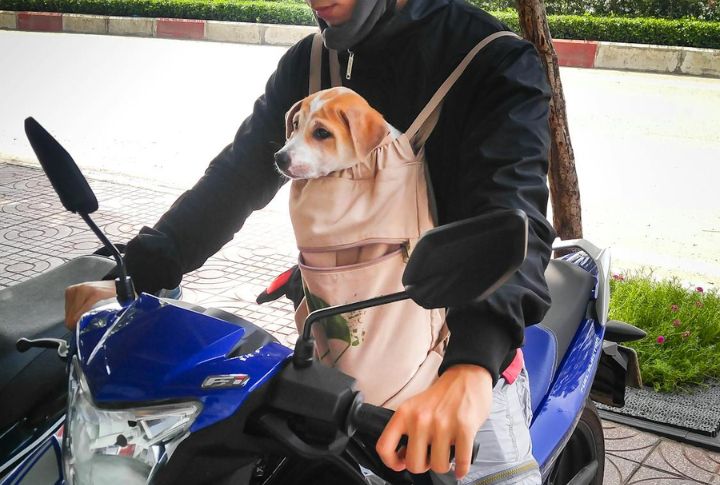
Massachusetts regulations bar the motorcycle transport of wild or exotic animals without proper containment. The policy stated under 321 CMR includes primates among restricted species. It doesn’t matter if the animal is leashed or tranquilized. Two seats and 400 pounds of a gorilla do not pass as legal.