10 Sports Cars That Keep A Low Profile
The spotlight rarely found them, but greatness doesn’t need noise. These ten sports cars emerged with vision and brilliance, then vanished without applause. Some came from big dreams, others from quiet rebellion. All remain reminders that not every icon asks to be noticed.
Isdera Commendatore 112i
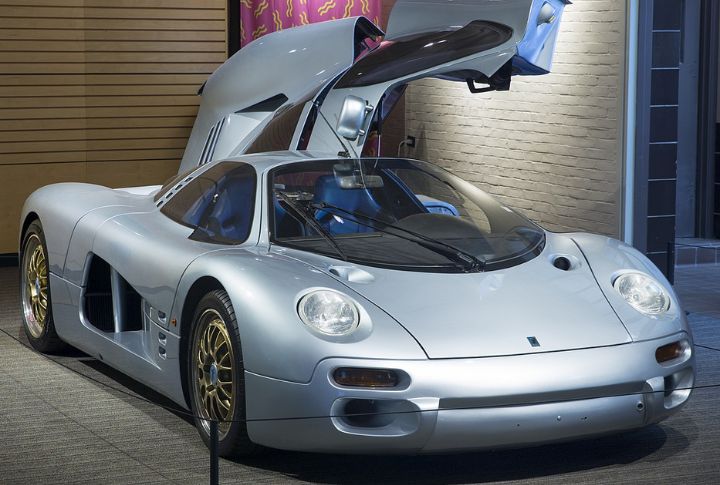
In 1993, engineer Eberhard Schulz unveiled a one-off German supercar powered by a 6.0L Mercedes-Benz V12. With gullwing doors and a periscope rearview mirror, the Commendatore 112i was futuristic and tested at speeds over 200 mph.
Lotec Sirius
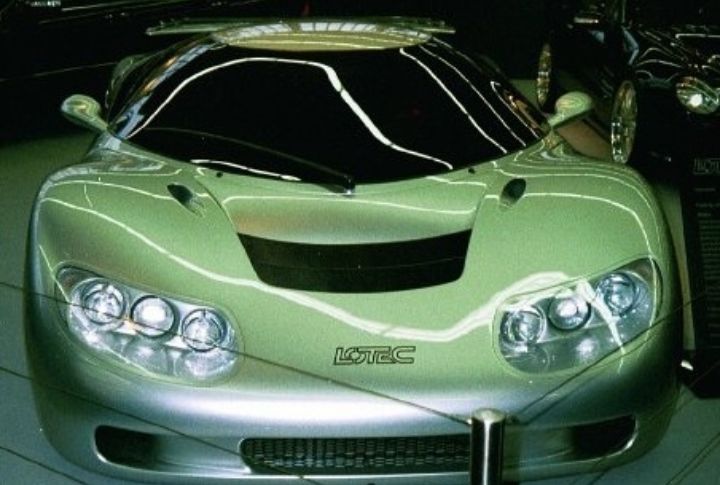
Built from carbon fiber and engineered for speeds beyond 250 mph, the Lotec Sirius packed a twin-turbo 6.0L Mercedes-Benz V12. It cranked out over 1,000 horsepower and promised hypercar-tier performance. Though teased in the early 2000s and demonstrated in prototypes, it never reached full production.
Monteverdi Hai 450 SS
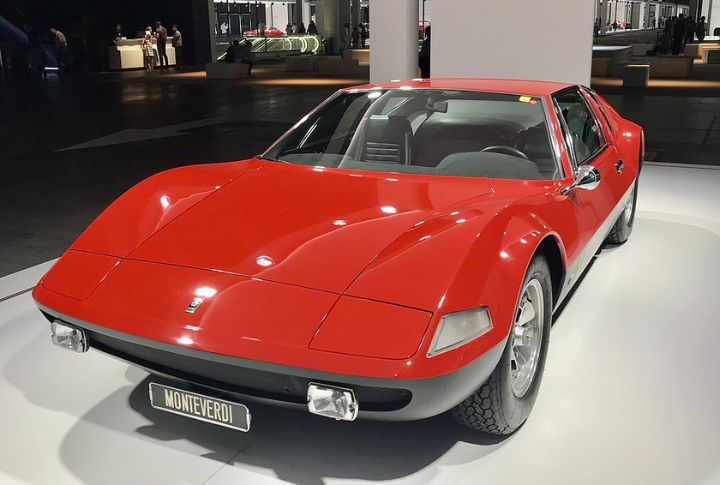
Peter Monteverdi’s 1970s answer to Ferrari was the Hai 450 SS. With a 7.0L Chrysler HEMI V8 and a chassis inspired by Formula One design, it reached 180 mph. Fewer than four were built before Monteverdi shifted focus away from high-performance cars.
Bizzarrini 5300 GT
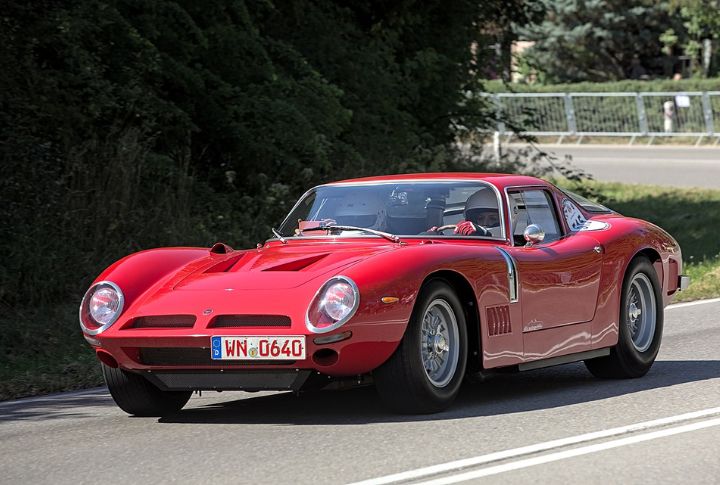
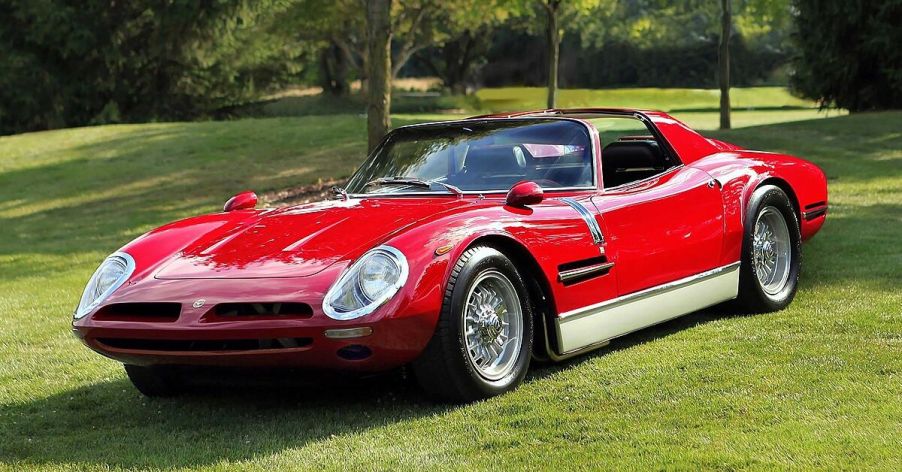
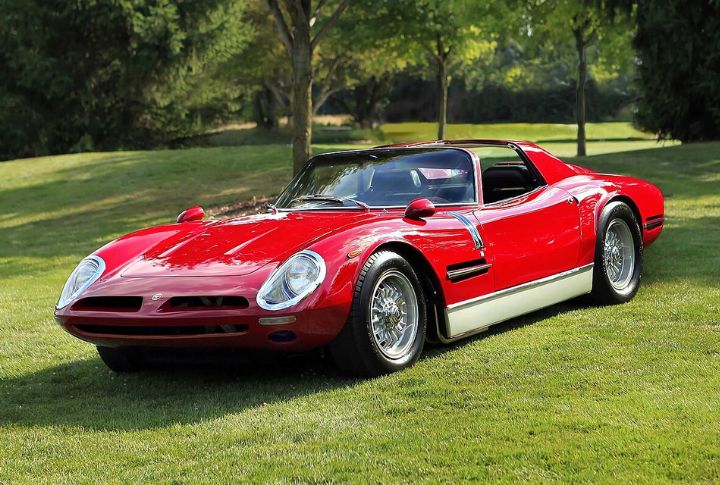
The Bizzarrini 5300 GT excelled at Le Mans in the 1960s by showing the raw potential of its Corvette V8 and lightweight aluminum body. Giotto Bizzarrini designed it after parting ways with Ferrari, so it faced poor distribution and low production. Just 133 units were made in Livorno, Italy.
Toyota 2000GT
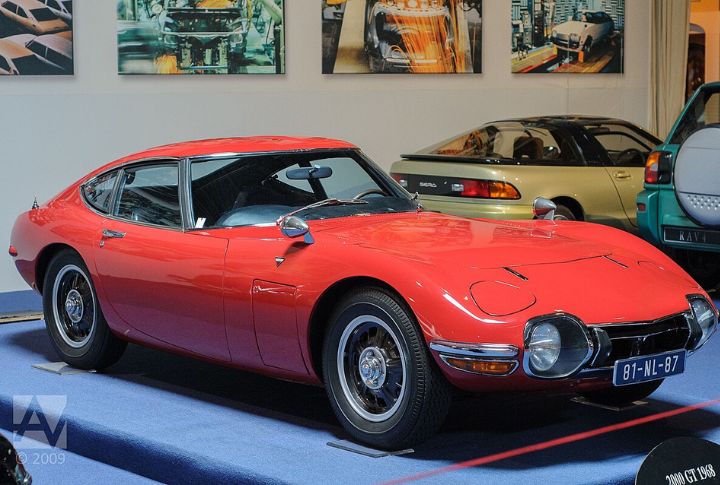
The 2000GT starred in the James Bond film “You Only Live Twice” to earn international attention despite its limited production. Only 351 units were ever built, and this sleek machine housed a 2.0L DOHC inline-six. Toyota and Yamaha developed it jointly in the late 1960s by redefining Japan’s sports car ambitions.
Yamaha OX99-11
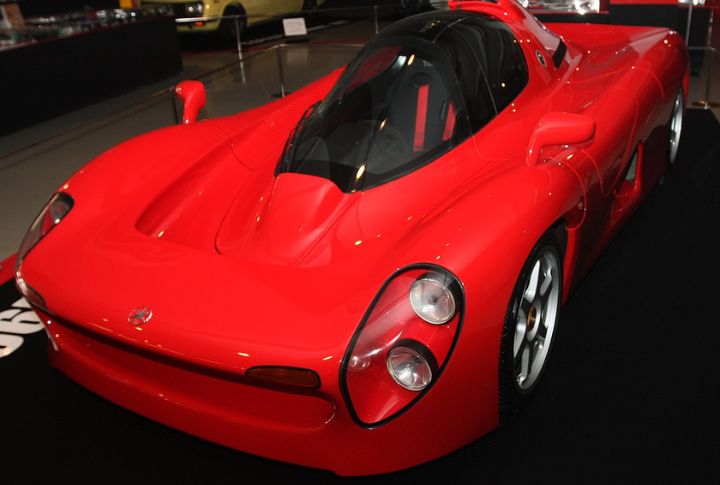
In 1992, Yamaha developed the OX99-11 using its Formula One V12 engine and a carbon-fiber monocoque chassis. It featured tandem seating beneath a canopy-style roof. Only three prototypes were built before Japan’s recession halted the project.
Venturi Atlantique 300
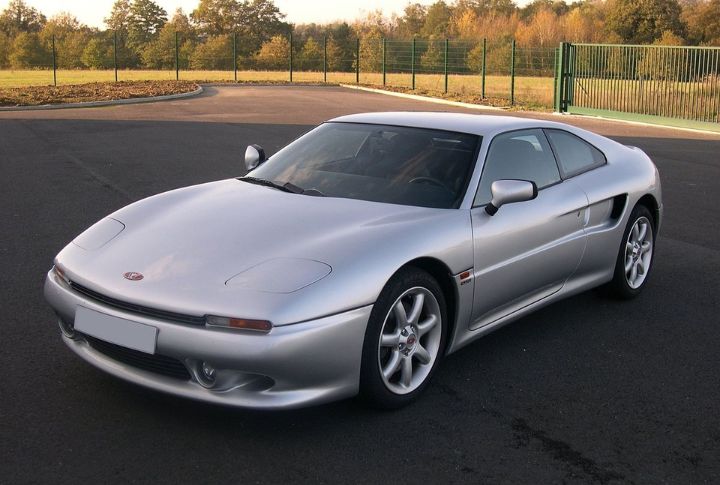
Venturi built fewer than 700 across all variants before production quietly ended in 2000 due to limited market reach. Despite offering strong handling and GT-level comfort, the Atlantique 300 remained obscure. It was introduced in 1996 with a turbocharged Peugeot-Renault V6 and had a mid-engine layout and composite construction.
Qvale Mangusta
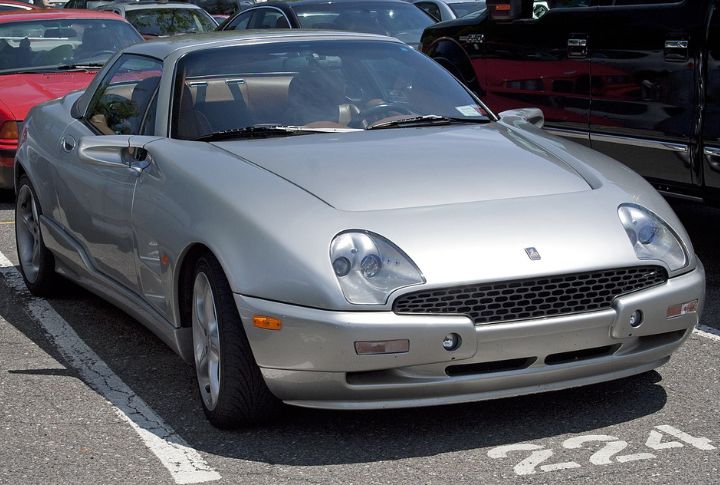
Originally intended to revive the De Tomaso Mangusta, the Qvale version launched in 2000 with a Ford-sourced 4.6L V8 and a “roto-top” convertible roof. Production quality and styling divided critics. Only 284 units were built before Qvale exited, and MG Rover absorbed the platform.
Marcos TSO GT
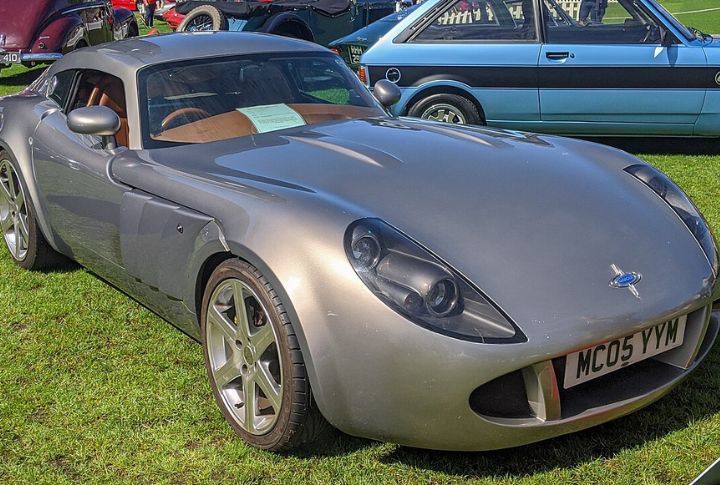
With fewer than 50 units completed, the TSO GT became one of Marcos’s final efforts. It launched in the mid-2000s with a Chevrolet V8 and lightweight composite panels to earn praise for its balance of power and refinement. But funding collapsed, and production quietly ceased by 2007.
Hommel Berlinette RS2
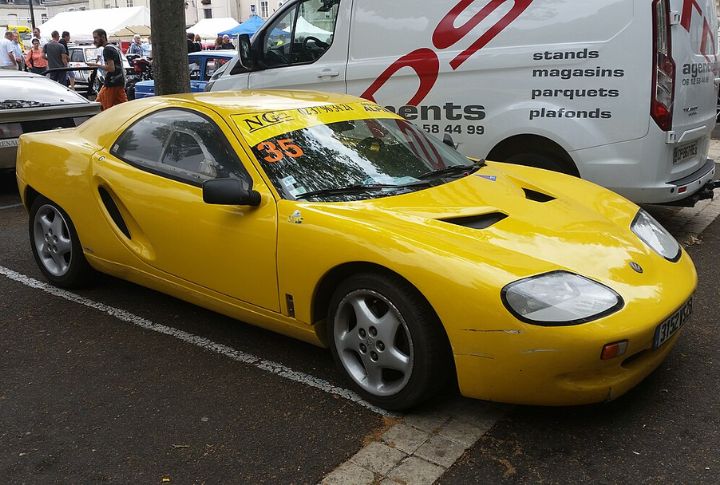
In 1999, the Berlinette RS2 entered the scene with a 2.0L Peugeot engine and a lightweight fiberglass shell tailored for track-day purists. French journalist Michel Hommel envisioned it as a no-frills driving machine. After just 60 were built, production ended when his factory closed in 2003.