15 Reasons Mechanics Warn Against Buying a Toyota
Toyota has long been celebrated for its reliability and efficiency, but mechanics are concerned about potential drawbacks. The following points, from potentially expensive repairs to issues with new technology, may make you think twice before purchasing this car. Explore why some experts suggest reconsidering models like the Camry, Corolla, and Tacoma.
Reliability Concerns
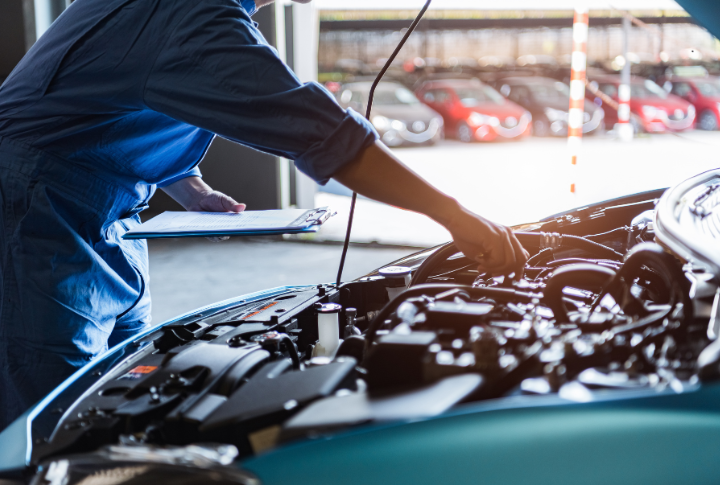
While Toyotas like the Camry and Corolla have reputations for reliability, some mechanics note that recent models show declining quality control, leading to unexpected issues. Problems with electronics and build quality have emerged, prompting concerns about long-term durability that could affect owner satisfaction.
High Repair Costs

Parts for models such as the RAV4 and Highlander can be expensive, leading to high repair costs, especially with the new advanced technology components. Mechanics warn that even routine maintenance can become costly, deterring budget-conscious buyers who expect affordable upkeep.
Transmission Issues
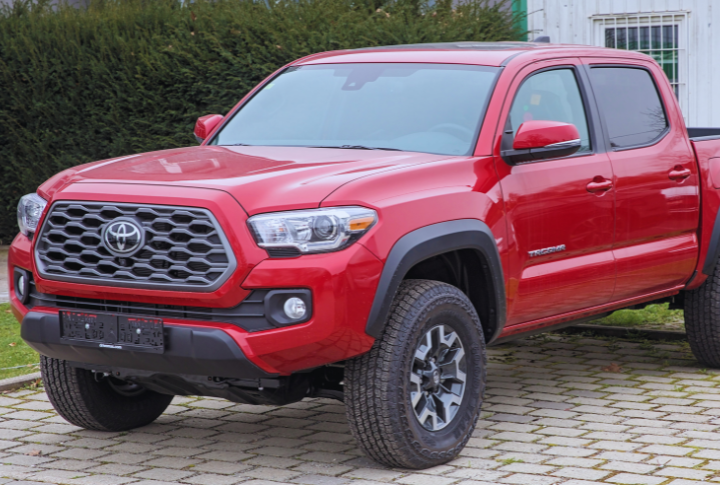
Specific models, including the Tacoma, have reported transmission problems that result in costly repairs and inconvenience for owners. Mechanics emphasize that these problems, if not addressed promptly, can lead to more significant mechanical failures and additional expenses.
Recalls and Safety

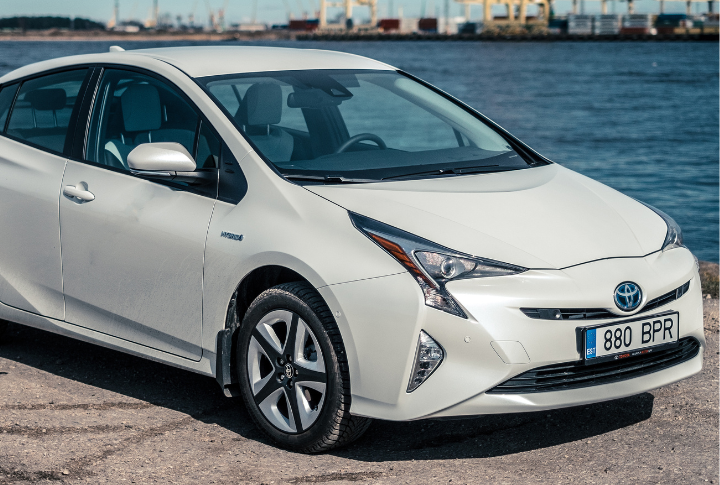
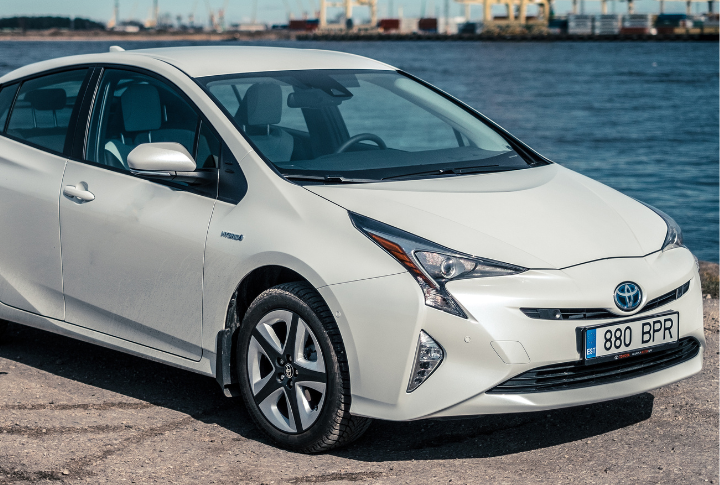
Despite Toyota’s reputation, various models, such as the Prius, have faced numerous recalls in recent years, raising concerns about safety and manufacturing consistency. These recalls highlight potential risks, undermining consumer confidence in what was once considered an unassailable brand.
Rust Problems

Sadly, even older Toyotas are not exempt. Some models, especially older Tacomas and Tundras, are prone to rust, which can affect longevity and resale value. Mechanics caution buyers about potential corrosion issues that can compromise vehicle integrity and lead to expensive repairs.
Tech Overload

The brand’s newer iterations, such as the Avalon, include complex technology systems that can be confusing for some drivers and challenging to repair. Mechanics report frequent problems with infotainment systems and electronic features, making them challenging for those unfamiliar with advanced tech.
Outdated Styling
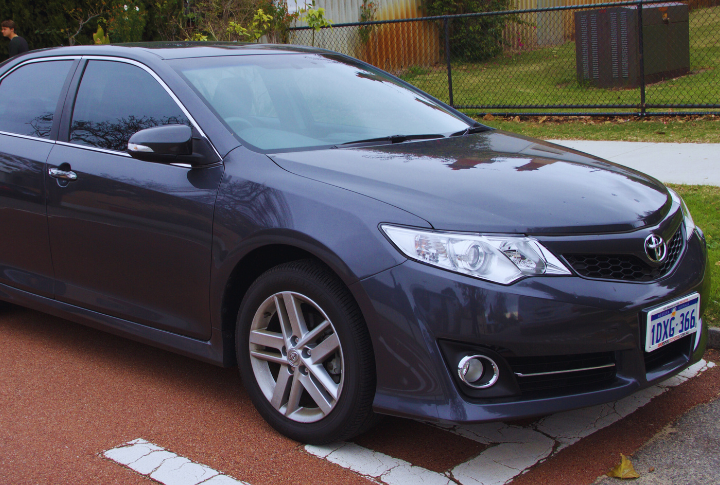
Some buyers find Toyota’s design choices, especially in models like the Camry, conservative and less appealing compared to more modern-looking competitors. This lack of innovation in styling can deter those seeking a fresh, contemporary appearance in their vehicle.
Steering and Handling

Mechanics sometimes criticize Toyota’s steering and handling, describing it as less responsive than brands like Mazda or BMW. Models such as the Avalon may offer a smooth ride but can lack the engaging driving dynamics desired by enthusiasts.
Fuel Economy Discrepancies

While models like the Prius are advertised as fuel-efficient, real-world performance can vary significantly, leading to disappointment in expected fuel savings. Owners often report that actual mileage falls short of manufacturer claims, impacting overall cost-effectiveness.
Limited Customization
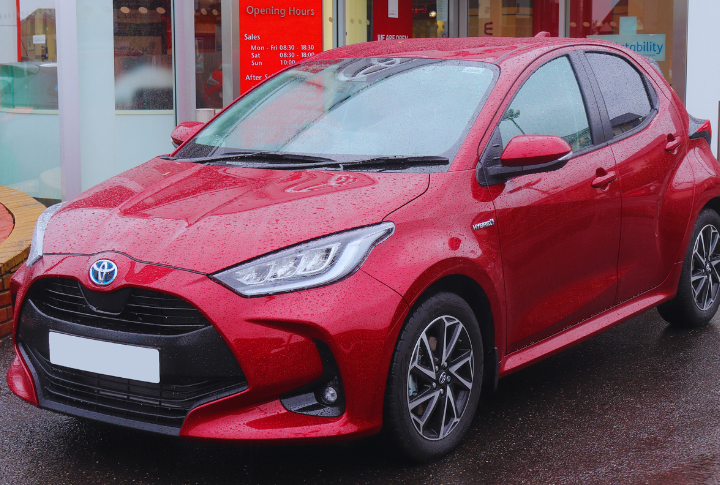
Toyota vehicles often come with fewer customization options, limiting personalization compared to competitors like Honda and Ford. Buyers seeking a unique driving experience might find the options in models such as the 4Runner less satisfying.
Cabin Noise

Certain models, including the Corolla, have been reported to have higher cabin noise levels, which can affect overall driving comfort. This can be particularly noticeable on highways, where wind and road noise disrupt the quiet ride that many expect from a quality sedan.
Overpriced Features
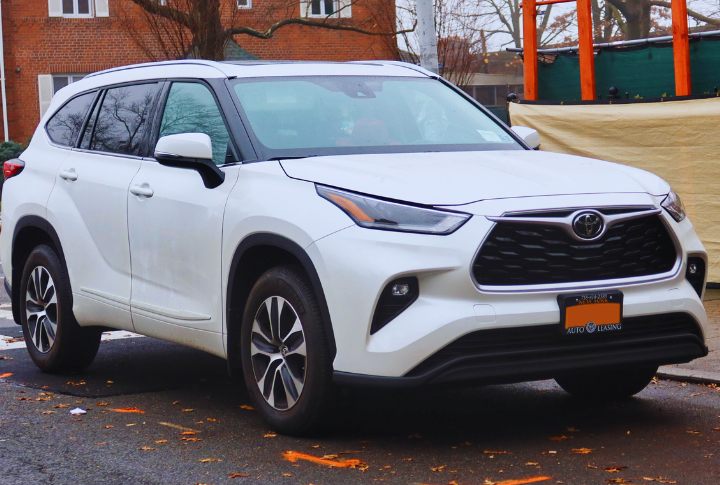
Toyota often charges a premium for standard features in other brands, making them less cost-effective. Models like the Highlander may require additional packages for desired features, unexpectedly increasing the total purchase price.
Slow Innovation
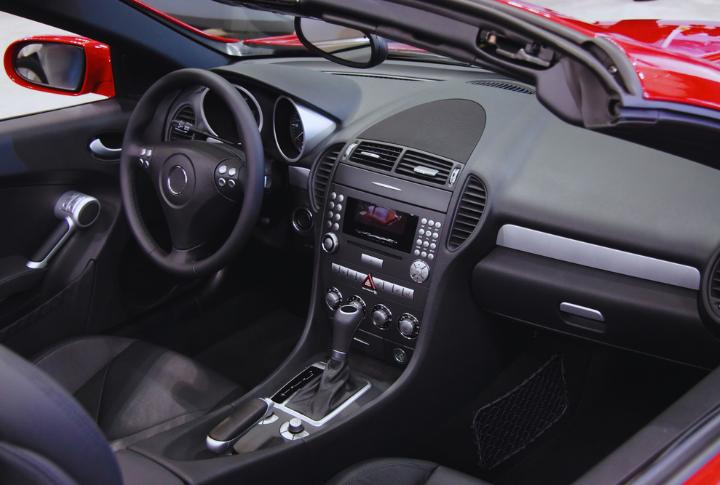
Toyota has been slower in adopting new automotive technologies, lagging behind competitors in innovation. While brands like Tesla and Ford push boundaries with autonomous features, Toyota’s progress remains incremental, leaving tech-savvy buyers wanting more.
Hybrid Battery Concerns
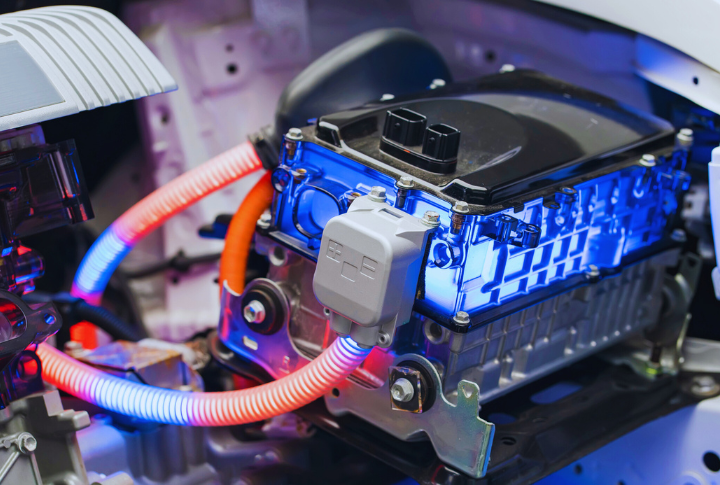
Mechanics warn that hybrid batteries in models like the Prius can be expensive to replace once out of warranty. This potential cost is a significant consideration for buyers focused on long-term ownership expenses, impacting the appeal of Toyota’s hybrid lineup.
Resale Value Fluctuations
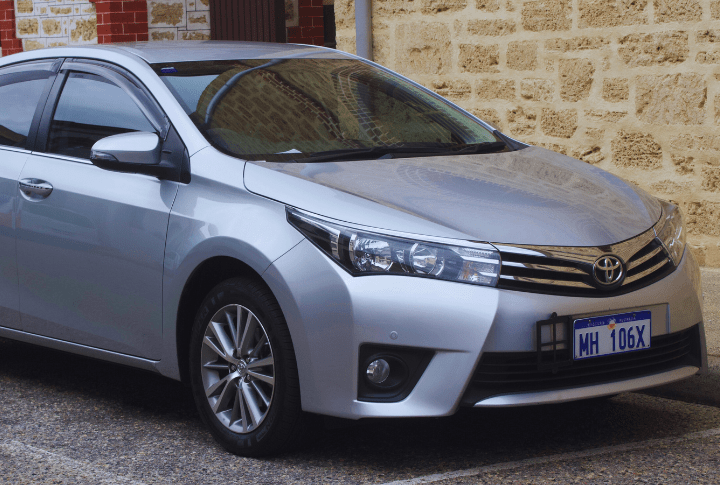
While traditionally strong, Toyota’s resale values have fluctuated due to increased competition and market saturation. Models like the Camry face pressure from rivals offering more features and innovation, affecting long-term value retention.