20 Popular Cars People Still Buy Despite Ongoing Complaints

Not every car that earns a lousy reputation fades into obscurity: some defy the odds and continue selling in impressive numbers. Their strong brand image sometimes keeps them going, while at other times, it’s their unique features. Here are 20 cars that have maintained their market shares despite continued criticism from experts and owners.
Fiat 500 (2007–2020)
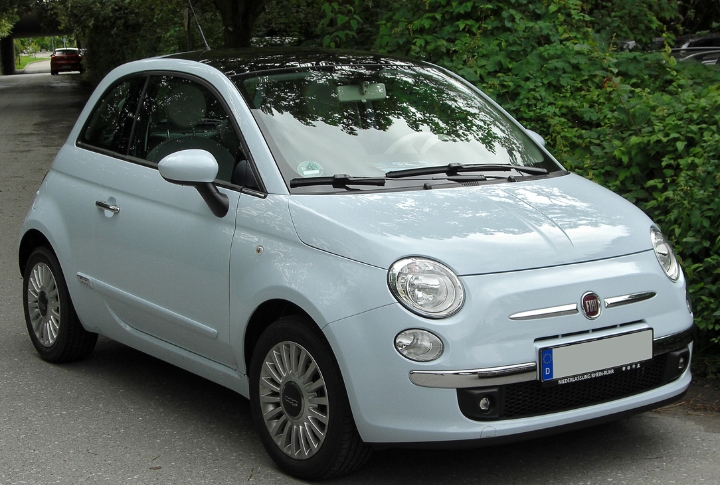
The Fiat 500 captivated urban drivers with its retro design and compact size. However, several users have complained about reliability problems, including electrical system failures and transmission troubles. Other complaints include frequent breakdowns and high maintenance costs. Still, the Fiat’s stylish appeal and affordability have sustained its sales.
Range Rover Evoque (2011–Present)
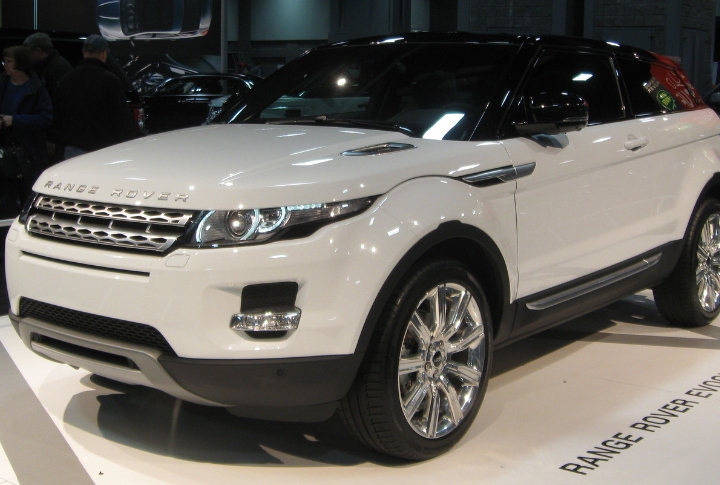
Marketed as a luxury compact SUV, the Evoque features a sleek structure and off-road capabilities. Yet, it has been criticized for electrical malfunctions and gearbox failure. Frequent software glitches have also been a concern for owners. Nonetheless, its prestigious branding and stylish appearance continue to attract customers.
Alfa Romeo Giulia (2016–Present)
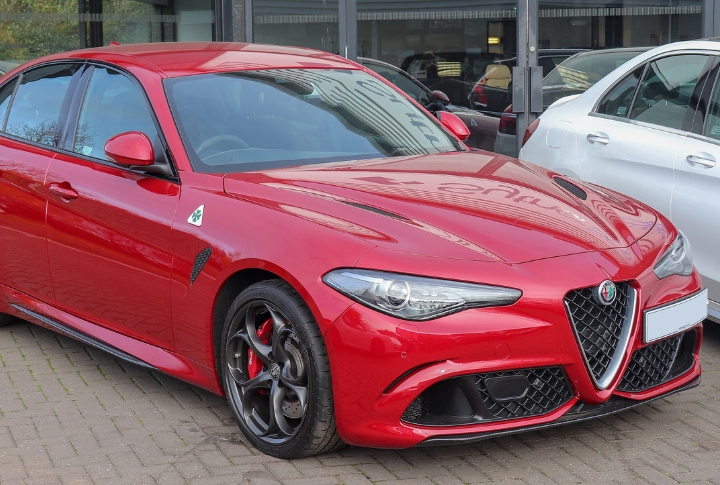
This high-performance sedan with Italian flair was introduced in 2016. Its unforgettable aesthetics continue to attract new patrons despite criticisms of the car. Many owners have complained about challenges like electrical faults and unreliable brakes, and concerns about its infotainment system have also been reported.
Jeep Renegade (2014–Present)
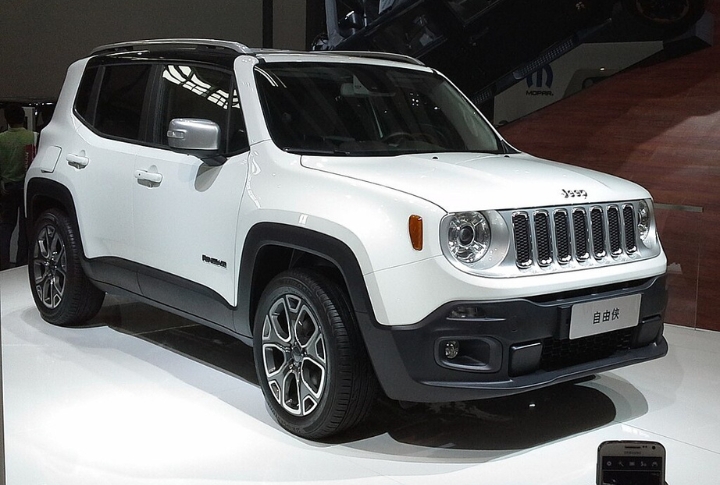
Jeep’s Renegade is a compact SUV with off-road capabilities and a distinctive build. Though buyers have expressed dissatisfaction with its transmission and handling, many others are attracted to the automobile due to its affordability and brand recognition. The Jeep name and the vehicle’s unique styling more than makeup for its lapses.
Mini Cooper (2001–Present)
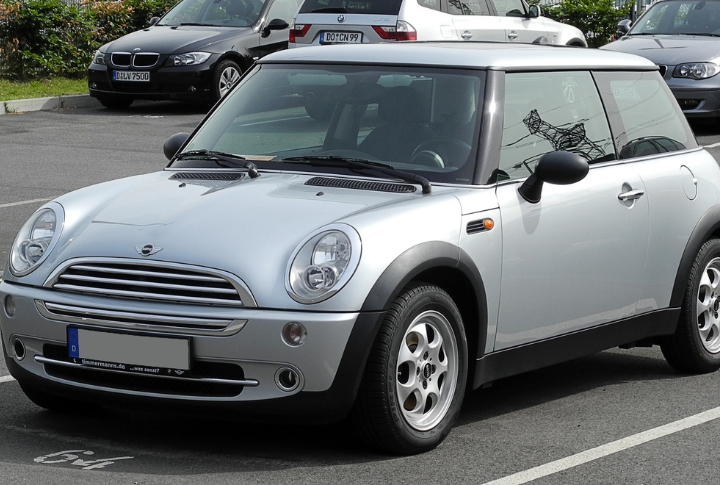
Despite its captivating body and agile handling, the Mini Cooper struggles with reliability concerns, including frequent mechanical problems and high maintenance costs. Owners often face issues with the transmission and electrical systems, but new consumers are willing to overlook the potential downsides of the car’s charm and driving experience.
Chevrolet Bolt (2016–Present)
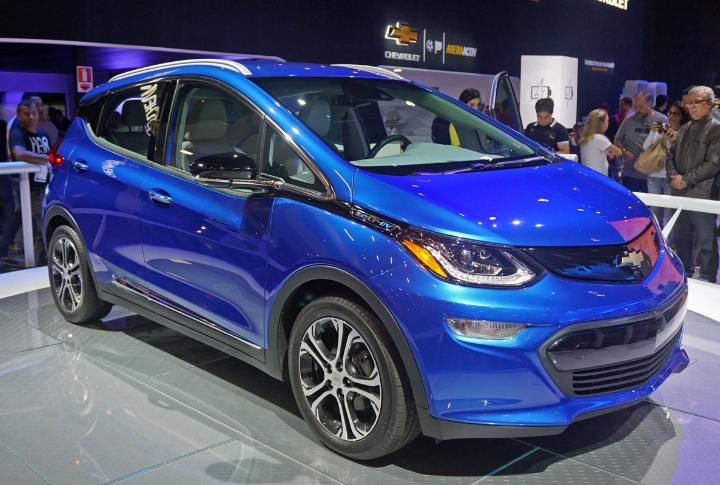
Although the Chevrolet Bolt marked a significant step in affordable long-range electric vehicles, it faced major setbacks due to battery-related fire risks. Additionally, criticisms have been directed at its cabin quality, with some users finding the materials subpar. Sales are, however, up due to Bolt’s competitive pricing and impressive electric range.
Jaguar XF (2007–Present)
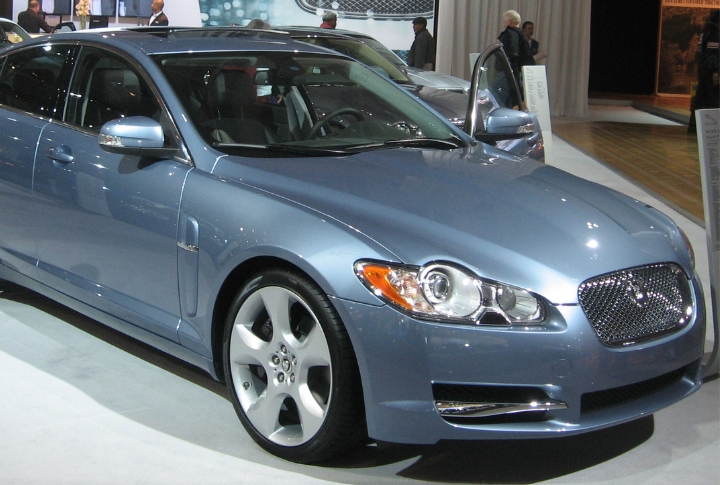
This midsize luxury sedan is known for its elegant construction and engaging handling. Criticisms arise from its suspension system, which is responsible for the stiff and sometimes uncomfortable ride. Undeterred, XF continues to market itself to people who appreciate its distinctive British styling and the prestige associated with the Jaguar brand.
Nissan Leaf (2010–Present)
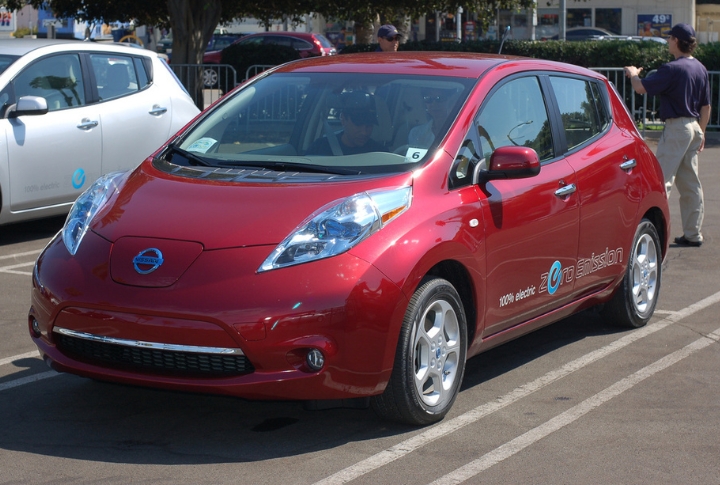
Consumers looking for a budget-friendly electric car often find the Nissan Leaf appealing. They feel the affordability outweighs the car’s criticisms, including its limited range and cramped rear seats. Some drivers have also noted less engaging driving dynamics, but for many, the value makes it a worthwhile choice.
Toyota Mirai (2014–Present)
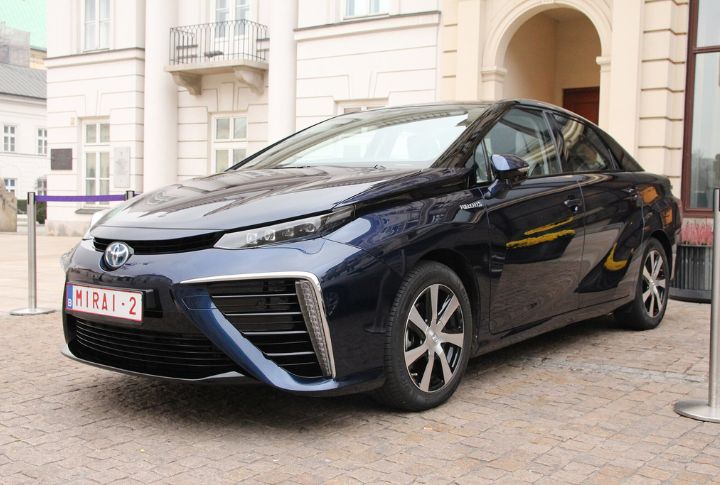
One criticism of the Mirai is the limited hydrogen refueling infrastructure. Additionally, some have found its performance and handling lacking. To address these concerns, Toyota introduced incentives such as complimentary fuel and extensive warranties, which many, especially eco-conscious buyers have appreciated.
BMW X5 (1999–Present)
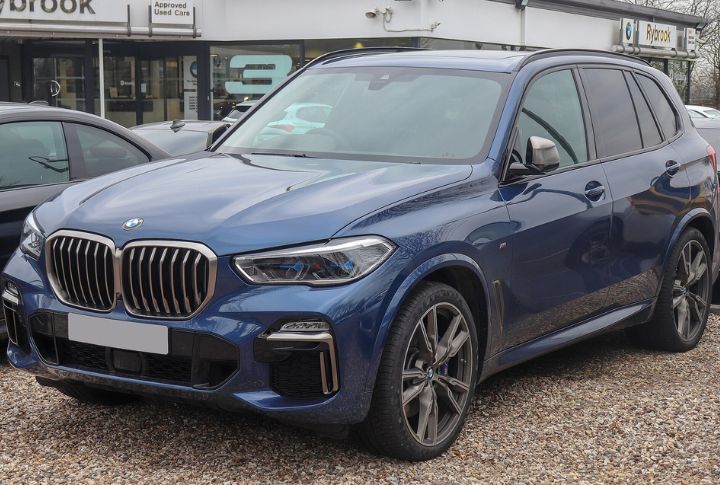
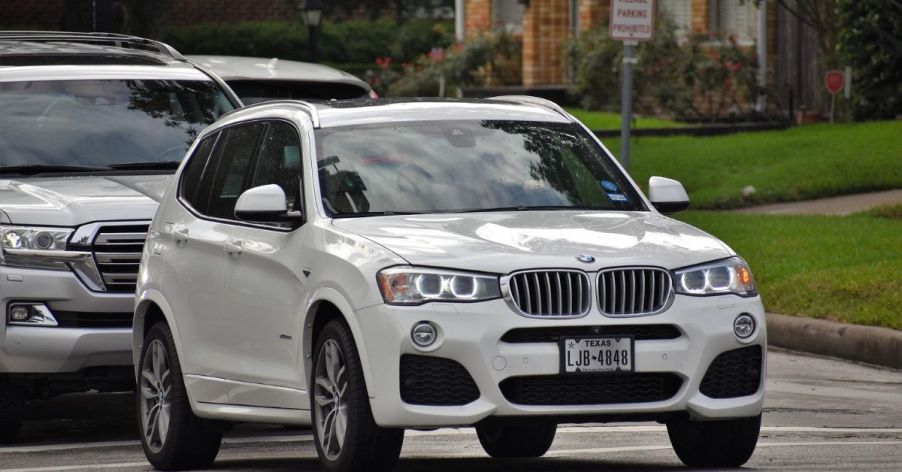
Issues like engine problems have heightened reliability concerns for the BMW X5, contributing to a relatively higher depreciation rate. Yet, consumers appreciate its brand prestige and luxurious interior. They gladly overlook potential maintenance challenges while focusing on the vehicle’s blend of efficiency and comfort.
Volkswagen Passat (1973–Present)
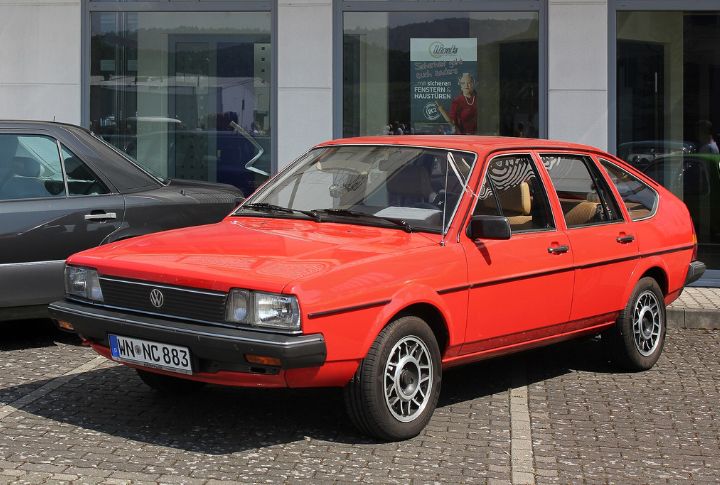
The Volkswagen Passat has long been praised for its spacious interior and European styling. However, models with the four-cylinder turbocharged engine have faced electrical and gearbox issues. While some users caution against buying it, those looking for a comfortable, stylish sedan at a competitive price still find it a worthwhile choice.
Range Rover (1970–Present)
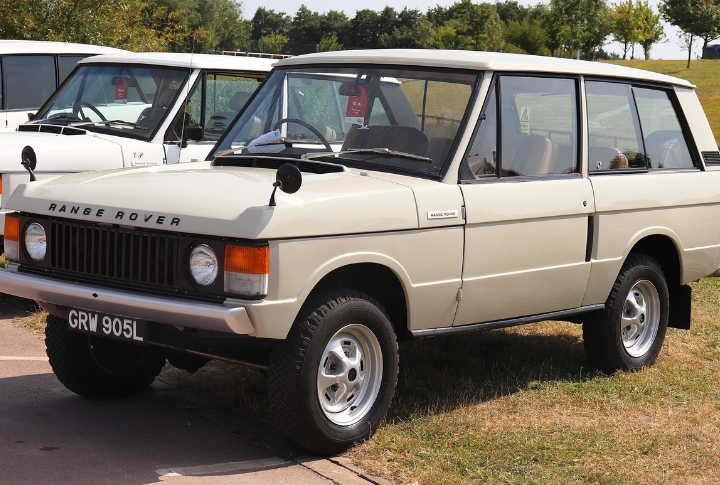
Featuring several luxurious and off-road capabilities, the Range Rover is often considered a status symbol in many markets. This is one reason sales are still up despite the automobile’s age, which leads to costly repairs and maintenance issues. Most buyers are drawn to its prestigious image, luxurious features, and enduring charm.
Ford EcoSport (2013–2022)
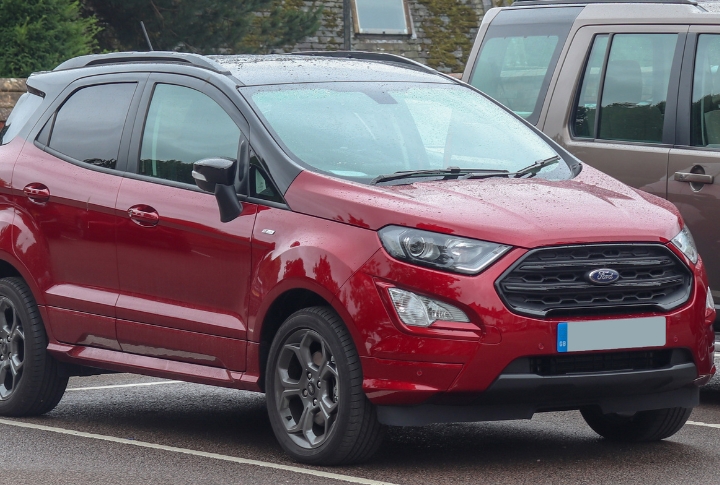
At its launch in 2013, the EcoSport was marketed as a compact and affordable crossover, appealing to city dwellers. However, it has received criticism for its stiff ride, lackluster driving experience, and outdated interior. Despite this, it sold well due to its affordable price and brand loyalty, particularly in developing markets.
Mitsubishi Mirage (2012–Present)
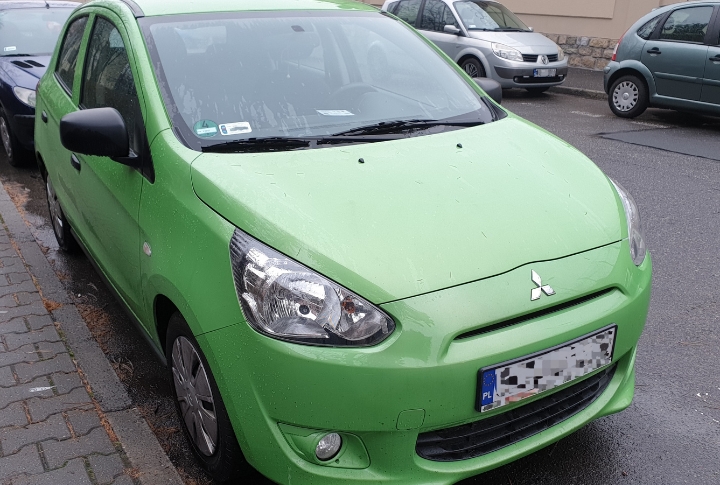
As one of the cheapest new cars available, the Mitsubishi Mirage is attractive to budget-conscious buyers. Some of its prevalent challenges are its underpowered engine and minimal safety features. Yet, its fuel efficiency and affordability ensure steady sales, especially for first-time car buyers and city commuters.
Dodge Journey (2008–2020)
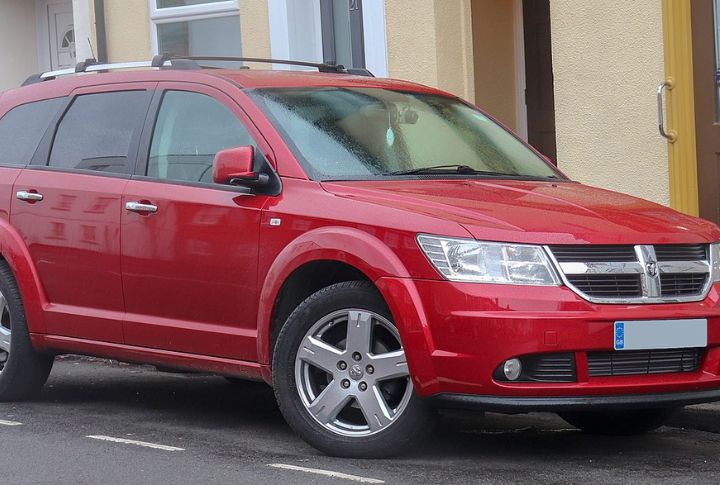
Despite being panned for its outdated technology, lackluster performance, and cheap interior materials, the Dodge Journey remained a strong seller for years. Its low price and spacious cabin appealed to families seeking an affordable SUV. Rental fleets also played a significant role in keeping its sales numbers high.
Tesla Model 3 (2017–Present)
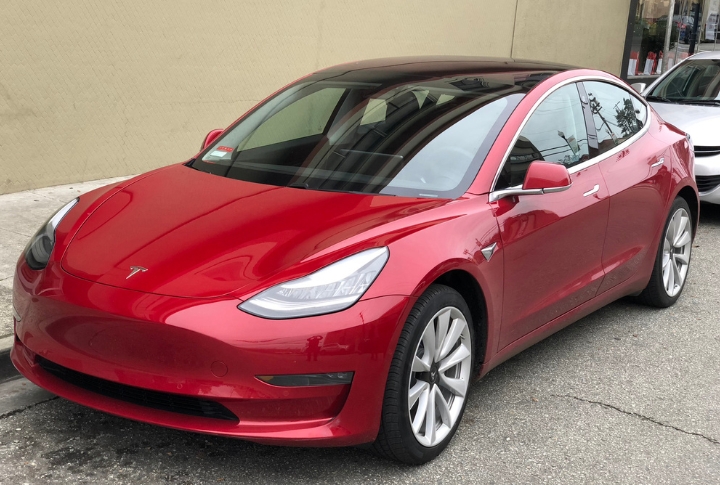
Some owners of the Tesla Model 3 complain about inconsistent build quality and service delays. Others have also reported panel gaps and premature interior wear. Nevertheless, the car’s impressive electric range and Tesla’s strong brand image keep it in high demand. The vehicle has also remained a best seller for many years.
Subaru Ascent (2018–Present)
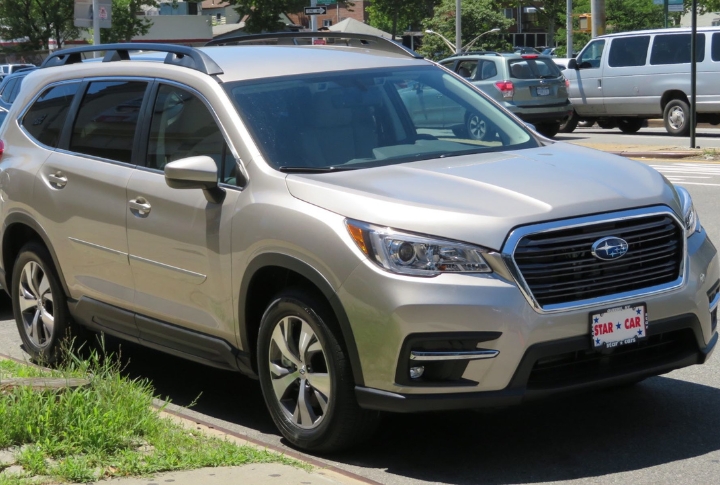
While some users praise the Subaru Ascent for its all-wheel drive and spacious cabin, others have reported persistent issues with its transmission and infotainment system failures. Those who still gravitate towards the car include outdoor enthusiasts and families who love the car’s reputation for safety.
Chrysler 200 (2011–2017)
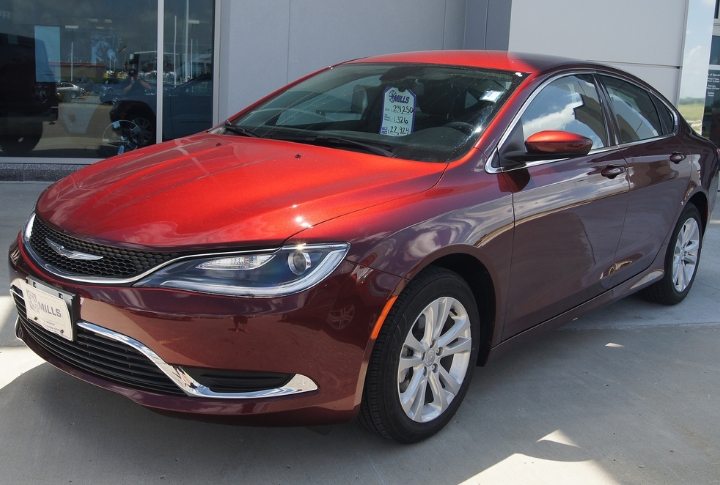
The Chrysler 200 struggled with reliability issues and a cramped rear seat. Owners often complained about the nine-speed automatic transmission, which would hesitate or shift erratically. Despite these flaws, Chrysler continues to see strong sales, thanks to aggressive discounting and its widespread presence in rental fleets.
Chevrolet Malibu (2016–Present)
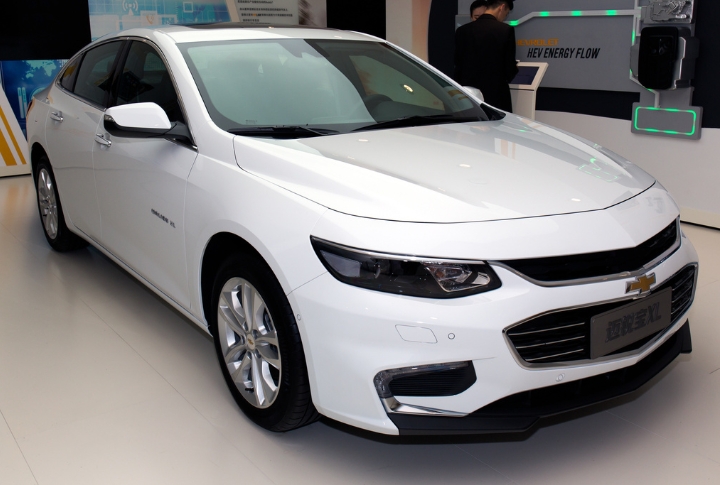
Chevrolet’s frequent incentives and financing deals encourage buyers to overlook the Malibu’s challenges. These issues include complaints about the uninspiring base engine, transmission failures in some models, electrical problems, and an unrefined start-stop system that frustrates drivers. The interior, with its lower-quality materials, isn’t satisfactory either.
Jeep Compass (2007–Present)
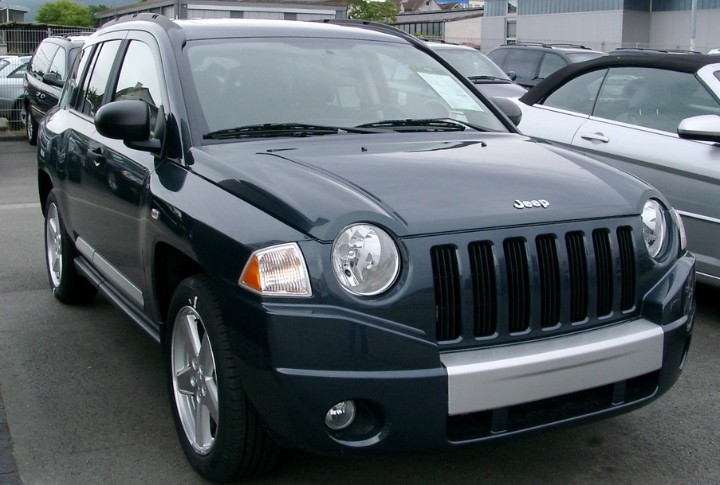
Jeep’s secret to steady turnover is its high ground clearance and all-wheel drive. Most customers don’t mind the weak engines and noisy CVT transmissions in early models. They also overlook the poor interior materials, with hard plastics and outdated designs, as they’re focused on the off-road experience.