Can a police drone ticket you for speeding?
We all know to slow down when we spot the squad car hiding in the bushes. But what if the new speed trap is 300 feet in the air, silent, battery-powered, and piloted from a folding chair in the precinct basement? Welcome to the age of drone traffic enforcement.
Ross Township tests drone ticket patrols
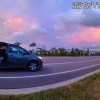
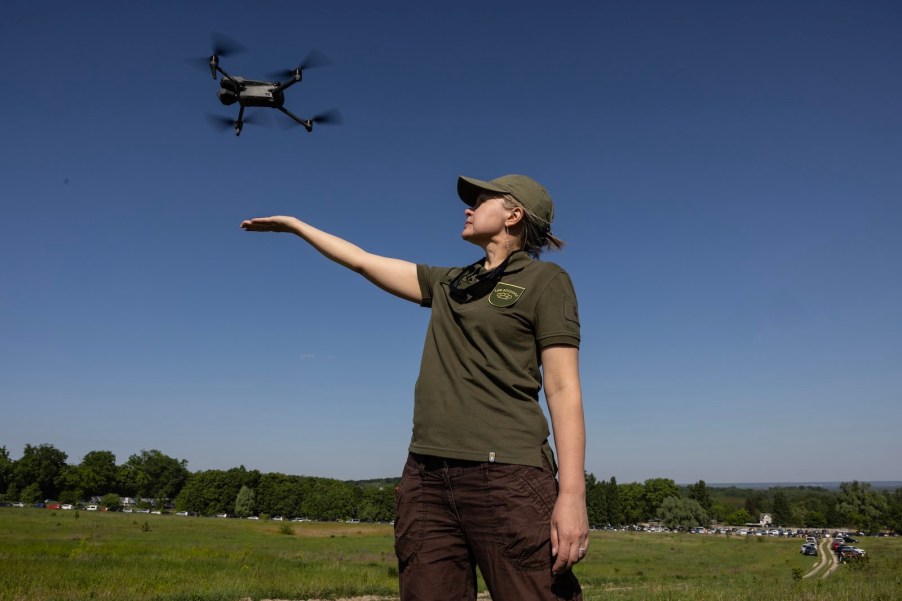
Police in Ross Township, PA, already use drones to catch drivers rolling through stop signs. Deputy Chief Brian Kohlhepp said, “We would have the officer on the drone watching it, and then we would have another officer and a marked patrol car further down the road where they could conduct the traffic stop.”
Kohlhepp added, “Our goal here is to make it safer for the motoring public. This isn’t an ah-gotcha-sort-of-a thing, and we’re predominantly using this in areas where we can’t otherwise monitor the stop sign with a patrol car.”
The department has conducted studies to expand drone use to speed enforcement. Kohlhepp explained, “We clocked over 160 cars and we had an operator using a drone and clocking the vehicle speed. At the same time, we were clocking our speed with a different device that utilizes lasers that we already use now for speed enforcement. And of the over 160 cars we clocked, we were getting a deviation of less than half a percent, so it’s less than 1 mile an hour difference from the laser device to using the drone.”
However, issuing drone tickets isn’t legal yet. Kohlhepp noted, “We’re still exploring that, and we’re going to be in conversation with the district attorney’s office to see about using it for speed enforcement.”
The future of drone ticket enforcement
Police already use planes and helicopters to time cars between two road markers. If the car’s too quick, they radio its make, model, and plate to a cruiser down the road. They could do the same thing with a drone—at a fraction of the cost.
Attorney Adam Chrzan explained, “Police typically cannot use drone footage or videos someone sends to issue a traffic ticket because they lack the human-wheel witness required.” He added, “Even if they have camera footage, there may be legal routes to challenge it.”
Despite these legal hurdles, the cost savings are significant. Drones are cheaper to operate than aircraft, so departments may feel obligated to use them to save taxpayers money.
Drones already in the field
Several departments have already integrated drones into their operations. Washington’s Renton Police Department uses drones to map crime and traffic accident scenes, creating detailed 3D reconstructions. Kent Police Department deploys drones for collision and crime scene mapping, reducing road closures and disruptions. The Tukwila Police Department utilizes drones for search and rescue operations, crime and accident scene documentation, and enhancing officer safety during critical incidents. In California, the Elk Grove Police Department launched a “Drone as a First Responder” program, deploying drones to emergency calls for real-time aerial insights.
No, drones aren’t writing speeding tickets—yet. But give it time. With departments under budget pressure and drones already patrolling intersections, it’s hard to imagine this loophole staying closed much longer.