Old-School Police Cars You Forgot About (And Why They Still Matter)
Ever catch yourself staring at an old police car and thinking how they just don’t make them like that anymore? Those big engines and boxy frames weren’t just for show. They tell the story of how law enforcement evolved alongside the rise of American automotive engineering.
Rapid Model F 700B Police Patrol Wagon (1910)
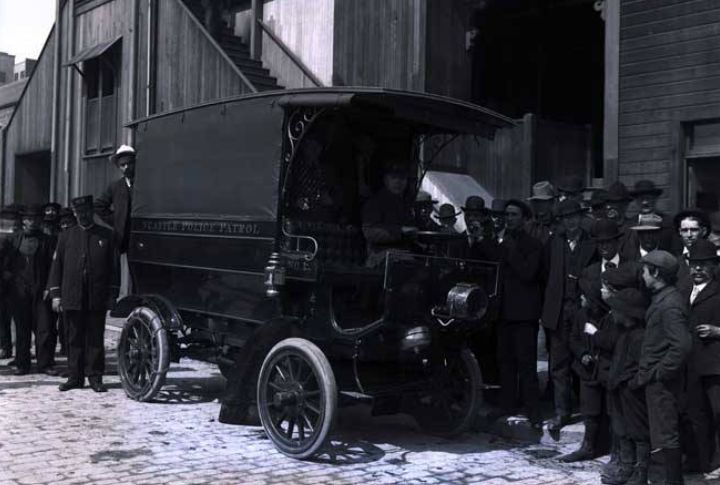
The 1910 Rapid Model F 700B patrol wagon helped law enforcement move beyond horse-drawn vehicles. Built before General Motors formally replaced the Rapid brand in 1911, this sturdy design advanced motorized policing after GM’s acquisition of Rapid Motor Vehicle Company in 1909.
Ford Model T Police Truck (1919)
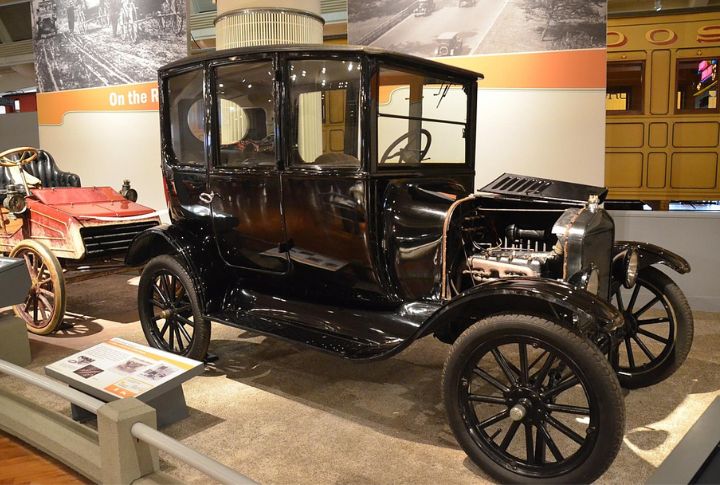
By 1919, the Ford Model T became a practical option for police work across America. Departments locally modified the inexpensive, rugged design for patrol and transport duties. The Model T’s simple mechanics and sturdy chassis made it one of the earliest examples of adapting civilian cars for public service.
Lincoln Model L Police Conversion (1924)
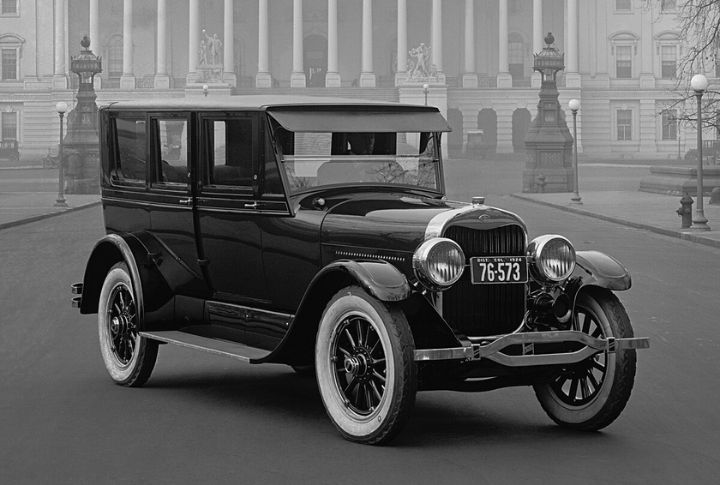
Police departments in the 1920s adapted the Lincoln Model L, sometimes nicknamed the “Police Flyer,” for rapid response work. Powered by a 90-horsepower V8 and featuring upgrades like four-wheel brakes and bulletproof glass in customized builds, it became a formidable vehicle during Prohibition’s high-speed chases.
GMC Cowl Chassis (1929)
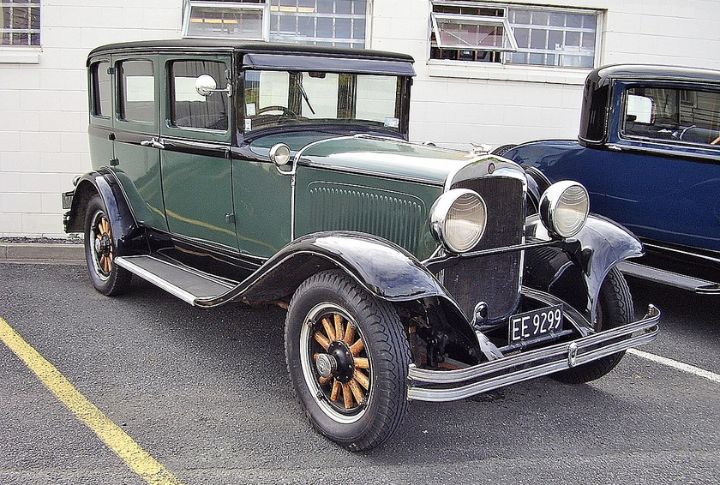
GMC’s 1929 Cowl Chassis gave police departments the flexibility to design purpose-built vehicles. Delivered with only a front-end, departments commissioned custom rear bodies, often converting them into prisoner transport vans. This modular design approach helped shape the diverse fleet of specialized police vehicles seen in later decades.
Buick Four Door Sedan (1935)
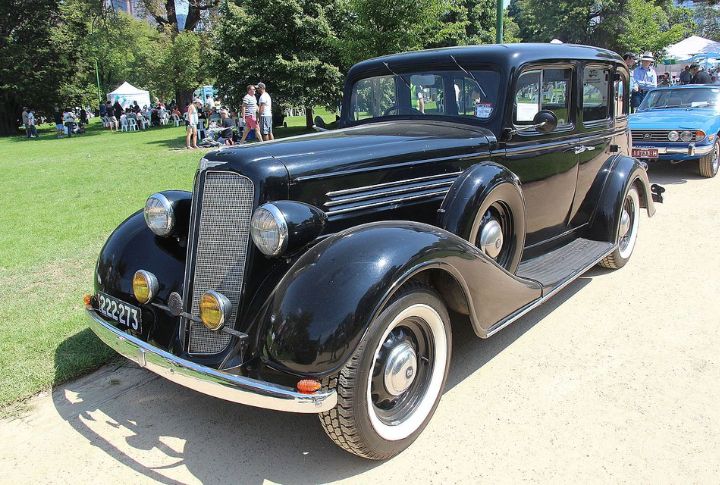
Buick’s 1935 Four Door Sedan, adapted for police service, combined performance with new safety features like standard laminated glass and independent front suspension. Some departments added armored modifications. Its straight-eight engine, along with durable design choices, made it a trusted patrol car in a rapidly modernizing America.
Chevrolet Master Deluxe Police Vehicle (1938)

The 1938 Chevrolet Master Deluxe, used by agencies like the Indiana State Police, offered a six-cylinder engine and sturdy Town Sedan foundation. Practical features like pillar-mounted assist straps and a concealed underfloor toolbox supported the needs of officers during accidents and highway pursuits.
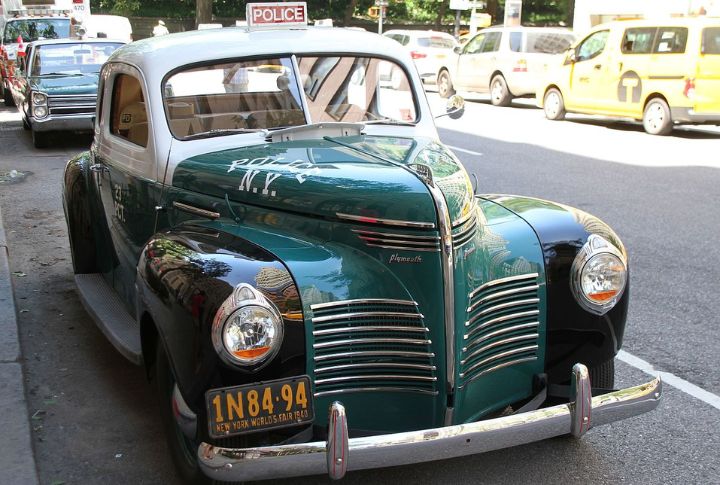
Plymouth P8 Coupe New York Police Car (1939)
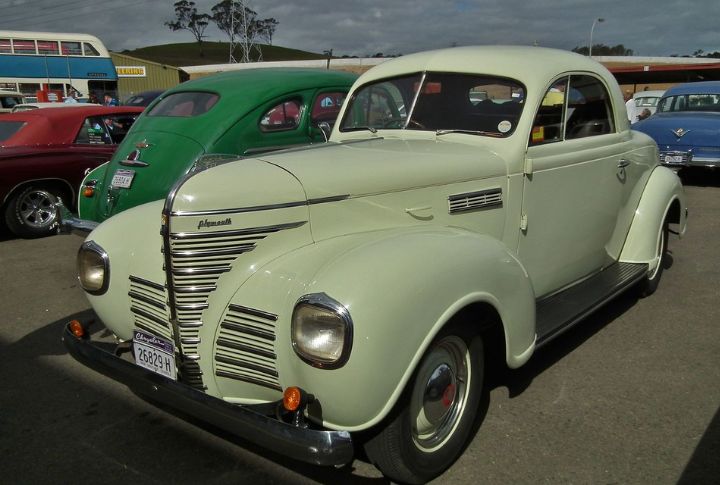
The 1939 Plymouth P8 Coupe became a familiar sight on New York’s streets, painted in the distinctive “NYPD Green” color scheme with black fenders. Plymouth’s growing reputation for durability and affordability earned it a place among department fleets during a time of expanding urban law enforcement.
Ford Police Cars for Dearborn, Michigan (1946)
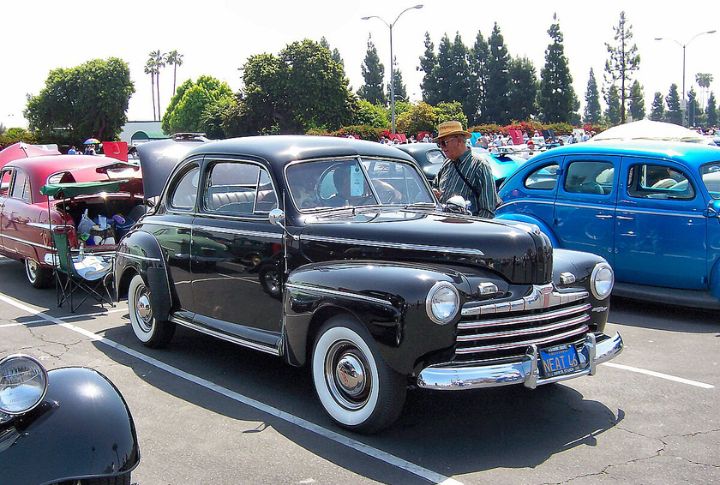
After wartime production halted civilian car manufacturing, Ford’s 1946 lineup helped reestablish police fleets. Dearborn officers relied on these postwar models, which retained prewar designs and featured Ford’s dependable 3.9-liter Flathead V8 engines. Speed and rugged construction helped departments stay strong after years of rationing and shortages.
1952 Hudson Hornet Police Intercepto
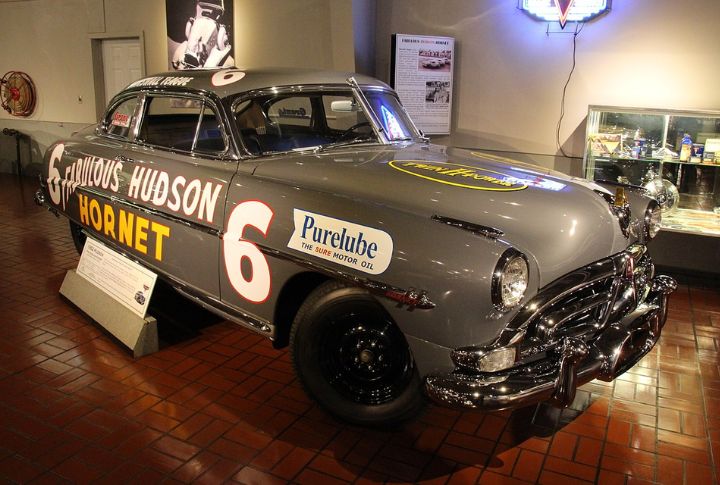
While better known for its NASCAR dominance, the 1952 Hudson Hornet was also adopted by several US police departments. Its Twin H-Power dual-carburetor straight-six engine was fantastic for high-speed pursuit and rural highway patrol. The car also handled corners better than many competitors, thanks to its low-slung “step-down” design and advanced suspension.
Chevrolet 210 Series Police Car (1956)
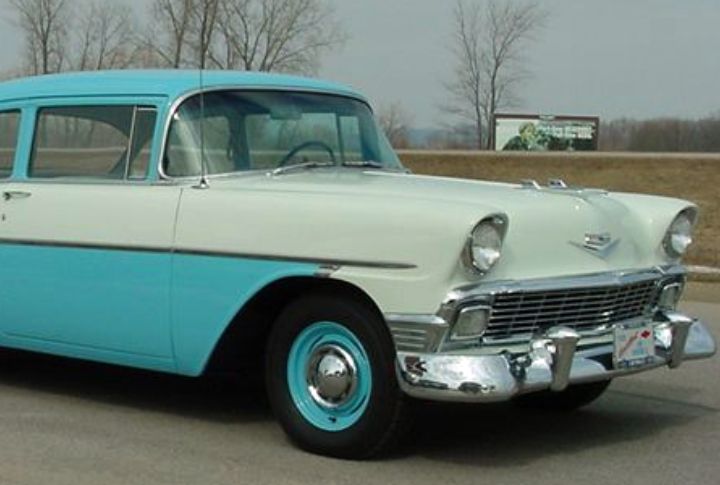
Chevrolet’s 1956 210 Series, marketed to law enforcement, delivered a low center of gravity, wide rear springs, balanced handling, and flexible engine options. Officers could choose between a six-cylinder or a small-block V8, making the 210 a versatile choice for city patrols and highway enforcement alike.
Ford Fairlane Police Car (1956)
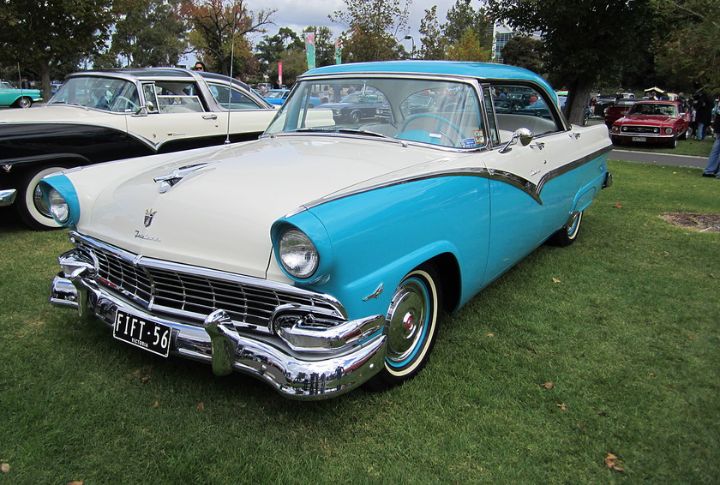
Ford’s 1956 Fairlane police sedans included performance-minded V8 options like the 292-cubic-inch Thunderbird Special. Early safety innovations, such as padded dashboards and recessed steering wheels, enhanced officer protection. While powerful, Ford did not formally apply the “Interceptor” branding to police models until later in the decade.
Dodge Coronet Police Car (1957)
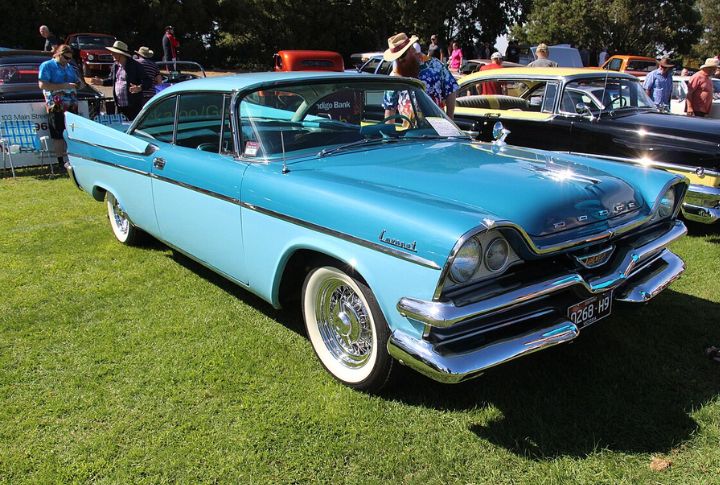
The 1957 Dodge Coronet, with the optional 325-cubic-inch Hemi V8, gave police departments a serious highway pursuit machine. Combined with bold styling and Chrysler’s TorqueFlite push-button transmission, the Coronet delivered both performance and modern convenience, making it a favorite for demanding traffic enforcement roles.
Chrysler Enforcer Police Car (1961)
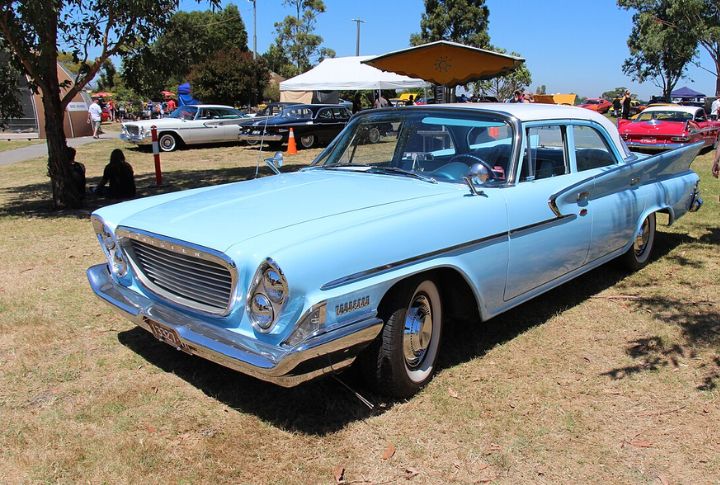
Chrysler’s 1961 Enforcer, based on the Windsor and Newport models, packed a 383-cubic-inch Dodge “B” V8 capable of hitting 130 mph. Police departments, including Detroit’s, valued the Enforcer for its high-speed capability and mechanical reliability during a period when faster highways demanded faster patrol cars.
Dodge Dart Police Sedan (1962)
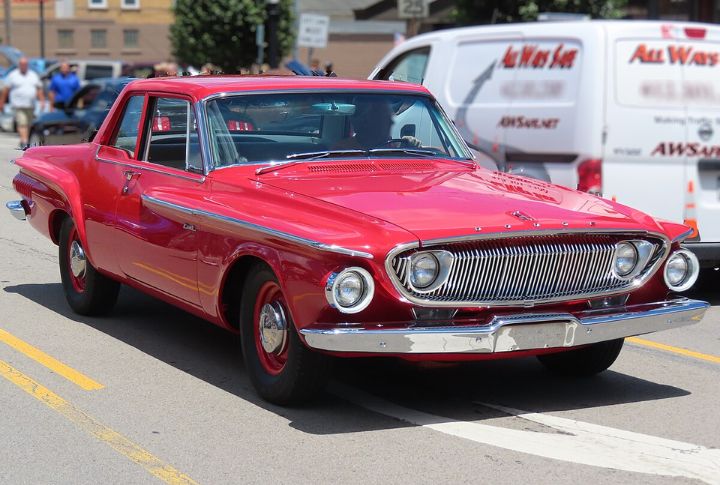
The 1962 Dodge Dart Police Sedan combined unibody construction with torsion-bar suspension to handle rough city streets and rural patrol routes. Powered by a 361-cubic-inch V8, it offered a strong balance of speed and maneuverability, keeping departments ready for diverse law enforcement challenges across regions.
Ford Police Interceptor (1963)
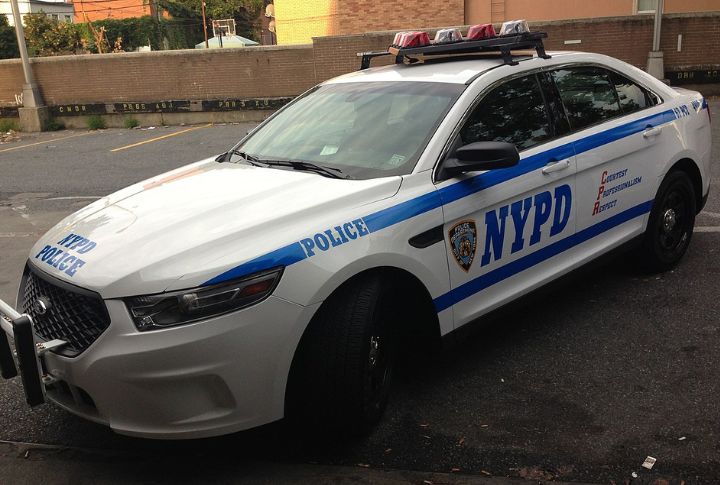
Ford’s 1963 Police Interceptor, part of the Galaxie lineup, delivered 330 horsepower from its 390-cubic-inch V8. Designed for durability, it featured anti-corrosion body treatments and upgraded brakes. Specialized paints and trim reinforced its heavy-duty identity, setting the stage for decades of Ford’s continued dominance in police fleets.
Chevrolet Biscayne 2-Door Police (1966)
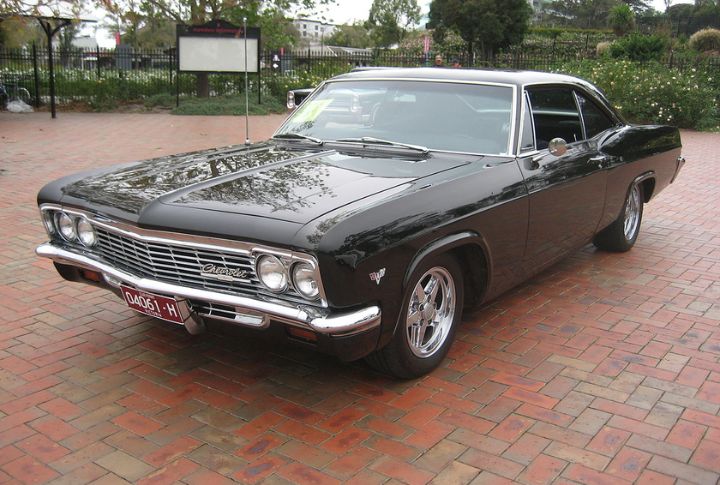
The 1966 Chevrolet Biscayne police model offered departments an affordable, no-frills platform with serious muscle. It was equipped with 427-cubic-inch V8s producing up to 425 horsepower, alongside reinforced suspension and Positraction differentials. The Biscayne could easily chase down speeding drivers and withstand the punishing rigors of daily patrol work.
Dodge Polara Pursuit (1966)
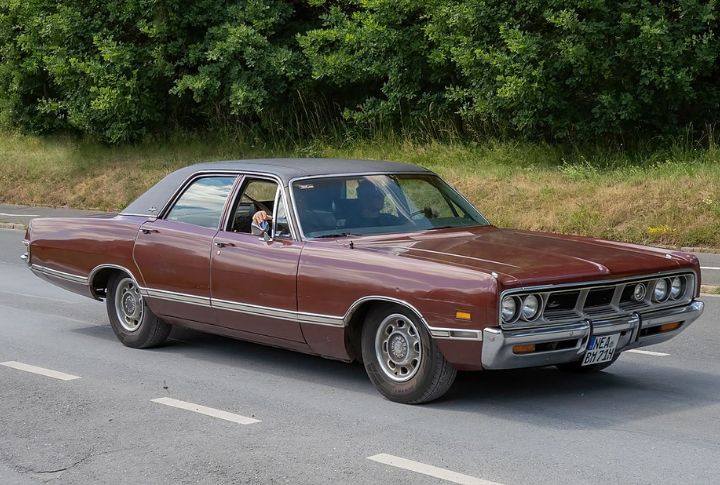
Dodge’s 1966 Polara Pursuit packed a 440-cubic-inch V8 engine producing 375 horsepower. Known for high-speed capability and rugged suspension, the Polara became a preferred choice for highway patrol units across multiple states, answering the demand for fast, stable pursuit vehicles on increasingly crowded freeways.
Pontiac Catalina Four-Door Sedan Police Car (1969)
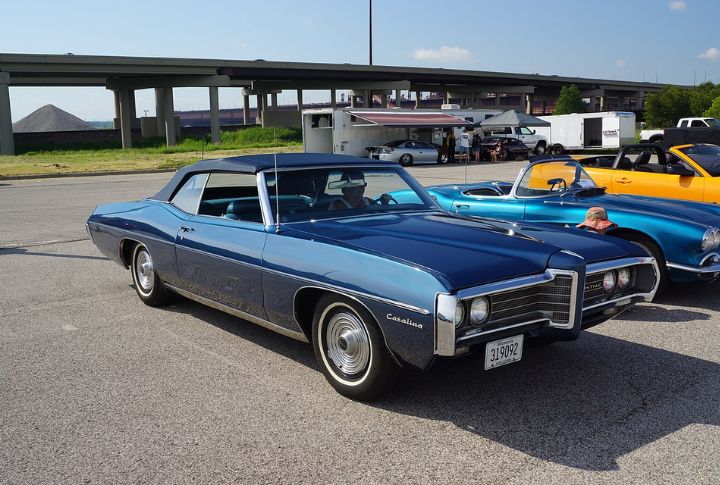
The 1969 Pontiac Catalina police sedan offered departments a 400-cubic-inch V8 producing 290 horsepower and a lengthy 122-inch wheelbase for added stability. With standard safety features like padded dashboards and lap belts, it provided both the performance and protection that modern law enforcement increasingly required.
Plymouth Satellite Police Car (1972)
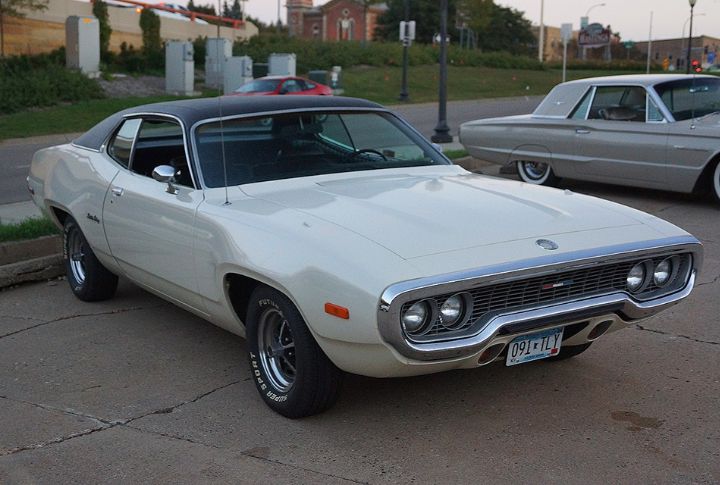
Plymouth’s 1972 Satellite, available with the A38 police package, was built for law enforcement needs with heavy-duty components and police-rated tires. While best known in pop culture for appearances in television series of the era, it was a dependable backbone of many real-world patrol fleets.
Chevrolet Nova Police Vehicle (1975)
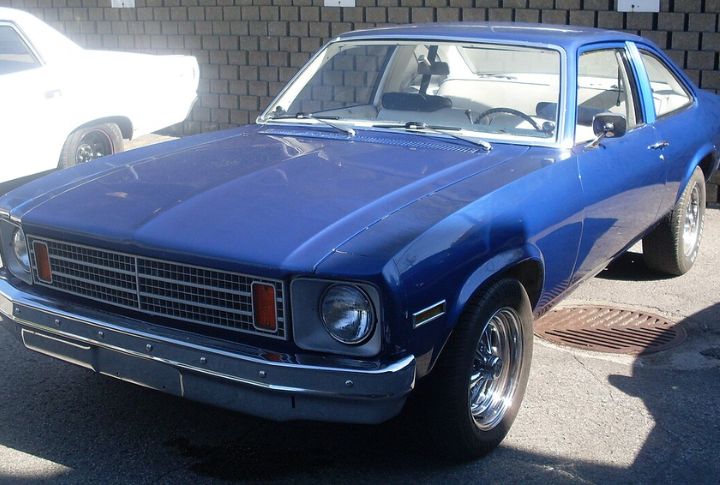
The 1975 Chevy Nova, fitted with the 9C1 police package, gave law enforcement a tough, no-nonsense car built for city duty. It packed a 5.7-liter V8, beefed-up suspension, and improved cooling—everything departments needed for quick response and steady performance without the bulk of a full-size cruiser.