Muscle Cars So Good You’ll Be Shocked They Weren’t Made In America
Most people think of muscle cars and picture Detroit metal—Chevelles, Chargers, Mustangs. But that formula of stuffing a big engine in a mid-sized, rear-wheel-drive body isn’t exclusive to America. Here are 20 cars that looked American muscle in the eye and said, “Yeah, we’ve got that covered too.”
Holden Monaro GTS 327 (Australia)
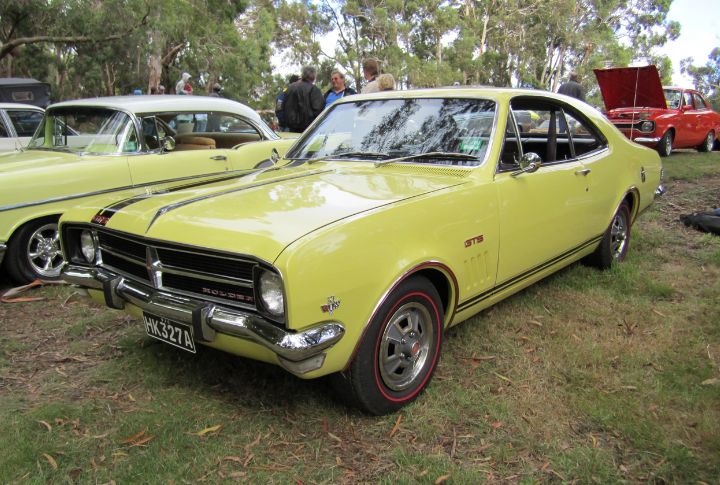
Holden’s GTS 327 wasn’t subtle when it launched in 1968. It rolled onto the scene with a Chevy-sourced 327 V8 under the hood, 250 horsepower, and the guts to take down Ford at Bathurst. It won that year’s Hardie-Ferodo 500 and kicked off one of Australia’s fiercest racing rivalries.
Ford Capri Perana (South Africa)
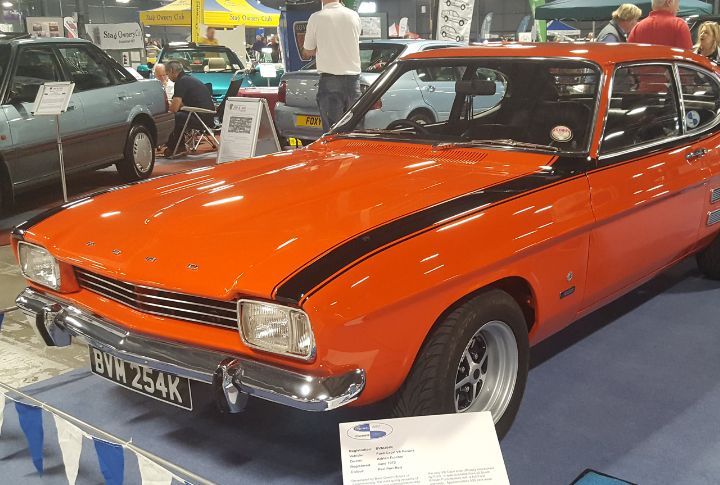
Basil Green Motors took Ford’s tidy Capri and dropped in a 5.0-liter Mustang V8, creating the Capri Perana. Approximately 500 were produced in the early 1970s. It boasted a 0 to 60 time of six seconds and a reputation on South African racetracks, making it the ultimate muscle coupe.
Chevrolet Opala SS (Brazil)
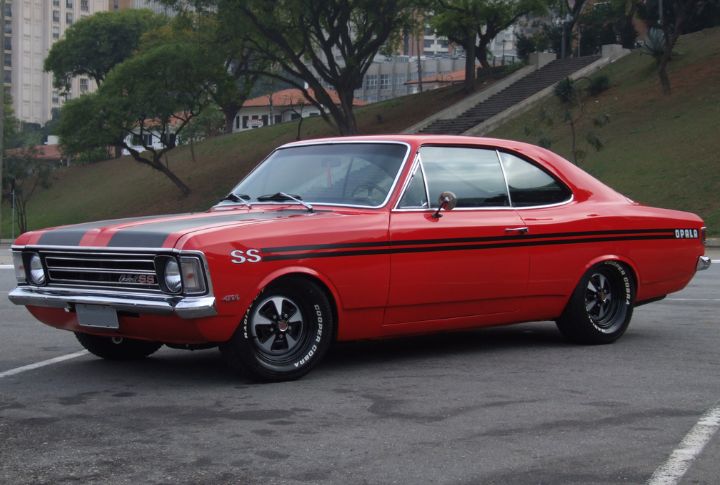
The Opala SS started life as a Brazilian spin on the Opel Rekord, but its 4.1-liter inline-six engine gave it serious street presence. Although it wasn’t dominant every year, it made a name in Brazilian touring car racing and looked every bit the part with its stripes.
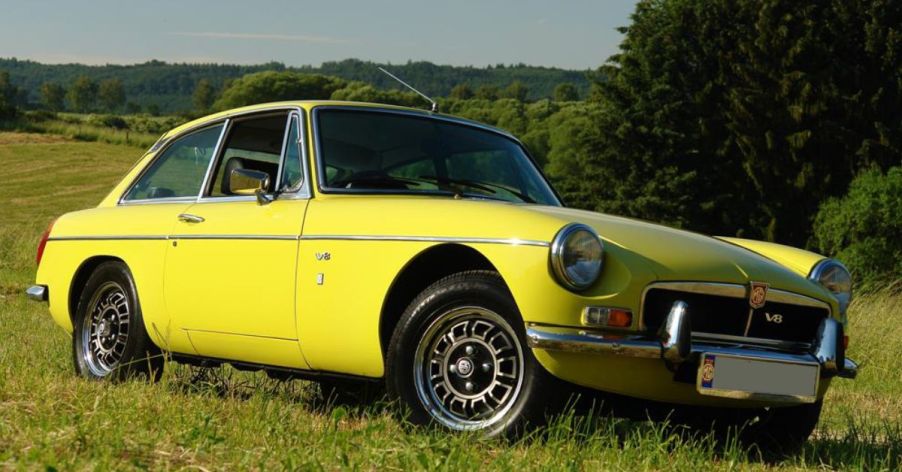
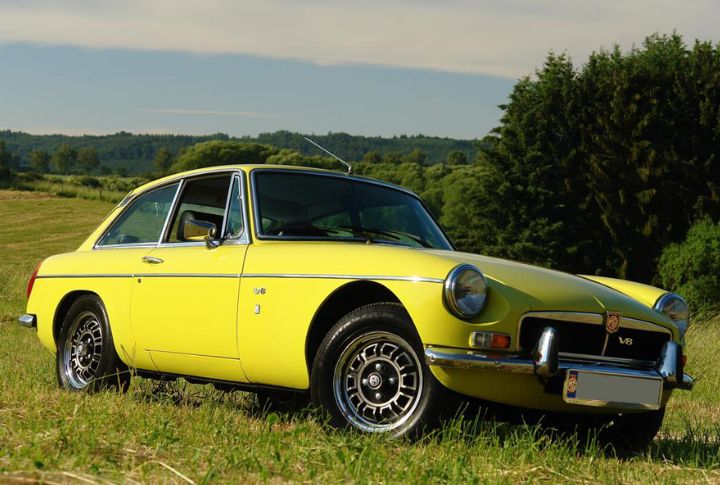
MG B GT V8 (United Kingdom)
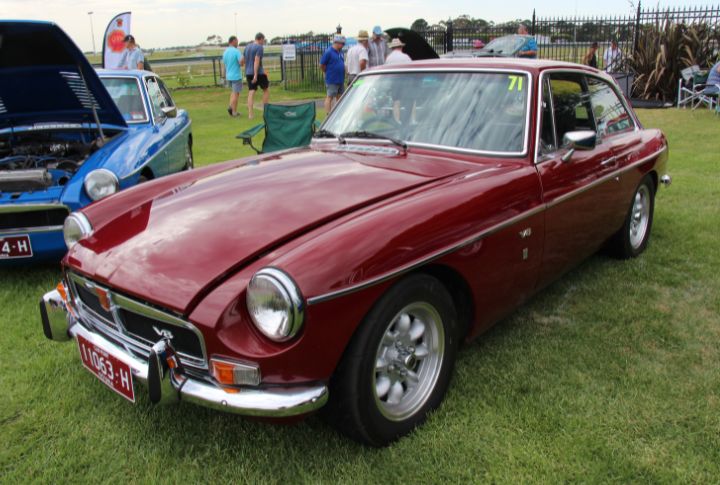
MG’s compact GT coupe was polite—until engineers dropped in a 3.5-liter Rover V8. Depending on conditions, it hit 60 mph in around 8 seconds and became a surprisingly quick Gran Turismo contender. Released in 1973, it won over Americans with old-world charm.
MG X-Power SV (United Kingdom)
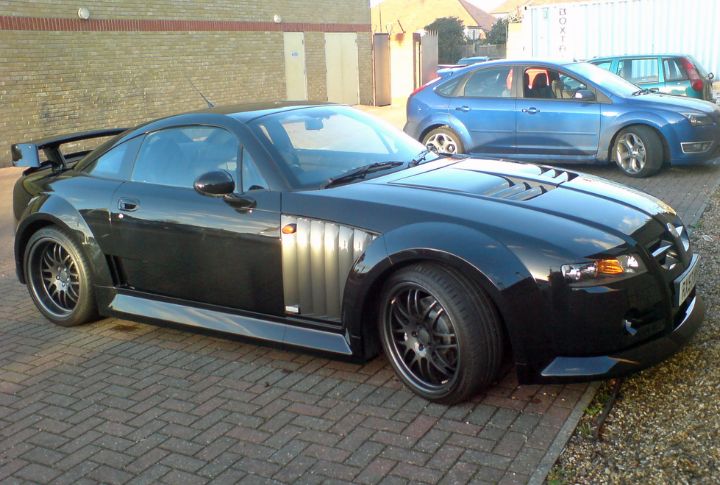
Imagine a muscle coupe with Ford Mustang power, Italian curves, and British ambition. That was the MG X-Power SV, manufactured from 2003 to 2005. The base model had 320 horsepower, while the SV-R variant put out up to 540. Its limited production and high price doomed it to obscurity.
Mercedes 500E (Germany)
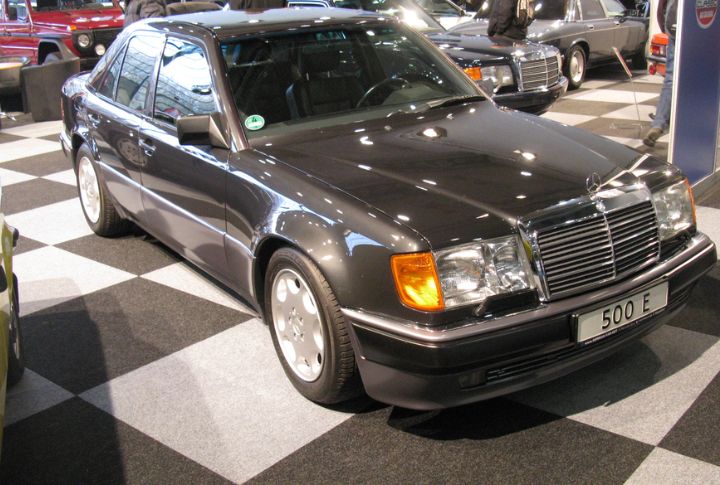
Built with Porsche’s help, the early-’90s Mercedes 500E looked like an executive car but packed a 5.0-liter V8 with 326 horsepower. It hit 60 mph in 6 seconds and could hang with supercars of the era, without the flash. The “Velvet Hammer” lived up to its nickname in quiet, brutal fashion.
Dodge Charger R/T (Brazil)
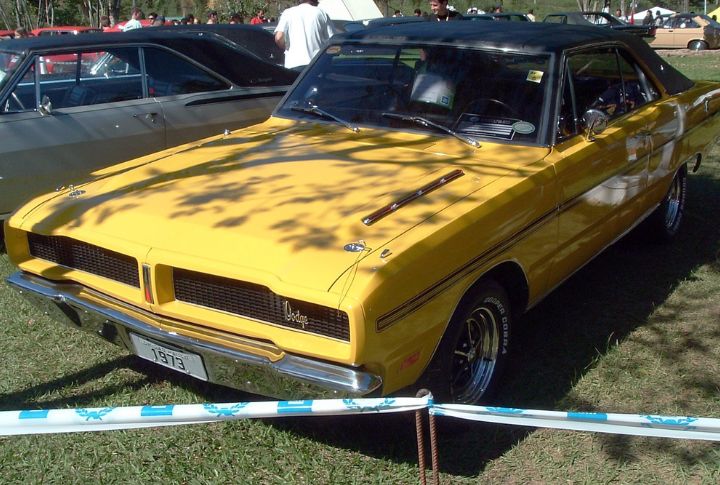
Brazil’s Charger R/T was no fastback—it was a Dodge Dart in local trim with a 318 V8 pushing around 215 horsepower. Launched in the early ’70s, it came with disc brakes and factory A/C. With a plush interior, it gave Brazil a premium, homegrown take on American-style muscle.
Marcos TSO (United Kingdom)
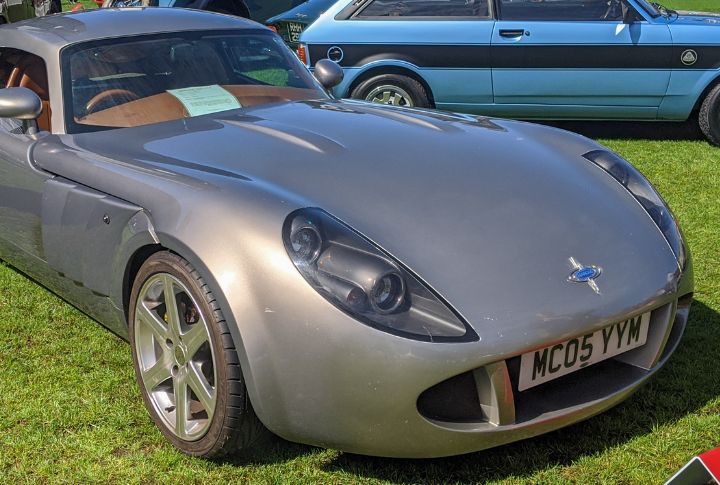
Marcos may be forgotten, but in 2004, they built a rocket. The TSO packed a Chevrolet LS1 V8 and sleek composite bodywork. It barely sold before the company folded, but with US power under British skin, it was a last gasp of UK muscle car flair—rare and completely wild.
BMW 2002 Turbo (Germany)
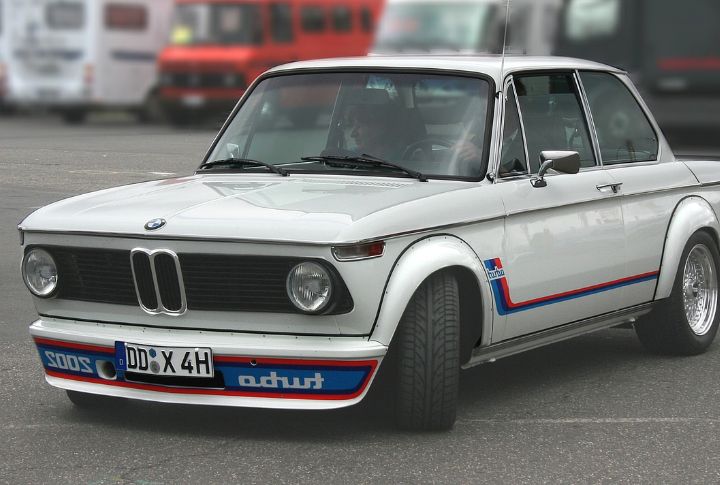
The 2002 Turbo arrived in 1973 with 170 horsepower and a bold front spoiler decal that originally read “Turbo” in reverse—until BMW walked that back. In a featherweight coupe, it was a riot. Though pricey and launched right before the oil crisis, it paved the way for future legends.
Ford Maverick GT V8 (Brazil)
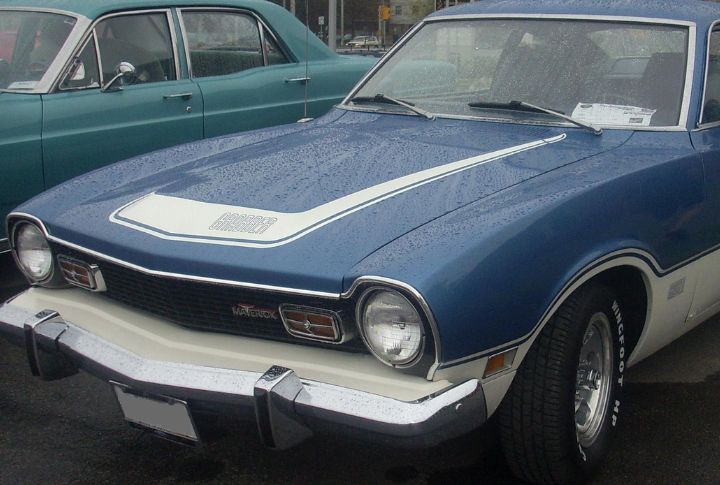
The US Maverick was mild-mannered, but Brazil’s wasn’t. In GT trim, it featured a 302 cubic inch (4.9-liter) V8, wild Grabber colors, spoilers, and muscle-car attitude. Introduced in 1973, it became one of the fastest and most beloved Fords in Brazil, offering Detroit-style thrills south of the equator.
Lancia Thema 8.32 (Italy)
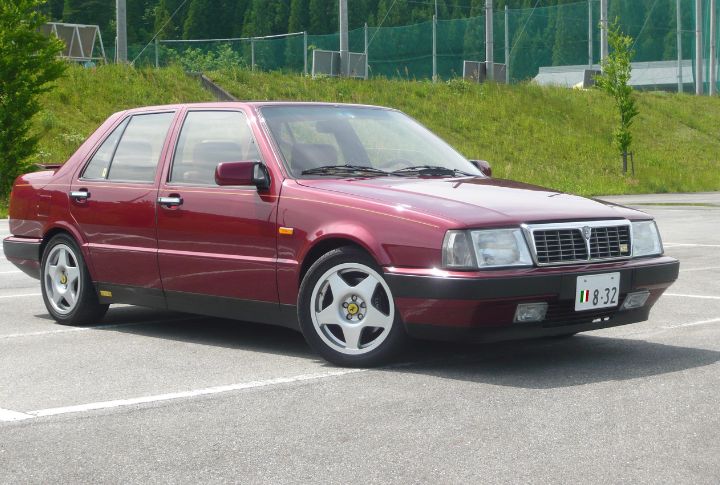
Italy tried its hand at muscle with the Thema 8.32 luxury sedan. Powered by a Ferrari-derived 2.9-liter V8, it was modified with a cross-plane crank for smoothness and featured a retractable rear spoiler. Understated but potent, it brought Italian weirdness to the muscle car concept in 1986.
BMW 333i (South Africa)
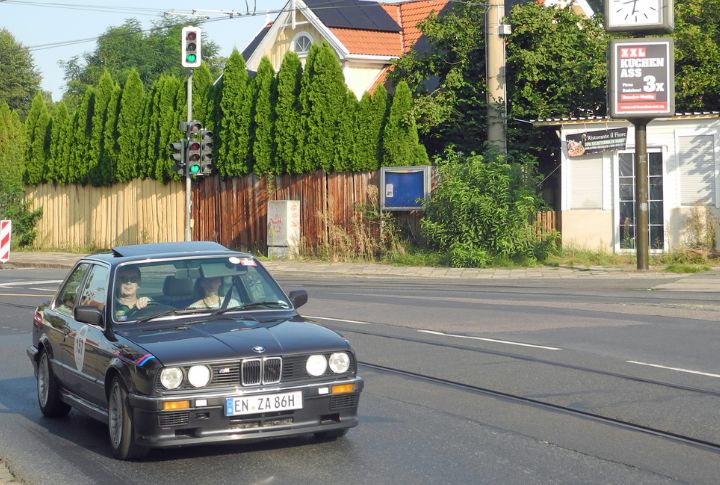
South Africa’s exclusive 333i used a 3.3-liter inline-six from the 7 Series in an E30 body. It hit 60 mph in under 7 seconds and came with either A/C or power steering—but not both, due to engine bay space. Only a little over 200 were built, making it rarer than the M3.
Holden Ute SSV (Australia)
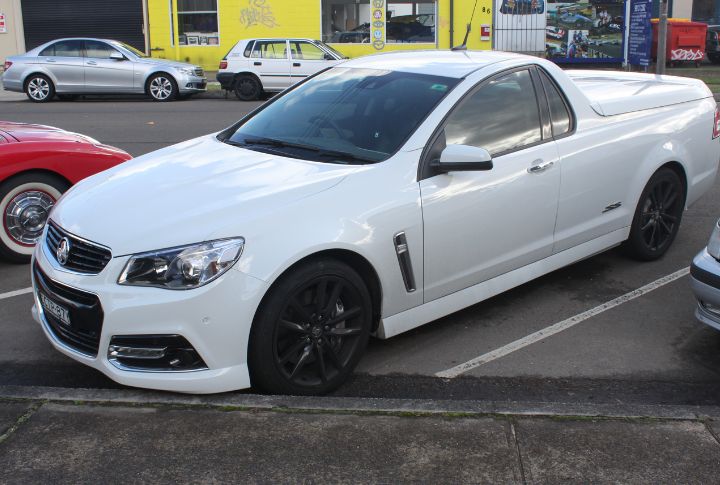
Take an LS3 Corvette engine, bolt it into an Aussie pickup, and you’ve got the Holden Ute SSV. With a 6.2-liter V8 and 421 horsepower, it was equal parts muscle car and workhorse. Sadly, it never made it stateside—though Pontiac almost accomplished that with the G8 ST before plans fizzled.
Lexus IS-F (Japan)
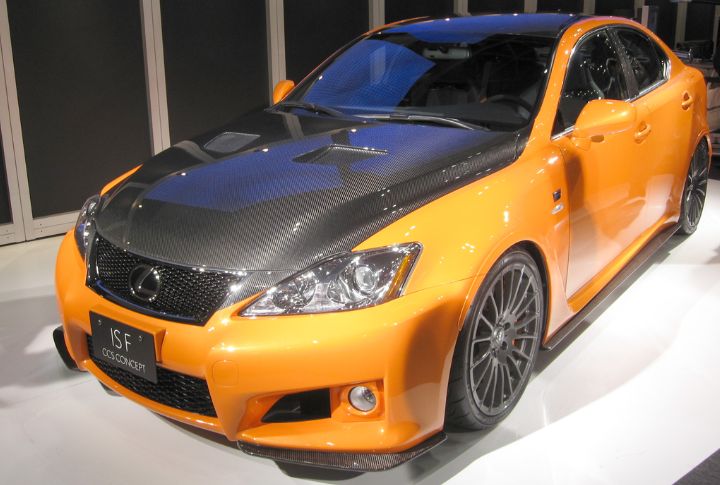
In 2008, Lexus shocked enthusiasts by stuffing a 5.0-liter V8 into the tidy IS sedan. The result had 416 horsepower, rear-wheel drive, and a howling 8-speed gearbox that made M3 drivers nervous. It didn’t advertise its strength, but punch the throttle past 6,000 rpm and you knew exactly what it was.
Mercedes 450 SEL 6.9 (Germany)
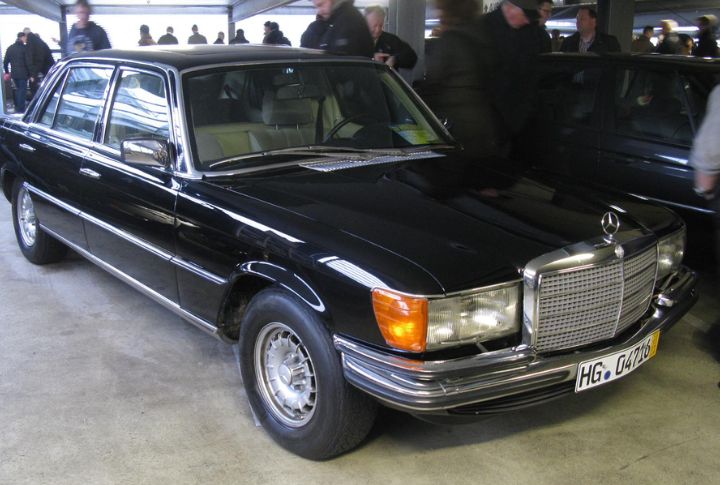
In the late ’70s, Mercedes dropped subtlety with the 450 SEL 6.9. Its 6.9-liter V8 pushed a massive sedan to 60 mph in about 7.2 seconds. With hydropneumatic suspension and lounge-tier luxury, it was proof that Germany could do muscle in their own plush, unapologetic way.
Falcon GT HO Phase III (Australia)
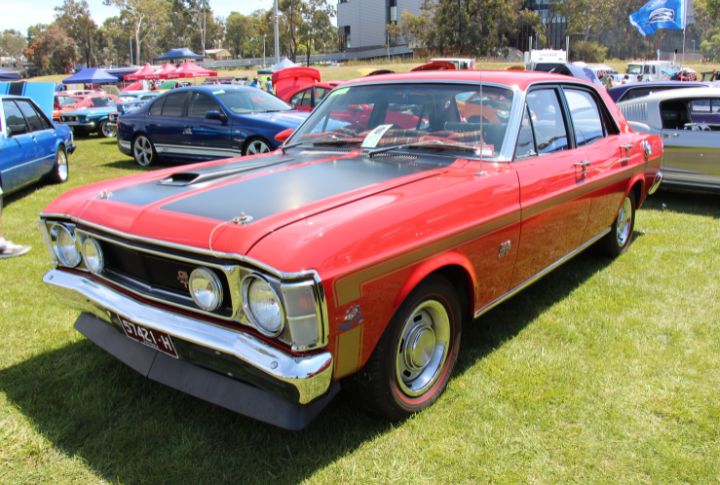
Ford’s 1971 Falcon GT HO Phase III earned the title of fastest four-door of its time. With a 5.8-liter V8 and race-ready tuning, it hit 140 mph and dominated Bathurst. Only 300 were made, but they rewrote what Aussie muscle could be—fast, loud, and four-door practical.
Rover 75 V8 (United Kingdom)
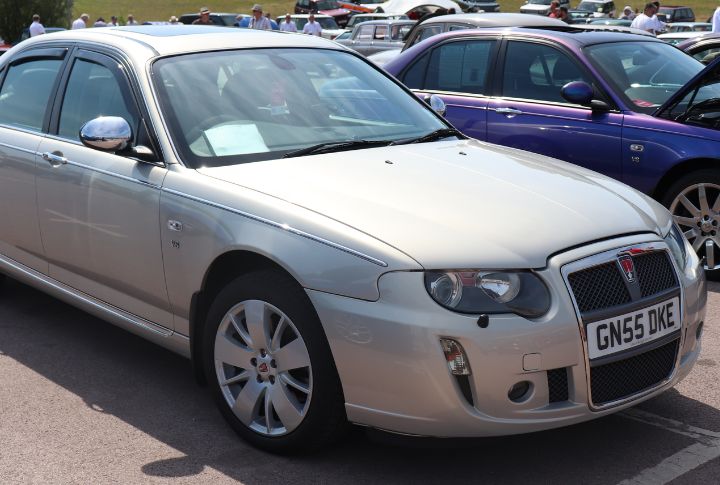
The genteel Rover 75 got seriously unhinged in V8 trim. Engineers swapped it to rear-wheel drive and crammed in a 4.6-liter Ford V8, turning a pipe-smoking gentleman’s cruiser into a brawny bruiser. It wasn’t refined, but it had the right engine and attitude for muscle car fans in tweed.
Holden Torana A9X (Australia)
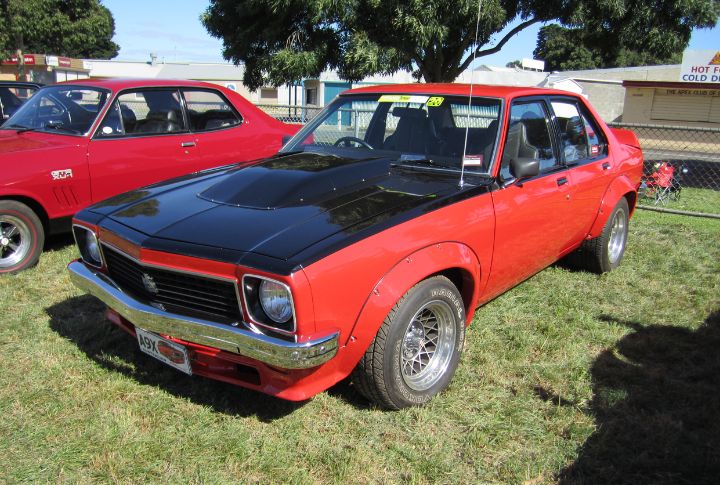
Built for racing, the Torana A9X came stripped down and reinforced. Its 5.0-liter V8 and bespoke floorpan made it a Bathurst beast in the late ’70s. Available on the SLR 5000 and SS hatchback, it’s now seen as Australia’s ferociously quick answer to a Yenko Camaro.
IKA Torino Interceptor (Argentina)
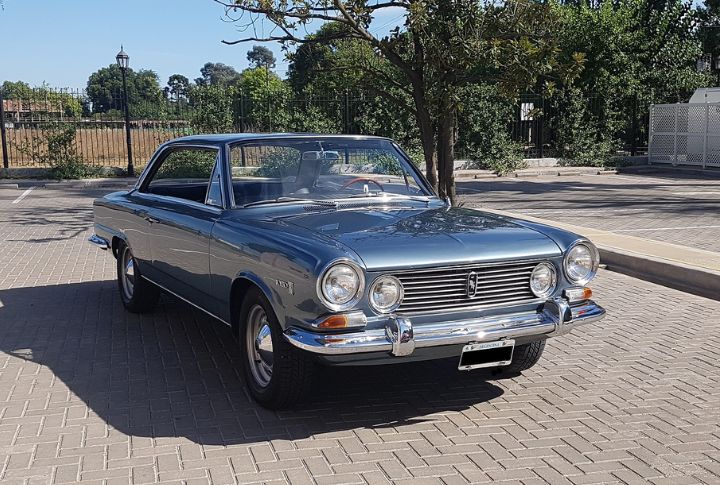
Based on AMC bones, the IKA Torino became Argentina’s muscle car. The Interceptor variant featured a 3.8 to 4.0-liter inline-six, rated 215–248 gross horsepower. It raced internationally and in local motorsport. With American roots and European flair, it punched far above its weight across both highway and track.
Chevrolet Can-Am (South Africa)
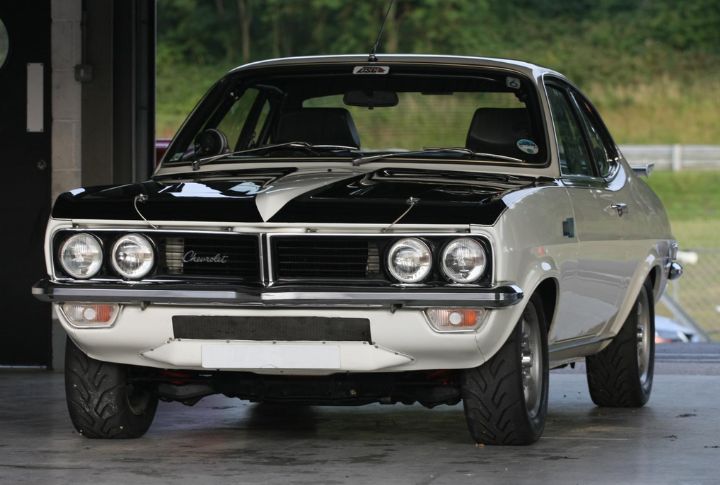
South Africa’s Can-Am was a Vauxhall Firenza reengineered to hold a 5.0-liter Z28 V8. With a 0 to 60 mph time of 5.4 to 6.1 seconds, it outperformed local performance cars. Only 100 were made. Loud, fast, and unhinged, it was South Africa’s most extreme take on muscle—and one of the rarest ever built.