Meet The Ford Fairlane With Surprising Power Over The Boss 429

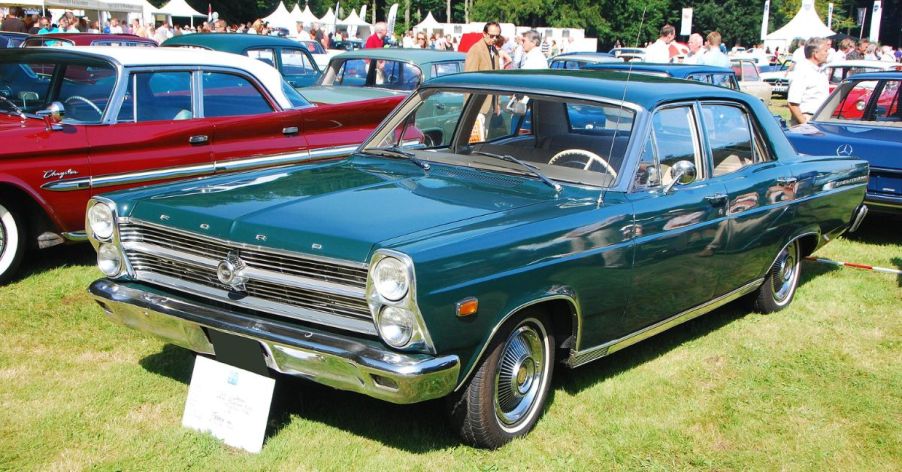
Most people think the Boss 429 was the king of Ford’s muscle. That’s fair if you’ve never met its secret rival. The Ford Fairlane 427 R-Code not only kept up, but it also passed the Boss while staying under the radar. If you love a good underdog story with horsepower to match, keep reading.
A Hidden Powerhouse
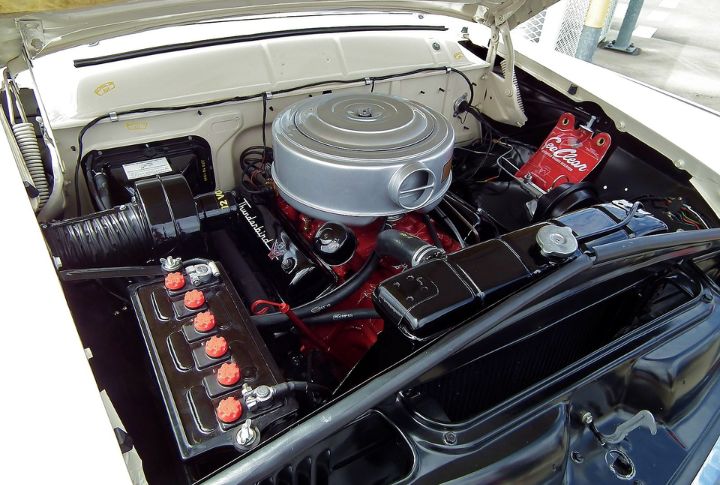
Beneath its modest frame, the Fairlane packed a 427 V8 pushing 425-rated horses, but it delivered more than the spec sheet promised. In quarter-mile drag races, its lighter build often edged out the heavier Boss 429. Built for raw output, this engine proved size meant nothing without execution.
Racing Roots
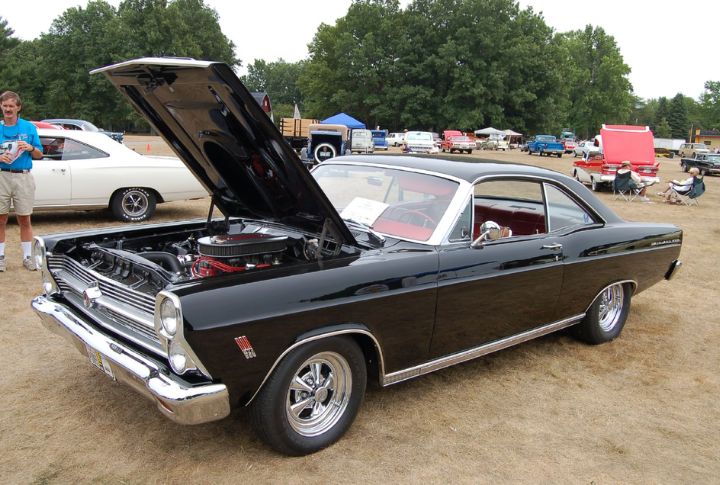
The Fairlane 427 wasn’t just built for the streets; it was bred for the track. Its engine shared DNA with Ford’s NASCAR and drag racing machines, which feature high-flow heads and a solid-lifter camshaft. This racing heritage translated to a car that was as comfortable on the quarter-mile as it was on the highway.
Built To Dodge Insurance Hikes
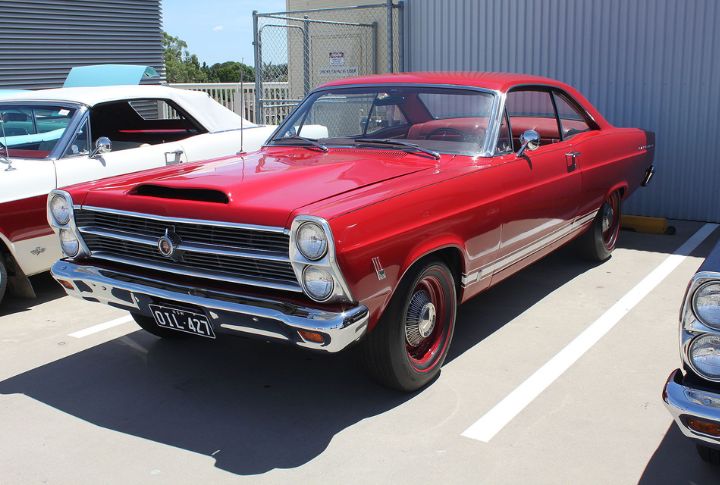
During the muscle car era, insurance companies began raising premiums for high-horsepower models. The Fairlane 427’s modest appearance helped some owners avoid those spikes. Its low-profile styling was more than aesthetic—it was a quiet rebellion against rising costs.
Performance Over Prestige
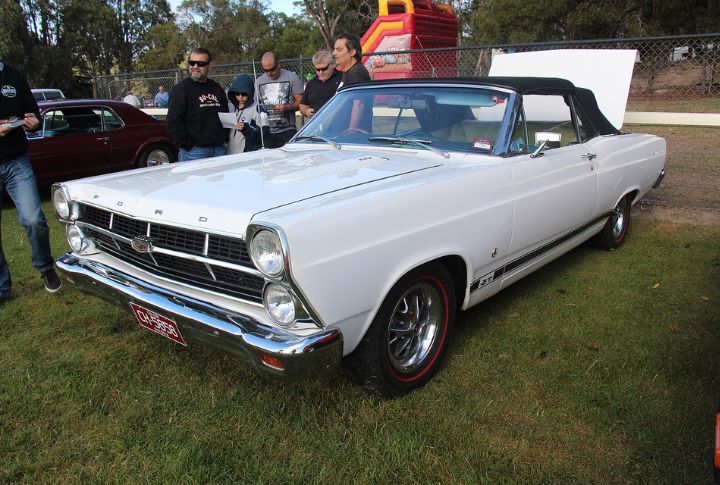
Ford promoted the Mustang Boss 429 as its premier muscle car, yet the lighter Fairlane 427 R-code consistently outpaced it by approximately 0.6 seconds in the quarter-mile. This performance gap challenged the notion of the Boss 429 as Ford’s ultimate drag-strip contender.
Engineering Excellence
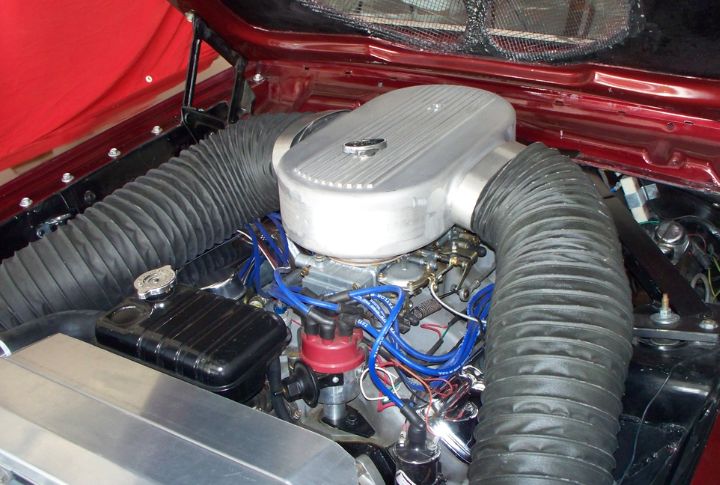
The Fairlane’s 427 engine had a unique side-oiler design, ensuring consistent lubrication during high-speed runs. This innovation, combined with its solid internals, made it a favorite among racers who demanded reliability and performance under extreme conditions.
Understated Aesthetics
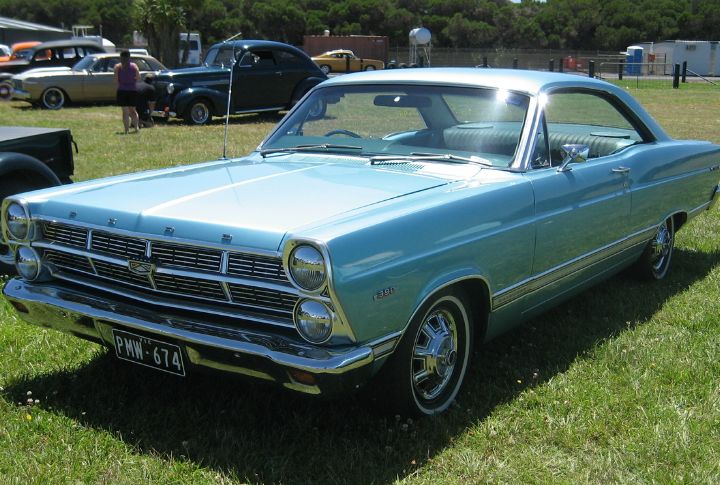
Unlike the flamboyant styling of the Boss 429, the Fairlane 427 maintained a more subdued appearance. This understated look belied its true capabilities, allowing it to surprise unsuspecting competitors who underestimated its performance potential.
Legacy In Motorsports
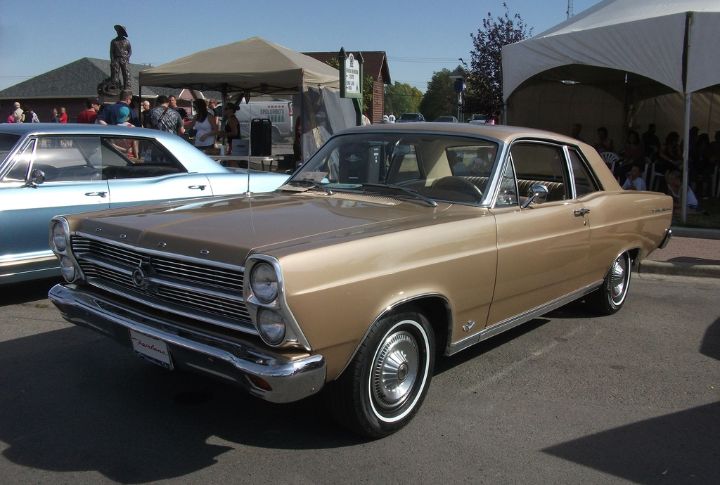
The Fairlane 427 carved its name in motorsports through NHRA drag racing dominance. While not a direct NASCAR winner, its potent engine powered many Ford victories in the 1960s, helping cement the Fairlane’s reputation as a serious performance machine.
A Collector’s Dream

Due to its rarity and performance attributes, the Fairlane 427 is now a highly valued property among collectors. The increasing value of this once-overlooked muscle automobile is reflected in the high auction prices for restored versions.
The Enthusiast’s Choice
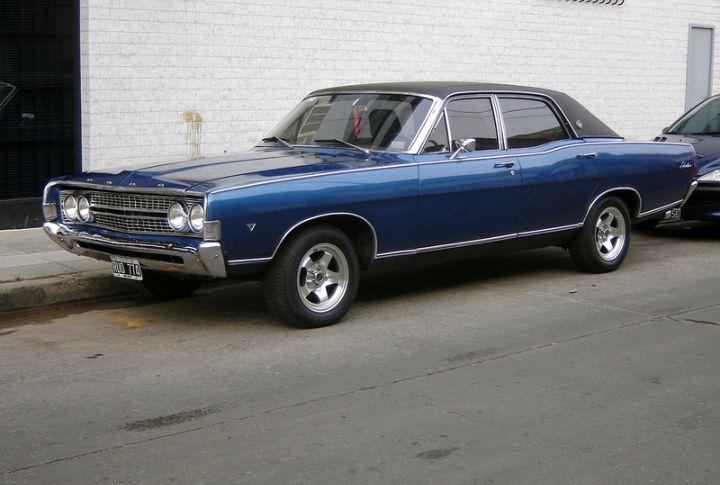
For muscle car purists, the Fairlane 427 represents the height of performance-focused engineering. Its blend of raw power, racing heritage, and rarity is what makes it a standout choice for those who value substance over style.
Blueprint For Thunderbolt
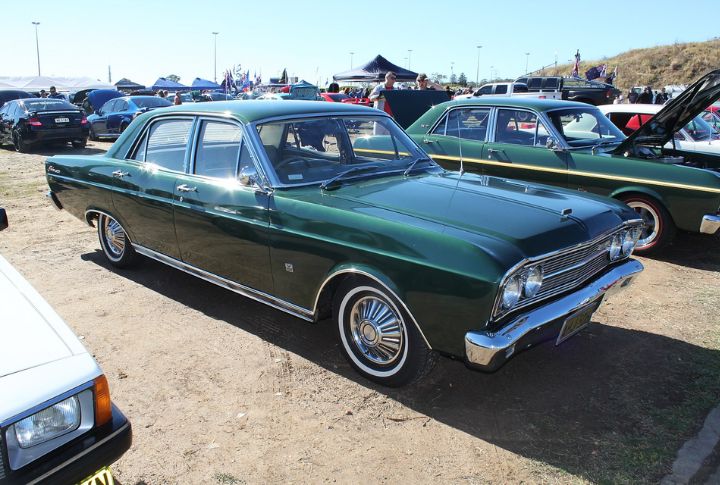
Before the Fairlane 427 hit the streets, it served as the testbed for Ford’s experimental Thunderbolt drag racers. Engineers used Fairlane bodies to harness the 427’s brute force, perfecting setups that would dominate NHRA Super Stock.