London cut pedestrian deaths and injuries by 35%, while accidents surging in U.S.
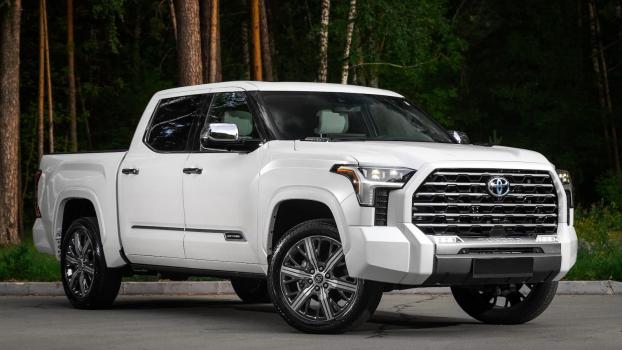
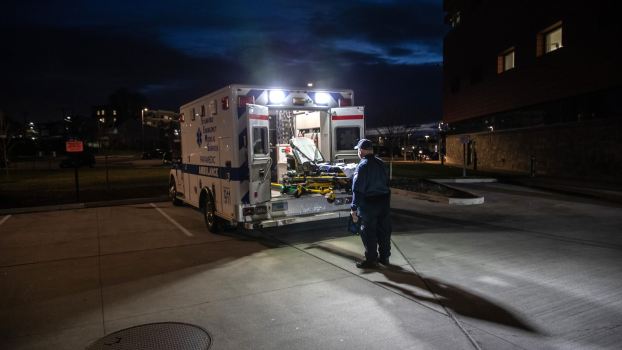
In the U.S., pedestrian deaths in car accidents have surged 77% since 2010. They broke a 40-year high in 2022. In the U.S., experts are arguing over the cause. They debate increasing truck/SUV blind spots, quicker and heavier vehicles, and phones distracting pedestrians. Meanwhile over in London, the Brits may have come up with a simple safety solution.
London rolled out “low-traffic neighborhoods.” The implementation varies by neighborhood, but the goal is the same: Limit through traffic while allowing residents and deliveries to have access. They may use poles or planters as filters to reduce the travel lane and top speeds–thus discouraging through traffic. They may block off traffic altogether. They may even have rules against through traffic and license plate scanners for enforcement.
Do the LTNs protect pedestrians?
A recent study by Westminster University found an interesting pattern. The study looked at traffic accident fatalities on given intersections in London from 2012 through 2024. It found a 35% reduction in road injuries in the LTNs. It also found a 37% reduction in serious injuries and deaths.
I know what you’re thinking. No kidding! People aren’t getting hit by cars in the neighborhoods that now have no cars. But here’s the kicker, the number of injuries on the streets surrounding the LTNs didn’t increase. So it’s not like the accidents just moved elsewhere.
The authors estimate that the 113 LTNs across London prevented 613 injuries, including 100 deaths. But without the study complete in 2020, many Londoners declared the LTNs a failure and politicians took out 27 of the original 113. The study’s authors that reversal caused about 116 injuries, including 16 deaths.