20 Legendary Taillights Every Car Lover Recognizes
Certain taillights stop you in your tracks. They’re more than brake lights, they’re badges of style and innovation. Some defined entire decades, others sparked design trends that still echo today. Car lovers know the glow. Think you’ll recognize them all? Go through these 20 unforgettable taillights that left a mark on the road and in our memories.
Cadillac Eldorado 1960
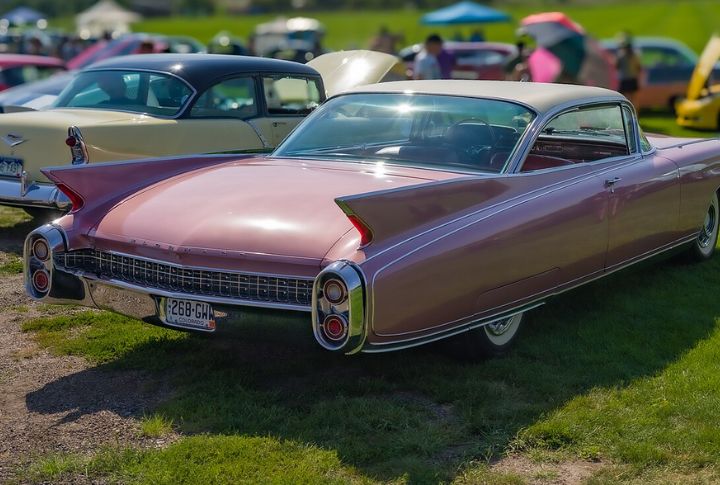
The 1960 Eldorado’s tailfins peaked at a towering 45 inches, framing dual bullet-style lenses that mimicked rocket boosters. Inspired by Cold War aviation, these taillights defined postwar American excess. Today, they’re pop culture staples, often appearing in diners, posters, and lowrider builds coast to coast.
Toyota Supra MK4 1993
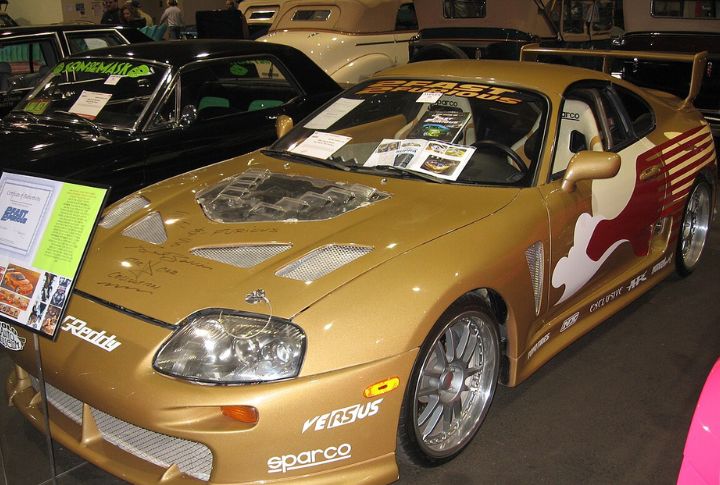
Four-round taillights became the Supra’s unmistakable signature by 1993. Their symmetrical layout boosted nighttime visibility and reinforced its street-racing reputation. Borrowing cues from Ferrari’s rear styling, the design gained global fame through “Fast & Furious” and remains one of the most replicated looks in tuner culture.
Ford Mustang 1965
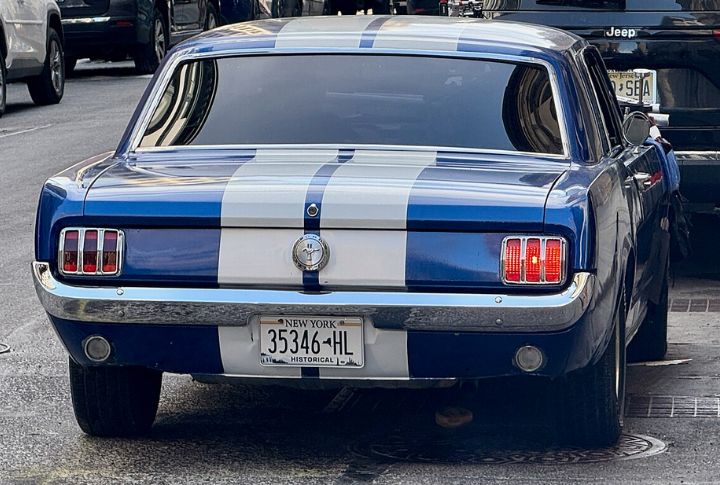
Launched with vertical triple-bar taillights, the ’65 Mustang introduced a signature that defined the brand. Later models added sequential blinkers for flair. Those bars weren’t just stylish—they became a symbol of freedom. Even Elvis was a fan, owning one during the Mustang’s rise to icon status.
Bugatti Veyron 2005
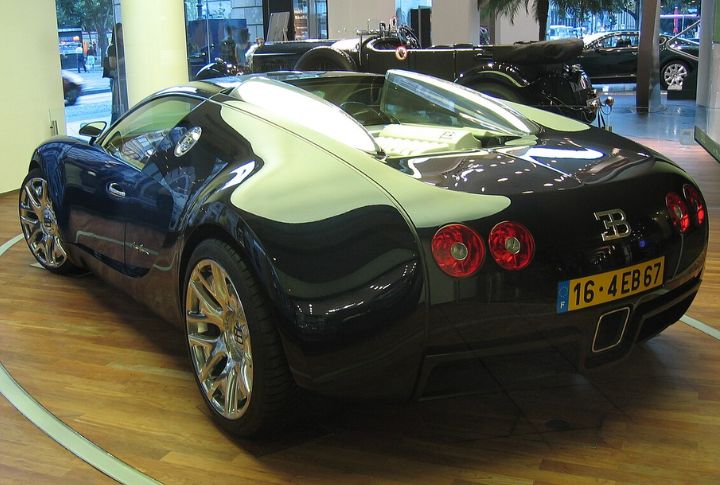
Taillights on the 2005 Veyron weren’t just decorative—they were part of the car’s high-speed airflow strategy. Designed with slim LED blades, they matched the car’s 250+ mph capabilities. Each taillight was precision-engineered, with replacement costs running higher than some entire compact vehicles on the market.
Chevrolet Impala 1959
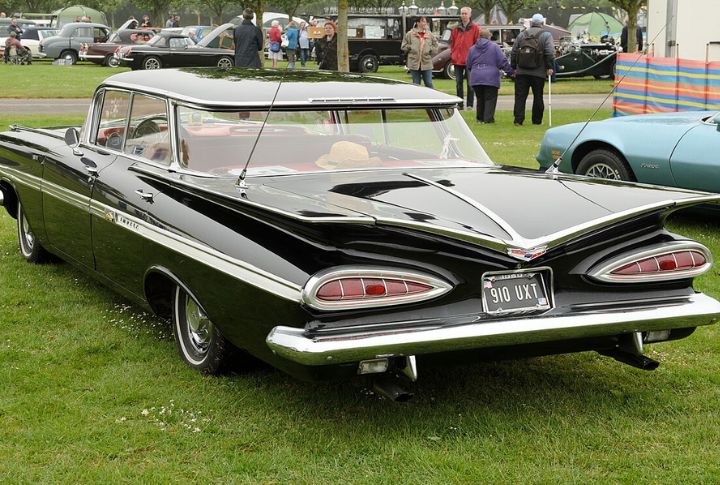
The ’59 Impala ditched round lights for cat-eye lenses and a dramatic wraparound rear end. That bold choice helped it stand apart during the fin era. Today, those taillights symbolize peak ’50s styling. Original lenses now fetch collector interest, and Elvis proudly drove one back then.
Chevrolet Camaro 2010
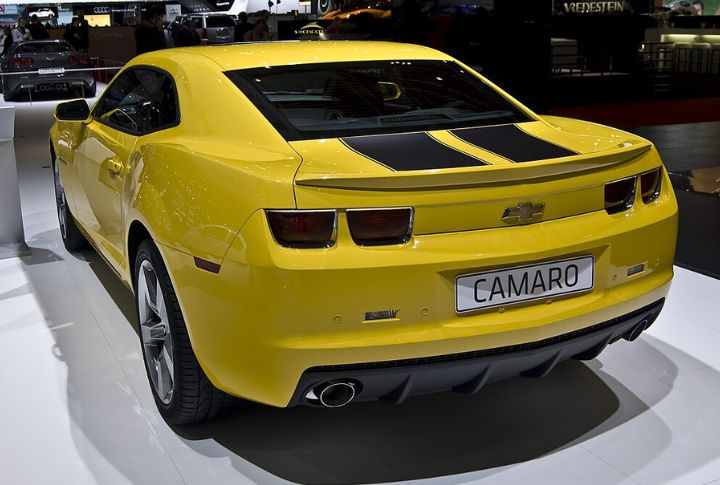
Borrowing inspiration from the ’69 Camaro SS, the 2010 model fused nostalgia with aggressive design. Its split rectangular taillights became a fan favorite. Bumblebee’s appearance in “Transformers” made it unforgettable. Interestingly, a 2014 refresh sparked controversy, proving just how attached fans were to the originals.
Nissan 300ZX 1989
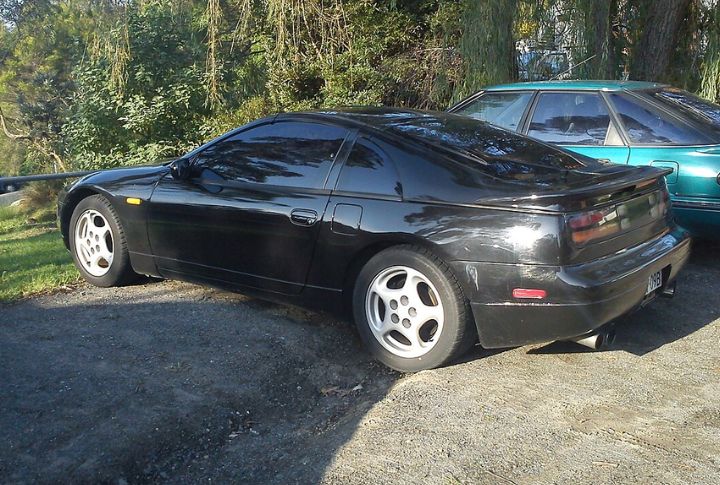
A black rear panel with dual red circles gave the Z32 its unmistakable look. With one of the lowest drag coefficients in its class, the 300ZX blended function and flair. Pop-up headlights got praise, but its taillights immortalized in “Gran Turismo” cemented the car’s visual legacy.
Corvette Sting Ray 1963
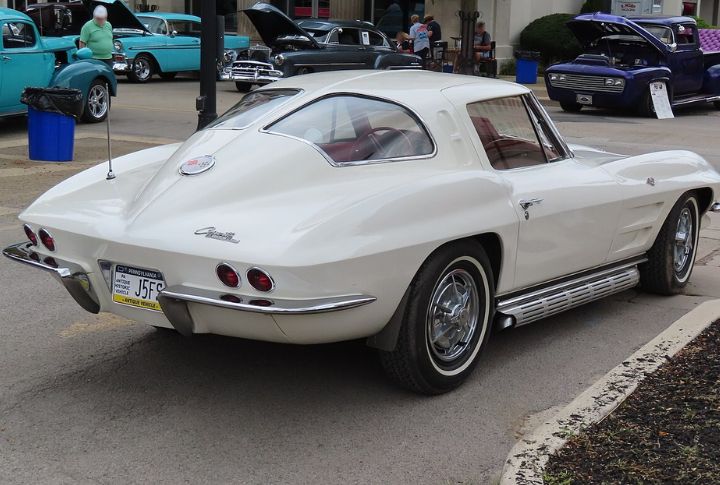
The 1963 Sting Ray debuted hidden headlamps and dual round taillights, both groundbreaking at the time. But the split rear window stole attention. That combo made it instantly collectible. Taillight bezels are now 3D printed by restorers trying to recreate one of Corvette’s most iconic silhouettes.
Dodge Challenger Hellcat 2015
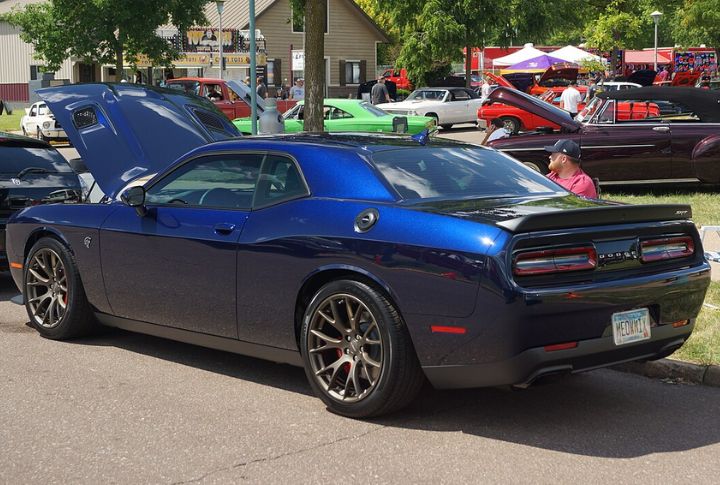
Muscle met menace in 2015 with the Hellcat’s bold red LED bar and floating rings. Designed to emphasize its wide stance and over 700 hp powertrain, the taillights glowed like fire. Fans dubbed it the “Hellcat Halo,” and some mistook it for sci-fi-inspired lighting effects.
Plymouth Superbird 1970
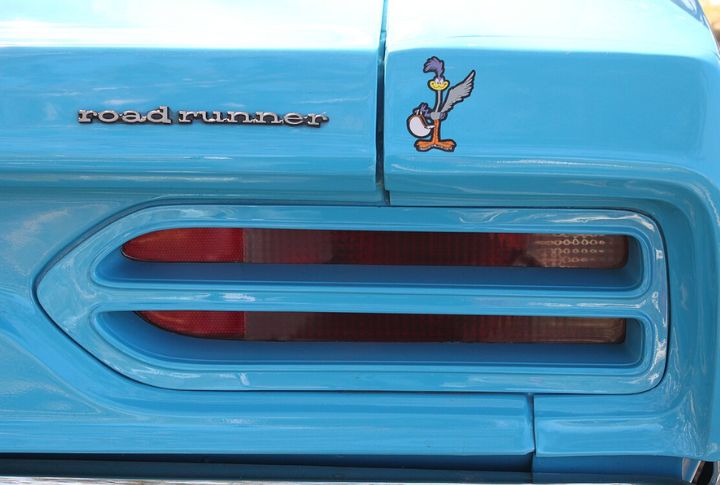
To cut costs, Superbird used oval taillights from the 1970 Dodge Coronet. Designed for NASCAR tracks, this winged muscle car wasn’t street subtle. It’s a giant spoiler that requires a custom trunk key. Despite limited production, it left a racing legacy and was banned after dominating one season.
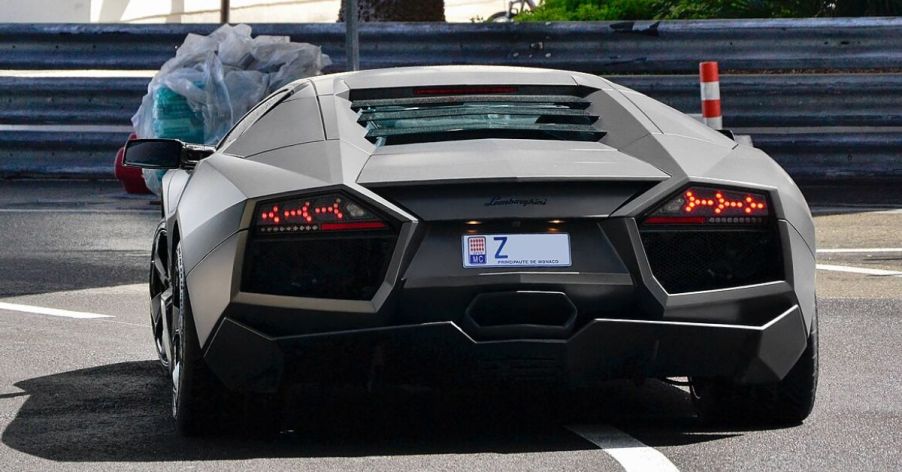
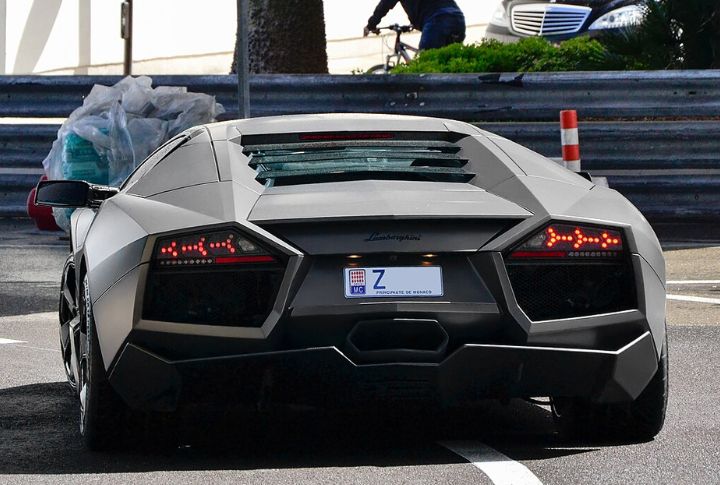
Lamborghini Reventon 2008
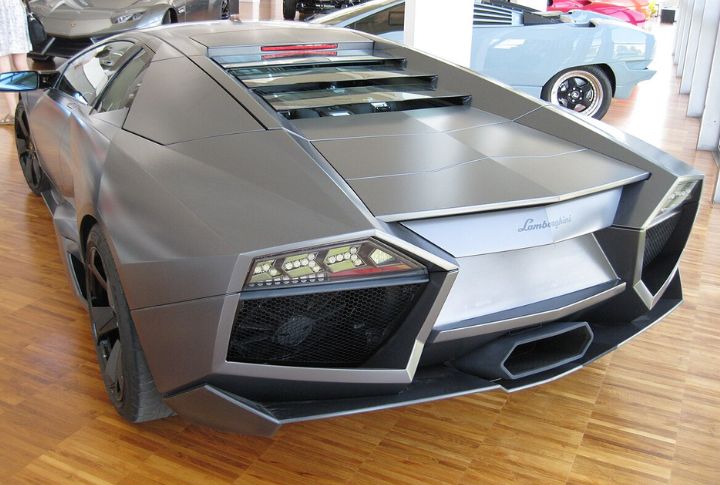
Built in a limited run of 20, the Reventon showcased Y-shaped LEDs that mimicked fighter jet afterburners. Each taillight matched the car’s aviation-inspired body. They weren’t cheap, but they were unforgettable. Lamborghini didn’t just build a supercar; they created a moving light sculpture.
Shelby GT500 1967
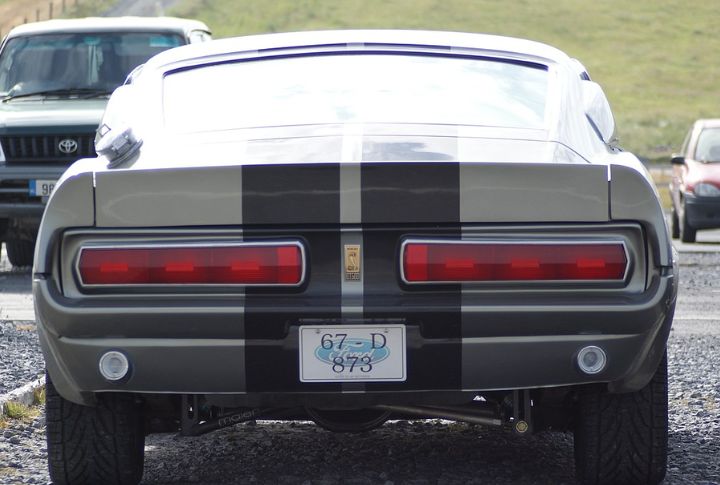
In a clever twist, Carroll Shelby borrowed Mercury Cougar taillights for the GT500. The result? Sequential triple flashes that made the rear end instantly recognizable. It wasn’t just muscle—it was showmanship. In fact, the look became so iconic that it featured prominently in the “Gone in 60 Seconds” remake.
Ford GT 2017
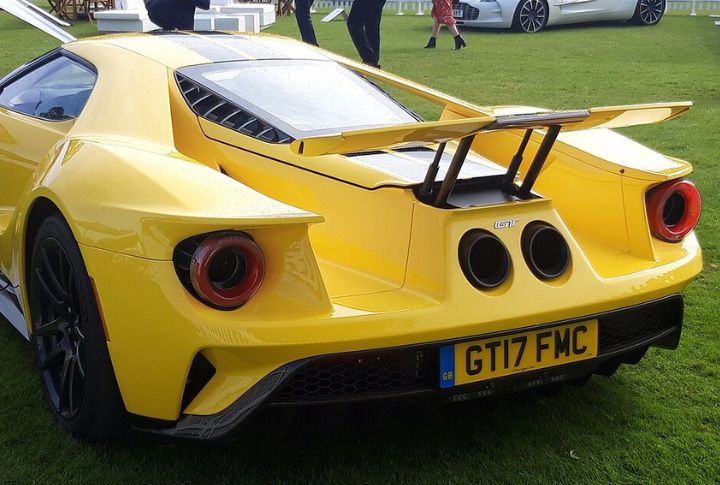
The 2017 GT featured hollow ring taillights that doubled as heat-extraction vents. Built for aerodynamics, this cooling system sat within glowing LED circles. Their turbine-like design reinforced the car’s Le Mans legacy. Ford reportedly spent several dollars just developing each functional, glowing rear tunnel assembly.
Honda NSX 1990
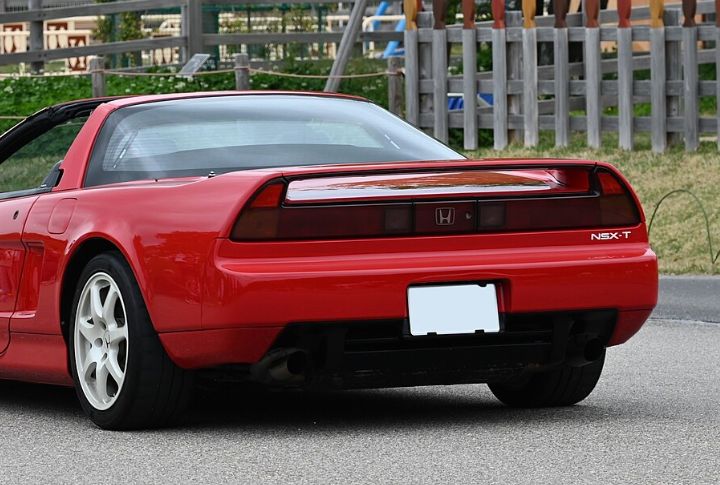
A continuous red light bar defined the NSX’s rear. Inspired by bullet trains, it stretched across the back end while hiding reverse lights in its design. F1 legend Ayrton Senna helped fine-tune the car. The taillight setup influenced later EV styling and still draws praise.
Tesla Model S 2020
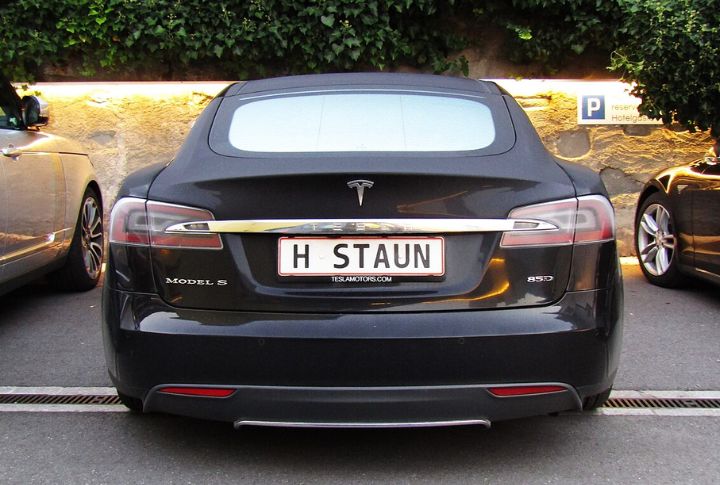
Tesla used a clean LED wrap to create a seamless rear light strip. Hidden within it? The charge port. Despite looking the same, this taillight design was quietly updated in mid-2020. Drivers have noted improved autopilot recognition, suggesting even subtle lighting changes affect Tesla’s self-driving behavior.
Datsun 240Z 1971
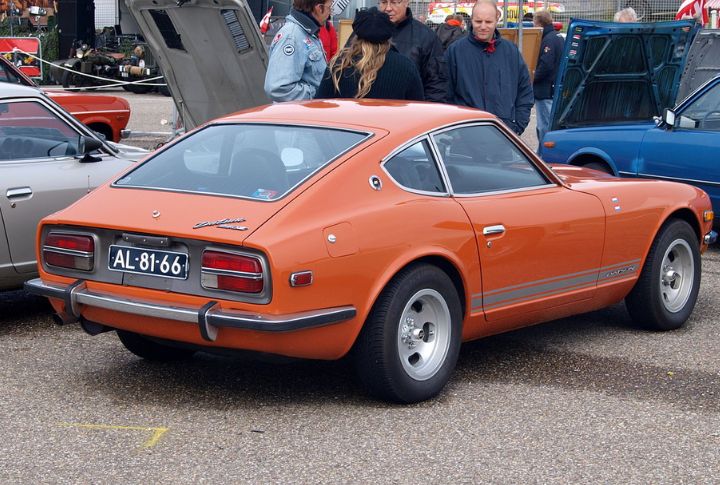
A single circular lamp per side gave the 240Z its understated charm. It wasn’t flashy, but it stuck. With a racing pedigree and clean design, it built a loyal following. Today, its taillight silhouette shows up on die-casts, tattoos, and tribute designs on modern Nissan Z models.
Audi R8 2016
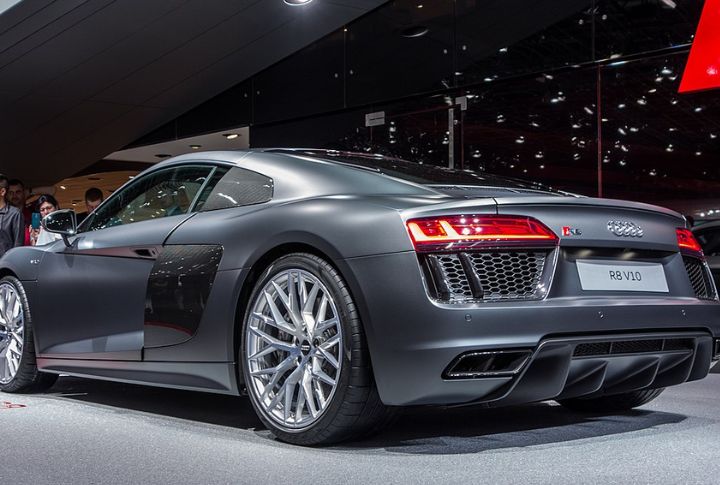
Audi made the R8 the first mass-produced car with OLED taillights. Thin as a hair, these panels displayed dynamic turn signals and startup sequences. The light choreography wasn’t just for show—it improved branding. Each startup turned the rear end into a high-tech animated display.
DeLorean DMC-12 1980
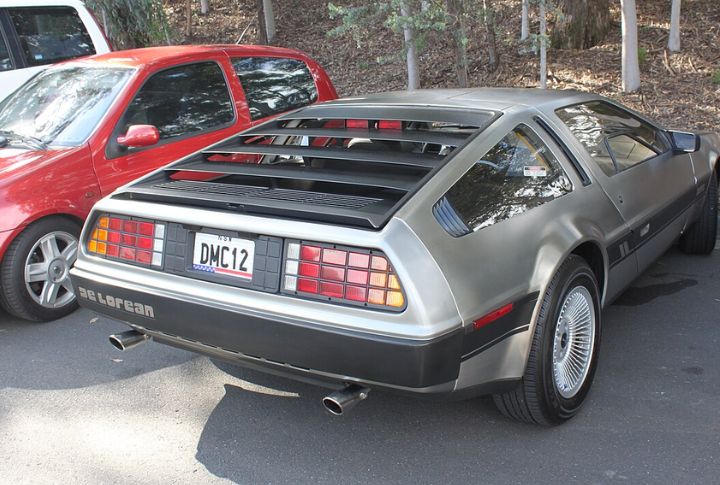
With a three-color block grid, the DMC-12’s taillights looked like no other. Designed for minimalism, they became futuristic by accident. Their fame exploded after “Back to the Future”. Renault helped supply parts, and today, they are sought-after by collectors for original replacements, keeping the legend shining—literally.
Lincoln Premiere 1956
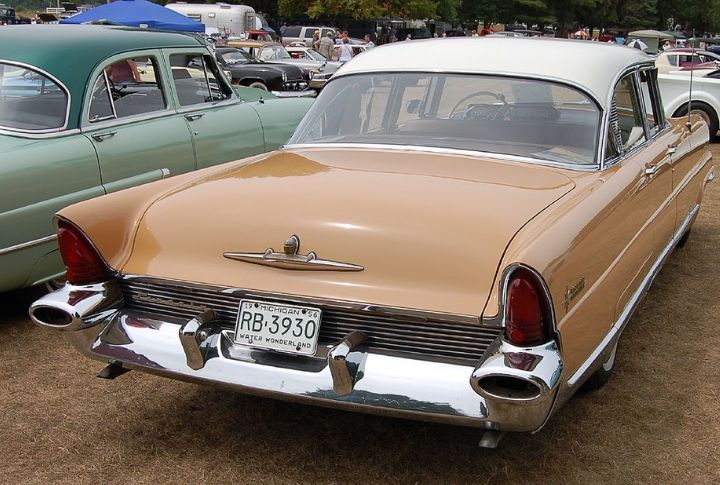
The 1956 Lincoln used boomerang-shaped lenses and was one of the first cars to have a built-in backup light. Designed to resemble crystal-cut glass, they reflected the jet-age obsession with aviation. Their sharp angles also influenced early Batmobile sketches and gave the Premiere a futuristic look.
Rivian R1T 2023
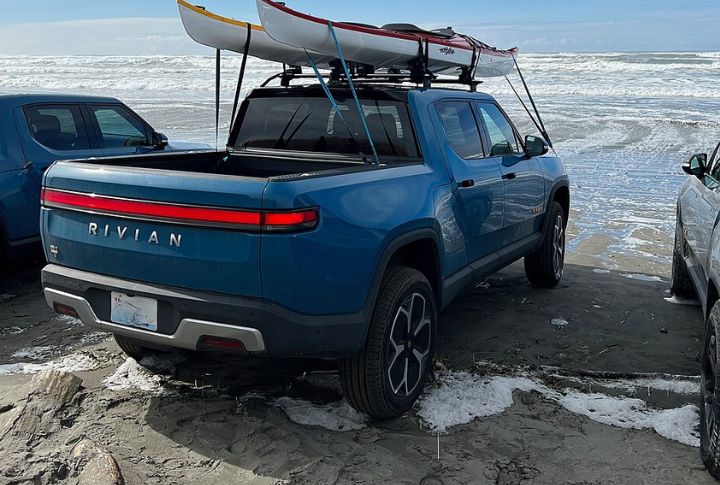
Rivian’s full-width vertical LED bar wraps the R1T’s tailgate, offering visibility during off-roading or camping. Water-resistant and modular, it’s functional as well as futuristic. Drivers use the glow as ambient light while tailgating. It’s more than a taillight—it’s part of Rivian’s utility-first design philosophy.





.jpg)
.JPG)
_-_19977746746.jpg)
.jpg)
.jpg)


.jpg)