‘Burnt or fresh?’ Lawyer’s perfect response to police claiming to smell marijuana during a traffic stop
Attorney Jeff Hampton says “one of the most abused police tactics” is an officer claiming, “I smell marijuana,” during a traffic stop. They often can’t even use the smell of marijuana to justify searching your vehicle. But they can utter these words hoping to trip you up.
The real reason police officers say ‘I smell marijuana’ during a traffic stop
If a police officer pulls you over, it’s because they have reasonable suspicion you committed a crime. They can temporarily detain you (during a traffic stop, legally known as a “Terry stop”) and attempt to find additional evidence. Enough evidence becomes probable cause, and it justifies searches or even an arrest.
Hampton explains that the smell of marijuana may be reasonable suspicion, but in most states, it isn’t the probable cause necessary to search your vehicle. Why would a police officer even mention it? So you panic.
They may use purposely vague wording to trick you into a confession. “You smell that? What does it smell like to you?”
“Most people freeze. They panic. In that moment of panic, they either say or do the wrong thing—something that leads the officer to believe they gave consent.” — Attorney Jeff Hampton
The worst responses to ‘I smell marijuana’
In one scenario, you might tell them, “I don’t have any marijuana, look for yourself.” You’ve just given the police blanket consent to search your vehicle and arrest you for anything illegal they might find.
In another scenario, you might insist you aren’t currently high, by explaining that they are smelling your stash of fresh marijuana—as opposed to burnt marijuana. You’ve just confessed to knowingly possessing marijuana. But if you’re in a car with burnt marijuana in the ashtray, or even fresh marijuana inside, the police still need to link you with the substance. And that’s difficult without a confession.
In a third scenario, you may just panic. Perhaps you wonder if that friend who borrowed your car left something illegal in it. While you’re panicking, you might twitch or appear nervous. Police can cite this as additional evidence to investigate further.
A lawyer on the difference between smelling burnt and fresh marijuana
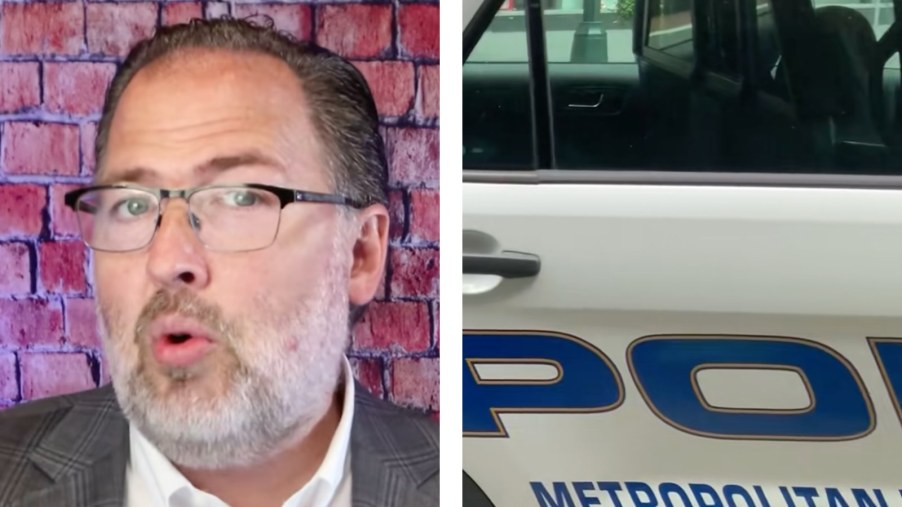
In the TikTok video below, Jeff Hampton of Hampton Law explains why the distinction between burnt and fresh marijuana is so important. (MotorBiscuit’s reached out to @HamptonCriminalAttorneys for comment).
In a longer YouTube video [embedded at the end of this article], Hampton reveals police officers are purposely vague about what kind of marijuana they smell, hoping for a bigger confession from you. He explains that it doesn’t matter what a police officer says they do or don’t smell during a traffic stop: your best strategy is always the same.
Attorney Jeff Hampton’s advice for navigating a traffic stop
First and foremost, stay calm. Hand over your license, registration, and proof of insurance (where required). It’s important to be polite. But insist, “I do not consent to a search.” When asked any other questions, explain, “I’m invoking my right to remain silent and won’t be answering questions without my lawyer.”
In 46 states, roadside breathalyzer tests are similar to vehicle searches: you can refuse. Officers can only force you to take one after they’ve gathered probable cause and arrested you for further investigation. In all 50 states, field sobriety tests (walking a straight line or reciting the alphabet backward) are the same as a vehicle search: you can refuse.
“The best practice is to always refuse consent to search.” — Attorney Jeff Hampton
The long and short of it is that a police officer with probable cause can get a warrant to search your vehicle or person—but only for evidence of the crime for which they have probable cause. If they find evidence of another crime, they can’t use it to detain you. But if you give blanket consent, all bets are off.
If you were speeding or have a problem with your car such as a turn signal out, wait patiently for your ticket.
“If issued a ticket, ask, ‘Am I free to go or am I being detained?’” If you’re being detained, continue to invoke your Fifth Amendment right to remain silent. Some officers will attempt to engage you in small talk after they issue a ticket to gather additional evidence to detain you. If you’re free to go, leave immediately.
The perfect response to a police officer asking if you’re nervous
Let’s say a police officer says that you look nervous during a traffic stop. Admitting you’re nervous can count as evidence toward probable cause. They may claim you’re nervous because you’re abusing substances or committed some other crime. Hampton argues you should respond with, “Officer, I’m trying to remain calm, I do not consent to any search.”
What if a police officer says you’re twitching or making “furtive gestures” during a traffic stop? Again, they may be trying to collect evidence you’re nervous or have substances in your system. Even more seriously, they may be claiming you are reaching for a weapon and they are in danger. Hampton urges you to place your hands on your steering wheel or even put them up in the air. Keep them there. Then say, “Officer, I did not reach for anything and I’m in compliance. But I do not consent to a search.”
He concludes, “Lock it down.” How? Return to your standard statements:
“I refuse consent to search,” and “I exercise my right to remain silent. I will not say anything else unless my attorney is present.”
United States v. Millan ruled, “Being nervous is not a reliable indicator of criminal behavior.” Hampton adds that it’s never a bad idea to film your encounter with police. If nothing else, the recording may be valuable evidence that you weren’t excessively nervous.
If an officer smells marijuana, can they search your passengers?
It’s easy for your passenger to assume the smell of marijuana makes them all suspects. They may even turn on each other—or the driver. Hampton points out that police need active drug abuse evidence to include your passengers in the investigation. That can be evidence such as bloodshot eyes or burned fingers. But even without this evidence, police can split the driver and passengers up to question separately, fishing for probable cause.
Conclusion
I’ve covered multiple lawyers’ traffic stop advice. I believe it’s best to frame a traffic stop as a professional interaction. The police officer is on the clock, doing their job. That’s gathering evidence you’ve committed a crime. Your job isn’t to be friendly. You should be polite and professional, but you don’t get any points by talking up a storm or consenting to searches. It’s very unlikely a police officer can convince a judge to “go easy” on you because you cooperated.
I’ve also covered multiple traffic stop videos. It’s clear that 99% of drivers talk way too much during traffic stops. That’s why police even bother with them. If they had probable cause before they pulled you over, they’d arrest you immediately. If they only have reasonable suspicion, your talking or consenting to searches can only hurt you by giving away enough evidence to form probable cause.
Hampton does an excellent job summing up the only statements you need:
“I refuse consent to search,” and “I exercise my right to remain silent. I will not say anything else unless my attorney is present.”
You can see his entire longer video embedded below: