10 Japanese-Built Machines That Outclass The 911 On Pure Drive Feel
Forget boring commutes—some cars are built to make every drive feel like an adventure. The right machine turns ordinary roads into winding racetracks, challenging the limits of control and grip. When engineering meets passion, the result is an exhilarating performance that leaves drivers hooked. Here are 10 Japanese cars that make driving an experience.
Toyota Supra (A90)
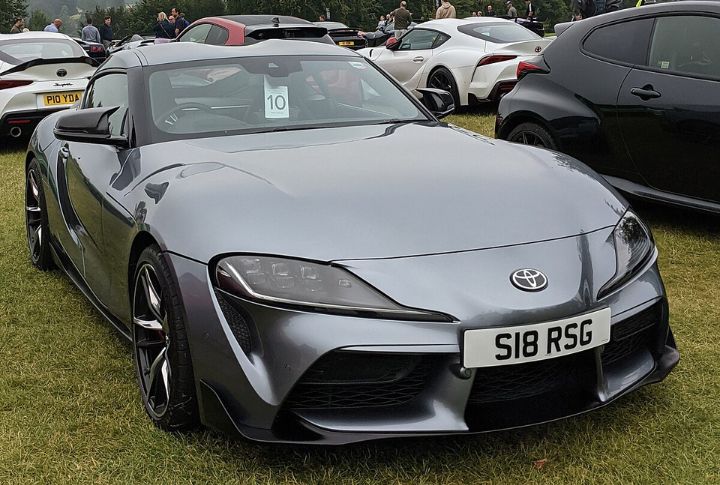
Despite being a Toyota, BMW engineered the engine and much of the chassis for this car. Powered by a 3.0L B58 turbocharged inline-six, the Toyota Supra A90 produces 382 horsepower, ensuring powerful acceleration. Unlike the 911, which requires advanced driving skills to control, the Supra’s well-tuned suspension ensures stability for all experience levels.
Mazda MX-5 Miata (ND)
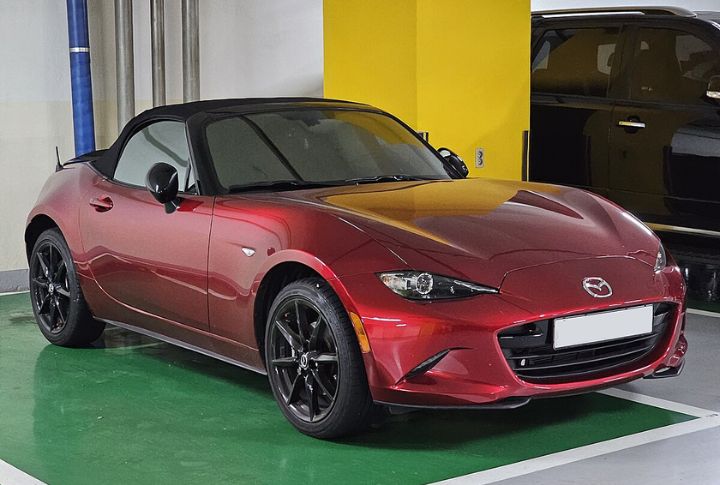
The Mazda MX-5 Miata ND weighs only 2,341 pounds, ranking it among the lightest sports cars on the road today. Compared to the 911, which promotes high-speed stability, the Miata’s 50:50 weight distribution enables agile cornering and predictable handling. It’s a 2.0L naturally aspirated inline-four that generates 181 horsepower while providing a quick and linear powerband.
Honda S2000
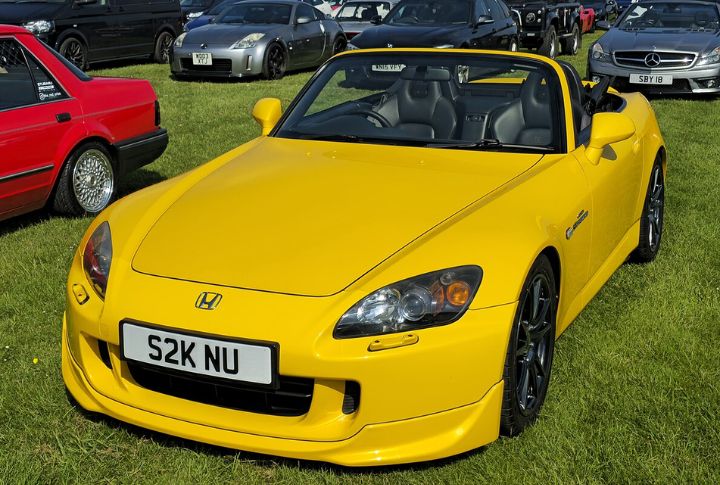
One of the greatest specific outputs of any production engine, the 2.0L naturally aspirated inline-four generates 240 horsepower. The Honda S2000 was designed for drivers who value precision and high-revving performance. At high RPMs, the VTEC technology kicks in, producing an exhilarating power boost.
Mitsubishi Lancer Evolution X
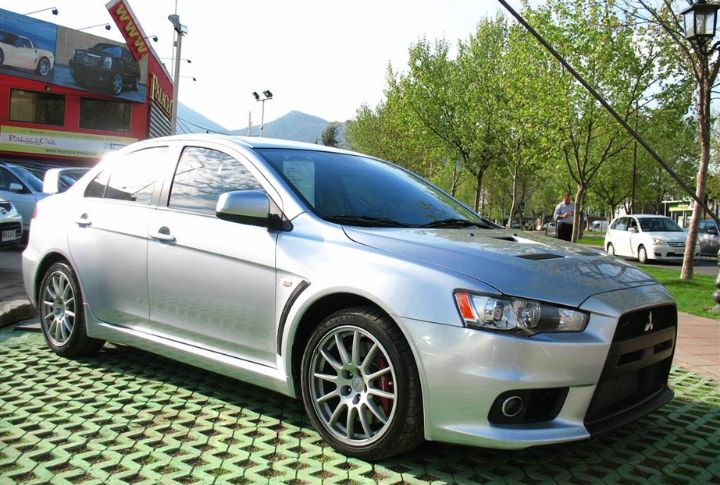
Mitsubishi’s supremacy in World Rally Championship events served as the inspiration for the prestigious AWD system. Its 2.0L turbocharged inline-four engine generates 291 horsepower, which guarantees quick acceleration. The Evo X’s front-engine AWD setup optimizes traction in all driving situations, in contrast to the Porsche 911’s rear-engine arrangement.
Subaru WRX STI
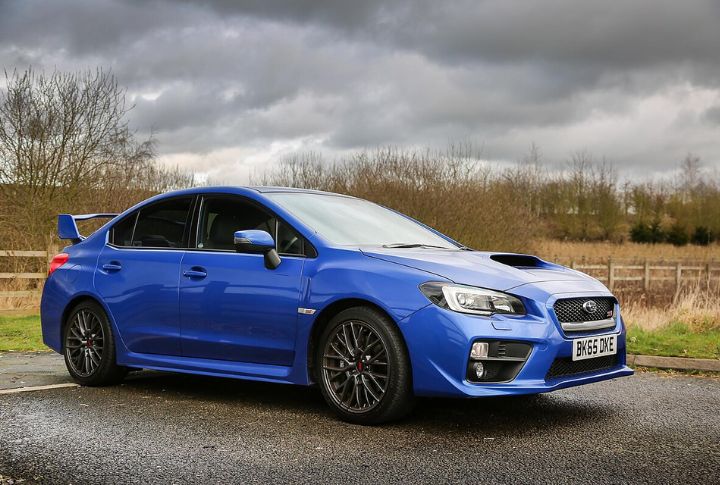
This is the ideal choice for those seeking a car that exudes a rally car-like feel from the factory. The WRX STI’s front-engine, AWD configuration maximizes traction in all driving conditions, unlike the rear-engine layout of the 911. The Driver Controlled Center Differential (DCCD) actively adjusts torque distribution, which enhances stability during aggressive cornering.
Toyota GR Yaris
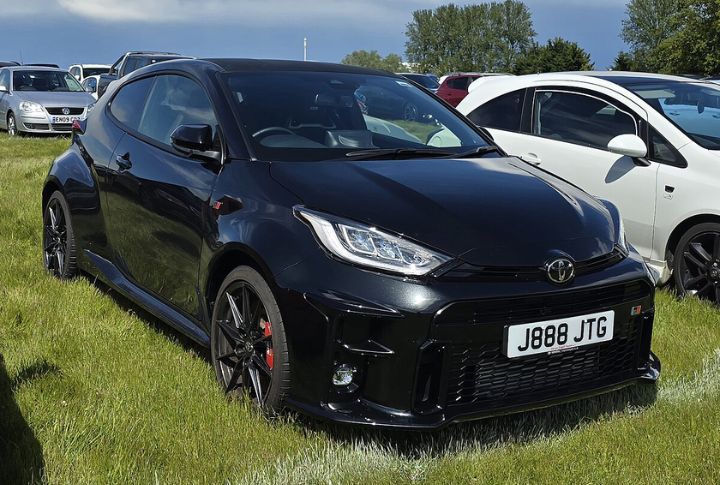
The Porsche is all about precision, but the GR Yaris is pure driving fun. Its front-engine, AWD design gives it the best stability. It has a 1.6L turbocharged inline-three engine that makes 276 horsepower. With a sharp turn, the GR-FOUR system constantly distributes power between the wheels, making the car stable.
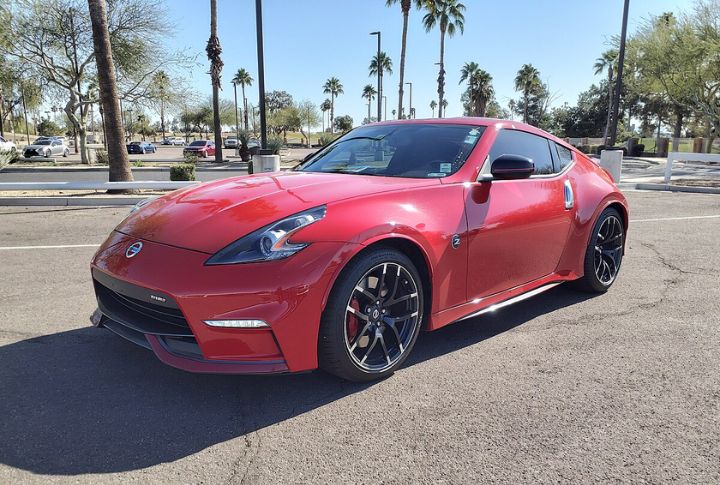
Nissan 370Z Nismo
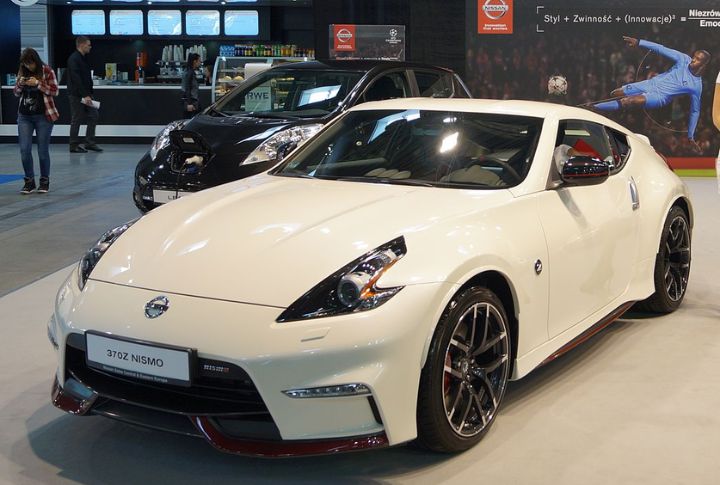
Love old-school sports cars? The 370Z Nismo is your kind of ride. Its naturally aspirated V6 and manual gearbox keep things simple in contrast to the 911’s high-tech setup. The Nissan 370Z Nismo has 350 horsepower, which means it can speed up quickly. Plus, the close-ratio six-speed manual gearbox makes every shift feel sharp and perfectly timed.
Honda NSX (First Gen)
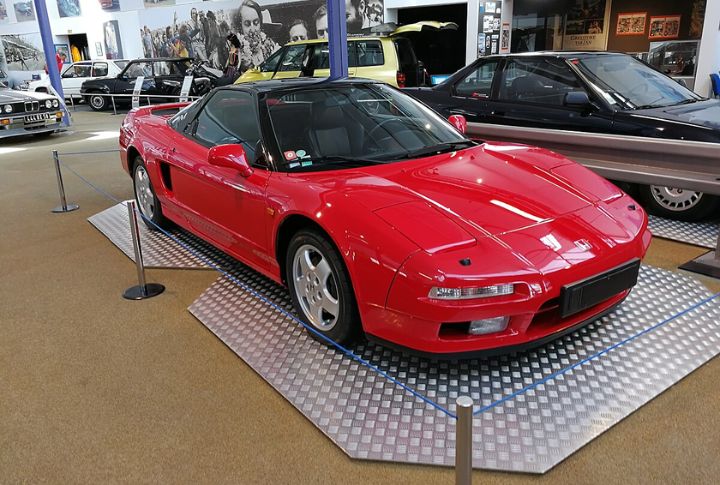
Ayrton Senna, the legendary F1 icon, helped fine-tune the handling of the first-gen Honda NSX. Unlike the rear-engine Porsche 911, the NSX features a mid-engine layout, improving balance and stability. Manual transmission and double-wishbone suspension give it sharp, responsive control that drivers truly feel.
Mazda RX-7 (FD)
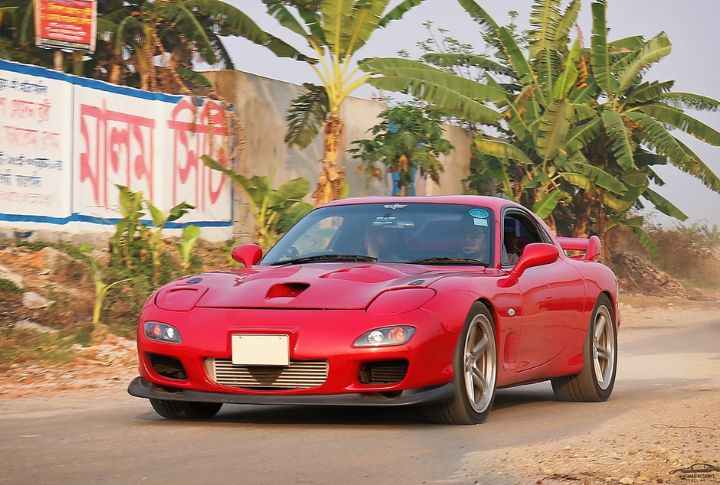
The rotary engine gives the RX-7 a completely different feel compared to the Porsche 911’s flat-six. Lightweight construction boosts agility, making it a blast to push hard through corners. While the Porsche uses traditional power delivery, the RX-7’s twin-turbo setup kicks in with a thrilling burst of speed.
Nissan GT-R (R35)
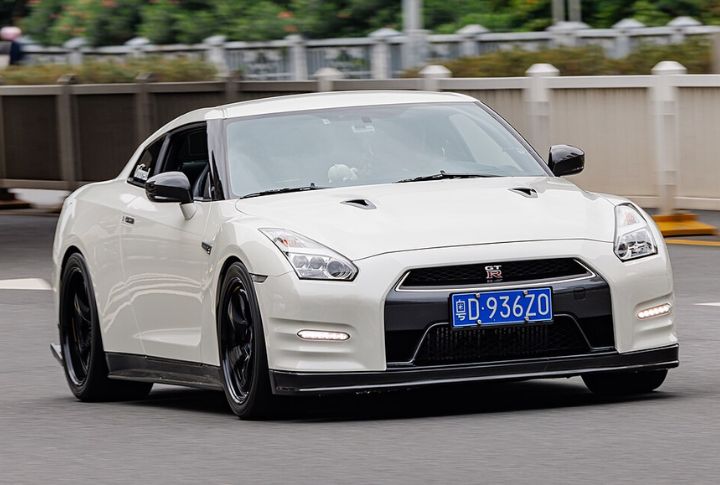
Forget about Porsche’s prestige—the GT-R is where real driving fun begins. Its twin-turbo V6 engine launches from 0 to 60 mph in under three seconds, while Porsche’s rear-engine design requires expert control to extract full performance. Its launch control system is so aggressive that early models could void their warranty if used excessively.