
How Often Should You Change Your Car’s Oil?

Engine problems are the most costly issues car owners face because the engine is the most expensive to replace and repair. Neglecting the engine oil that keeps it running means you’re looking for trouble. To avoid headaches, here’s some advice on car oil, including the right type and ideal time for a change.
Engine Oil and Why it Matters
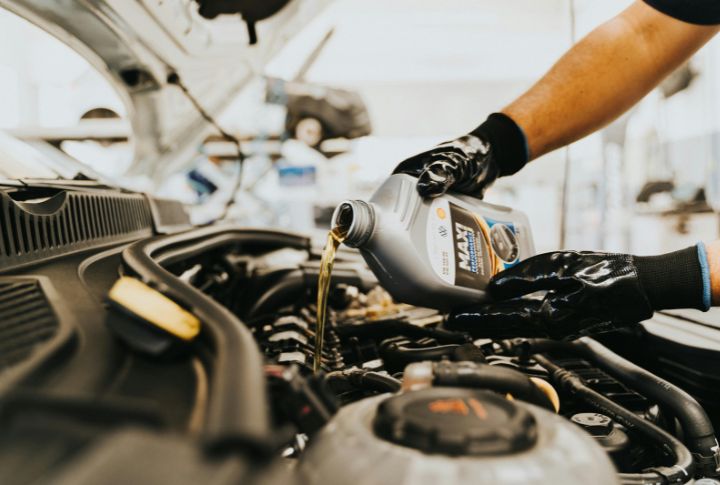
Engine oil is the lifeblood of your car. It lubricates engine parts, reduces friction, prevents overheating, and protects from wear and tear. However, contaminants will build up with time, affecting its effectiveness. That’s why regular changes are important. Keeping the oil fresh ensures your engine runs smoothly, maintains peak performance, and extends the vehicle’s life.
Different Types of Car Oil

Choosing the right type of oil depends on your car and driving style. Conventional oil offers basic protection and is ideal for older vehicles or those with minimal mileage. On the other hand, synthetic oil works better in extreme temperatures, while a synthetic blend combines affordability with extra protection. Lastly, high-mileage oil fits engines past 75,000 miles.
Why You Should Pay Attention to Oil Viscosity
If you’ve ever wondered what those numbers on the oil bottle mean, they’re about viscosity—how easily the oil flows. The first number, followed by ‘W,’ indicates cold weather performance; the lower the number, the better for starting in winter. In contrast, the second number is for hot weather; a higher figure means better protection.
Choosing the Right Oil for Your Vehicle

Selecting the ideal oil isn’t guesswork. It’s a simple decision with significant benefits. Consider your driving conditions; if you drive in extreme temperatures or tow heavy loads, opt for synthetic. Older cars may need high-mileage oil to reduce leaks and improve efficiency. You can check your car manual for factory recommendations.
Driving Without Changing Your Car’s Oil
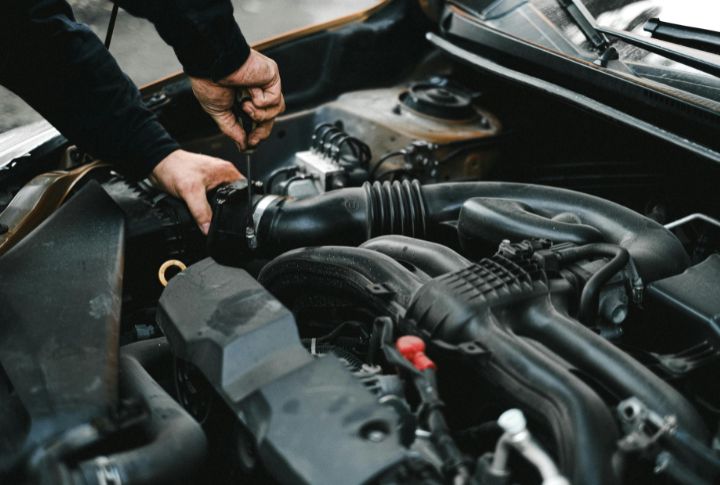
The range isn’t set in stone, even for similar models. It depends. Newer engines and synthetic oils last longer—about 10,000 miles or more. Older cars or those using conventional oil may last 3,000 to 5,000 miles. Pushing beyond these limits may reduce engine efficiency, so make sure to consult a trusted mechanic.
Signs Your Car Needs an Oil Change
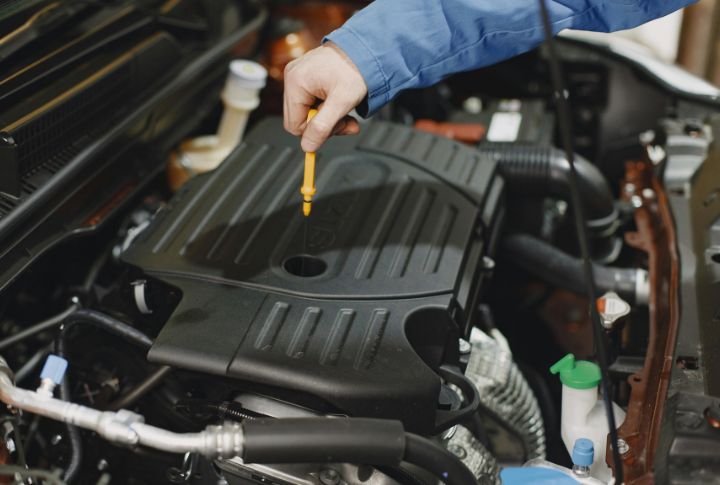
Your car often gives signals when it’s time for an oil change. Look for warning lights on the dashboard or listen for unusual engine noises. Dark, dirty oil is another sign—check with the dipstick regularly. If you notice sluggish performance or a burning smell, act fast. Don’t damage your engine by waiting or ignoring these cues.
How the Age of Your Car Affects Oil Change

The older your vehicle, the more often you’ll need oil changes because aging engines tend to burn oil faster. Hence, older cars run better on high-mileage oils designed to minimize leaks and reduce sludge. These oils contain additives to maintain seals and performance. Consult a good mechanic, too; they can help determine the best oil for your ride.
How Driving Style Affects Oil Change

What’s your driving style? If you’re enthusiastic and love fast acceleration and hard braking, be ready to change oil as often as drivers who haul heavy loads. Highway driving at consistent speeds is gentler on your oil, while regularly going short distances cause moisture buildup and sludge because your engine doesn’t fully warm up.
How Often Should You Change Your Oil?

The answer isn’t one-size-fits-all. Most experts recommend using synthetic oil for every 5,000 to 7,500 miles in modern cars. For older cars or those running on conventional oil, every 3,000 miles is ideal. Always check your car’s manual for specific guidelines to keep your engine healthy and avoid costly repairs.
Preparing Your Vehicle for an Oil Change
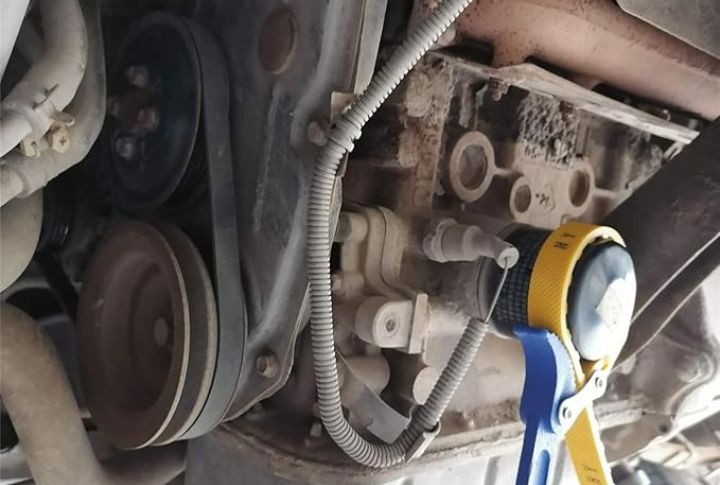
For drivers who love DIY tips, you can change your oil easily with the correct type and a new filter—check your car’s manual for these specs. First, grab an oil filter wrench, a socket set, a drain pan, and gloves. Then, lift your car safely with ramps or a jack while using stands for extra security.
Step-by-Step Guide to Changing Your Oil
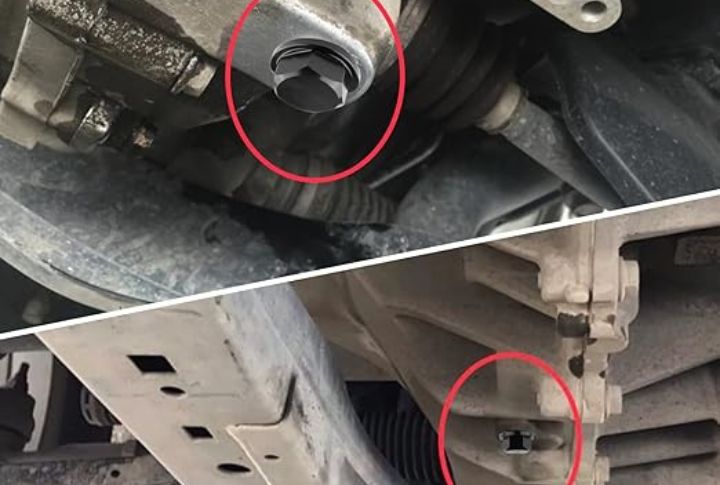
Changing your oil isn’t a stressful chore. Start by warming up the engine to make the oil flow more easily. Next, locate the drain plug under your car and place a pan/bowl beneath it. Then, remove the plug to drain the old oil, then replace the oil filter. Once that’s done, reinstall the plug and add fresh oil.
The Oil Filter
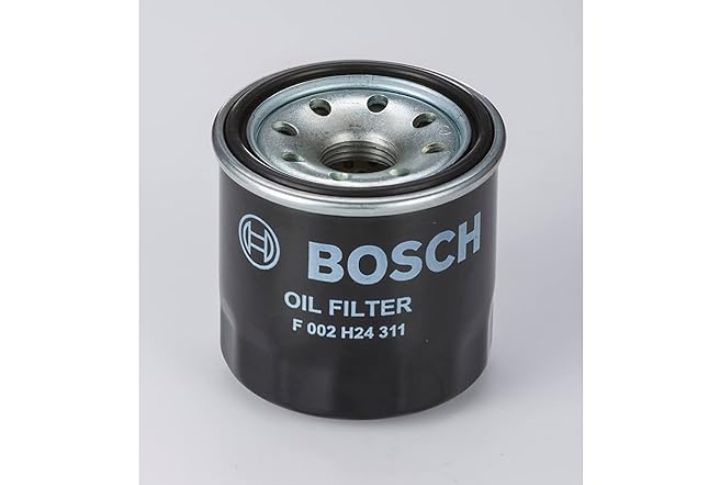
This essential part traps dirt, metal particles, and sludge, preventing them from circulating through your engine. After lots of trapping, the filter gets clogged. If you don’t replace it on time, it forces your engine to work harder, reducing efficiency and increasing wear. You can replace the filter with every oil change to maintain proper flow and filtration.
Understanding Oil Additives and Their Benefits
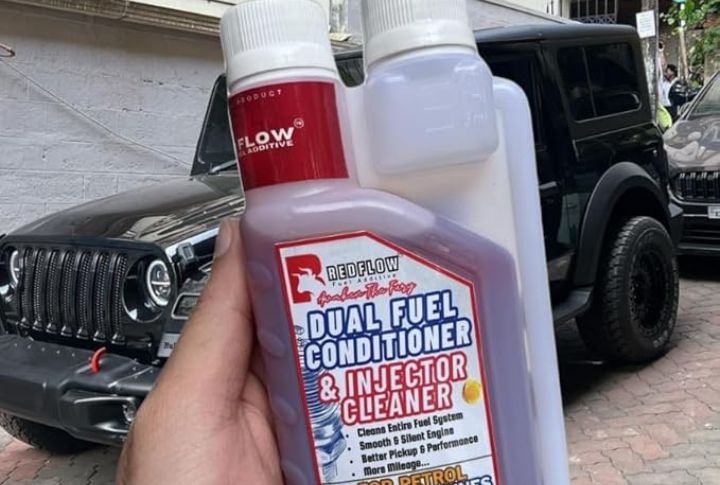
Oil additives prevent corrosion, reduce friction, and help maintain viscosity under extreme temperatures. Detergents keep deposits from forming, and anti-wear agents protect engine components. You’ll need to choose the oils with the right additives for your vehicle’s use, whether it’s for everyday commuting, work, or performance driving.
Oil Changes and Engine Health
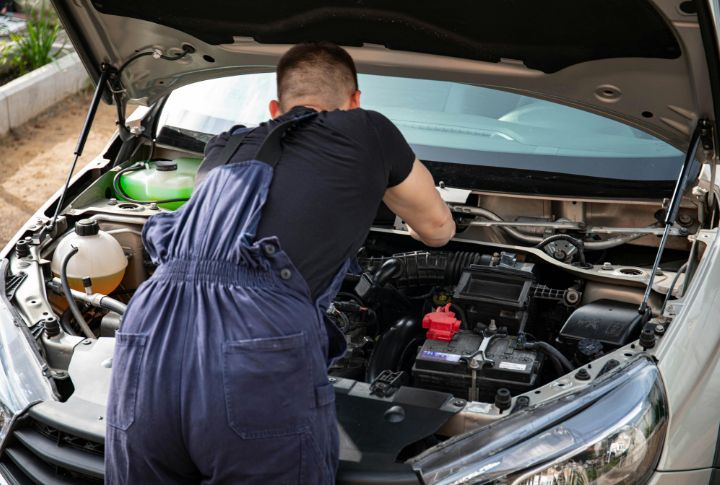
Unchanged oil causes sludge buildup, reduced performance, and even engine failure. This neglect can cause costly repairs and reduce a vehicle’s lifespan. In contrast, fresh oil lubricates moving parts, reduces friction, and prevents overheating. Protect your investment by replacing the oil often for smoother rides with more efficient performance.
Common Mistakes to Avoid

Don’t rush an oil change. Follow instructions and take your time to avoid common mistakes like using the wrong oil type, over-tightening the drain plug, or forgetting to change the filter. After draining, dispose of used oil responsibly—never pour it down the drain or into water bodies. You can find auto parts stores or recycling centers that accept it for free.