20 Golden Age Cars That Make Modern Rides Look Boring
Between the 1920s and 1960s, automobiles weren’t churned out by algorithm. They were designed and obsessively tweaked by people who wanted to make machines that turned heads and roared down roads. Unapologetic and packed with horsepower, these classics still make today’s cars seem beige in comparison.
1925 Rolls-Royce Phantom I
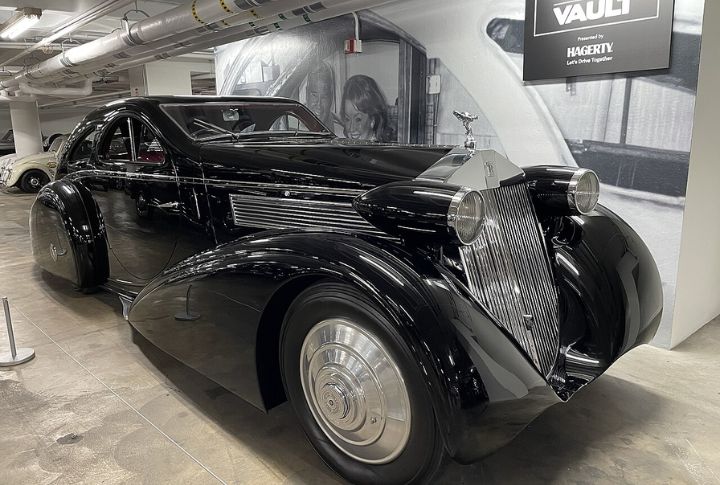
The Phantom I wasn’t about speed—it was about serene dominance. Rolls-Royce wrapped a colossal inline-six engine inside bespoke coachwork, ensuring every aristocrat glided past in regal silence. Chauffeurs called it “Round Door Rolls,” and passengers lounged like royalty. Smooth and untouchably opulent, it was the standard every luxury car envied.
1930 Cadillac V-16
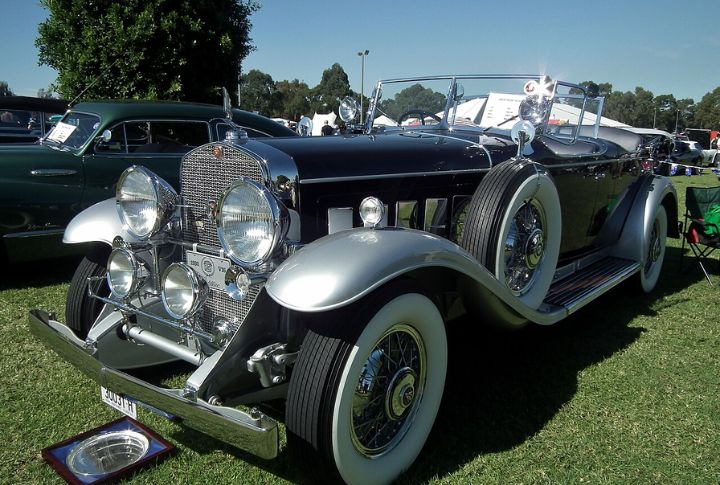
Cadillac didn’t tiptoe into the luxury arena in 1930—it kicked the door down with the V-16. Its massive 452 cubic inch, 16-cylinder engine was tuned for velvety quiet, but still churned out 165 horsepower. Every inch of chrome and leather screamed excess, cementing Cadillac as king of pre-WWII prestige.
1933 Duesenberg Model J
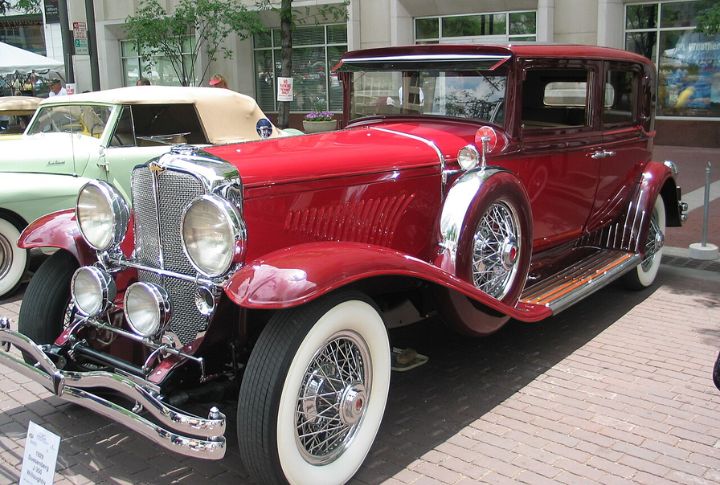
Owning a Model J in the 1930s meant you weren’t rich—you were ridiculously rich. Duesenberg crammed in a 420 cubic inch supercharged straight-eight delivering 320 horsepower. Celebrities ordered custom bodies to match their egos. It was the car that coined “It’s a Duesy.” No exaggeration required.
1936 Cord 810/812
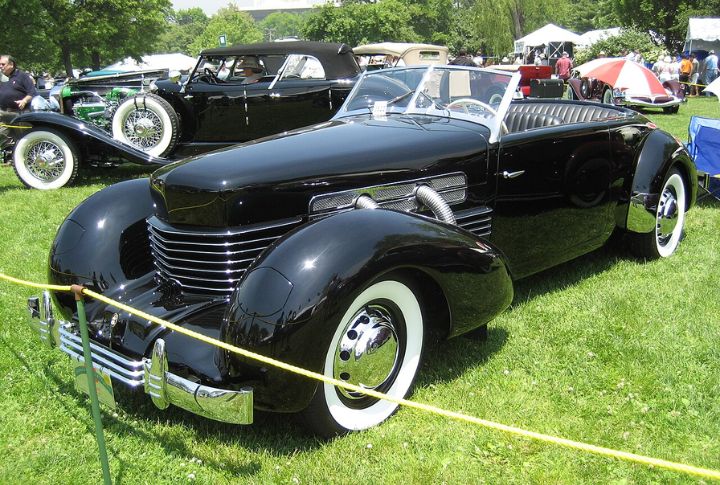
The Cord 810/812 didn’t look like anything else on American roads. Its sleek, coffin-nosed front end concealed headlights before anyone else thought to hide them. Add front-wheel drive and an optional supercharger, and you’ve got a car decades ahead of its time. No wonder gearheads still drool over it.
1937 Bugatti Type 57SC Atlantic
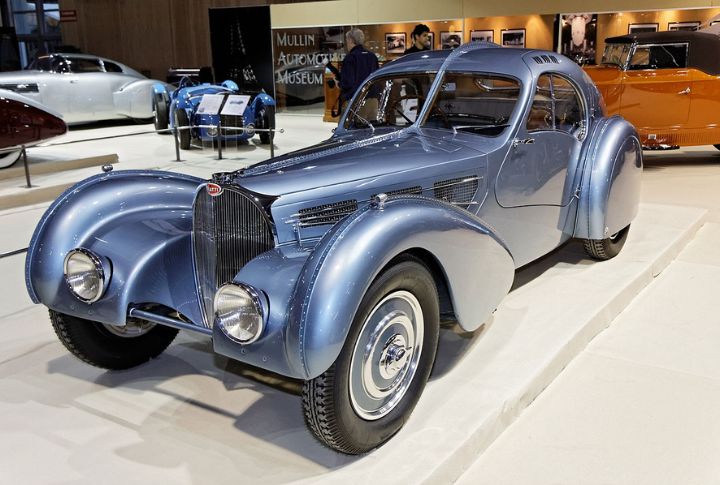
With only four ever made, the Bugatti Atlantic is less a car and more a rolling sculpture. Its riveted magnesium-aluminum body required aeronautical craftsmanship. And under the hood, a 3.3L straight-eight hummed like a mechanical symphony. Each one’s a priceless work of art—assuming you can even find one.
1948 Tucker 48
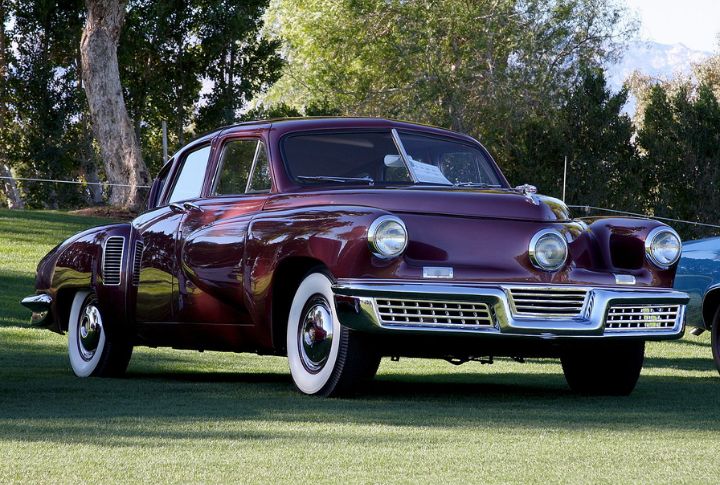
Preston Tucker wasn’t interested in sticking to the script. The 1948 Tucker 48 featured rear-mounted engines, a central headlight that turned with the steering wheel, and padded dashboards—decades before safety regulations demanded it. The Big Three squashed production, but not before Tucker earned his place in history.
1953 Chevrolet Corvette
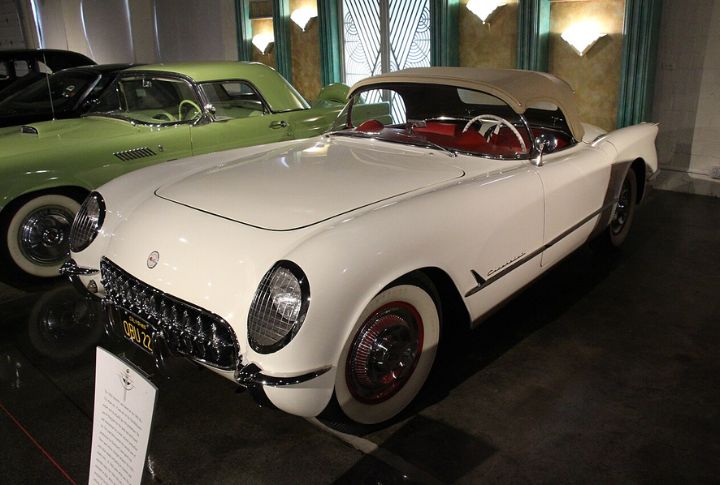
The Corvette’s debut wasn’t about brute force—it was about shaking up the game. A lightweight fiberglass body wrapped around sleek curves made the ’53 Corvette futuristic. Early models stuck with a six-cylinder engine, but the real fireworks lit up when the V8 dropped two years later. Sports cars suddenly had swagger.
1954 Mercedes-Benz 300 SL Gullwing
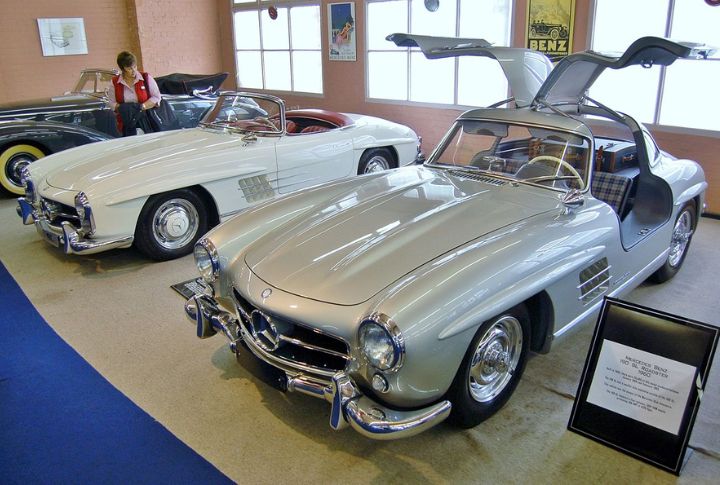
The gullwing doors stole attention, but it was what lay beneath that mattered. Direct fuel injection in 1954? Check. A lightweight spaceframe chassis? Check. The 3.0L inline-six pushed 160 mph, making it one of the fastest production cars around. Even standing still, the 300 SL looked like it was flying.
1955 Mercedes-Benz 300 SLR Uhlenhaut Coupe
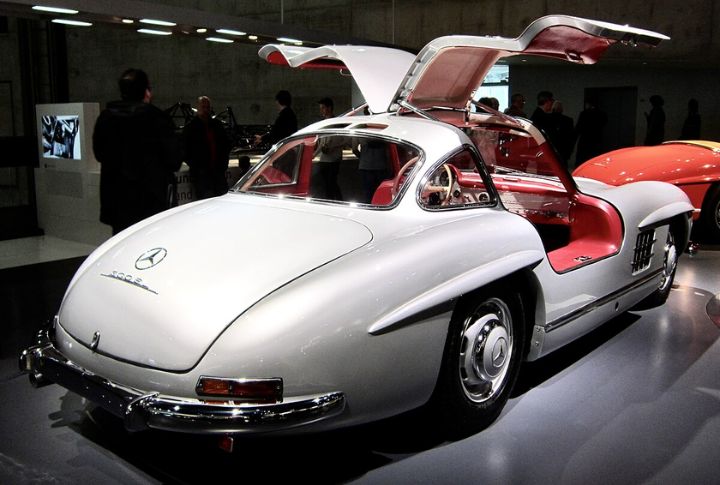
The 1955 Mercedes-Benz 300 SLR Uhlenhaut Coupe was a race car in a tailored tux. With a 3.0L straight-eight engine pushing 302 horsepower, it topped 180 mph, which was unheard of for the era. Only two were built, making it a legend of speed, rarity, and engineering precision on four wheels.
1957 Chrysler 300C
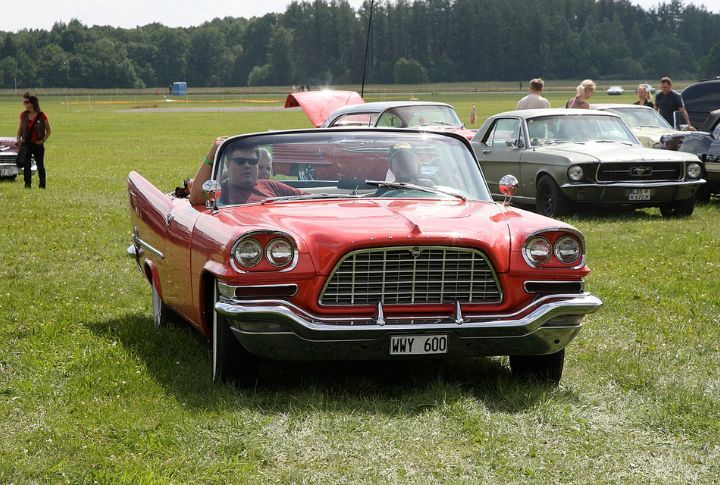
The 1957 Chrysler 300C combined raw power with refined elegance. Its 392 HEMI V8 pushed up to 390 horsepower, wrapped in graceful fins and chrome. With a bold design and serious speed, it redefined American performance, earning its place as the ultimate “banker’s hot rod.”
1961 Jaguar E-Type
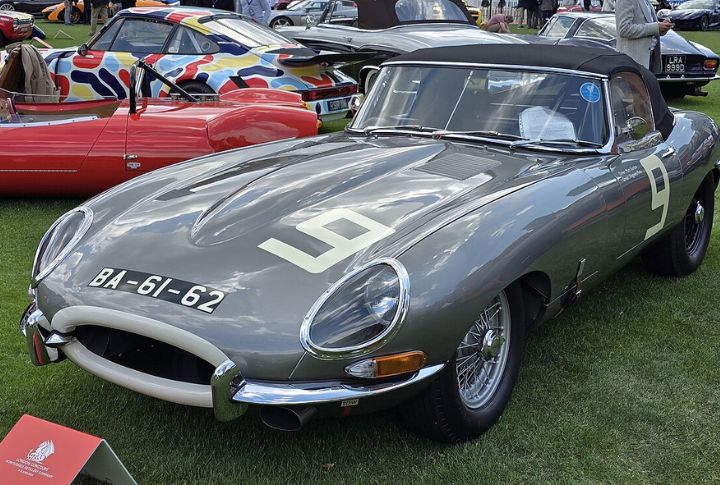
When Jaguar unveiled the E-Type, it wasn’t just style—it was substance. That long, swooping hood wasn’t for show; it housed a 3.8L inline-six capable of hitting 150 mph. The independent rear suspension meant it handled corners as beautifully as it looked. No wonder Enzo Ferrari admired this car for its beauty.
1963 Aston Martin DB5
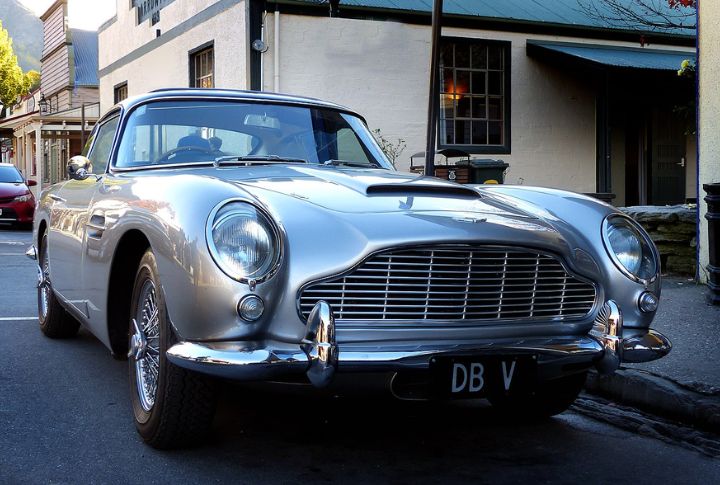
Underneath its tailored British suit, the DB5 hid muscle. A 4.0L inline-six, triple SU carbs, and a five-speed ZF gearbox gave it enough punch to match its elegance. James Bond might’ve popularized it, but even without gadgets, it remains one of the sharpest, most balanced grand tourers ever built.
1964 Ford Mustang
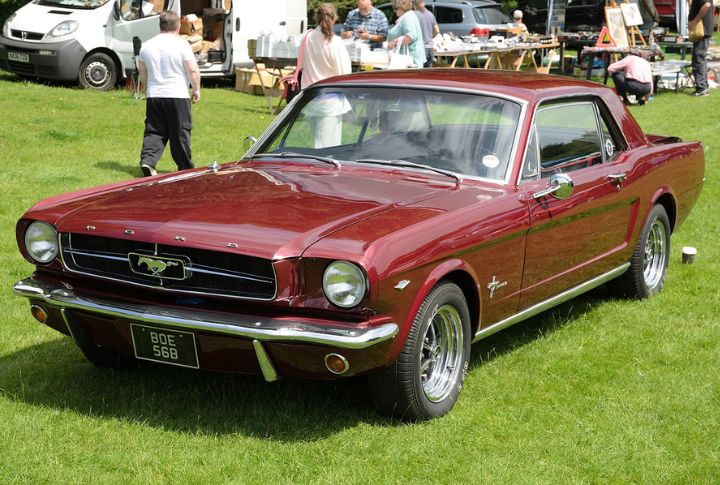
Ford wasn’t aiming for subtlety with the Mustang’s 1964 debut. Affordable, customizable, and packed with attitude, it sold over 400,000 units in its first year. Buyers could tweak it from tame six-cylinder commuters to roaring V8 beasts. It single-handedly ignited America’s love affair with pony cars.
1964 Pontiac GTO
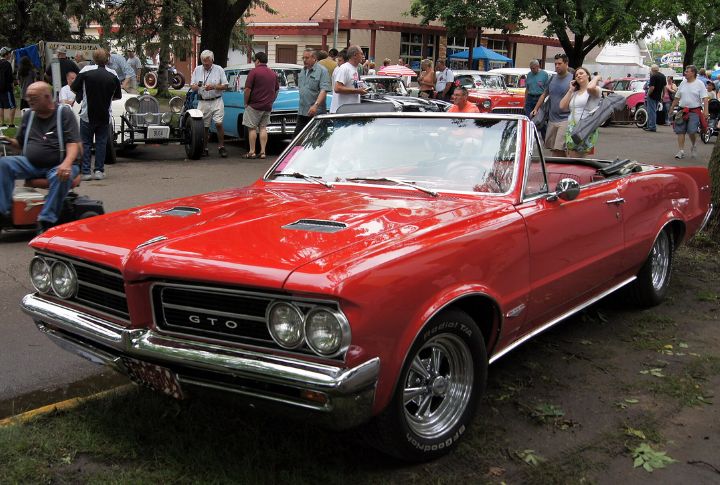
The formula was simple: take a lightweight mid-size Tempest, shove a monstrous 389 cubic inch V8 inside, and name it after an Italian racing class. Pontiac’s 1964 GTO didn’t just birth to the muscle car—it defined it. Dual exhausts and a no-nonsense attitude cemented its place at the top.
1965 Shelby Cobra 427
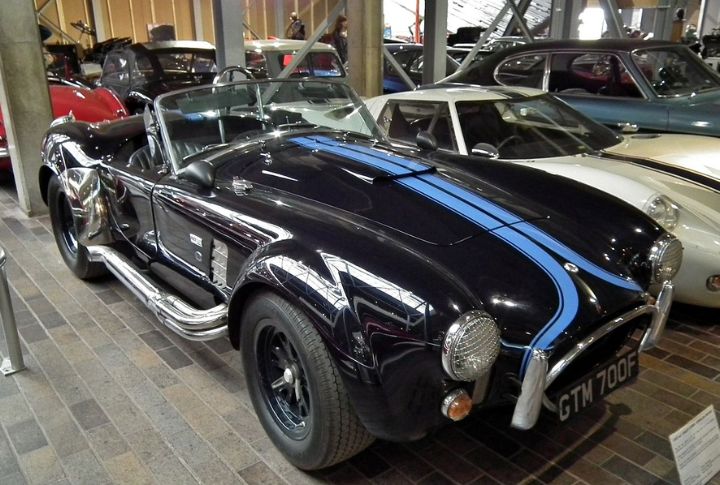
The Cobra 427 didn’t play by gentleman’s rules. Carroll Shelby wedged a Ford 427 cubic inch V8 into a lightweight British AC chassis, creating a street-legal rocket. With zero insulation and raw horsepower, this car wasn’t refined; it was a barely controlled explosion in aluminum skin.
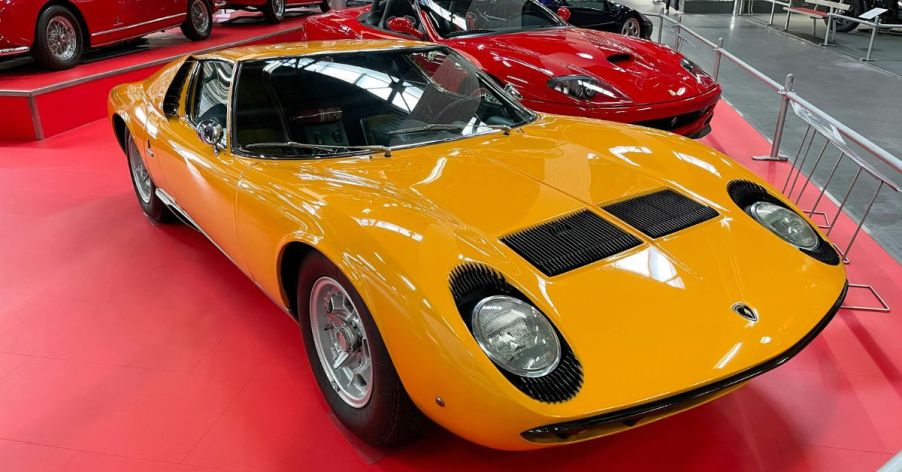
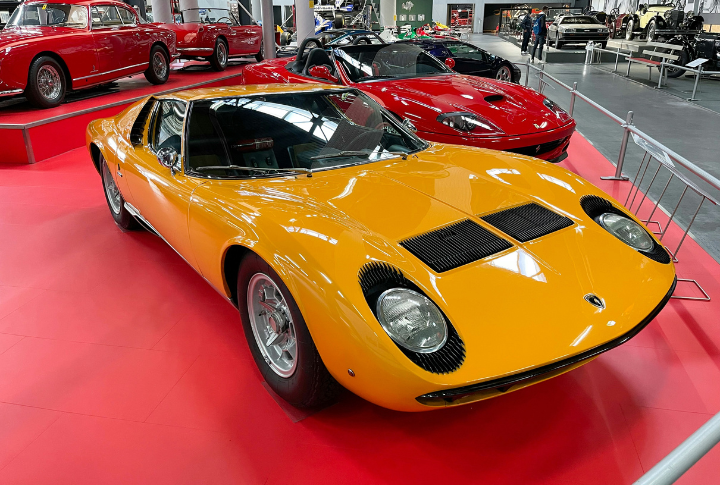
1966 Lamborghini Miura
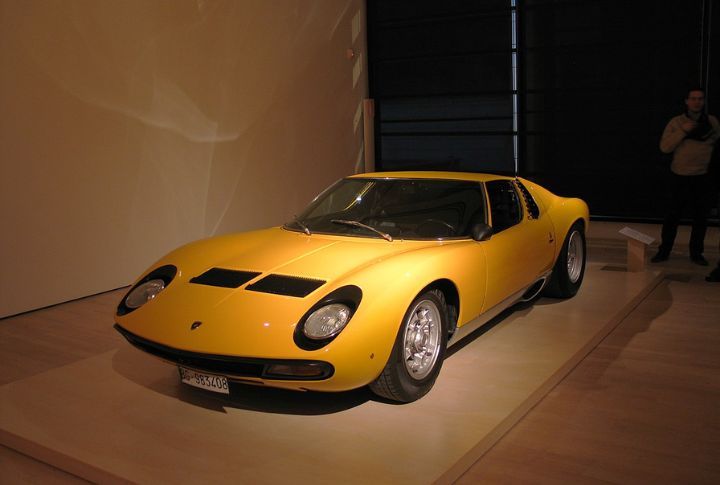
The Miura essentially rewrote Lamborghini’s story. Placing its 3.9L V12 behind the driver was radical, but it balanced power and agility like no other. It wasn’t a brute like American muscle, but pure precision and flair—the godfather of every supercar that came after.
1967 Chevrolet Camaro
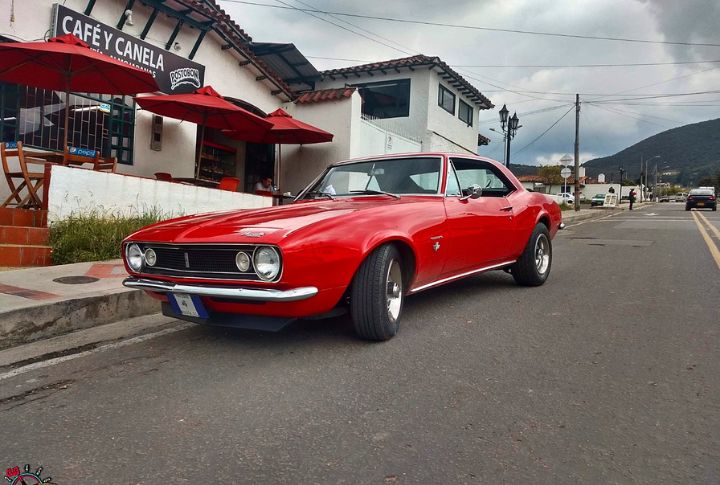
Chevy’s 1967 Camaro was unapologetic. Built to square off with the Mustang, it launched with a lineup of engines ranging from a 230 straight-six to a 396 big block V8. Sharp lines, rally stripes, and RS or SS trim packages made sure it didn’t blend into traffic.
1968 Dodge Charger R/T
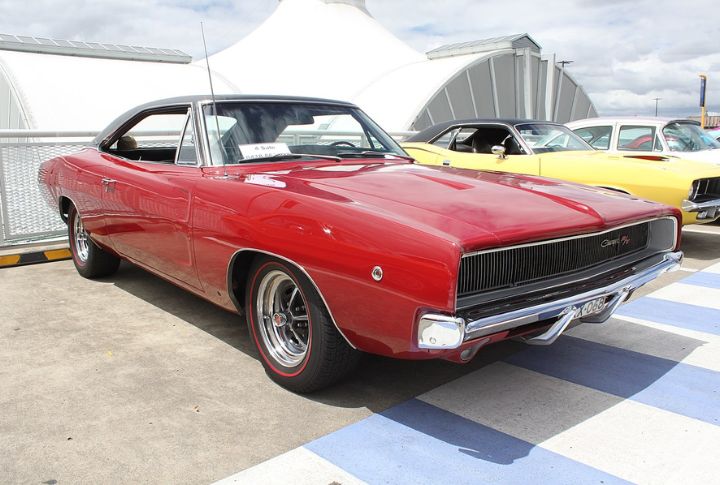
Dodge’s redesign in 1968 turned the Charger R/T into pure intimidation. Coke-bottle curves and a 440 Magnum V8 under the hood made it a street beast. Toss in a 426 HEMI option and a starring role in Bullitt, and the Charger instantly burned itself into pop culture.
1969 Plymouth Road Runner
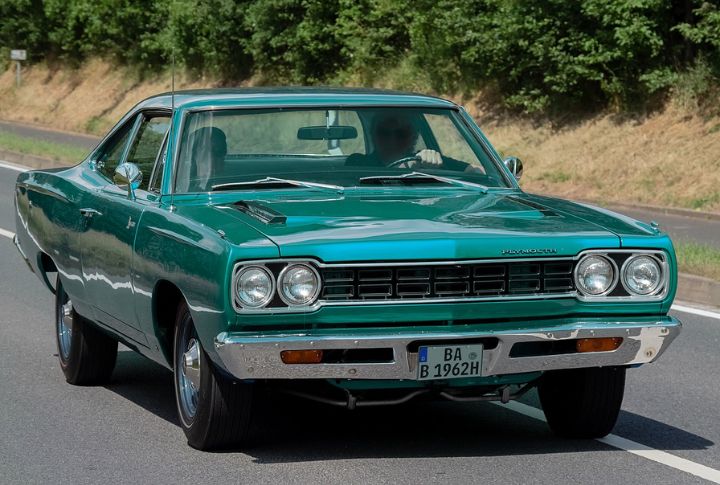
Plymouth’s Road Runner was muscle distilled down to essentials: big engine, barebones interior, and zero nonsense. In 1969, the 440 Six-Pack and optional HEMI engines meant it could dust pricier competition without breaking a sweat. This bird didn’t play games.
1969 Nissan Fairlady Z
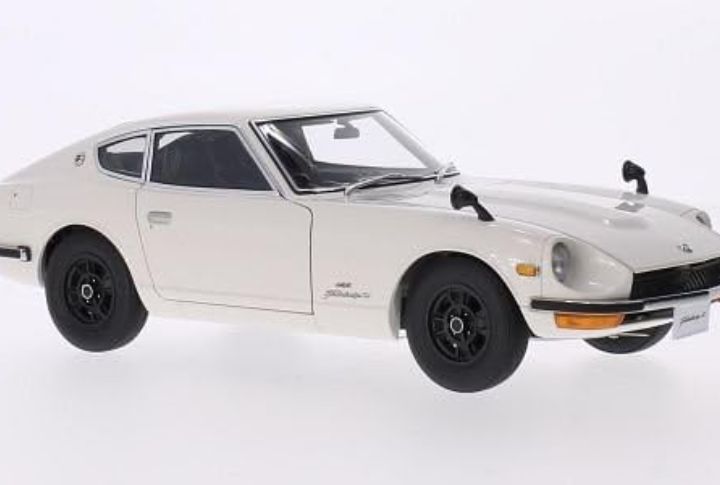
While American muscle dominated, Nissan quietly launched the Fairlady Z, known stateside as the Datsun 240Z. This car had a silky inline-six, independent suspension, and sleek lines that made it a precision tool. It proved that sports cars didn’t have to guzzle gas or cost a fortune to deliver serious fun.