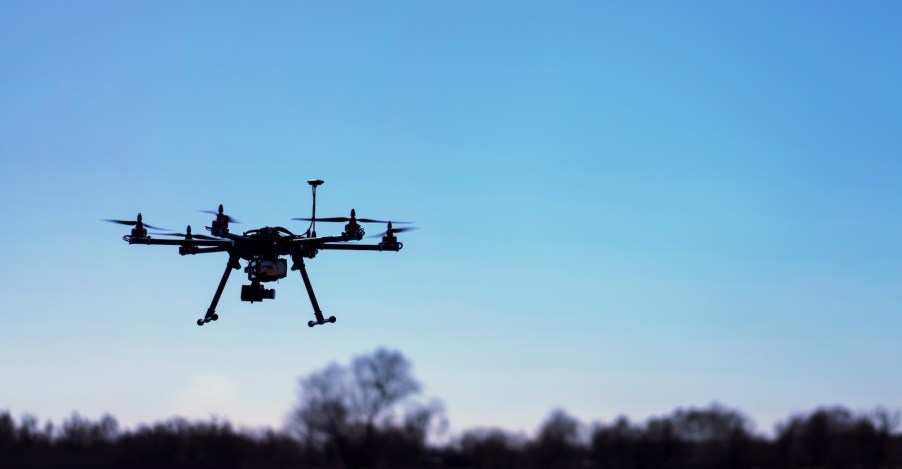
Drone found missing LA hiker in under 10 minutes, cutting days off rescue effort
In the rugged wilderness of Southern California’s Angeles National Forest, every second counts. Search and rescue teams braced for days of grueling work. Aleksander Novak Zemplinski, a 45-year-old Detroit man, had vanished while exploring the steep San Gabriel Mountains. Days passed without a trace. His family feared the worst.
Deputies launched the search after a parked car near Mount Wilson raised suspicions. Rescue teams began scouring the sprawling terrain. The forest was vast and treacherous, with sheer cliffs and dense vegetation. Every minute lost meant Aleksander’s chances grew slimmer. Then, Deputy Ryan Clarke deployed a drone.
The drone soared over the rugged terrain, its live feed beaming back every detail. “It was very steep,” Clarke explained. Usually, this search would have taken days, lowering rescuers into gorges and hauling them back up. But this time, the drone spotted something within 10 minutes.
Clarke saw him on the screen—200 feet down a steep embankment, perched on a narrow ledge. Aleksander was alive but barely moving. The precarious position meant one misstep could send him tumbling further. The team acted quickly, knowing time was against them.
Rescuers carefully descended the cliff. Aleksander was dehydrated and disoriented after his 300-foot fall. “This individual would probably not survive another night,” said Steve Goldsworthy, leader of the Montrose Search and Rescue Team. They secured him and pulled him to safety.
Search drones are saving lives worldwide
This wasn’t just a rescue—it was a lifesaving breakthrough. Drone technology shaved days off the search, proving its worth in critical situations. Clarke marveled at the efficiency: “Usually, this process takes much longer and is much more dangerous.”
Drones are transforming search and rescue operations around the world. In Scotland, searchers use AI-guided drones to prioritize search zones. MIT researchers developed fleets of drones that map dense forests without GPS. “Efficient searches save lives,” says Yulun Tian of MIT.
Even simpler models make a difference. In 2023, a British team used drones to find a missing hiker in Glencoe, Scotland. Their system flagged colors that stood out, spotting the victim in a hidden gully within hours.
For Aleksander Novak Zemplinski, the drone made all the difference. What could have been a tragic story became one of survival and innovation. As drone technology evolves, these tools will save countless lives, rewriting the rules of search and rescue. For Aleksander, it already has.