20 Defunct Railways That Faded Into Obscurity

Trains once rolled through these 20 routes like clockwork. Now, there’s just quiet. A platform here, a post there, but no real sign of the lives that move through. They’re easy to miss unless you’re looking. Let’s walk a little closer and see what stories still cling to these 20 rail
Moonville Tunnel Line (Ohio)
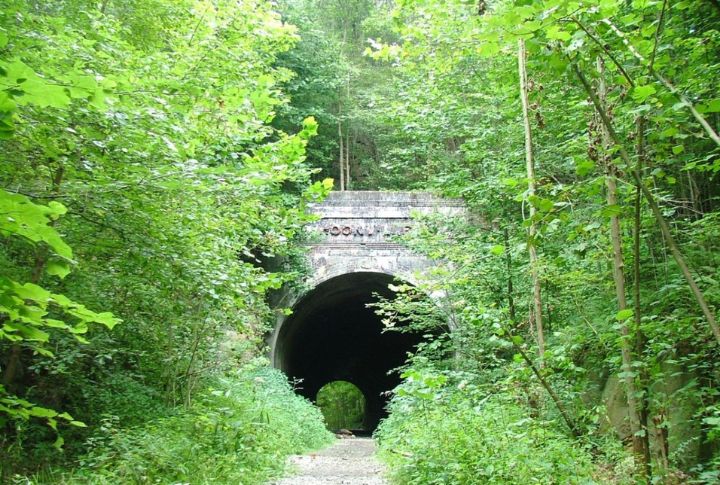
Built in the 1850s to serve coal mines in southeast Ohio, the line ran through the remote Moonville Tunnel. After a series of fatal accidents and dwindling coal demand, operations ceased in 1988. The tunnel remains, drawing visitors due to persistent ghost lore.
Wilmington & Northern Branch (PA/DE)
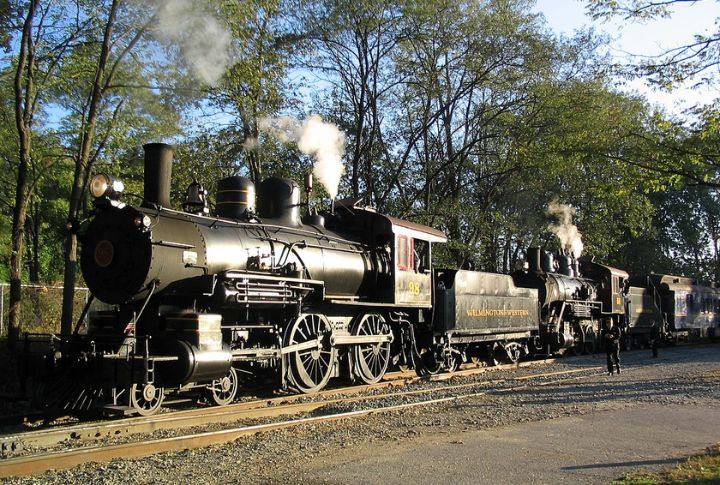
It was a freight line linking Reading, PA, to Wilmington, DE. Partial abandonment began in the 1980s amid the confusion of management transitions and financial shifts. Some sections were sold, while others remained unused. No cohesive explanation ever clarified why this once-busy route quietly fell apart.
Rockaway Beach Branch (Queens, NY)
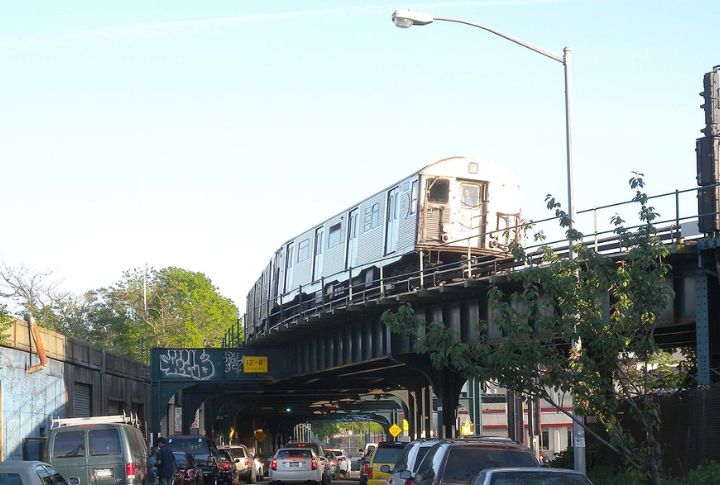
The 3.5-mile rail line served central Queens until service ended in 1962. Ownership conflicts and a lack of investment stalled any restoration. Although it sits in a major metropolitan area, the line remains unused as debates over expanding transit or converting it to parkland continue without a clear path forward.
Monterey Branch Line (California)
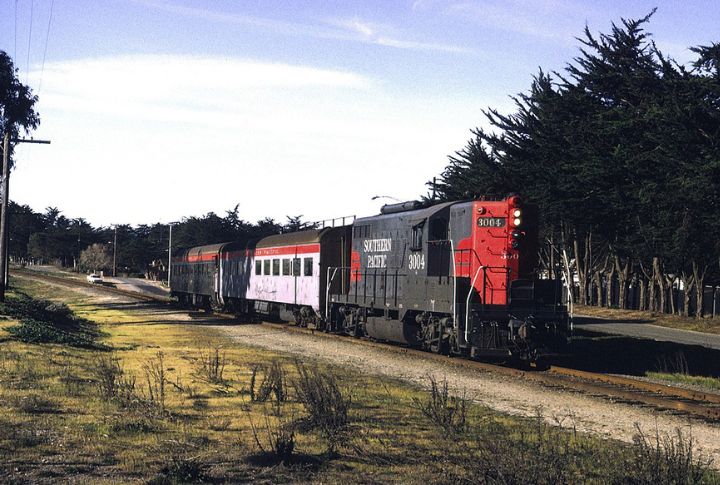
Originally part of the Southern Pacific, the Monterey Branch Line served tourism and coastal communities until passenger service ended in 1971. Its freight operations stopped in the 1990s. Recent plans to remove tracks to make way for bus lanes have sparked ongoing legal disputes with rail preservation groups.
South Manchester Railroad (Connecticut)
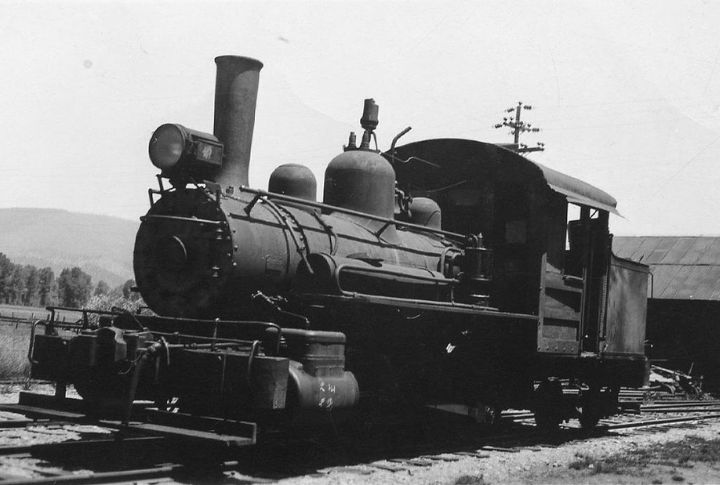
Founded by the Cheney Brothers in the 1860s, this was one of America’s few private industrial railroads. Until the rail use declined, it served the transportation requirements of their silk mills. Abandoned in the 1980s, the right-of-way was later converted into a public trail. However, its shutdown remains vaguely documented.
The Spiritwood Express (Saskatchewan)
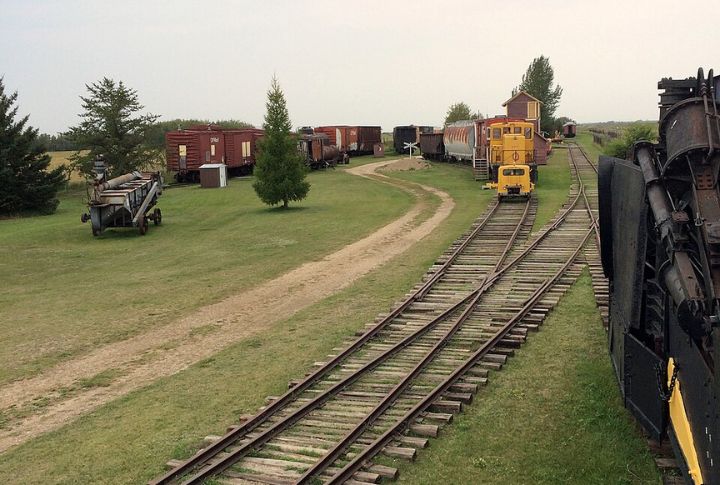
Imagine waiting for a train while a 1,500-pound moose blocks the track again. In rural Saskatchewan, it wasn’t fiction. For decades, the Spiritwood line struggled with wildlife crossing, causing it to become gridlocked. By 1991, after record delays and rising accident risks, authorities pulled the service entirely.
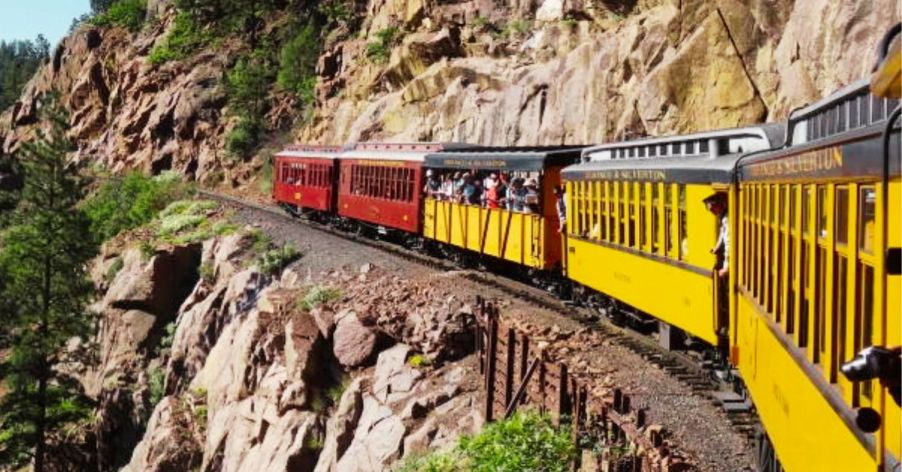
Silverton Northern Railroad (Colorado)
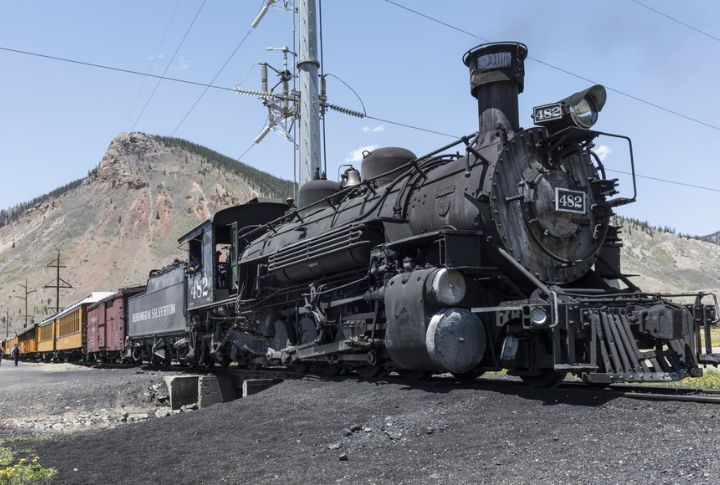
Silverton Northern Railroad was built in 1895 by Otto Mears. The mining line served rugged terrain north of Silverton. It struggled to stay in operation after World War I and was shut down completely by 1942. No major records outline the decision process, with few remnants of the infrastructure found intact today.
Redondo Beach Via Gardena Line (California)
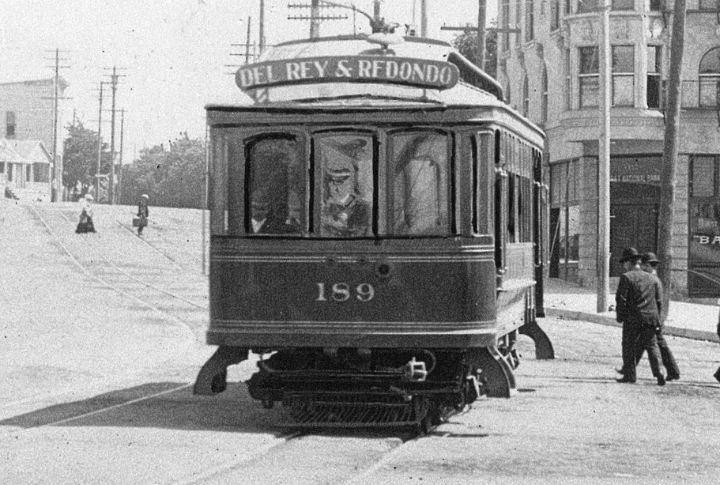
Decommissioned in the 1940s, an interurban route once linked downtown Los Angeles to the coast. As cars and buses took over city transit, the line quietly fell out of use. Unlike the better-known Red Car routes, it vanished with little fanfare, leaving few visible traces.
Santa Monica Air Line (California)
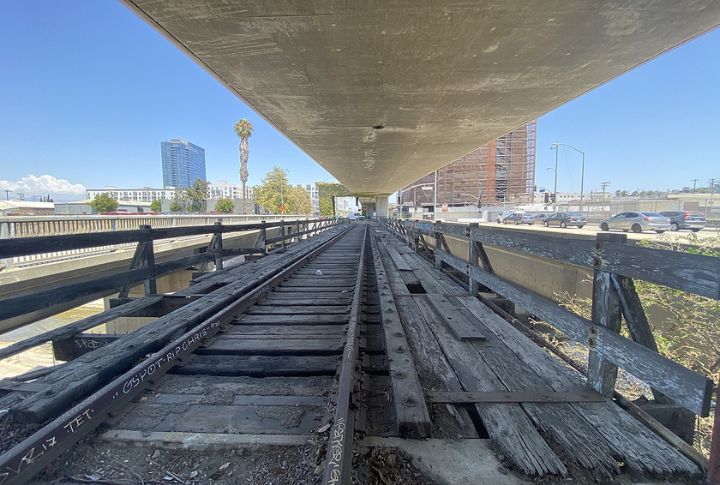
It was an electric line that offered passenger and freight services from downtown Los Angeles to the coast. Between 1953 and 1960, the Santa Monica Air Line gradually became obsolete due to highway expansion. Decades later, it was partially rebuilt to contemporary light rail standards as part of LA Metro’s Expo Line corridor.
Owensmouth Line (California)
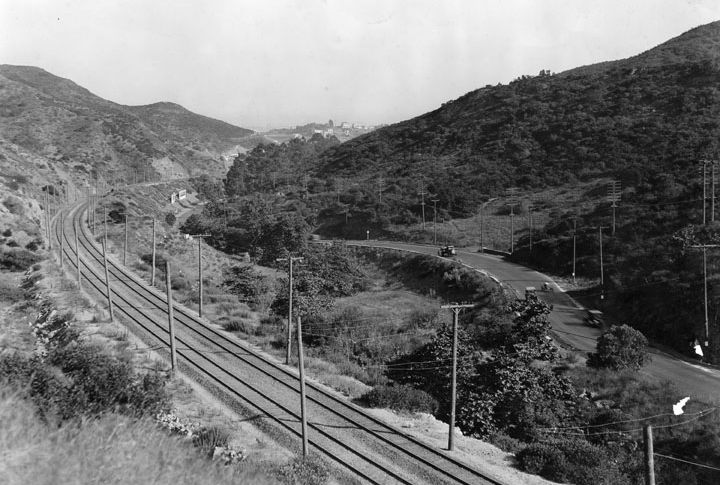
Part of LA’s vast Pacific Electric interurban system, the Owensmouth line connected downtown to the San Fernando Valley. Operations ended in the 1950s as freeways expanded. Unlike better-known routes, Owensmouth vanished with little resistance or preservation effort, and few visible remnants survive today.
Lackawanna Cut-Off (New Jersey/Pennsylvania)
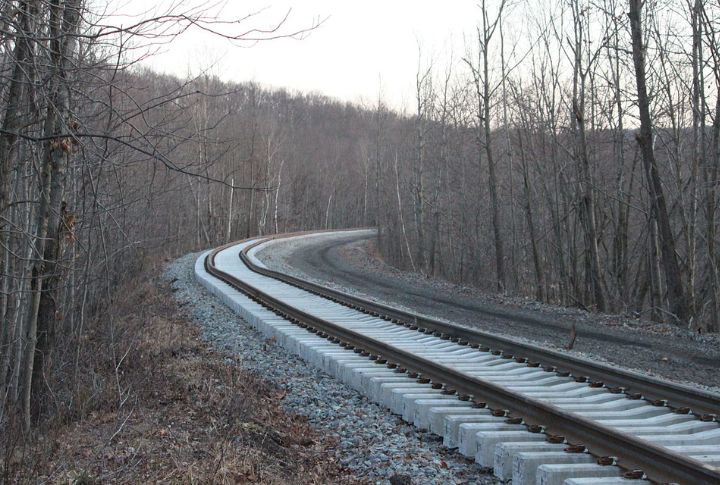
Opened in 1911, the Lackawanna Cut-Off was engineered for speed, bypassing curves with high fills and deep cuts. It fell into disuse in the 1980s after decades of declining ridership. Current debates over partial restoration continue, though much of the original route remains unused.
Alamosa–Durango Line (Colorado)
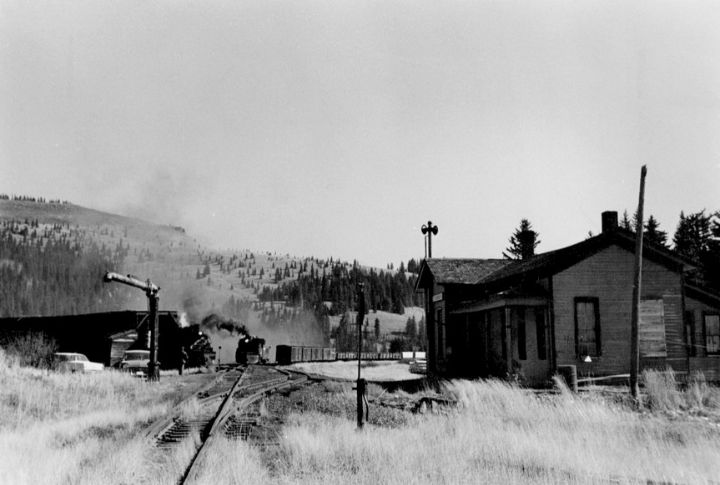
As a part of the Denver and Rio Grande Western’s narrow-gauge network, this line connected the San Luis Valley with the mining districts. Freight traffic dropped by the 1960s. It was phased out over time, with some portions repurposed for tourism, and others left to deteriorate.
Pasadena Short Line (California)
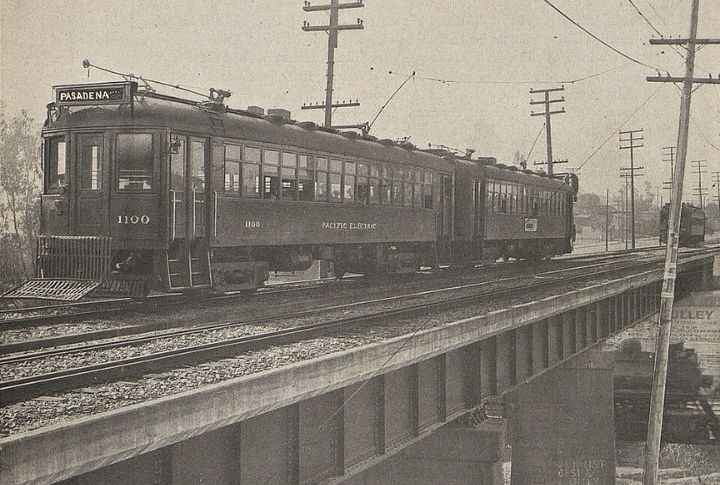
Operated by Pacific Electric, it was an interurban line that connected Pasadena to Los Angeles. It experienced strong ridership early on but declined rapidly after World War II. The route was abandoned in 1951. Portions were paved over, leaving few clues to its role in Southern California’s early rail system.
High Line (New York City)
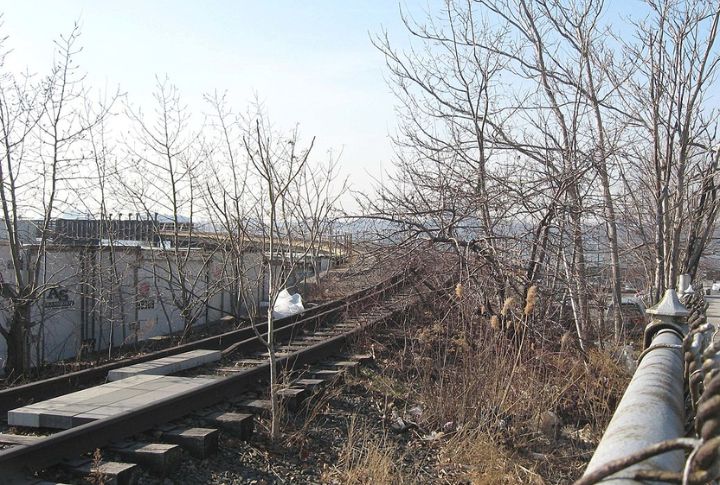
The raised High Line was built in the 1930s for freight delivery to Manhattan’s West Side but fell out of use by the 1980s. Left to decay for decades, it was later converted into a public park. Its original closure, however, was poorly communicated and left little trace in records.
Flemington Branch (New Jersey)
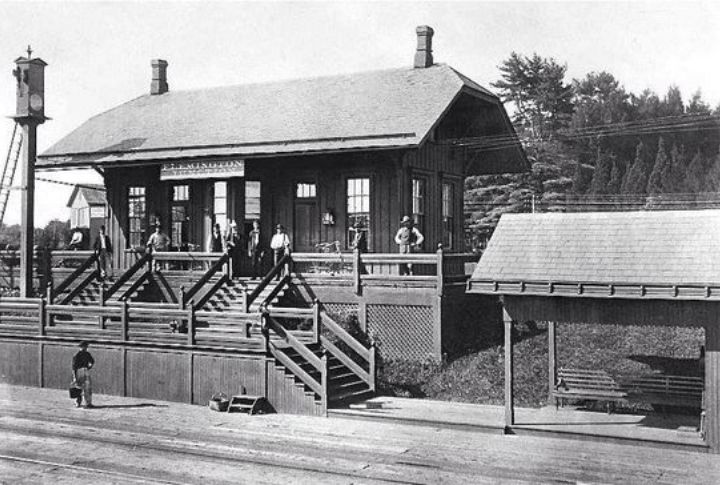
Shut down in 1982, this short but locally significant branch once connected Flemington to the Lehigh Valley mainline. Despite public demand for service continuation, the line was discontinued without transparent economic reasoning. No official report fully addressed its sudden closure.
Vincentown Branch (New Jersey)
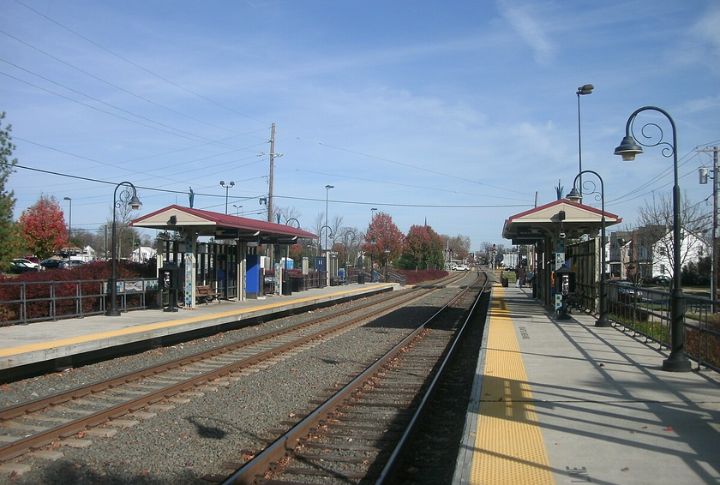
The Vincentown Branch was a short agricultural rail spur that fell out of use in the mid-20th century. Little documentation remains to explain its precise timeline or the decision to close it. While small in scale, its erasure from local rail maps adds to the curiosity surrounding its decline.
Silverton Railroad (Colorado)
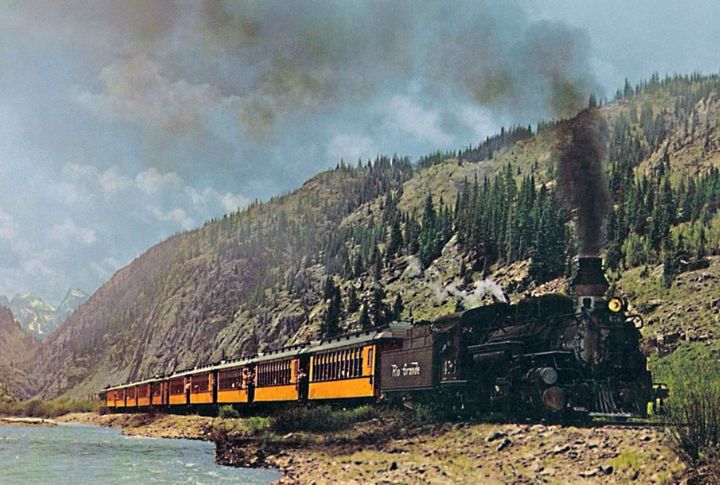
This line was developed by Otto Mears to haul ore through the San Juan Mountains’ extreme terrain. By the early 1920s, the collapse of the silver industry and harsh winters had made it unsustainable. Though celebrated in engineering circles, its abandonment was inevitable and left little fanfare.
Yosemite Valley Railroad (California)
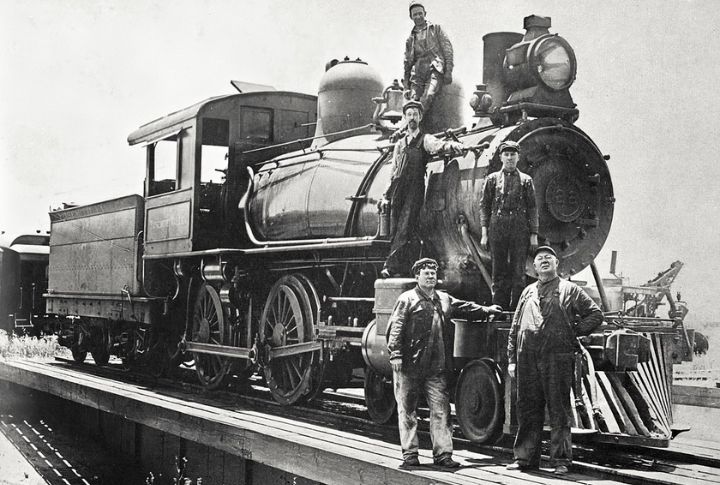
This scenic railway connected Merced to Yosemite Valley from 1907 to 1945. Passenger travel declined due to highway development. Despite its tourism potential, the route was dismantled rather than preserved. Sadly, its disappearance is often overlooked in Yosemite’s transportation history as of now.
Crown King Branch (Arizona)
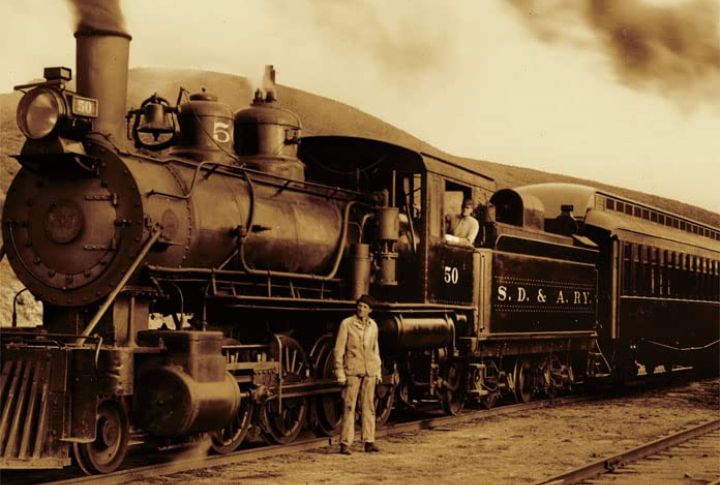
Called “Murphy’s Impossible Railroad” for its steep grades and switchbacks, it opened in 1904 to serve mining towns. By 1926, declining ore shipments and high maintenance costs led to the closure of the Crown King Branch. But even today, the route’s challenging design remains a unique case in rail history.
United Verde & Pacific Railway (Arizona)
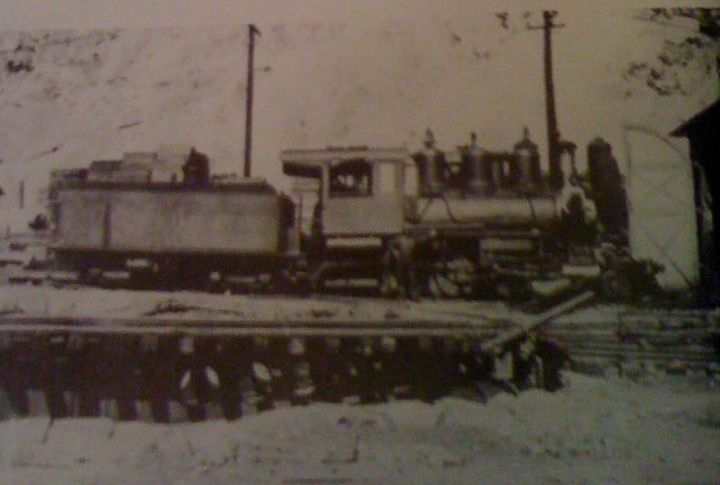
Built to transport copper from Jerome’s mines, this narrow-gauge line was abandoned in 1920 after operations moved to Clarkdale. Steep grades and technological shifts made it obsolete. Even after its brief existence, the route represented a vital link in Arizona’s early industrial network.