20 Classic Cars That Slayed Giants And Made History
There’s something satisfying about seeing a long shot succeed. These cars weren’t built for glory, but they found it anyway. Through clever engineering and a bit of attitude, they challenged expectations and came out on top. Get ready to meet the classics that punched above their weight and carved their place in history.
Mini Cooper S
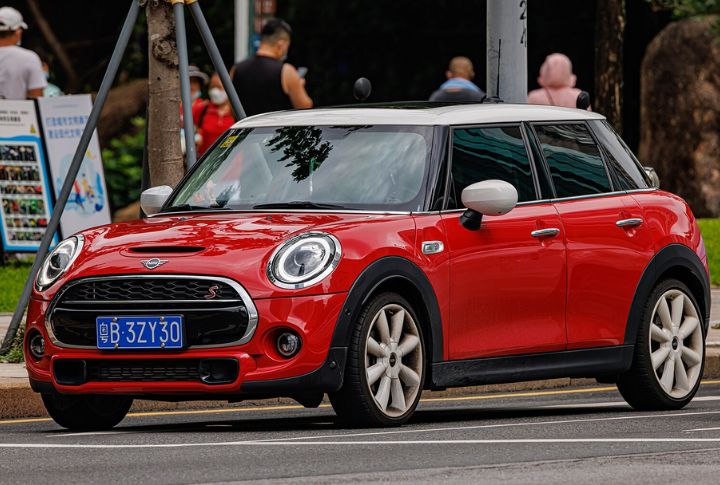
Big things sometimes come in very small packages. The Mini Cooper S was barely over 10 feet long, yet it managed to dominate international rally stages during the 1960s, including the Monte Carlo Rally, where it famously triumphed in 1964, 1965, and 1967.
Shelby Cobra 289
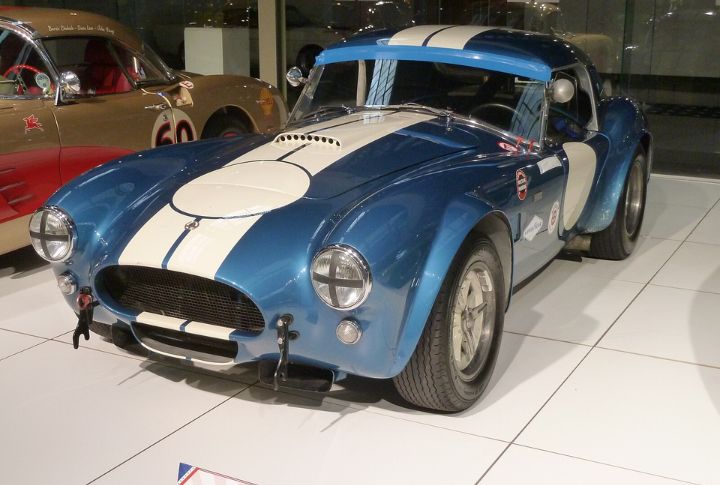
The Shelby Cobra 289 was born from a dare. Carroll Shelby wanted to prove that American muscle could outmaneuver European finesse, and he did exactly that by mating a lightweight British AC Ace chassis with Ford’s 289-cubic-inch small-block V8. The result was a 2,000-pound missile with a snarling engine and brutal acceleration.
Lancia Stratos HF
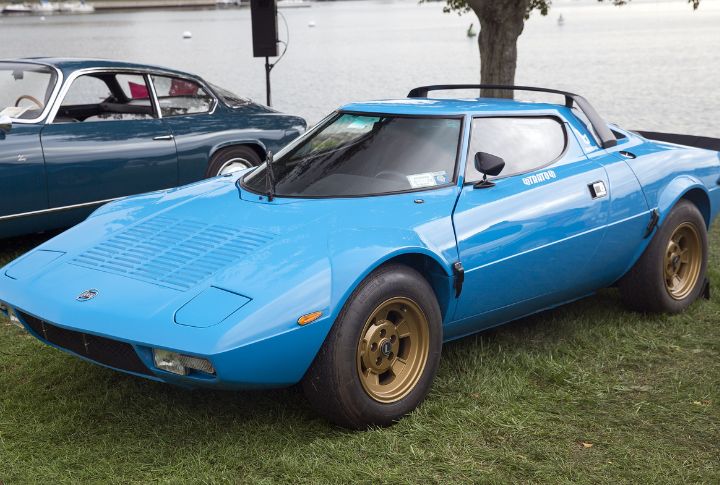
It looked like a spaceship and moved like a wasp. Lancia built it for one reason: to win rallies. From 1974 to 1976, it dominated the World Rally Championship. It could pivot around corners like a rally ballet dancer and take punishing terrain without flinching.
BMW 2002 Turbo
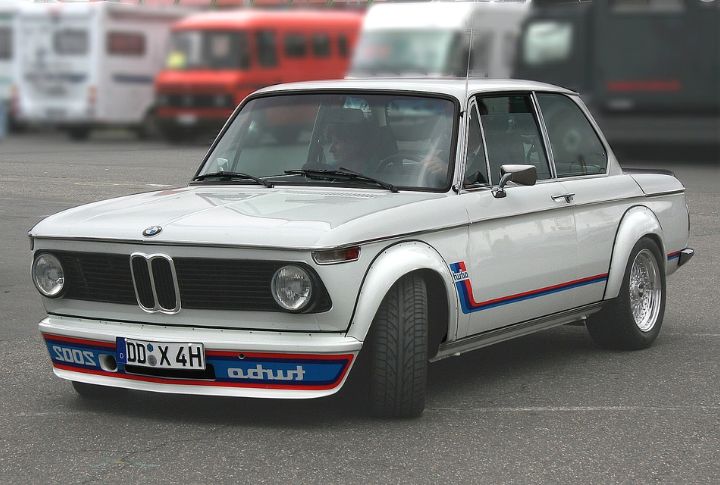
The BMW 2002 Turbo was Germany’s first turbocharged production car and one of the earliest turbos in Europe. It produced 170 horsepower from a 2.0-liter engine, and while that may not sound wild today, the car weighed under 2,500 pounds and had no traction control to help tame it.
Datsun 240Z
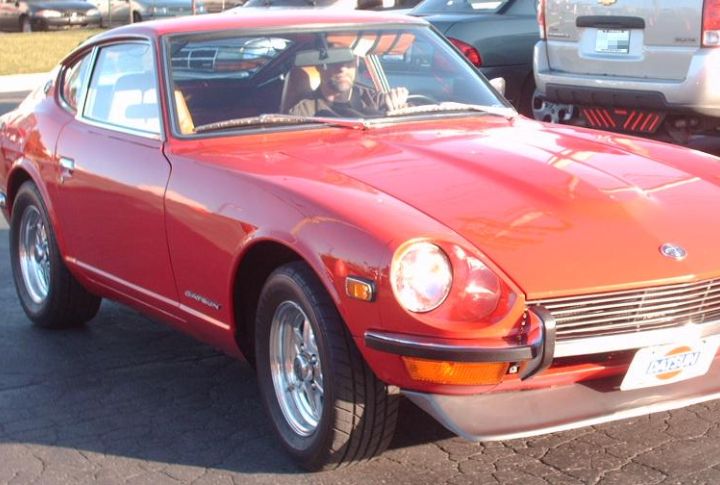
Launched in 1969, it packed a 2.4-liter inline-six and disc brakes, wrapped in a coupe body that could easily be mistaken for something triple its price. It blended reliability with sports car flair, and that combo disrupted the market. American buyers couldn’t believe they could get this much performance and style for so little money.
Porsche 914/6 GT
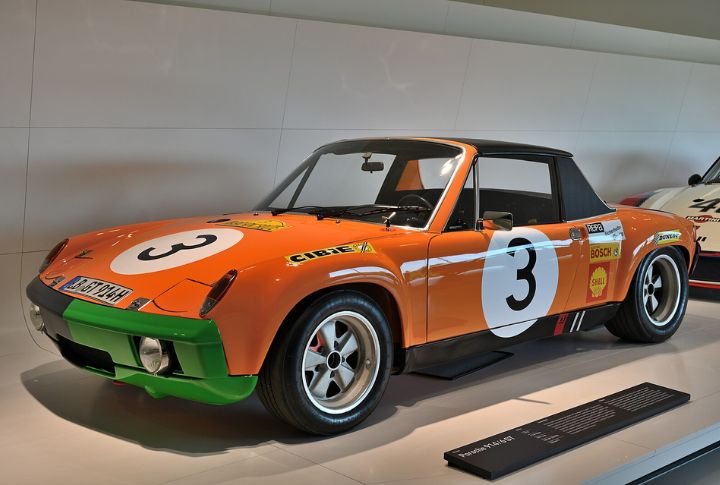
At first glance, the Porsche 914/6 GT looked like the black sheep of the family. Co-developed with Volkswagen, the 914 had pop-up headlights and a boxy shape that Porsche purists initially rejected. It finished first in its class and sixth in the competition “24 Hours of Le Mans” (1970).
Alfa Romeo GTA
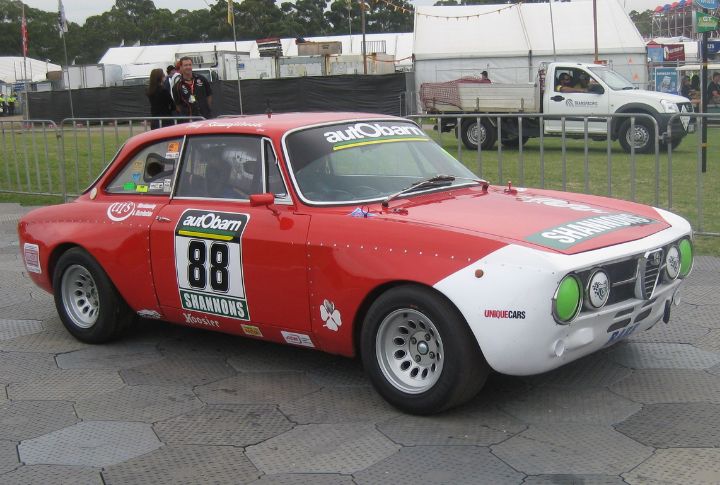
The Giulia Sprint GTA, short for “Gran Turismo Alleggerita” (or “lightened”), was a featherweight version of the Giulia coupe. It crushed in touring car championships during the late 1960s thanks to its agility and sheer mechanical harmony. The GTA was living proof that elegance and performance didn’t have to be separate things.
Ford Lotus Cortina
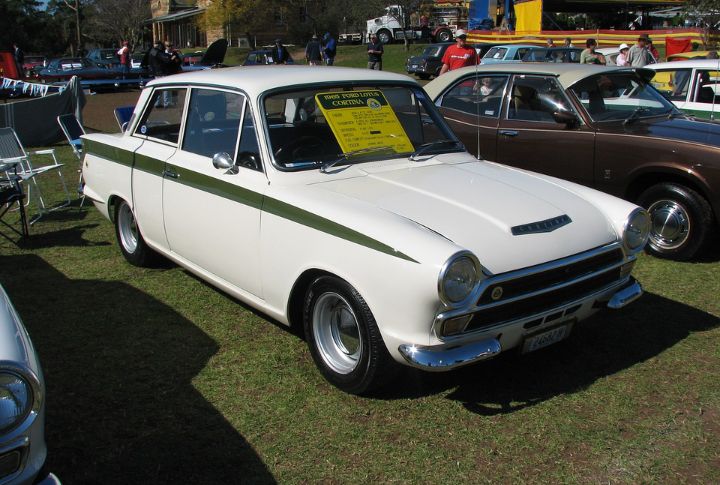
Picture this: a humble British saloon car with the heart of a track star. That was the Ford Lotus Cortina, the lovechild of Ford’s practicality and Lotus’s racing obsession. What they created was a family car that could humiliate sports cars in weekend races.
Volkswagen Golf GTI
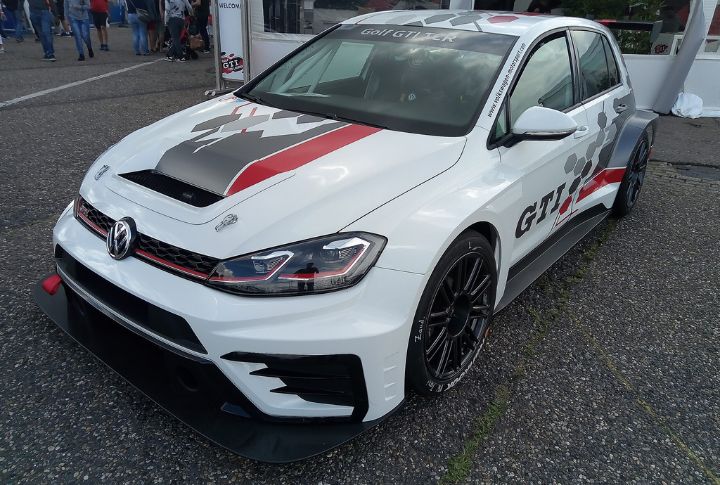
In 1976, Volkswagen gave birth to a new breed of fun. The first-generation Golf GTI was an unassuming hatchback that packed a punchy 1.6-liter engine and a cheeky red trim around the grille. It weighed less than a ton and had go-kart-like handling.
Audi Quattro
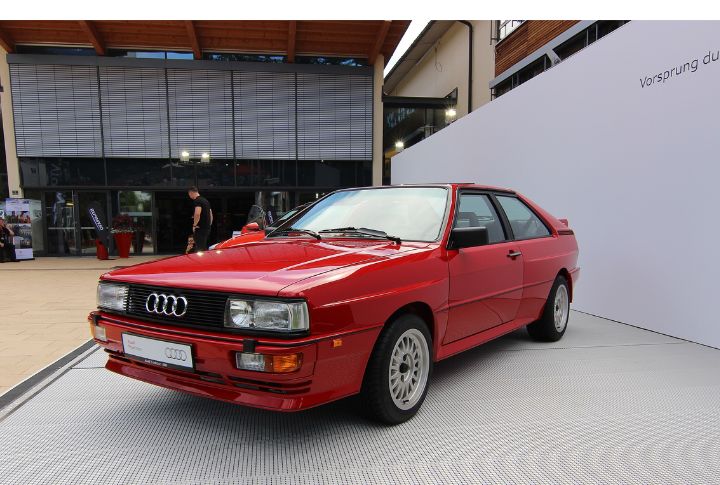
The Audi Quattro took one look at tradition and threw it out the window, becoming the first rally car to fully exploit permanent all-wheel drive. Introduced in 1980, it stomped into the World Rally Championship and won titles in 1982 and 1984.
Toyota 2000GT
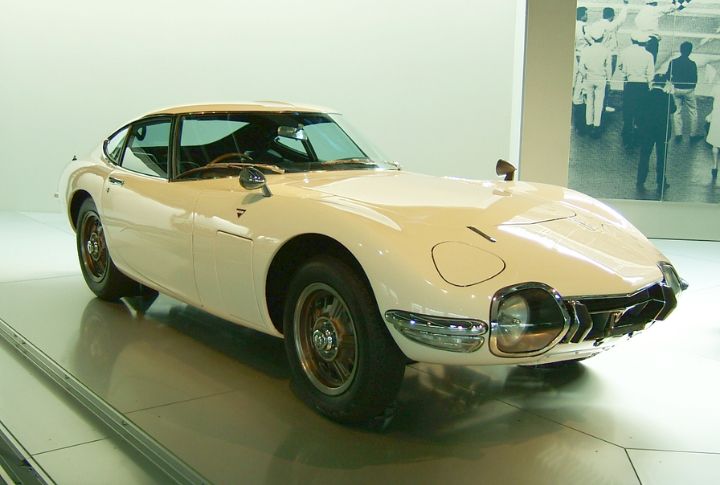
James Bond doesn’t drive boring cars, and the Toyota 2000GT was anything but. Built in limited numbers from 1967 to 1970, this Japanese masterpiece stunned the West with its elegance, performance, and precision. It had a Yamaha-tuned 2.0-liter straight-six that purred like a feline and a wooden interior that rivaled the finest European luxury cars.
Renault R8 Gordini
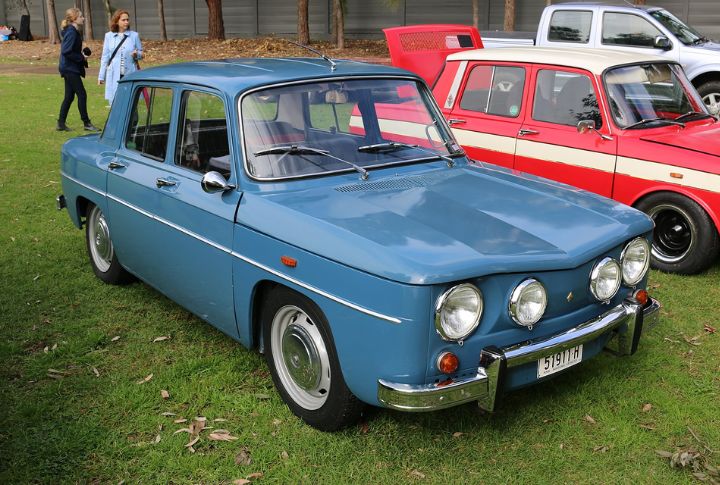
The Renault R8 Gordini was France’s answer to the sports sedan in the 1960s, and it didn’t mess around. Tuned by Amedee Gordini, the “wizard” of French motorsport, it squeezed great speed from a humble little saloon. It brought racing to the streets and gave everyday drivers a taste of podium dreams.
AMC AMX
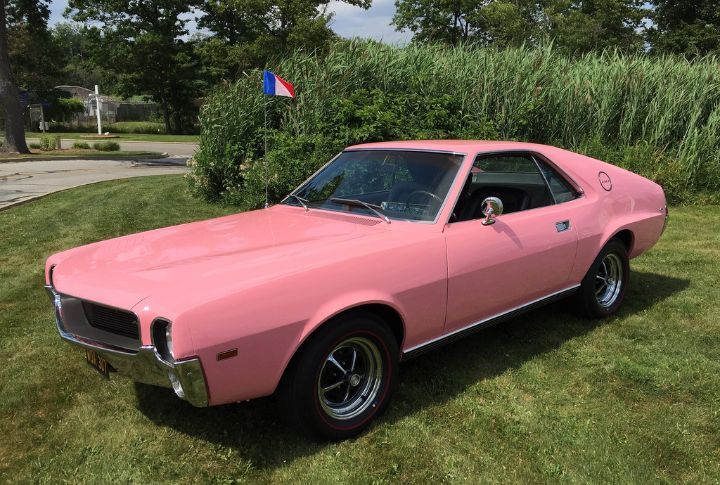
Produced from 1968 to 1970, it was short and unashamedly punchy. It came standard with a 290-cubic-inch V8, but you could go way bigger. With the 390 V8, it ran the quarter mile in just over 14 seconds, easily keeping pace with the Mustang and Camaro.
Sunbeam Tiger
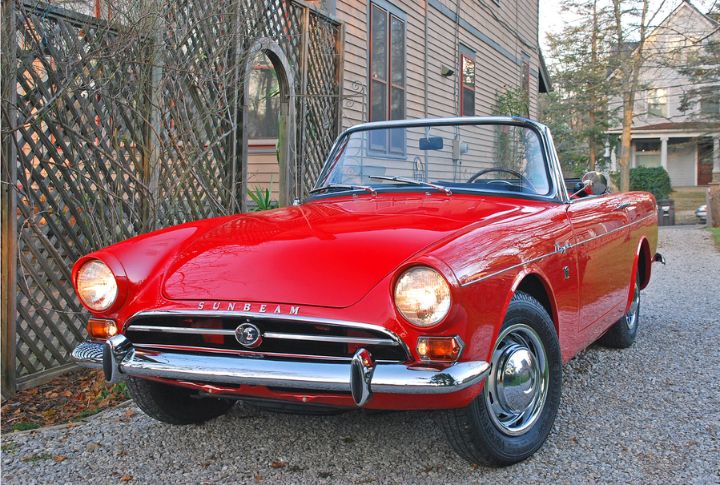
Imagine a British roadster with a secret under the hood. That’s the Sunbeam Tiger. Based on the dainty Sunbeam Alpine, this version had Carroll Shelby’s fingerprints all over it. He helped shove a Ford 260 V8 into its tight engine bay to give the Tiger nearly double the horsepower without ruining its charm.
Mazda RX-3
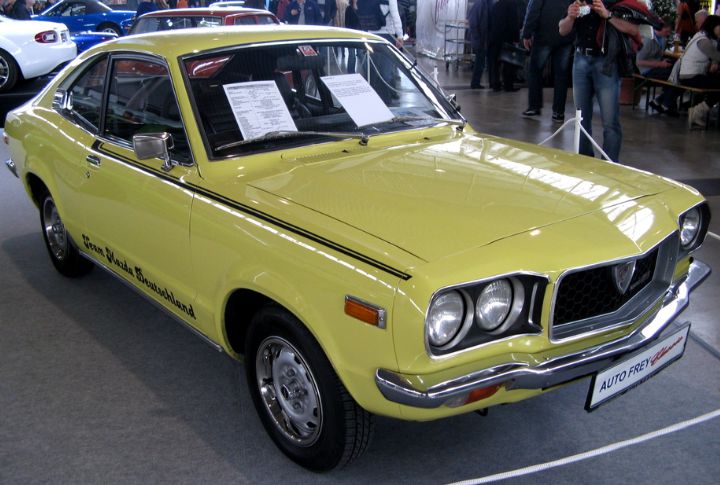
The engine didn’t rumble. It whirred. That’s because the Mazda RX-3 used a Wankel rotary engine. Despite its modest size, the RX-3 put out impressive power and handled like a go-kart on caffeine. In touring car races during the 1970s, it terrorized V8s with its lightweight and screaming top-end.
Fiat 131 Abarth
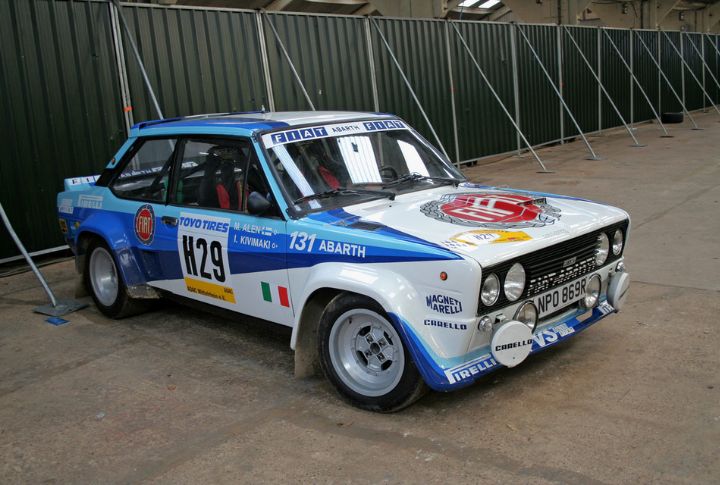
The Fiat 131 Abarth wasn’t flashy, but it was lightning on wheels. Born from the humble Fiat 131 sedan, the Abarth version was bred for rallying. It won the World Rally Championship three times between 1977 and 1980, beating out faster and more glamorous opponents thanks to its bulletproof engineering and balance.
Opel Manta 400
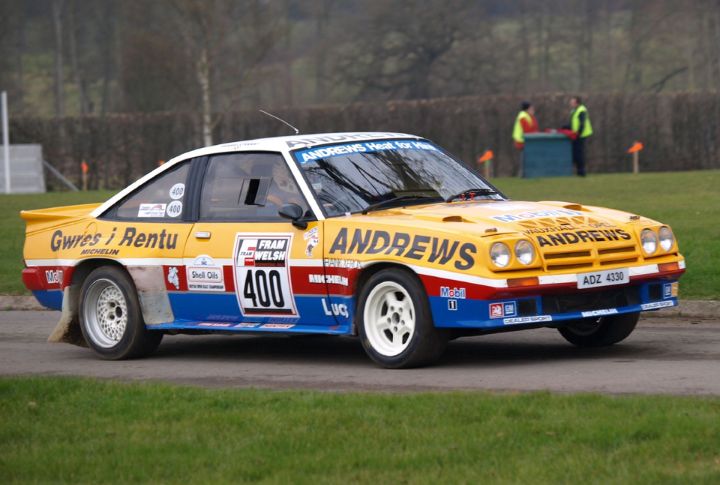
Group B rally cars were monsters. And in that madhouse, the Opel Manta 400 stood out for its poise and rear-wheel-drive purity. Developed with Irmscher and Cosworth, the 400 featured a 2.4-liter engine pushing nearly 275 horsepower in race trim.
Peugeot 205 GTI
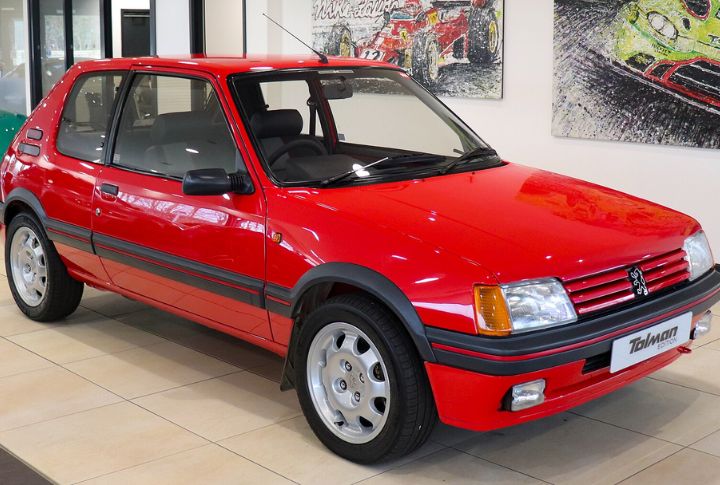
Hot hatch? More like a spicy firecracker. The Peugeot 205 GTI took a practical French hatchback and turned it into a legend. Its 1.6 or 1.9-liter engine wasn’t massive but paired with ultra-responsive steering and a featherweight frame. It delivered thrills in every gear.
Volvo 240 Turbo
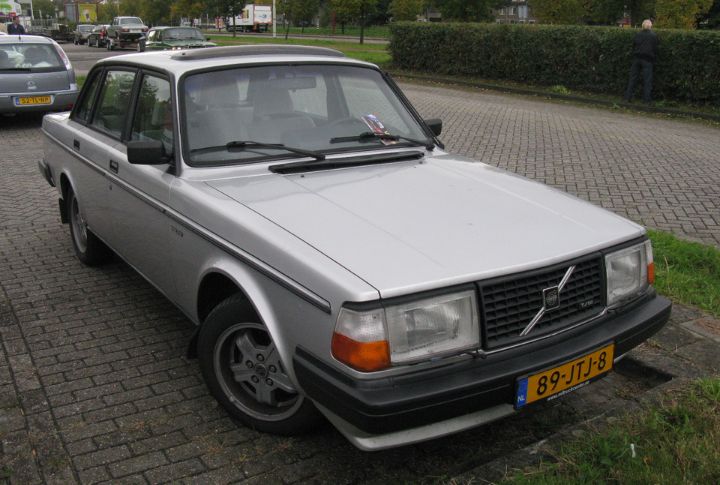
The Volvo 240 Turbo was a brick with a boost. Known for safety and staid design, Volvo surprised everyone in the 1980s by entering this turbocharged sedan in Group A touring car racing. And it won. It dominated circuits in Europe and Australia, taking down BMWs and Holdens with turbo torque and tire-preserving stability.
Mazda MX-5 Miata
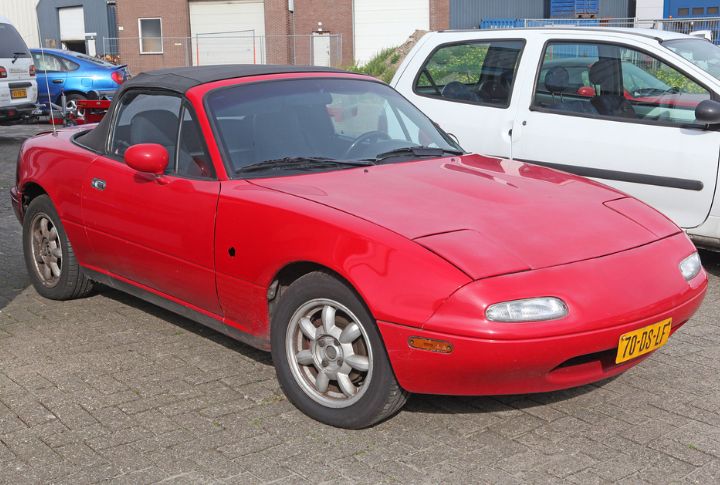
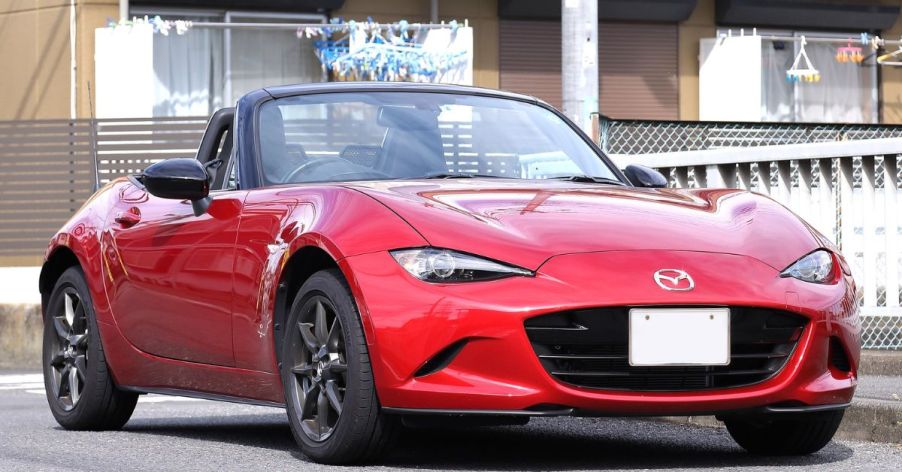
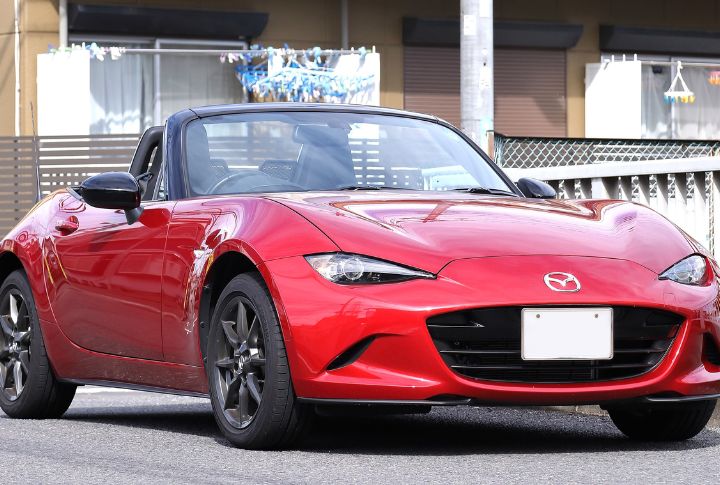
Some classics win with horsepower. The Miata won with heart. Launched in 1989, the MX-5 Miata was light and refreshingly honest. It didn’t need a big engine; it had a soul. And while critics dismissed it as “cute,” they quickly changed their tune when they took it for a spin.