Classic American Cars That Would Fail Modern Road Tests
Classic cars are unforgettable for their design and cultural impact. However, modern safety standards make some legendary models too risky for daily use. Here are 10 iconic cars that still thrill enthusiasts but would struggle to meet the recent driving expectations.
Pontiac Fiero

The early Pontiac Fiero turned heads with its futuristic design, but oil leaks and overheating led to fire risks. Even though collectors admire it, safety concerns make this mid-engine sports car risky for daily driving. Later models were more reliable, but by then, the damage to its reputation had already been done.
1969 Dodge Charger Daytona
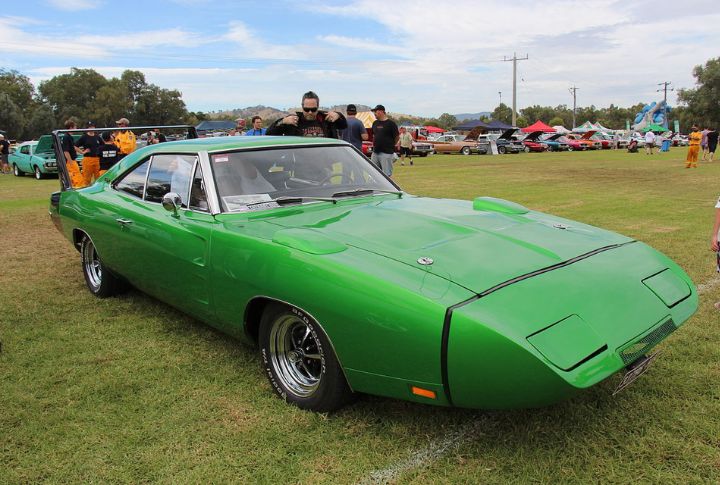
With dramatic aerodynamics and a substantial rear wing to stay steady at high speeds, the Dodge Charger Daytona was built for the racetrack. But its handling could be tricky off the track, making it a risky car that won’t pass recent safety regulations.
1957 Chevrolet Bel Air
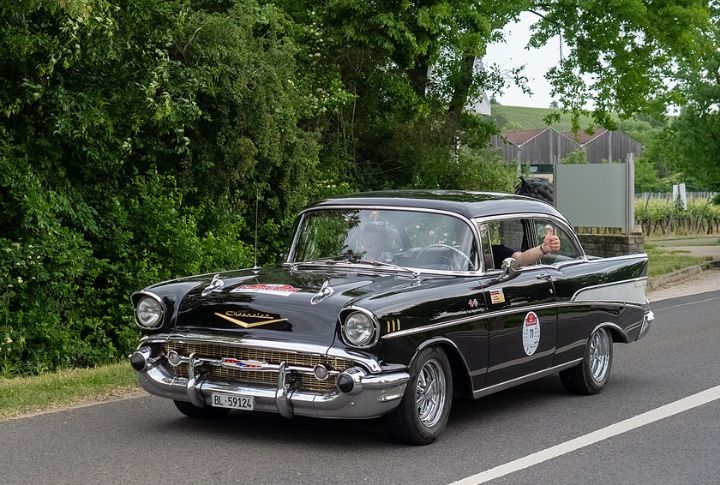
A rolling icon of 1950s Americana, the ’57 Bel Air dazzled with chrome and fins—but safety wasn’t part of the package. Rigid steel dashboards and zero structural crash absorption would spell disaster by today’s standards. It’s gorgeous but dangerously outdated.
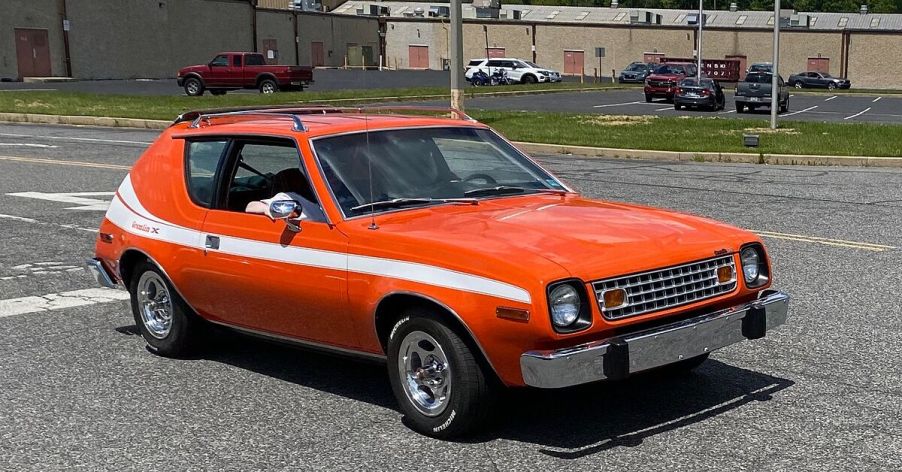
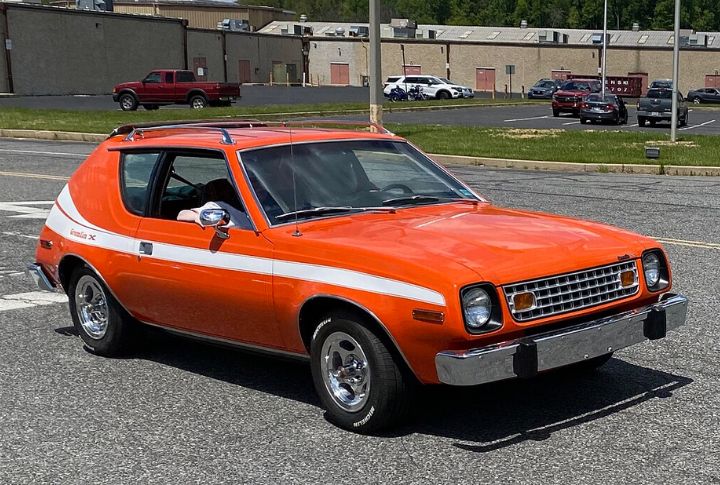
AMC Gremlin
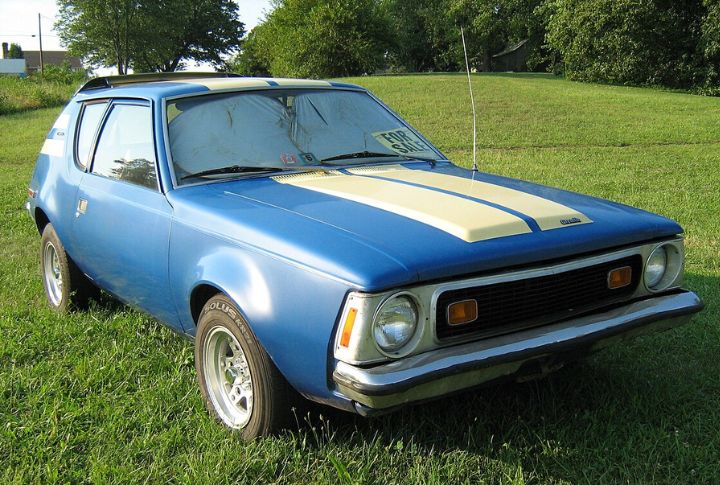
Introduced during the fuel crisis as a budget-friendly compact, the AMC Gremlin stood out with its quirky shape and bold design. Despite its charm, the lightweight build and poor handling made it a risky ride. Today, it’s remembered more for its eccentric looks than its driving safety or performance.
Ford Pinto
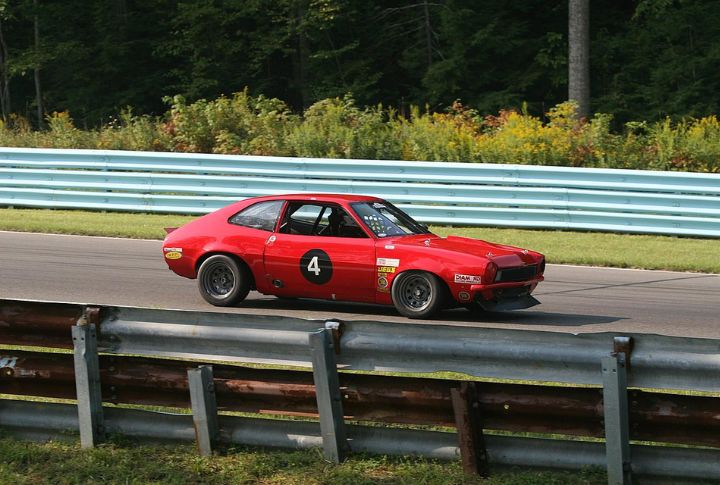
Affordable and compact, the Pinto appealed to a generation of drivers looking for budget-friendly transportation. Its compact size made it perfect for squeezing into city traffic and tight parking spaces. But its rear fuel tank design led to deadly fires in crashes, which makes this car a cautionary tale for automakers.
1953 Chevrolet Corvette
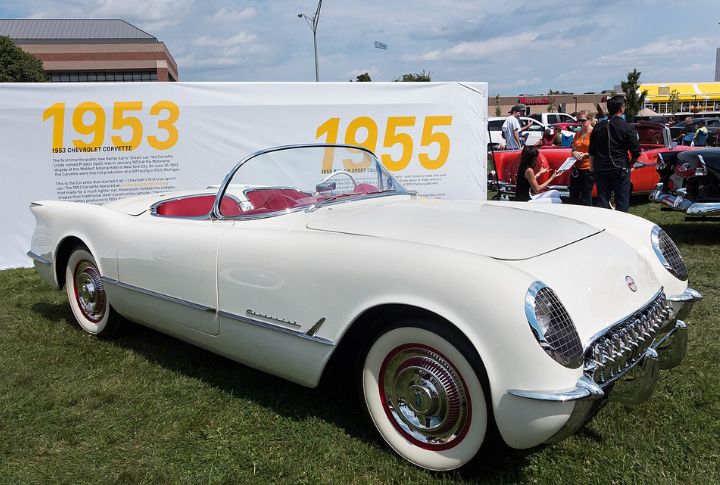
Many people were impressed by the first-generation Chevrolet Corvette’s sleek design and lightweight fiberglass body. However, it lacked seatbelts and crash protection. Though iconic, these early Corvettes don’t meet the newer standards and aren’t suited for modern highways.
1955 Ford Thunderbird
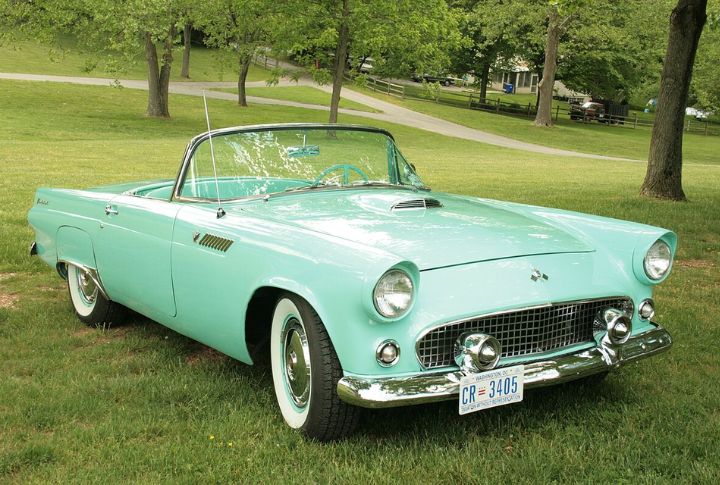
With its low-slung profile and upscale flair, the 1955 Ford Thunderbird blended style and sport in a way few cars of its time managed. It cruised with elegance, but serious safety flaws—like a rigid steering column and minimal rollover defense—make it more suited for display than daily roads.
1964 Ford Mustang
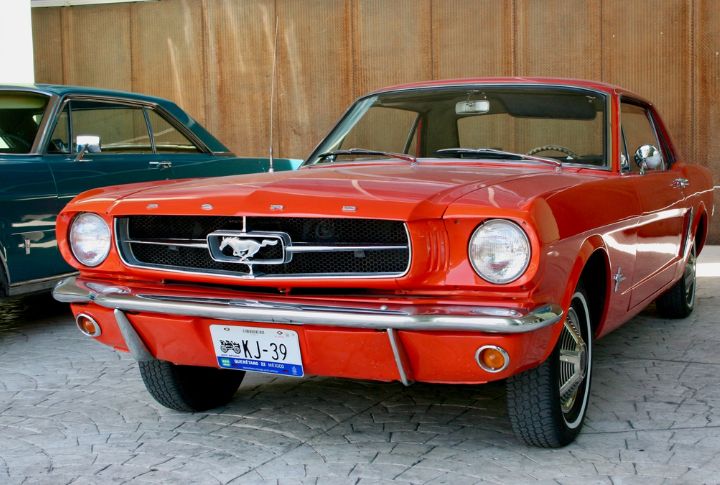
The original Ford Mustang revolutionized automotive design with its speed and style. However, missing safety elements like headrests meant drivers were especially vulnerable to whiplash during collisions. Although enthusiasts love this car, its initial design didn’t prioritize driver safety.
1971 Plymouth Barracuda
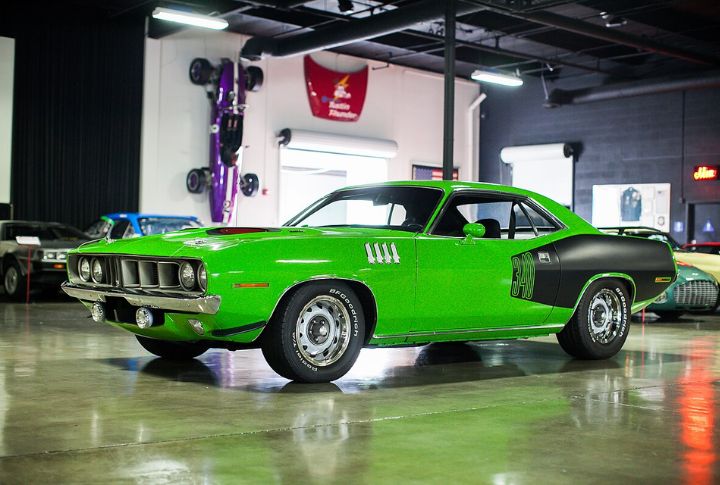
The Barracuda roared onto the scene with bold styling and high-octane performance that defined an era. Muscle car fans loved its speed and power. But beneath the surface, it lacked proper structural support, especially in side collisions, highlighting how safety was often sacrificed for style and speed.
Chevrolet Corvair
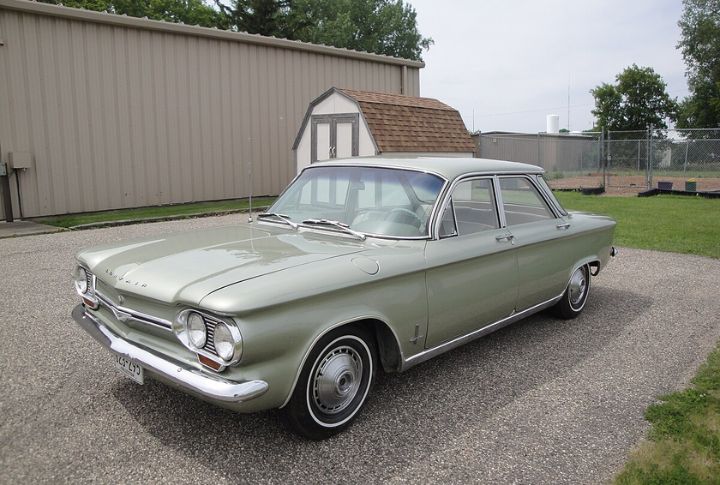
The Chevrolet Corvair’s rear-engine design was groundbreaking, but handling issues made it difficult to control. Ralph Nader’s “Unsafe at Any Speed” highlighted its dangers. Even with later fixes, the early Corvair is still known for its serious safety flaws.