20 Cars With Names Inspired By Real Locations
Ever hopped into a car without realizing its name was borrowed from a far-off city or a rugged mountain range? It’s easy to miss how often geography finds its way into our garages. In the automotive world, these location-inspired names help build a personality before the engine even starts. Let’s take a look at some of the more memorable ones.
Chevrolet Malibu
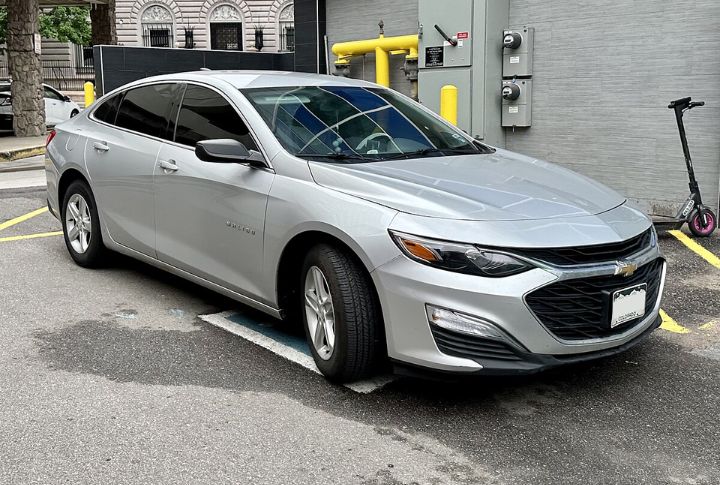
A beachside name with suburban mileage, the Chevrolet Malibu was introduced for the first time as a trim level for the Chevrolet Chevelle before earning its own spotlight. The name draws inspiration from Malibu, California, a coastal town known for surfing and celebrity hideaways.
Kia Rio
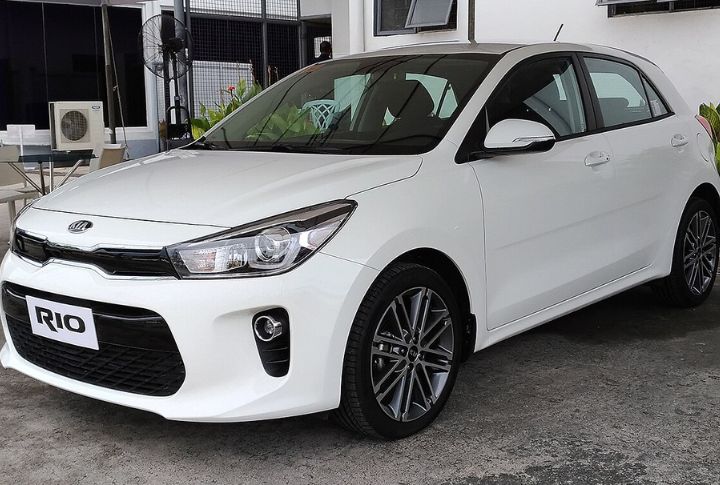
Short and slightly exotic, the Kia Rio whispers accessibility with a touch of flair. Introduced in 1999, the Rio served as Kia’s affordable entry point for budget-conscious buyers. The name likely tips its hat to Rio de Janeiro, Brazil. While the car itself was compact and simple, the name gave it an energetic lift.
Toyota Tacoma
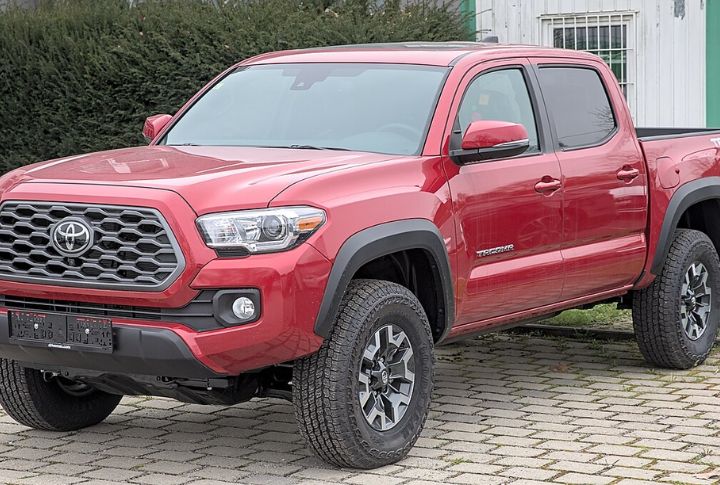
Named after the city of Tacoma, Washington, which itself gets its name from the indigenous word for Mount Rainier, the Toyota Tacoma embodies strength and utility. Launched in 1995 as a replacement for Toyota’s Hilux in the U.S. market, the Tacoma quickly gained a reputation for durability and long-lasting reliability.
Hyundai Santa Fe
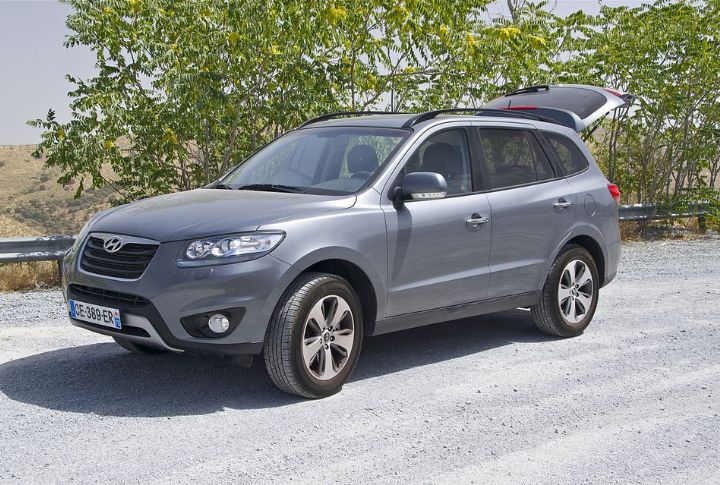
Santa Fe, New Mexico, is known for its artsy character and high-desert charm, which makes it an unusual but surprisingly fitting name for an SUV. The Hyundai Santa Fe debuted in 2000, right when the SUV craze was heating up, and was Hyundai’s first attempt to step into the American crossover market.
Pontiac Parisienne
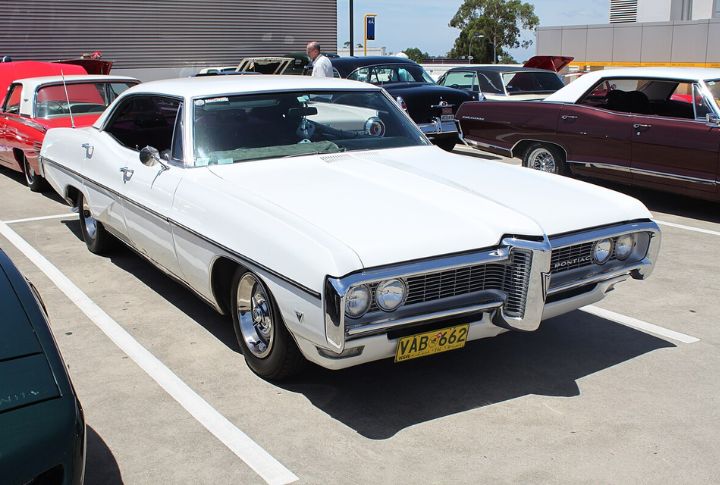
Elegant in name and vast in form, the Pontiac Parisienne was a full-size General Motors creation made mostly for the Canadian and U.S. markets. The name, evoking the city of Paris, lent an upscale flair to what was essentially a rebadged Chevrolet Impala or Caprice in disguise.
Chevrolet Tahoe
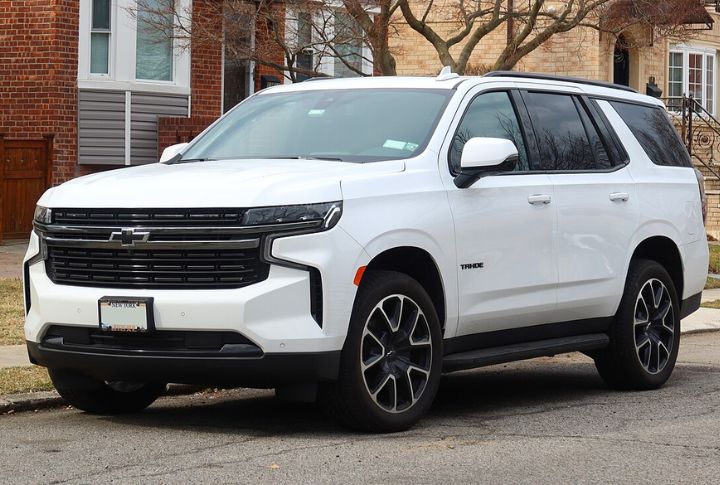
When Chevrolet needed a name for its new full-size SUV in the mid-1990s, “Tahoe” felt just right. Lake Tahoe is famous for its rugged beauty and all-season outdoor adventure. The SUV carried that image with pride as it’s capable of hauling families or boats across the country or through the woods.
Nissan Murano
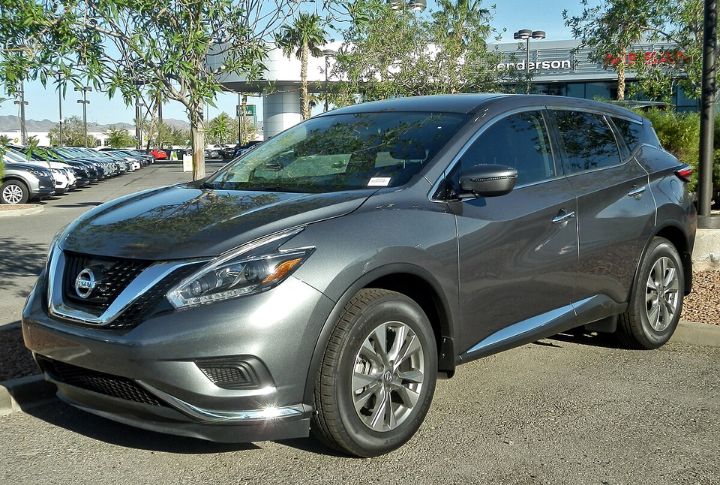
Murano sounds expensive, and that’s no accident. Named after the Italian island near Venice—famous for its exquisite hand-blown glass—the Nissan Murano aimed to stand out in a sea of lookalike crossovers. Launched in 2002, it was one of the first SUVs to lean into design and focus on comfort rather than off-road grit.
Ford Torino
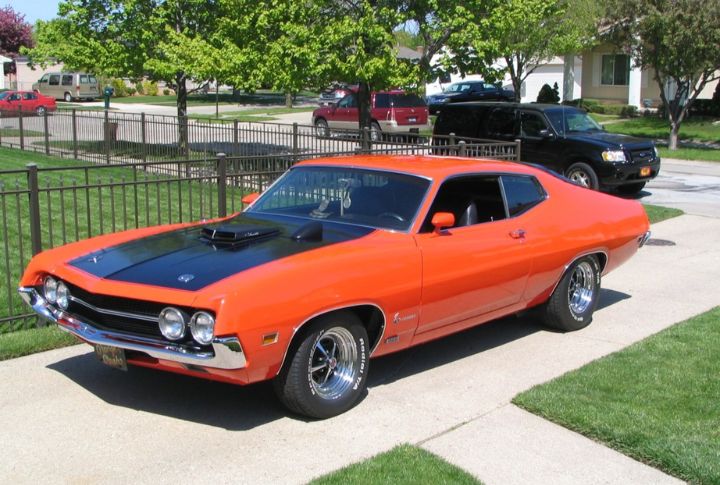
The Ford Torino rolled into showrooms in the late 1960s with an engine that growled and a name that purred. “Torino” is the Italian word for Turin, a northern city known for Fiat and factory muscle. Ford used the name to give its mid-size line some European gloss without abandoning its American muscle roots.
Jeep Cherokee
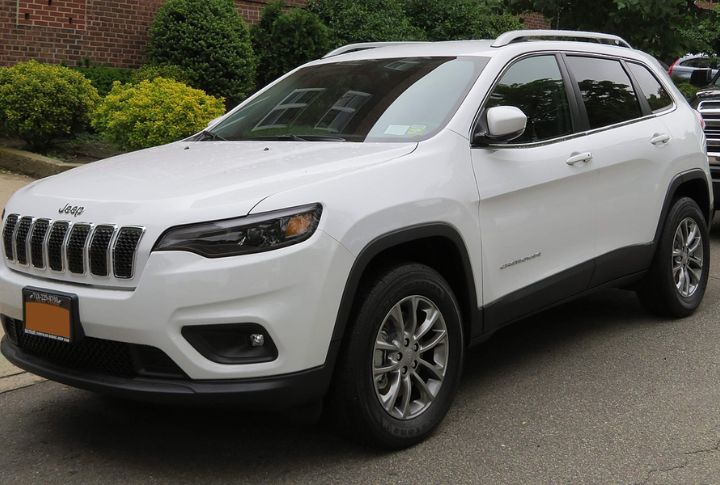
The name Cherokee carries a heavy history. Jeep first introduced it in 1974 as a sportier sibling to the Wagoneer, eventually turning it into a rugged SUV that helped pioneer the modern crossover trend. It was meant to suggest toughness and endurance, qualities often associated with Native American tribes.
GMC Sierra
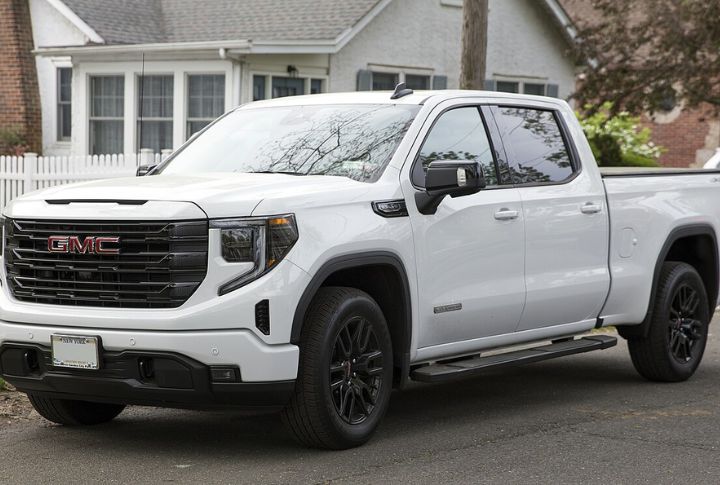
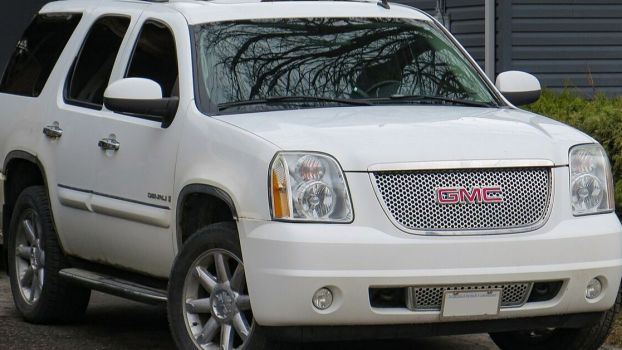
The Sierra Nevada mountains stretch across California and Nevada to offer snow-dusted peaks and rugged backcountry. GMC tapped into that imagery in 1988 when it launched the Sierra as its own branded version of GM’s full-size pickup. The name suited its mission: reliable, muscular, and ready for hard work.
Mazda Bongo Friendee
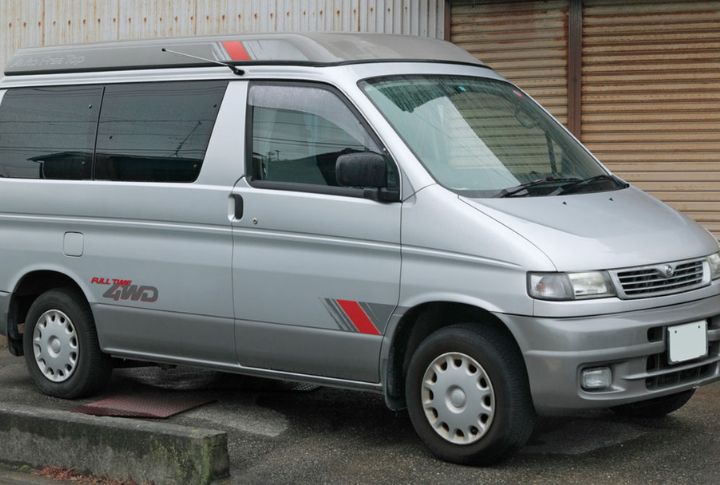
Though the name raises eyebrows, it actually references Japan’s Bongo van series, with “Friendee” added to make it sound more, well, friendly. The van itself was known for its pop-top roofs and camper conversion potential. It became a cult favorite among outdoor explorers and van-lifers, especially in the UK.
Volkswagen Amarok
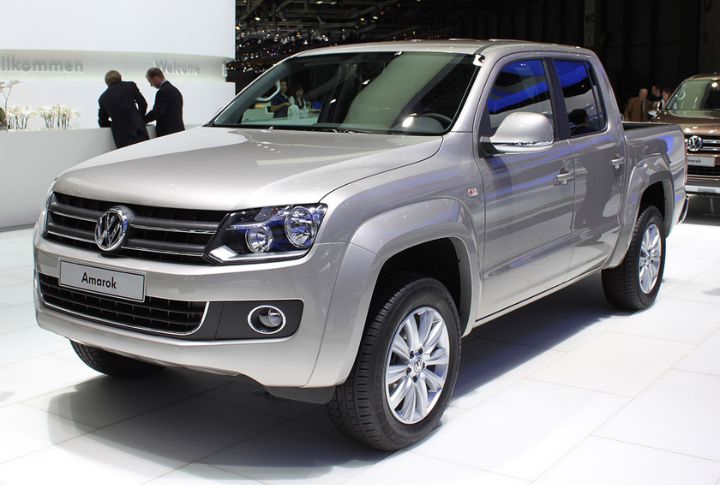
Volkswagen named its midsize pickup “Amarok” after a giant wolf in Inuit mythology. According to the lore, this lone hunter roamed the tundra without fear, and VW leaned into that primal power when introducing the truck in 2010. Built tough and designed for international markets, the Amarok aimed to rival stalwarts like the Toyota Hilux.
Buick Riviera
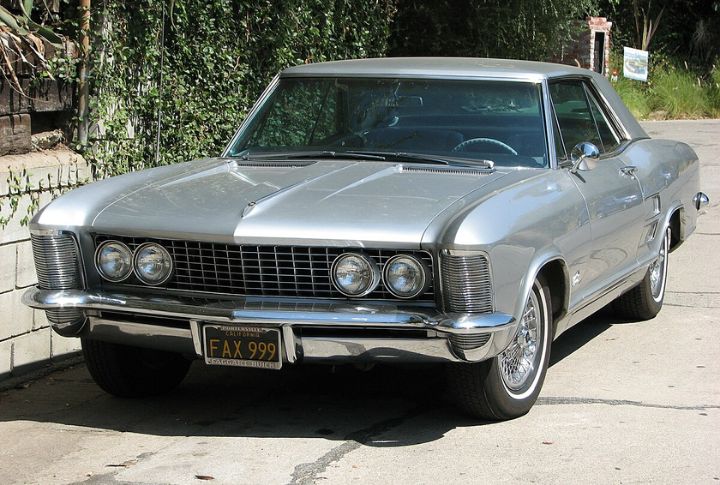
The Riviera was Buick’s answer to the growing demand for personal luxury coupes in the 1960s. It borrowed its title from the French and Italian coasts. The term “Riviera” evokes opulence and high-society vacations, and the car delivered on that vision.
Chrysler Newport
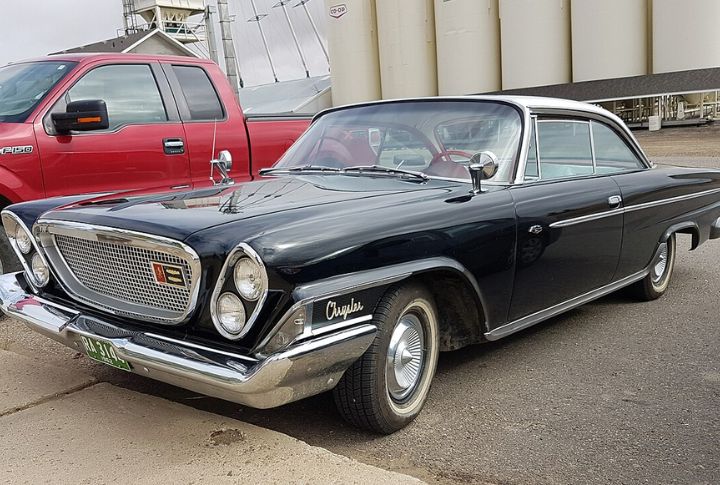
Newport, Rhode Island, is a coastal town famous for its sailing culture and historic mansions. Chrysler tapped that aura of upscale Americana when naming its full-size model. Introduced as early as 1940 and revived from the ’50s through the ’70s, the car was big, bold, and aimed at buyers looking for size and substance.
Renault Dauphine
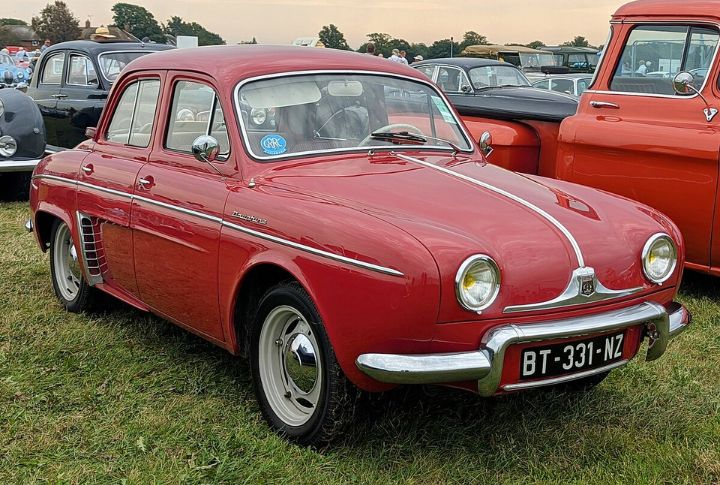
A delicate name for a delicate car. The Renault Dauphine hit post-war France in 1956 and quickly became one of the best-selling small cars in Europe. “Dauphine” was a historical title given to the heir apparent to the French throne, so it carried an almost royal air.
Chevrolet Monte Carlo
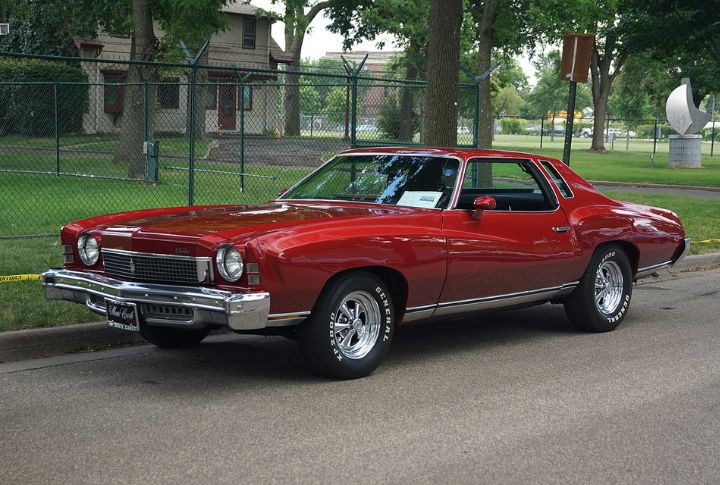
The Monte Carlo name aimed to capture the glitter of the Monaco district’s casinos and luxury. Chevrolet launched it in 1970 as a personal luxury coupe that looked high-end without costing high-end. It became a hit almost immediately, thanks to its blend of elegance and muscle.
Dodge Dakota
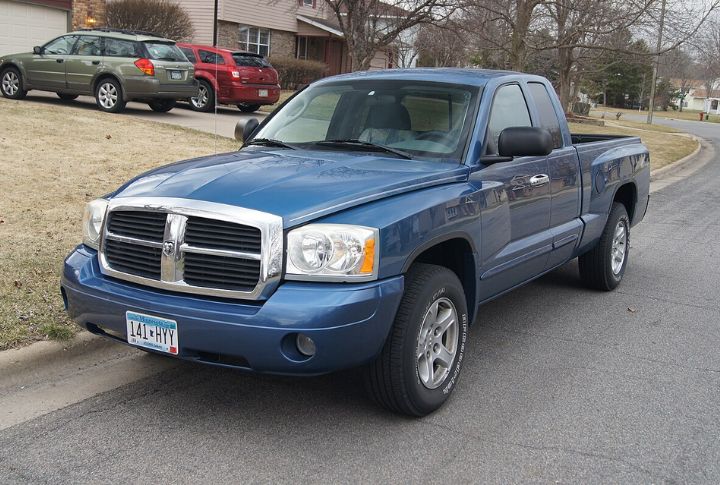
The brand introduced the Dakota in 1986 as a “right-sized” pickup that sat between compact and full-size. Its name, drawn from the Dakota territories (now North and South Dakota), suggested frontier spirit and American grit. It lived up to that image, offering powerful V6 and V8 options in a midsize package.
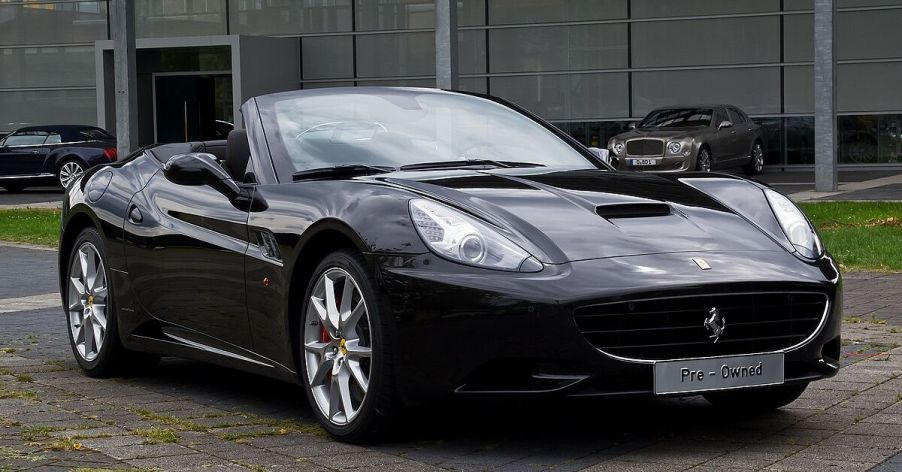
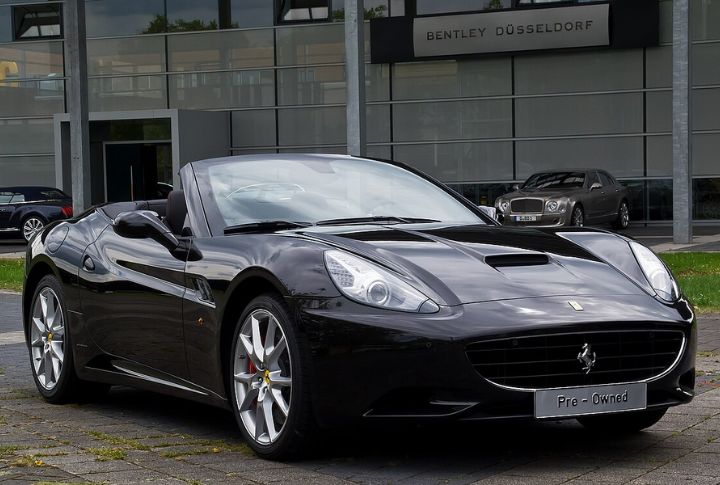
Ferrari California
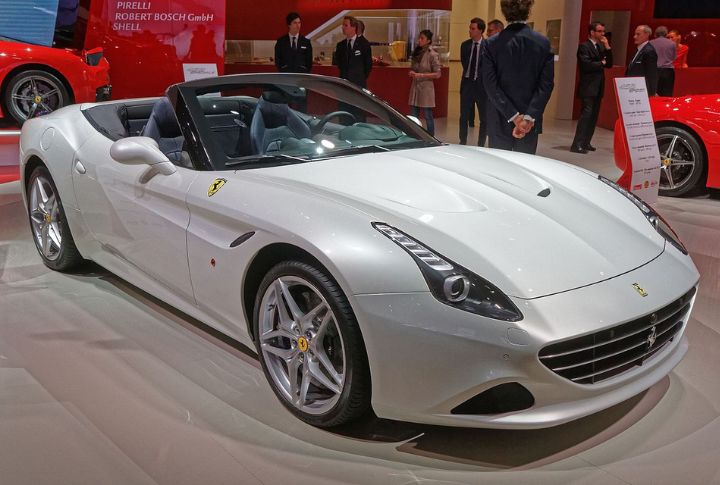
Ferrari rarely goes casual, but this was their cruiser. The California was a grand tourer designed to be more approachable and practical than most of Ferrari’s fire-breathers. First launched in 2008, it featured a front-mounted V8 and a retractable hardtop, a first for the brand.
Porsche Cayenne
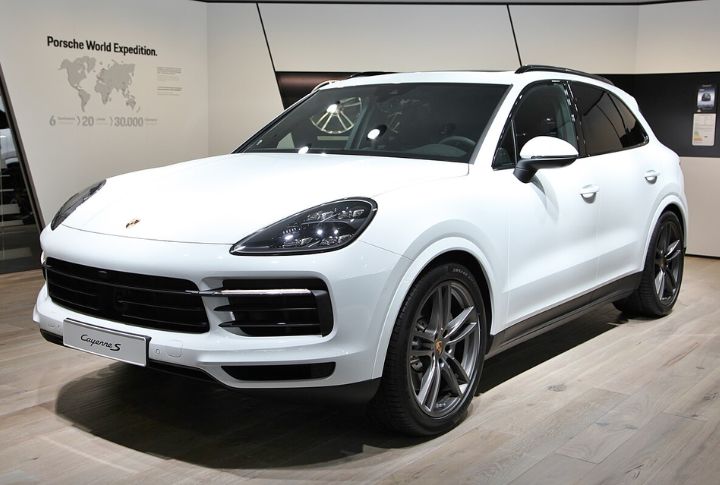
Porsche shocked purists when it released the Cayenne in 2002. An SUV? From Porsche? It seemed blasphemous until people saw what it could do. With sharp handling and unmistakable Porsche DNA, the Cayenne carved out a new segment: the performance luxury SUV.
Subaru Outback
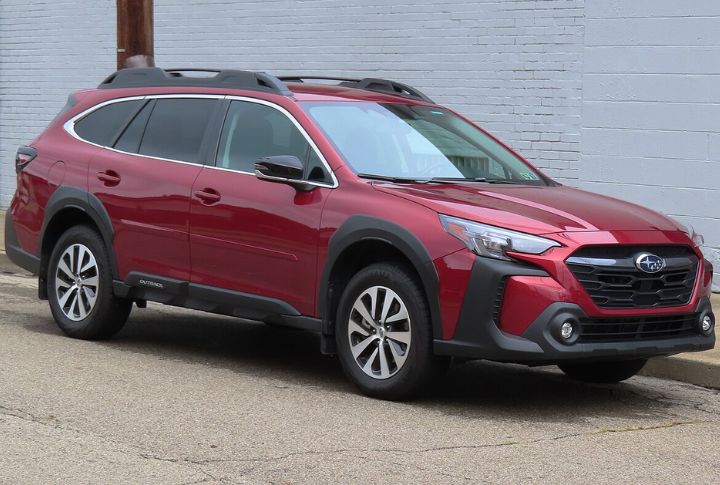
The Outback isn’t named after a town or city but after the vast, remote wilds of Australia. When Subaru introduced the name in 1994, it aimed to blend the comfort of a wagon with the grit of a crossover. Raised suspension and marketing featuring Paul Hogan (yes, Crocodile Dundee himself) cemented its off-road-ready image.