20 Cars That Prove Flat-Six Engines Still Have Serious Charm
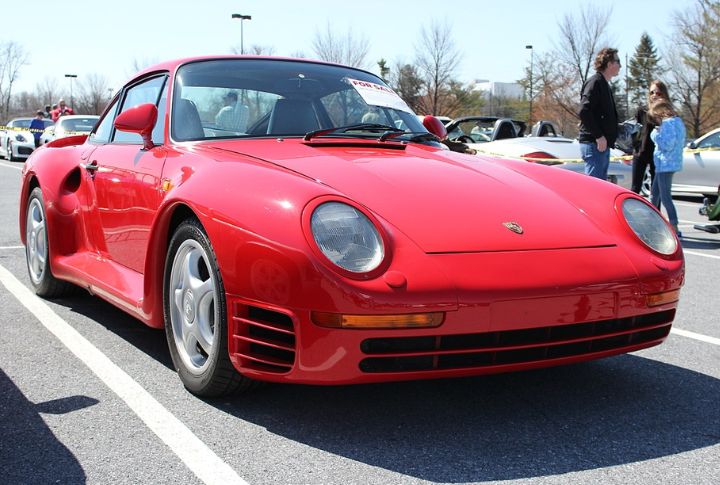
Not all engines make you stop and listen—but the flat-six does. Known for its unique growl and balanced design, it’s an unsung hero of both sports cars and sleepers. From iconic Porsches to underrated gems, these 20 cars showcase why the flat-six still matters.
1904 Wilson-Pilcher
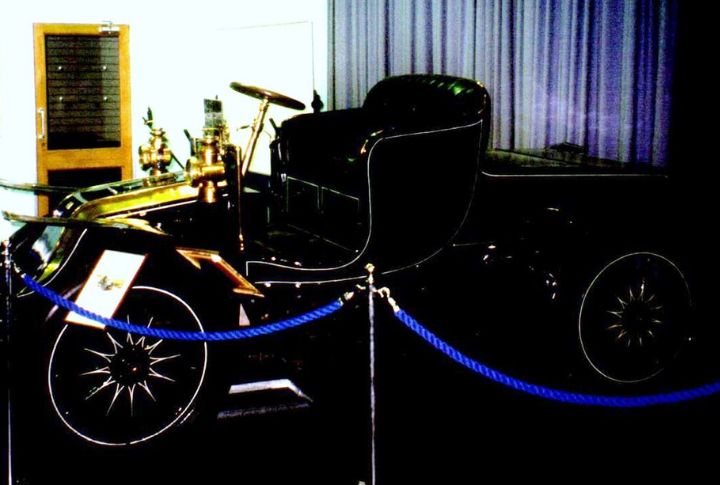
Back in 1904, Wilson-Pilcher introduced one of the first cars with a flat-six engine. This 18/24 HP model had a 4.1-liter engine and smoother performance than many rivals. Its flat layout helped balance way ahead of its time and is a direct ancestor to modern boxer tech.
1948 Tucker 48
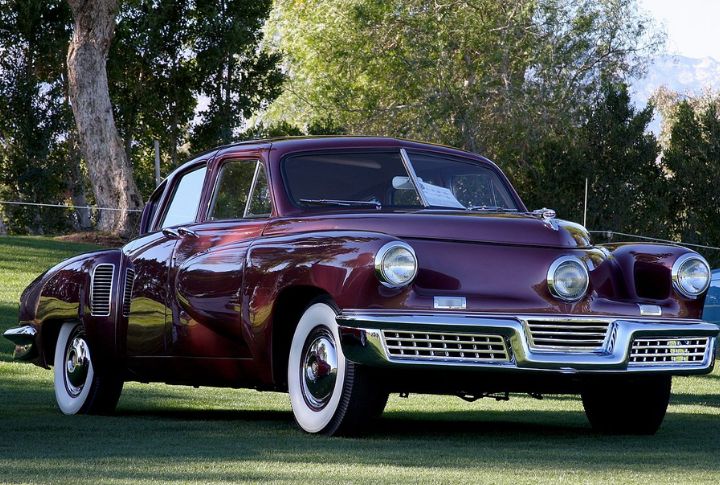
In 1948, the Tucker 48 debuted with a rear-mounted 5.5-liter flat-six originally built for helicopters. Water-cooled and good for 166 horsepower and 372 lb-ft of torque, it was a beast for its time. Only 51 were made, but that engine—and the entire car—still feels like a glimpse of tomorrow.
1960 Chevrolet Corvair
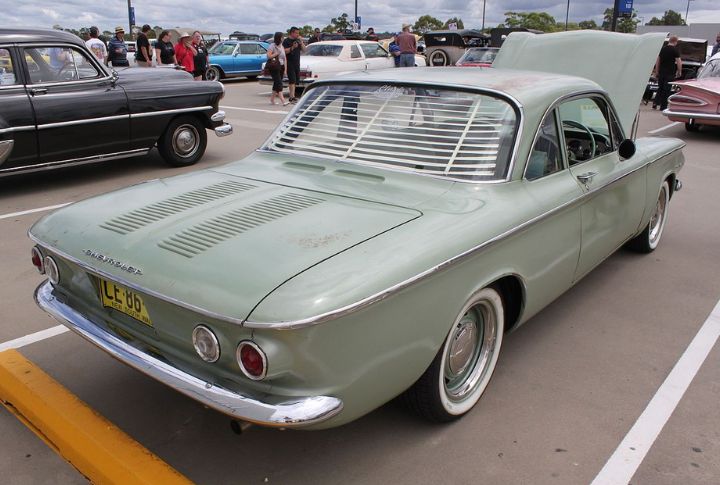
The Corvair launched in 1960 with a rear-mounted, air-cooled 2.3-liter flat-six. Later models got 2.7 liters and even a turbo in ’62. It was both innovative and controversial, especially with its swing-axle rear suspension. This car made the flat-six layout mainstream in a way Detroit never had before.
1961 Chevrolet Corvair 95
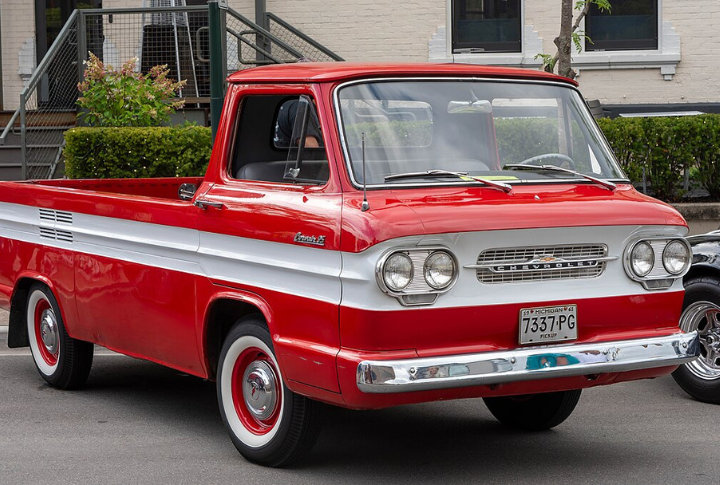
The Corvair 95 series arrived in 1961 with a 95-inch wheelbase and a work-truck soul. Loadside and Rampside pickups shared the Corvair’s air-cooled flat-six but gained unique touches, like Rampside’s sideways loading ramp. Production was short-lived, but proved flat-sixes could be practical, too—not just for coupes and compacts.
Eric Friedebach/Wikimedia Commons
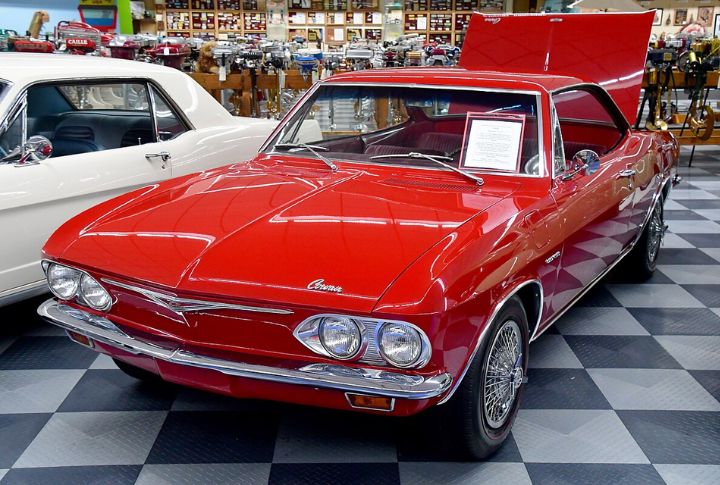
By 1965, the Corvair looked and handled better. It got a sleeker body and proper independent rear suspension. The turbocharged 2.7-liter flat-six, making 180 horsepower, finally had the car driving the way it always should’ve. Sadly, public trust never fully bounced back. Production ended just four years later.
1964 Porsche 911
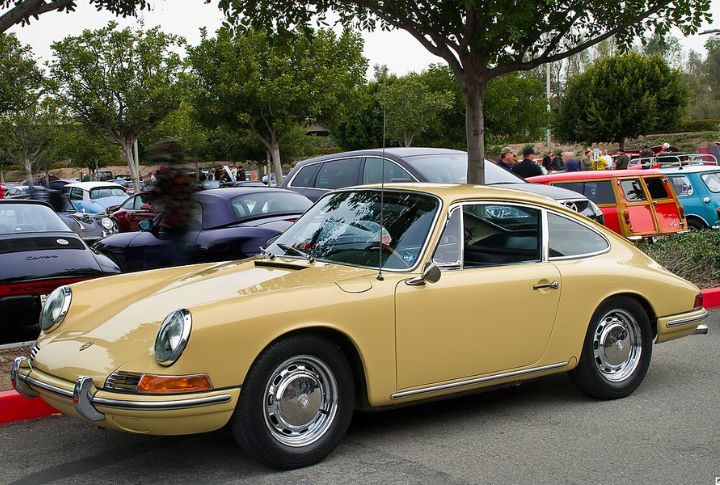
Porsche’s iconic 911 made its debut in 1964 with a 2.0-liter air-cooled flat-six positioned behind the rear axle. Its 130 horsepower engine delivered agility and that signature sound. Originally named the 901, Peugeot claimed the name format, so Porsche changed it. Everything else? Unmistakably, enduringly brilliant from day one.
1965 Yenko Stinger
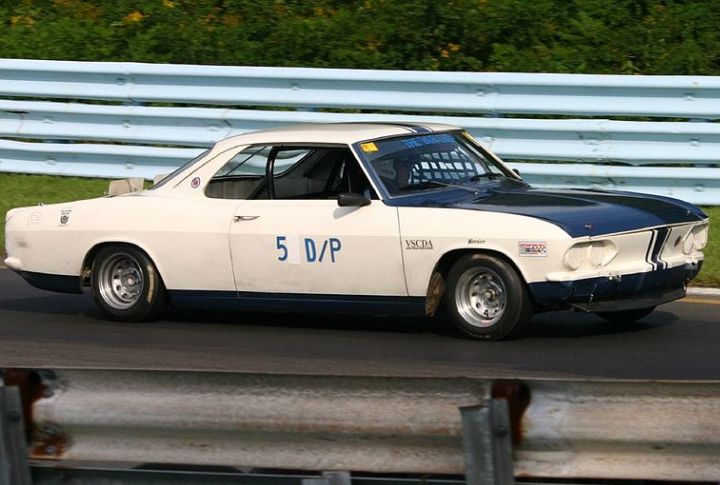
Don Yenko turned the Corvair into an SCCA contender with the 1965 Yenko Stinger. He built around 100, tuning the 2.7-liter flat-six to make up to 240 horsepower. With upgraded suspension, brakes, and aero, it was a legit race car, proving a Chevy flat-six could absolutely punch above its weight.
1969 Porsche 914/6
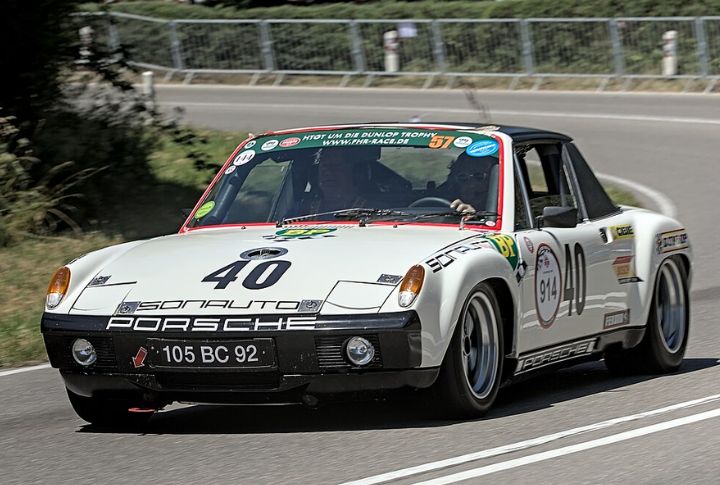
The Porsche 914 showed up in 1969, mostly with VW-sourced flat-fours. But the rare 914/6 got a 2.0-liter flat-six from the 911T, pushing 110 horsepower into a mid-engine layout. Sales were slow initially, but it gave drivers Porsche dynamics at a lower price—and started a cult following.
1973 Porsche 911 G-Series
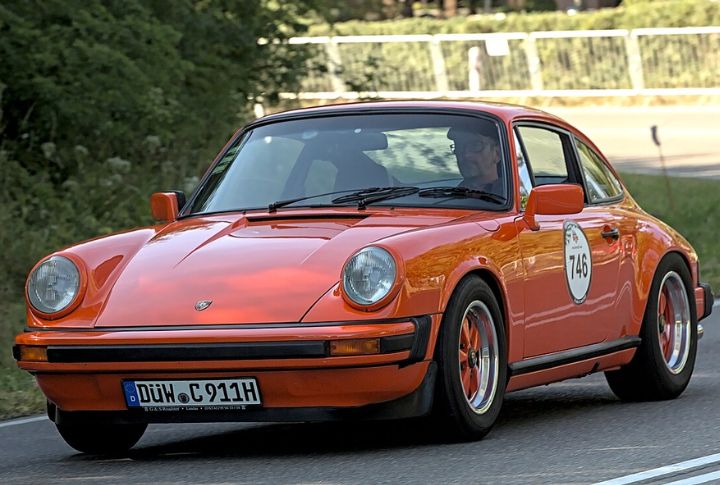
The 1973 G-Series kicked off the second-gen 911 with tougher looks, and the same air-cooled flat-six magic. Displacement started at 2.7 liters. Then came the 911 Turbo in 1974: 3.0 liters, 260 horsepower, and terrifying performance. The layout stayed, but Porsche had clearly entered a new era.
1986 Porsche 959
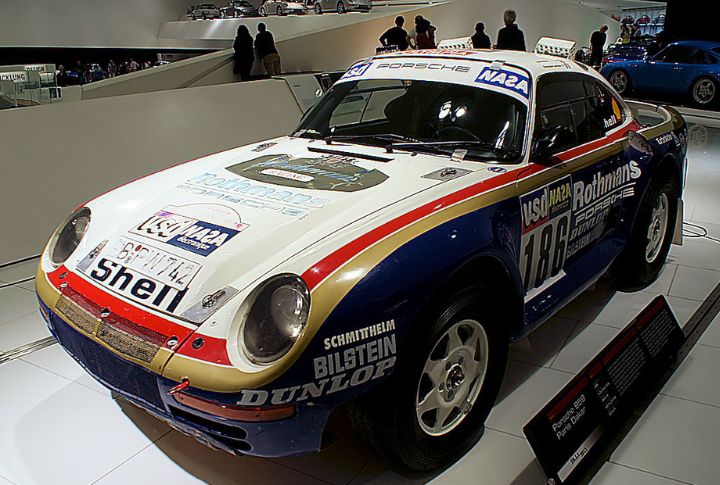
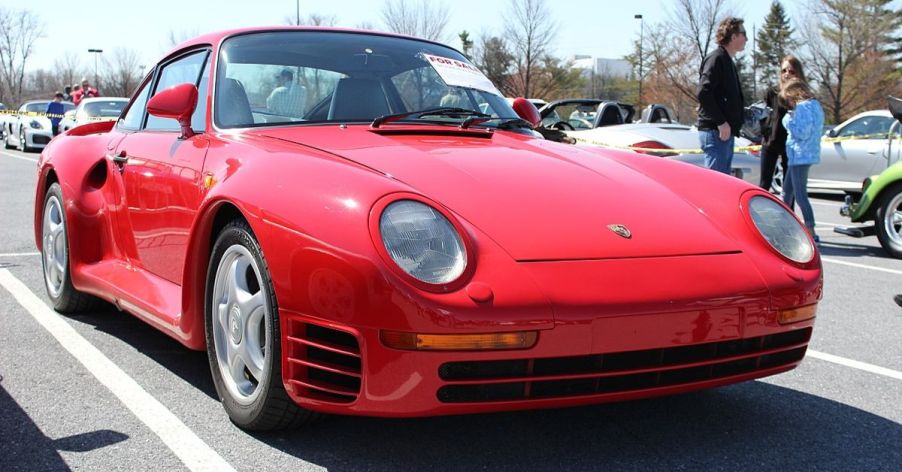
Porsche built the 959 to race, but it redefined road cars. Its 2.85-liter twin-turbo flat-six made 444 horsepower—enough to hit nearly 200 mph. Add all-wheel drive and advanced electronics, and it was smarter than anything else on the road. Decades later, it still feels like a cheat code.
1987 Subaru XT6
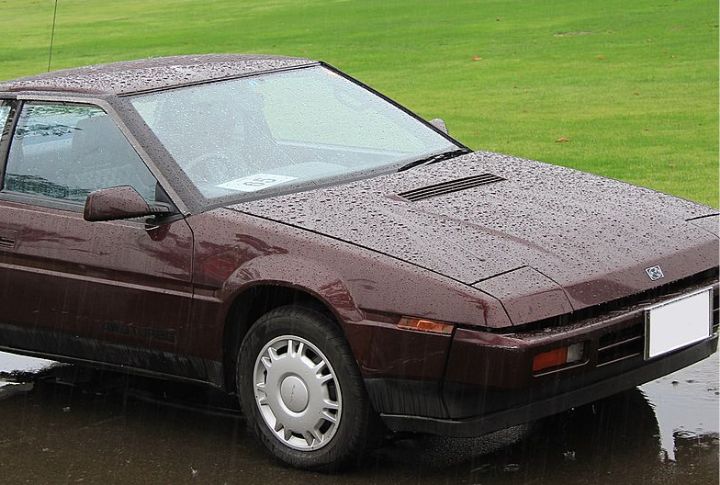
In 1987, Subaru dropped its first flat-six—the ER27—into the XT6. It was a wild-looking coupe with pop-up lights and AWD. It made 145 horsepower and 156 lb-ft from 2.7 liters, offering smoother power than the fours. Still, it was too niche. Sales flopped, and the XT6 vanished by 1991.
1989 Porsche 911 (964)
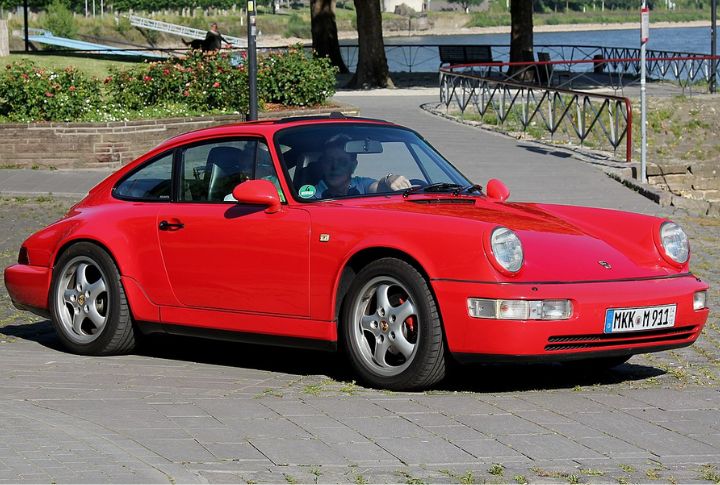
The 964 updated the 911 in a big way. It had coil springs, ABS, power steering, and optional all-wheel drive—but kept a naturally aspirated flat-six, now 3.6 liters in most models. Early Turbos still used the 3.3. This was the 911 entering the modern era, without losing its soul.
1991 Subaru SVX
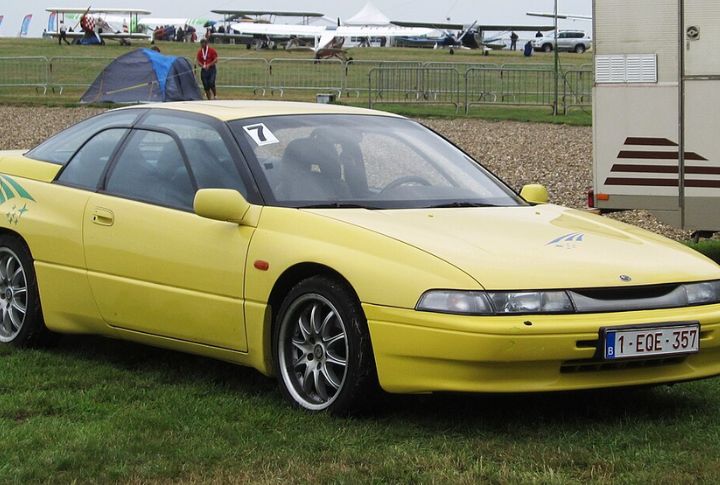
Subaru broke the mold with the SVX in 1991—think jet-inspired windows, space-age styling, and a 3.3-liter flat-six pushing 230 horses. The only letdown? No manual. Subaru didn’t have one tough enough for the torque, so it came automatic-only. A pity, since the rest was light-years ahead.
1996 Porsche 911 GT1
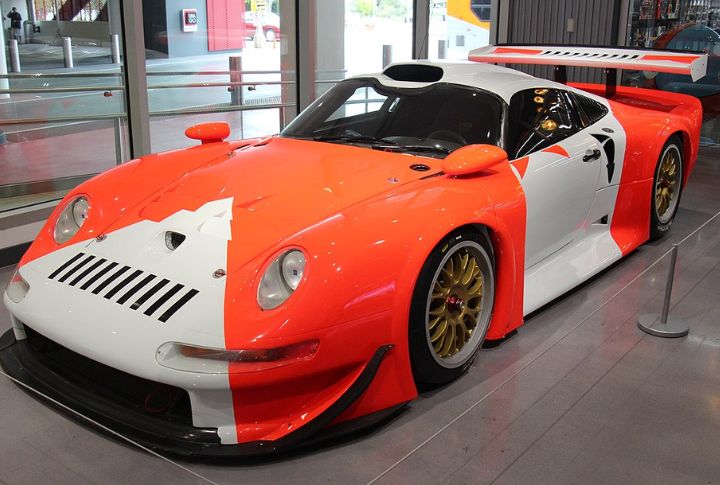
The GT1 had “911” in the name, but this was a full-blown race car. It ran a mid-mounted, water-cooled 3.2-liter twin-turbo flat-six, good for 537 horsepower. With carbon fiber bodywork and Le Mans pedigree, the street-legal version hit 62 mph in 3.7 seconds. This wasn’t evolution—it was escalation.
1997 Porsche Boxster
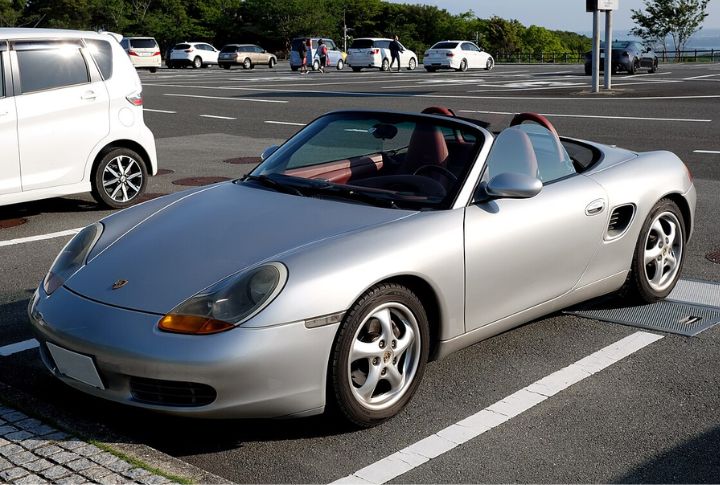
The 1997 Boxster brought Porsche’s flat-six to a new crowd. It had a mid-mounted, water-cooled 2.5-liter making 201 horsepower. More importantly, it brought balance and sports car feel to Porsche’s entry-level. It wasn’t just a baby 911—it carved its own lane and sold like crazy doing it.
1997 Porsche 911 (996)
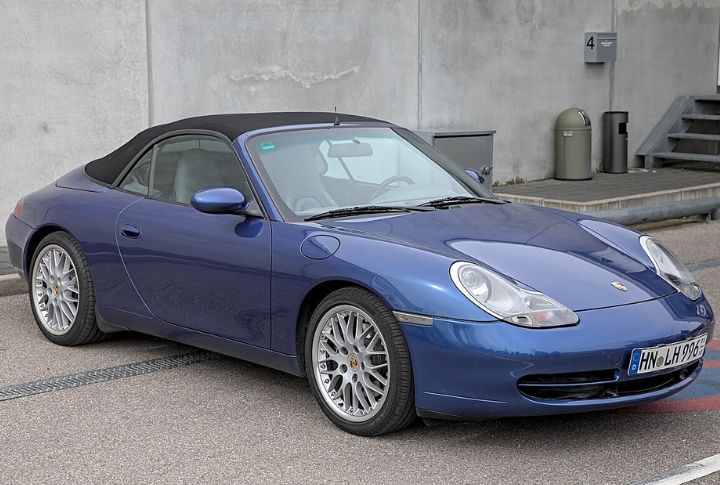
The 996-era 911 broke from tradition—it was Porsche’s first water-cooled flat-six. Developed alongside the Boxster, early models got a 3.4-liter engine with 296 horsepower, later bumped to 3.6. It felt sharper and stirred debate. Love it or not, it kept the 911 alive—and wildly relevant—for a new era.
1999 Subaru Legacy and Outback
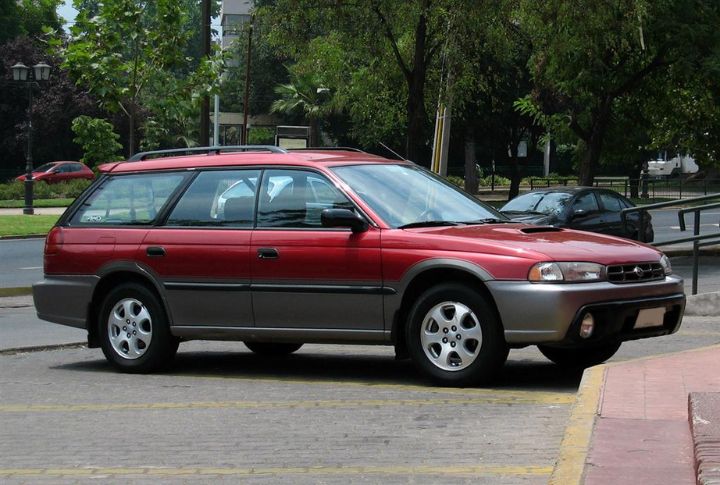
In Japan, the flat-six EZ30 launched in 1999, showing up in top-trim Legacy and Outback models. U.S. versions wouldn’t arrive until 2001. It wasn’t fast, but it was quieter and smoother than Subaru’s turbo fours. This was about comfort, not speed—and it finally gave Subaru buyers a six-cylinder option.
2003 Subaru Legacy and Outback
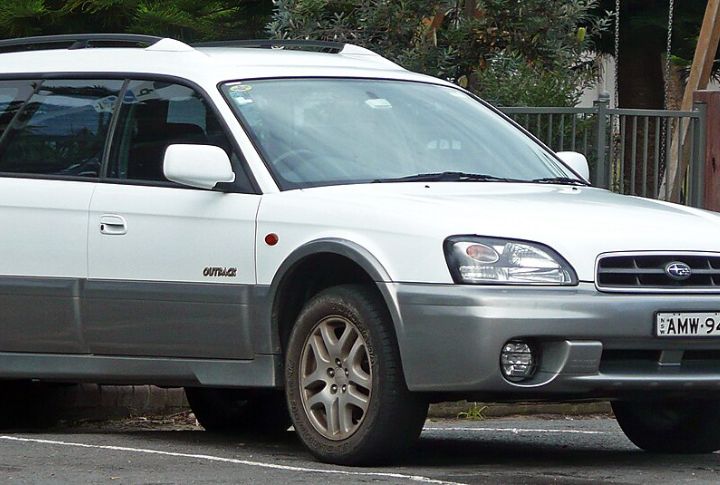
Subaru revised its 3.0-liter EZ30 in 2003 with variable valve timing and lighter internals. Output hit 212 horsepower, and power delivery was more refined than ever. It still wasn’t quick, but it didn’t need to be. These AWD wagons had the long-haul smoothness drivers had been waiting for.
2004 Porsche 911 (997)
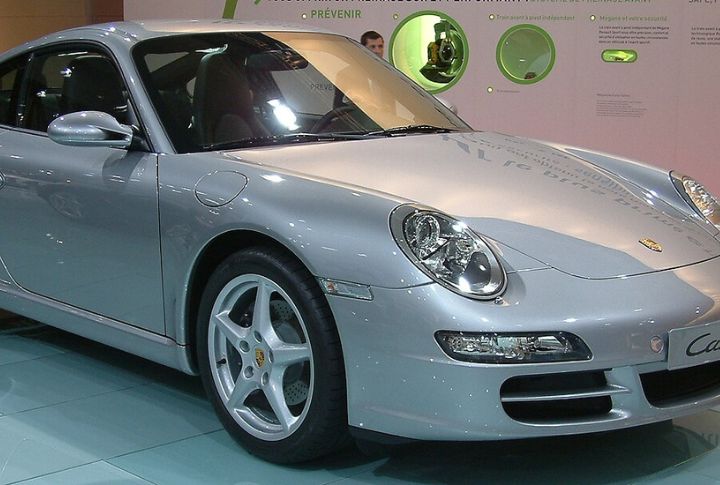
The 997 launched in 2004 with styling that included round headlights and tighter lines. Base models got a 3.6-liter flat-six, while the Carrera S ran a 3.8. Later came monsters like the GT3 RS 4.0 and 612-hp GT2 RS. This was Porsche showing off.
2005 Porsche Boxster and Cayman
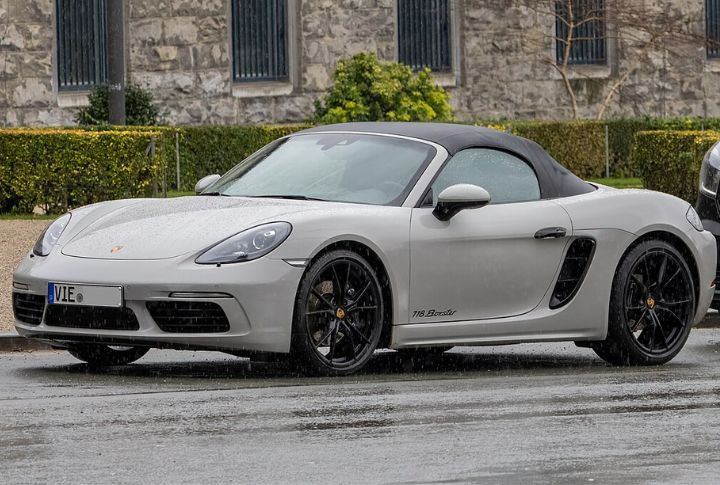
Porsche launched the second-gen Boxster in 2005 and added the Cayman coupe in 2006. The Boxster started with a 2.7-liter flat-six (240 hp), the Boxster S had 3.2 liters (280 hp), and the Cayman S packed a 3.4-liter with 295 hp. More power, more grip, more Porsche.