20 Cars From the ’80s That America Would Rather Forget
You know, the kind of car that makes you pause and wonder, “What were they thinking?” The ’80s had plenty of those. Bold styling couldn’t cover up a bad ride. These cars didn’t just age poorly—they started rough and got rougher. Owning one meant patience and maybe a good pair of walking shoes. We revisit the ones America quietly pushed aside.
1980 AMC Pacer
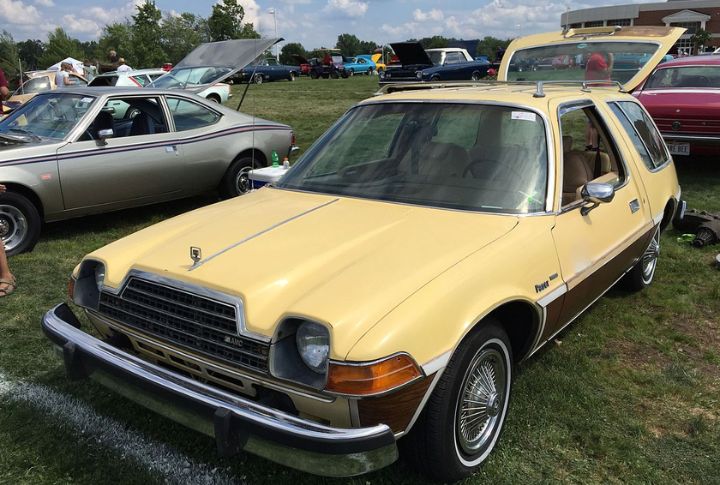
With its bubble-like styling and wide doors, the Pacer was dubbed a “fishbowl on wheels.” Despite its quirky charm and role in “Wayne’s World,” poor fuel economy and outdated design left it struggling to attract new fans, especially younger buyers.
1982 Cadillac Cimarron
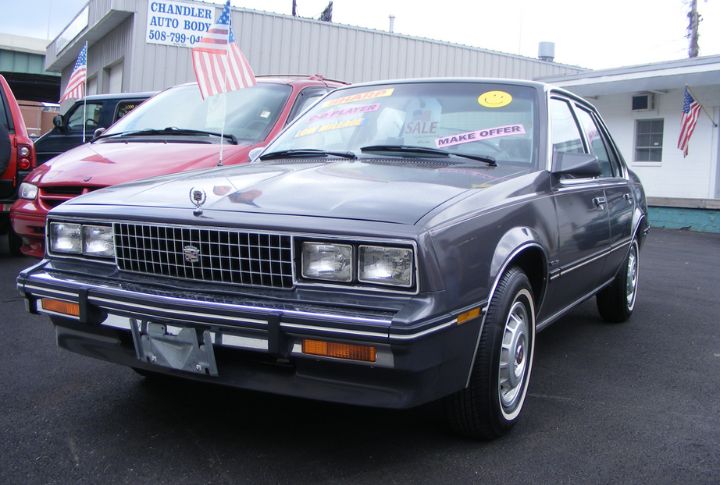
Rebadging the Chevy Cavalier as a Cadillac was a gamble that backfired hard. Overpriced and underpowered, the Cimarron tarnished Cadillac’s luxury image. Its slow acceleration and obvious econobox roots made it a punchline on many “worst cars” lists.
1980 Oldsmobile Omega
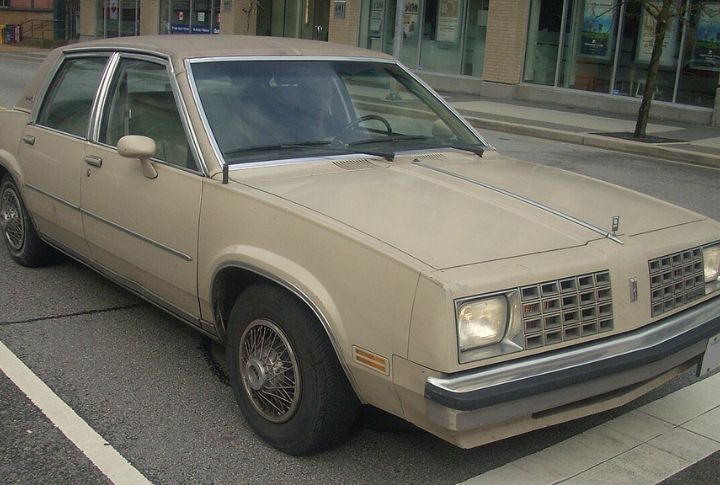
While it looked like a Chevy Citation in dress clothes, the Omega struggled from the start. Brake failures and structural flaws, combined with engine troubles, made it unsafe and unreliable. Used often in driver’s ed, few survived past the early ’90s.
1984 Ford Tempo
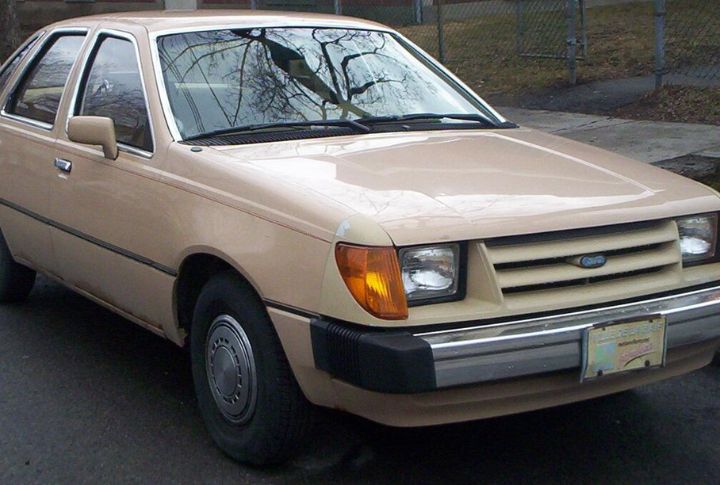
Ford had big hopes for the Tempo as a modern, forward-looking sedan. Its aerodynamic design and an edgy talking dashboard turned heads. But sluggish performance and transmission problems plagued its reputation. Most ended up in rental fleets, and few survive today in decent condition.
1983 Buick Skylark
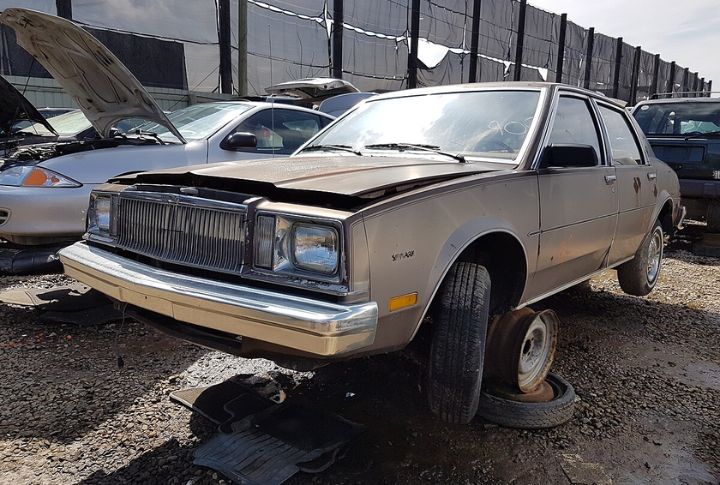
Despite introducing front-wheel drive, the 1983 Skylark quickly disappointed. Sloppy steering made handling feel unpredictable, while transmission issues undermined reliability. Some models even ran underpowered diesel engines. Its interior lacked polish, and even its digital radio couldn’t mask the unrefined experience.
1982 Dodge Aries
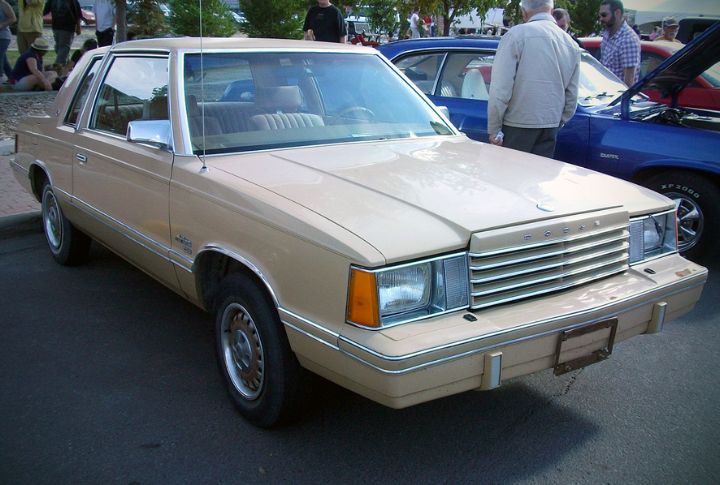
As part of Chrysler’s lifesaving K-car line, the Aries helped keep the company afloat—but it came with trade-offs. The ride was harsh with sluggish acceleration, and quality complaints were common. Still, its TV ads and roomy, boxy design made waves.
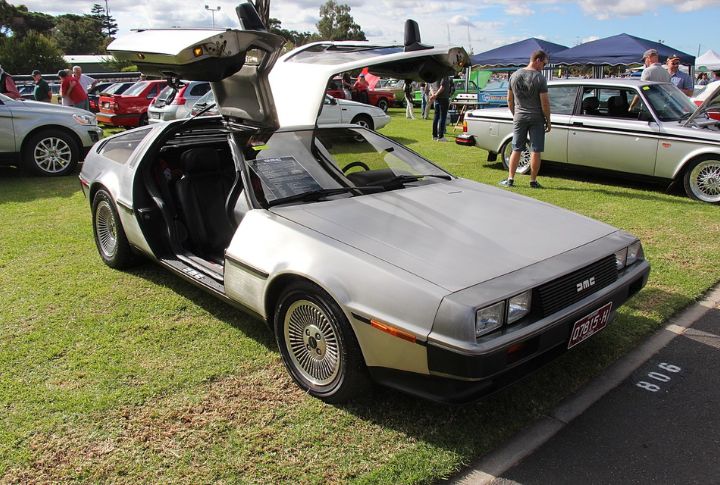
1981 DeLorean DMC-12
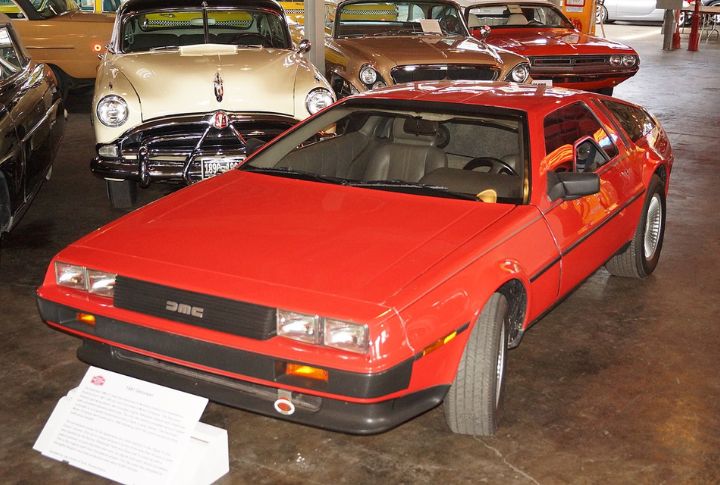
The DeLorean promised a futuristic ride but delivered an underwhelming performance with its underpowered PRV V6 and notorious quality control issues. Known for its film role in Back to the Future, the car struggled with sales and was tough to maintain.
1981 Plymouth Reliant
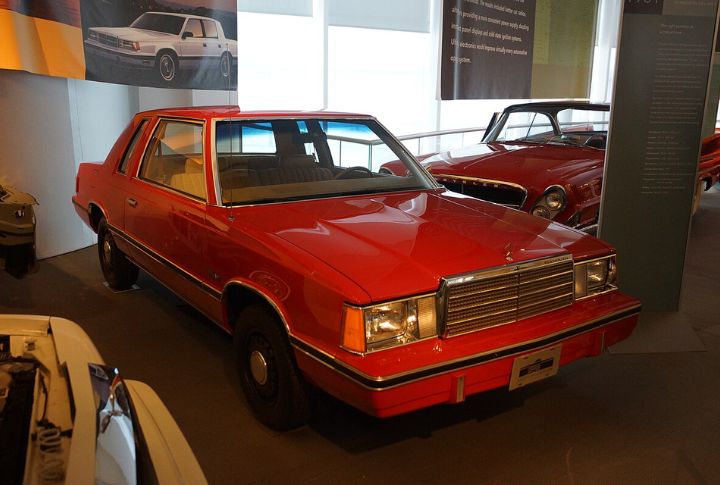
Dubbed “America’s most important car” by some, the Reliant fell short over time. Engine knocking and shaky suspension hurt its reputation, while outdated features like crank windows made it feel behind the curve. Bench seats couldn’t save the base model’s charm
1981 Chrysler Imperial
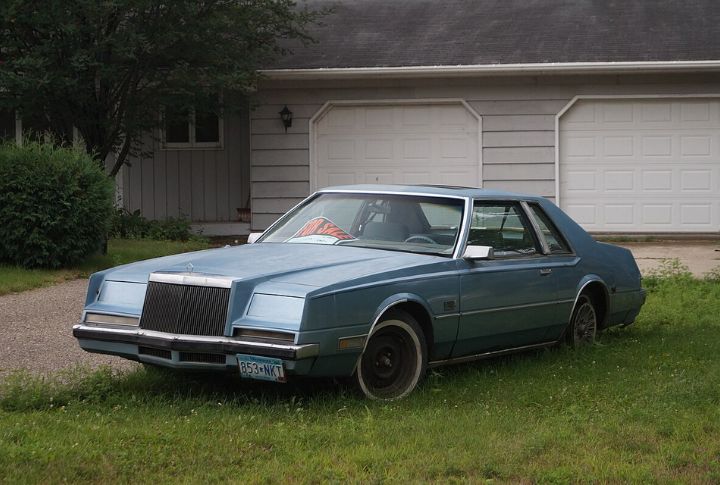
The Chrysler Imperial tried to impress with luxury features but was plagued by faulty electronics and a digital dash prone to malfunctions. The Frank Sinatra edition included cassette tapes, but poor fuel economy and odd styling kept it from lasting.
1980 Dodge Aspen
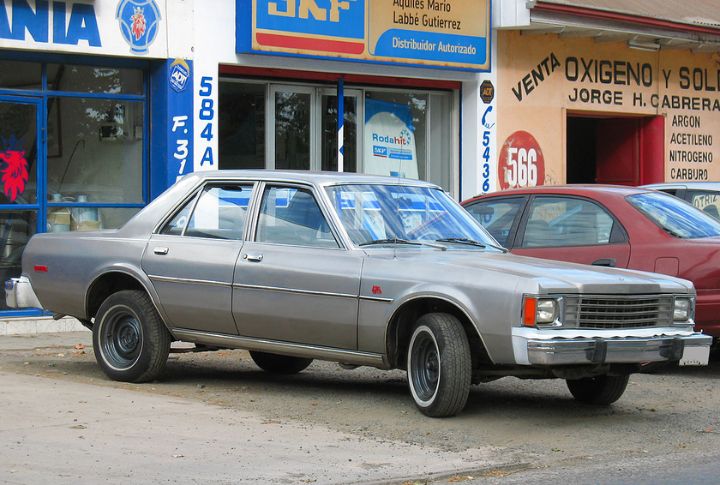
Dodge’s Aspen was recalled for persistent stalling and rust, despite early awards. Fake wood trim on wagons and a slant-six engine option couldn’t mask its flaws. Ultimately, it was seen as a short-lived attempt to replace the Dart.
1980 Chevrolet Citation
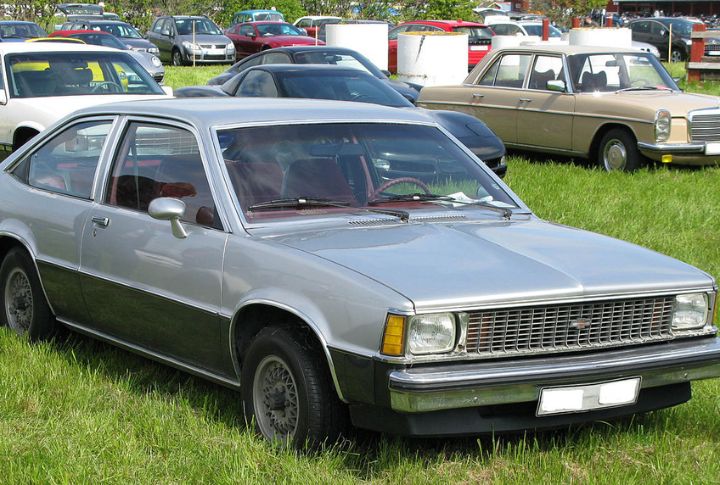
Chevrolet’s first front-wheel-drive model, the Citation, suffered from braking recalls, reliability woes, and rust problems. Critics nicknamed it “Explodavision” for its poor handling, yet strong early sales proved buyers were initially willing to take a chance on this sporty-looking misfit.
1985 Hyundai Excel
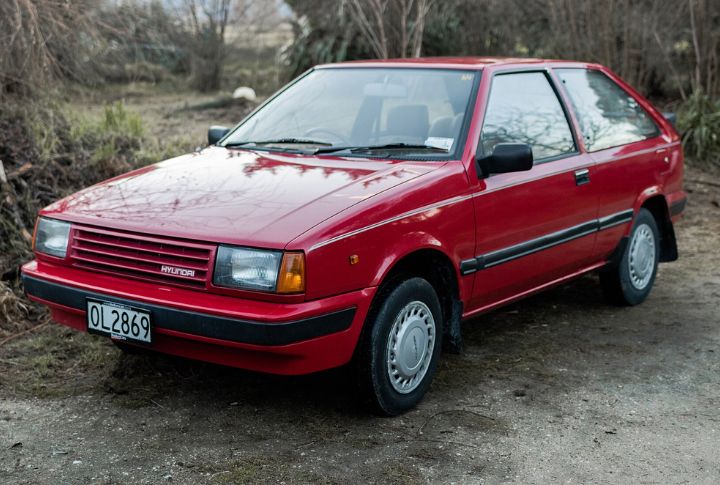
Hyped for its low price tag of under $5,000, the Excel sold fast—but didn’t age well. It faced early rust and transmission issues that got worse, leaving owners without a solid support network. Though it had a hot debut, it couldn’t maintain momentum or buyer trust for long.
1980 Cadillac Seville
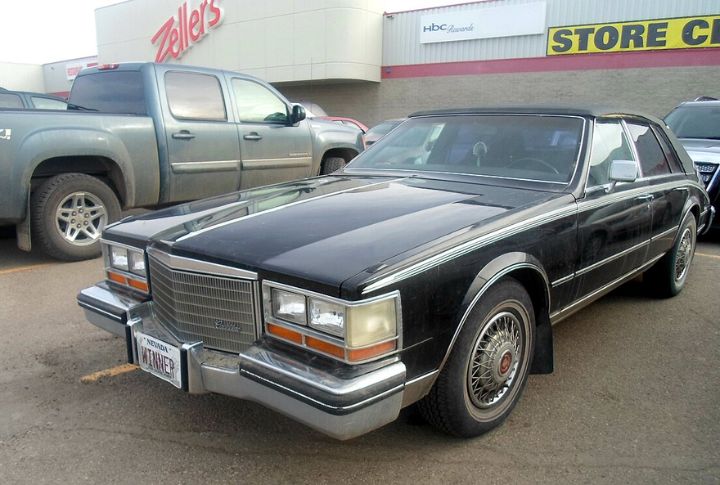
Trying to innovate with cylinder deactivation, the Seville’s V8-6-4 engine became a cautionary tale. Unreliable electronics and excessive weight didn’t help either. Its “bustle back” styling stood out, but a boat-like ride and clunky digital computer made it feel over-engineered.
1987 Merkur XR4Ti
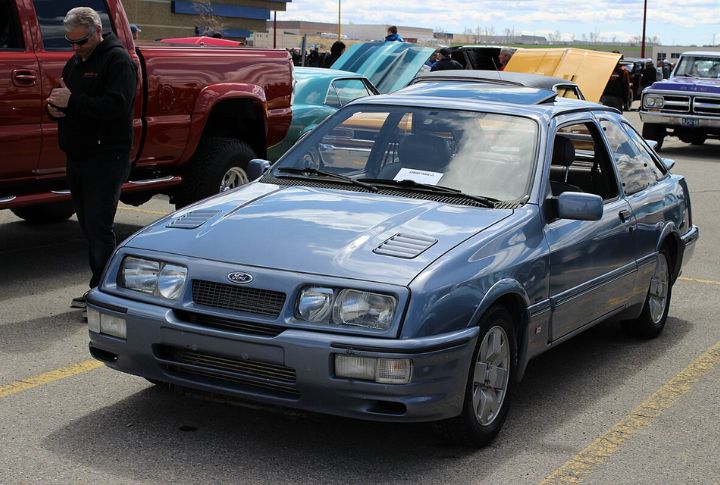
Ford’s attempt to woo buyers with a Euro import hit a wall fast. The Merkur XR4Ti confused Americans with its strange name and lacked a solid service network. Between reliability issues and a quirky bi-plane spoiler, it ultimately appealed mostly to a small group of die-hard fans.
1984 Lincoln Continental Mark VII Diesel
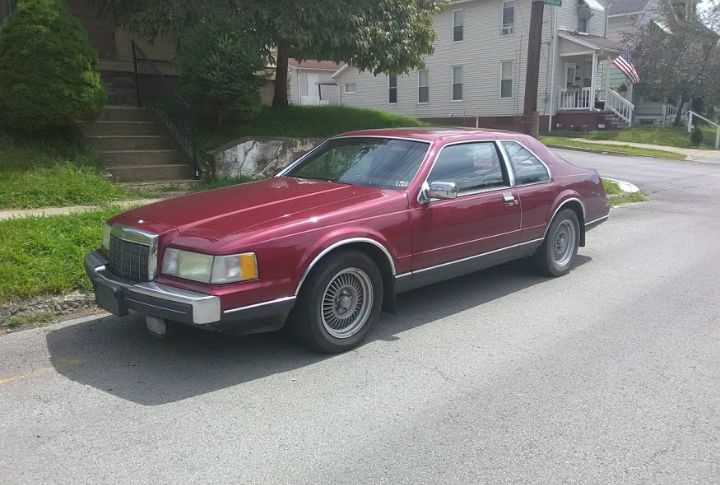
Trying to marry luxury with diesel power, this Lincoln fell flat. The BMW engine felt weak; it rattled when idling and often had trouble starting. A buzzing dashboard and Mustang-shared parts made it feel less opulent than the price tag suggested.
1982 Renault Fuego
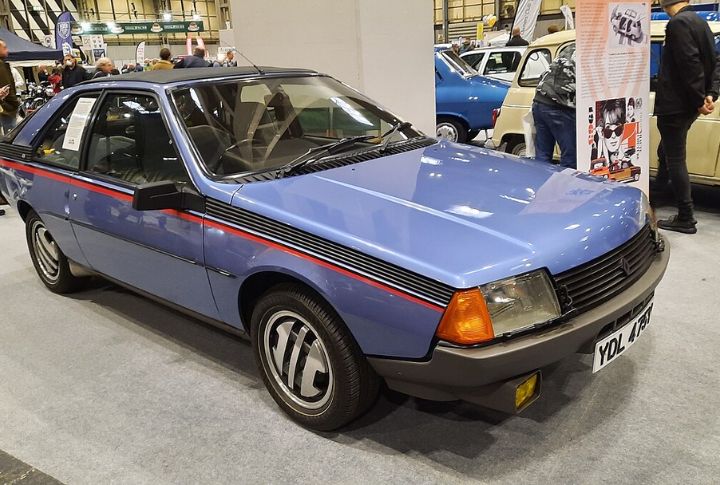
Marketed as a sexy French import, the Renault Fuego suffered from rust, poor reliability, and a weak powertrain. The turbo version flopped, and quirky interiors couldn’t save it from becoming a rare sight due to high scrap rates.
1983 Renault Alliance
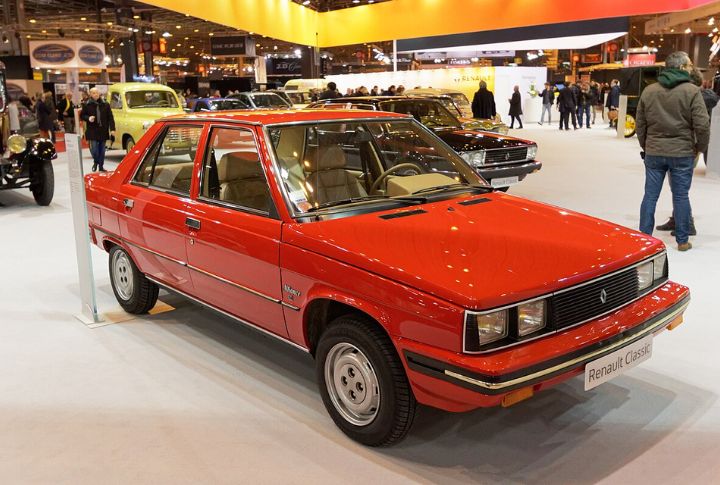
This U.S.-French hybrid won Motor Trend’s Car of the Year, but that title didn’t hold up. Faulty brakes and engine problems highlighted the Alliance’s subpar build quality and overall issues. Parts were tough to find, and the blend of French design with AMC ruggedness never really worked.
1980 Ford Pinto
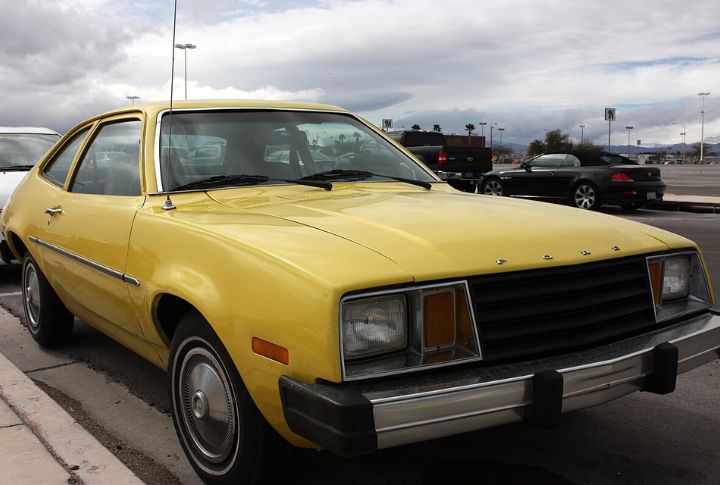
By 1980, the Pinto’s infamous reputation had caught up to it. Designed in the ’70s, its poor safety record and gas tank controversy left sales floundering. Outdated styling and driving-school ubiquity sealed its fate as a car America was eager to forget.
1986 Subaru XT
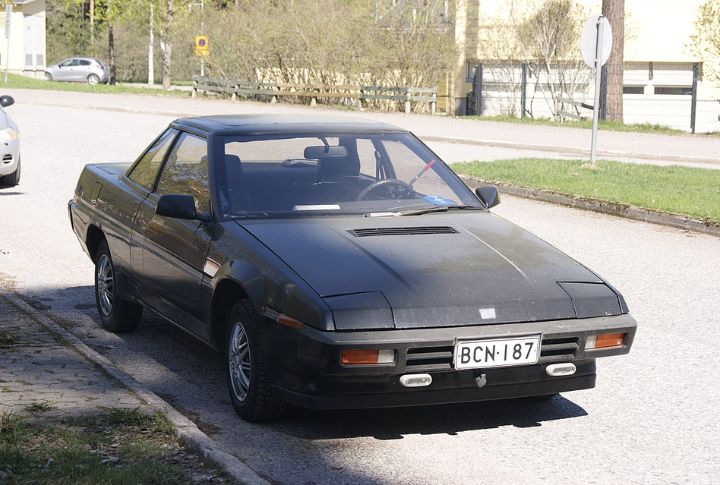
Looking like a spaceship on wheels, the Subaru XT drew eyes but not praise. Its engine lacked punch, and its ergonomics were confusing to drivers. A digital dash and joystick controls were fun, but couldn’t fix the frustrating driving experience underneath.
1985 Sterling 825
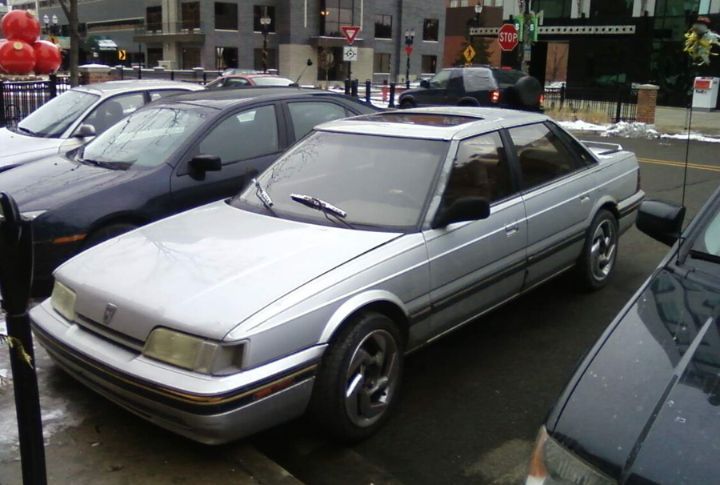
Marketed as a premium import, the Sterling 825 came with British flair and Japanese mechanics—but fell apart fast. Plagued by electrical gremlins and flimsy interiors, it quickly lost its resale value. Even its Honda engine couldn’t rescue it from early retirement.