10 Car Features That Quietly Changed Driving Forever
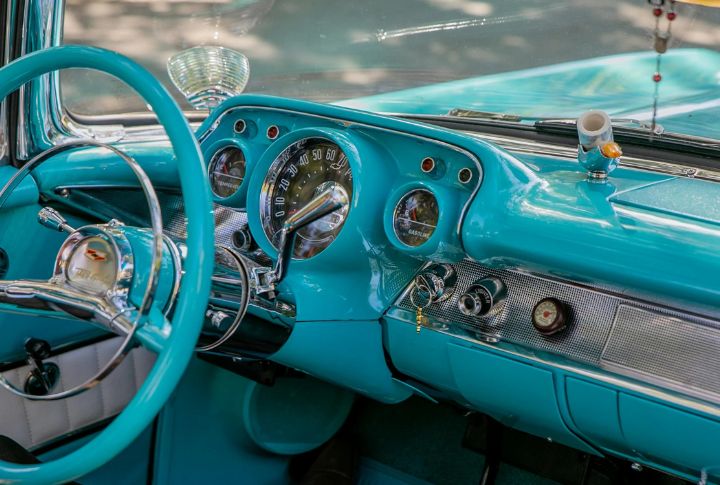
Modern cars owe a lot to innovations that most drivers barely notice. Starting in the 1970s, automakers began introducing features that prioritized safety and long-term performance. These changes didn’t come with hype, but their impact has lasted for decades. Keep reading to explore ten practical upgrades that quietly reshaped how people drive their vehicles.
Anti-Lock Braking System (ABS)
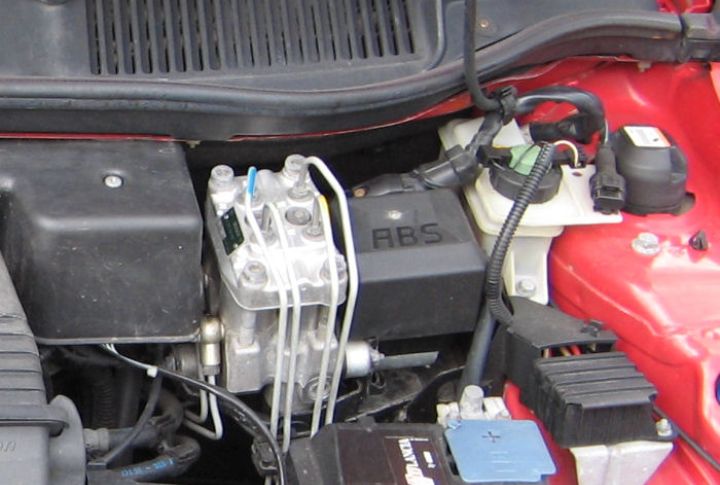
Hit the brakes hard today, and your car holds steady—that smooth control began in 1978. That’s when Mercedes-Benz introduced ABS, revolutionizing braking with a system that stopped wheels from locking up. Drivers could steer through sudden stops, skids were minimized, and the era of brake pumping came to an end.
Electronic Fuel Injection (EFI)
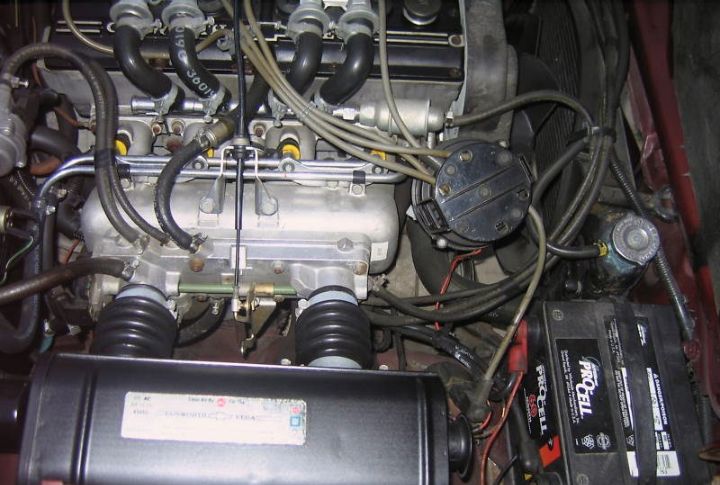
Gone are the days of stalling on cold mornings. Electronic fuel injection came in swinging during the late ’70s, replacing fussy carburetors. Fuel met air with perfect timing. No guesswork, no sputtering, just crisp ignition every time. That shift paved the road to modern drivability.
Catalytic Converter

You couldn’t see it, but you sure could smell the change. Starting in 1975, catalytic converters began scrubbing tailpipe emissions clean. Smog-choked cities saw a breath of fresh air. Behind the exhaust note, a quiet hero cut pollution without drivers even noticing.
Cruise Control
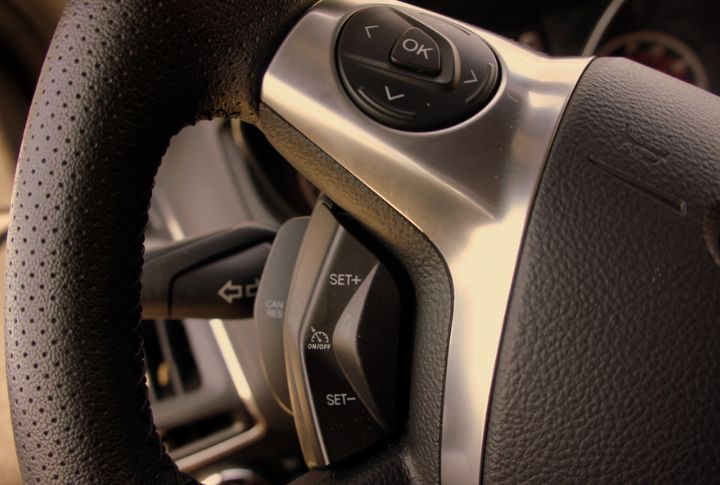
Cruise control quietly changed long drives in the 1970s, turning luxury into a road trip essential. With one click, drivers could ease off the pedal, maintain a steady speed, and fight off fatigue. It didn’t demand the spotlight, but it made every mile feel a little lighter and the open road more manageable.
Intermittent Windshield Wipers

Rain didn’t always pour; sometimes, it teased. That’s when Robert Kearns’ invention stepped in. Intermittent wipers offered rhythm instead of constant motion. In the drizzle, they tapped softly, just when needed. Drivers stayed focused, and that silent tick became a quiet revolution in visibility.
Radial Tires
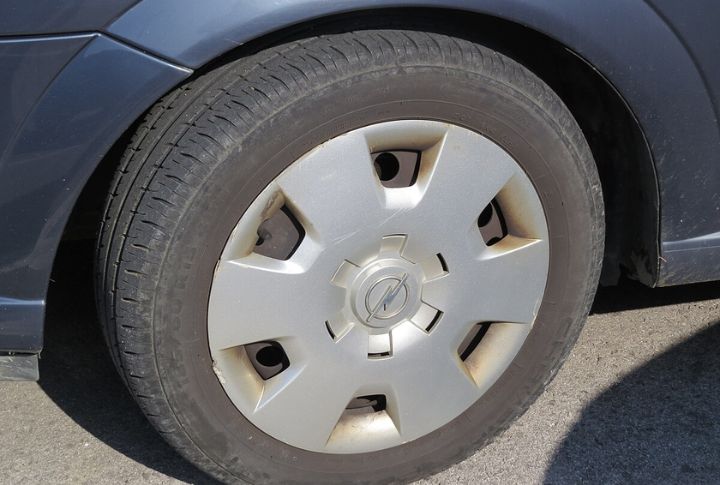
Radial tires, though first developed by Michelin in 1946, truly took off in the 1970s—and quietly upgraded the driving experience. With steel belts beneath the rubber, they delivered better grip, longer life, and improved fuel efficiency. Every turn felt sharper, every ride smoother, all without flashy fanfare.
Airbags
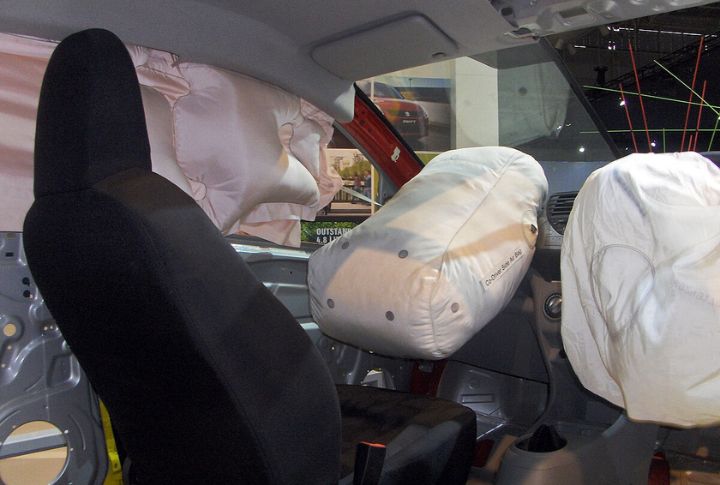
In the 1970s, safety and speed collided with the arrival of early airbags. Placed inside the dashboard, they stayed hidden until the moment they were needed. In a split second, they burst to life, cushioning impact before metal met bone. Not a seatbelt substitute, but a lifesaving layer of backup protection.
Oxygen Sensors
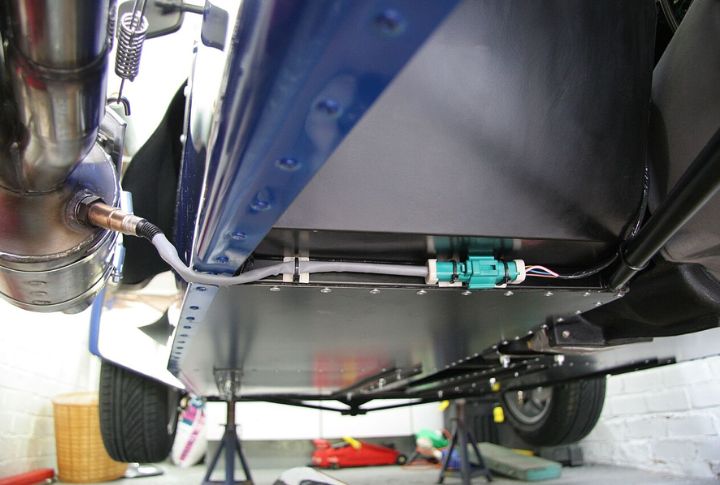
Invisible to the eye but vital to performance, oxygen sensors debuted in 1976. They read exhaust gases like a mechanic with a stethoscope. Engines learned to breathe smarter. Emissions dropped, mileage improved, and tuning took a digital turn, all without the driver lifting a wrench.
Electronic Ignition System
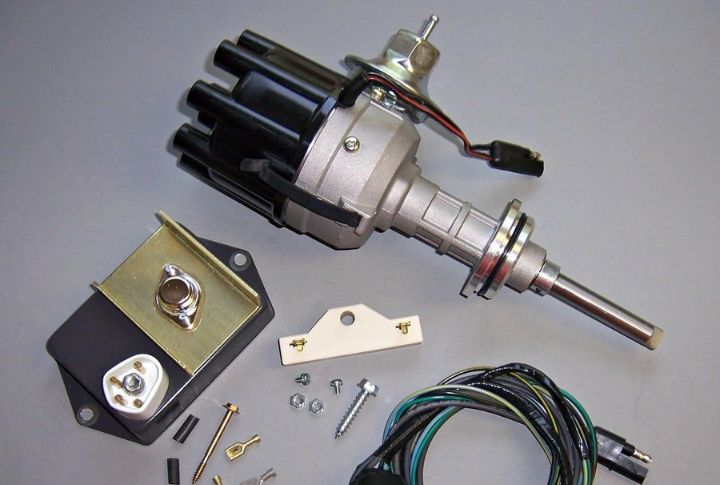
One spark, precisely timed, changed everything. In 1971, Chrysler kicked off the era of electronic ignition. Points and condensers vanished. Engines roared to life more reliably, especially in the cold. Misfires faded, and mechanics nodded in approval of the cleaner burn.
Digital Dashboard Displays
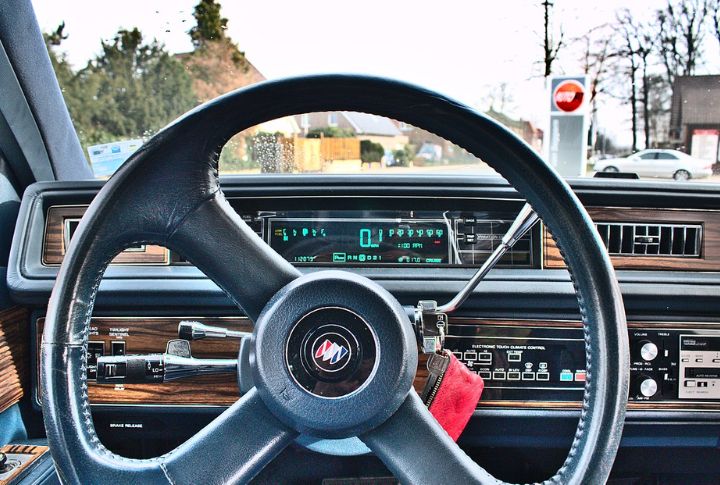
Back when calculators looked futuristic, cars started glowing with digits. Digital dashboards crept in by the decade’s end—no sweeping needles, just numbers that lit up like spacecraft controls. Drivers read speed at a glance. Subtle, sleek, and strangely modern, they hinted at a coming tech shift.