Can You Drive an RV with Your Regular License?

Recreational vehicles (RVs) are becoming increasingly popular, and for good reason. They offer a home on wheels for vacationers and long-term travelers touring the country. But before hitting the road, you may wonder if you need a separate license to drive one. Here, we discuss the various RV classes, their requirements, and whether additional driving tests are necessary.
What Exactly Is an RV?
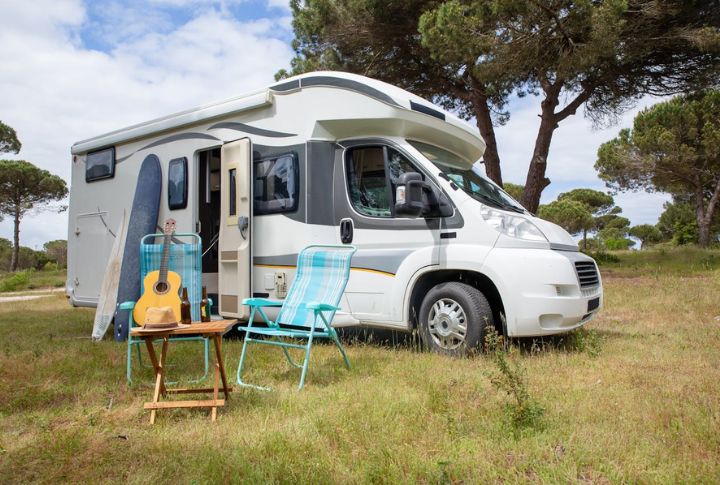
An RV is a motorized or towable home designed for living on the go. Equipped with sleeping quarters, kitchen areas, and bathrooms, RVs provide the conveniences of home during travel. They vary significantly in size and weight, which makes them perfect for families, retirees, and those who love adventure.
Different Classes of RVs: Class A
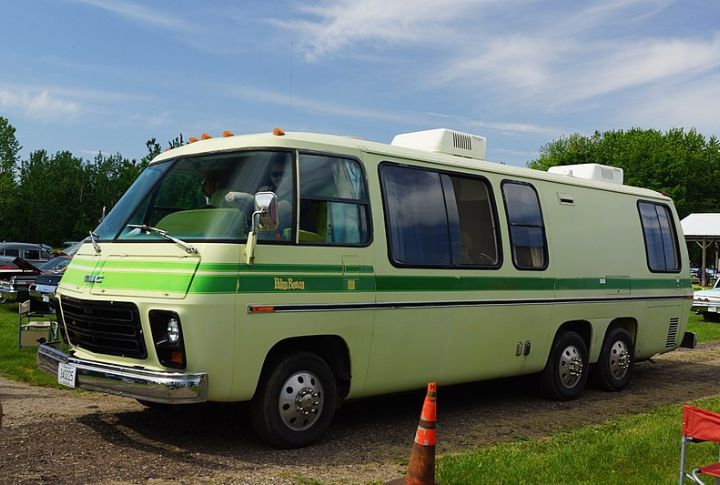
Class A RVs are the largest and most luxurious, resembling buses. These motorhomes are between 26 and 45 feet long and weigh about 13,000 to 30,000 pounds. Typically priced between $100,000 to well over $1 million, Class A RVs are favored for long-term travel and luxury.
Class B: Compact and Easy to Drive
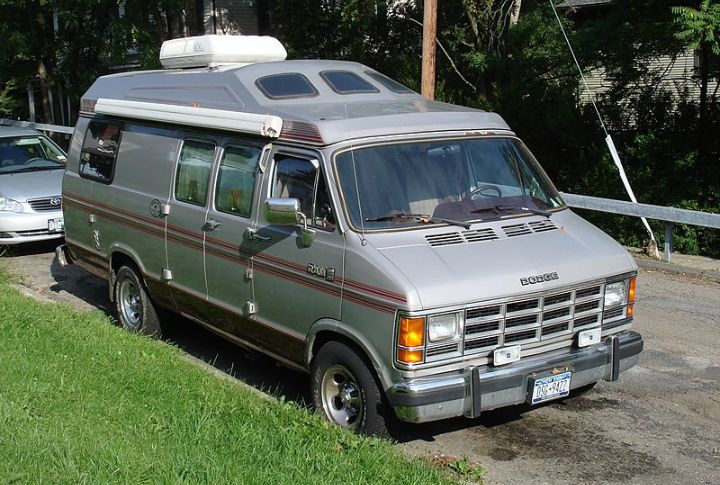
Class B RVs are the smallest motorized types and are often referred to as camper vans. Despite their size (18-24 feet), these vehicles are surprisingly easy to drive, weighing between 6,000 and 9,000 pounds. Prices for Class B models start at around $25,000, making them a more budget-friendly option.
Class C: The Middle Ground

Class C RVs combine Class B’s compactness with Class A’s spaciousness. These motorhomes range from 20 to 33 feet in length and typically weigh between 10,000 and 15,000 pounds. Prices start at approximately $50,000, and the RVs are popular among families of up to four people.
What Makes RVs Different from Other Vehicles?
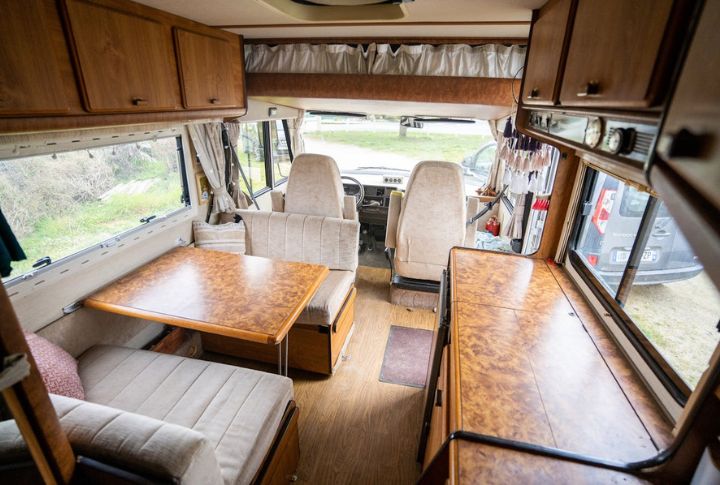
RVs differ from standard cars in several ways. They are larger and heavier, often equipped with living spaces that include kitchens and bathrooms. Additionally, their driving dynamics vary significantly due to their size and weight distribution. Unlike typical vehicles, operating an RV (depending on weight) requires understanding its unique handling characteristics.
Types of RV Licenses
A standard driver’s license is typically sufficient for RVs under 26,000 pounds, such as most Class B and C motorhomes. Some states may require a commercial driver’s license (CDL) or a special non-commercial license for larger RVs over that weight, like Class A motorhomes. Always check your state’s specific requirements before hitting the road.
How RV Weight Affects Licensing
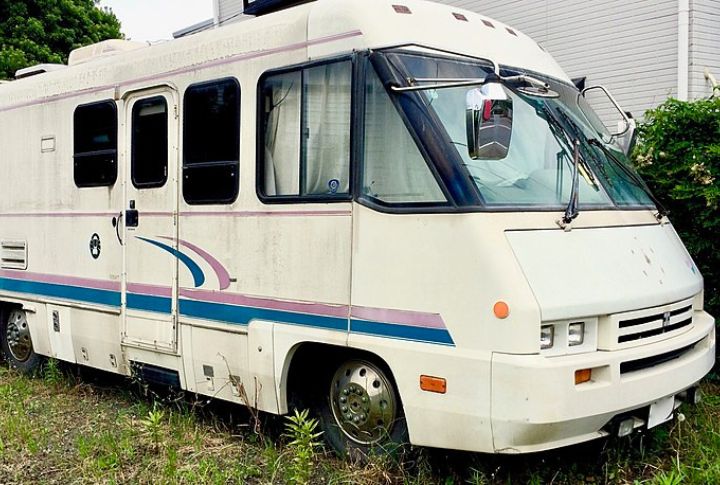
RV weight is a significant factor in licensing due to the increased difficulty of handling larger vehicles. Because of their size, weight distribution, and longer stopping distances, heavier RVs require more advanced driving skills. Additionally, heavier vehicles are harder to control in adverse weather and are more challenging to park and maneuver on narrow roads.
RV Towables: Do They Require a Special License?
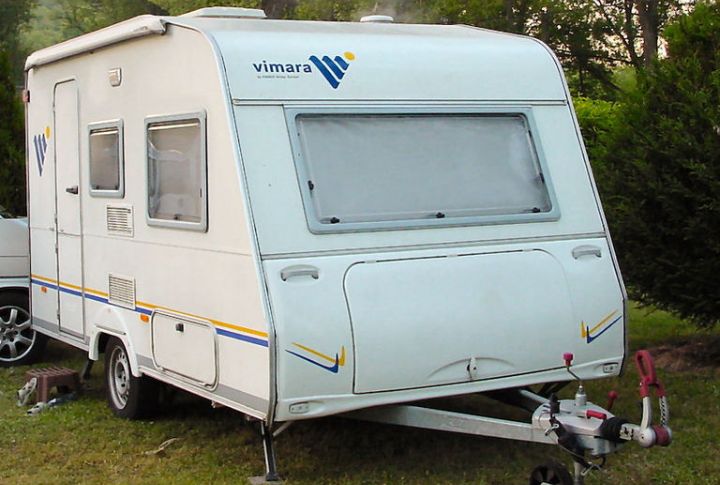
RVs that can be towed, such as fifth wheels and travel trailers, have different regulations compared to motorized ones. Generally, a standard driver’s license is sufficient for towing as long as your vehicle’s and trailer’s combined weight does not exceed 26,000 pounds. Ensure you check your state’s specific laws on towing limits.
Ensuring Compliance Across States

The complexities of RV licensing can be daunting, especially since regulations differ by state. It’s essential to verify specific requirements before hitting the road. Checking with the Department of Motor Vehicles in your state before your journey helps avoid unexpected complications and ensures a seamless travel experience.
State-by-State Licensing Differences

Licensing requirements for RVs vary significantly by state. Some states have special endorsements for heavier RVs, while others may not. California, for instance, requires a non-commercial Class A license for travel trailers weighing over 10,000 pounds and not for hire, while Texas mandates a Class B license for RVs over 26,000 pounds.
Is There a Separate Driving Test for RVs?
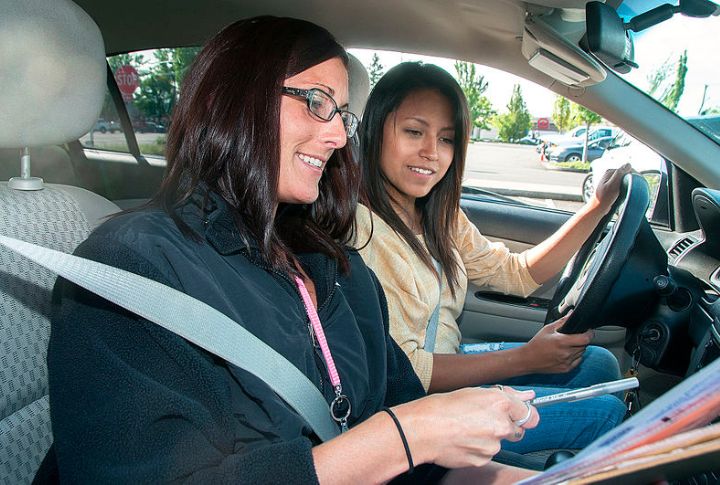
In most cases, no separate driving test is required for RVs as long as they fall within the weight limits for a standard driver’s license. However, some states may require an additional skills test or endorsement for larger RVs, especially if they exceed certain weight thresholds. This is usually a safety precaution since you’ll be handling a heavier machine.
RV Rentals: Do You Need a Special License?
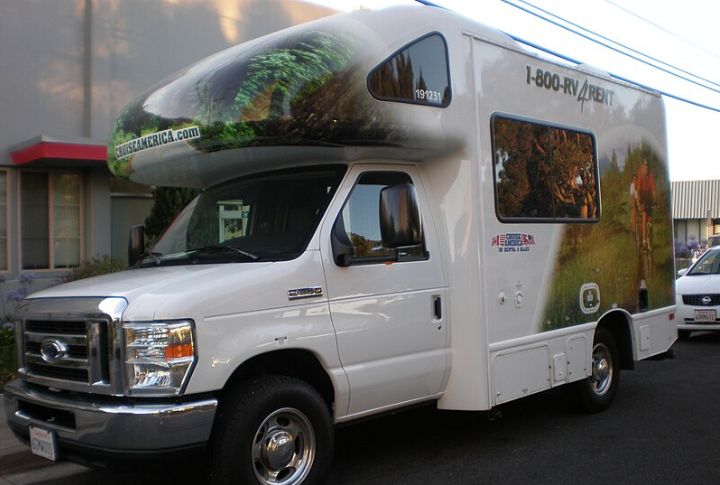
Most rental establishments will allow you to drive with a regular license if you’re renting an RV for a trip. Still, reviewing the rental company’s guidelines and state regulations is essential, especially if you plan to drive a larger Class A motorhome or tow a heavy trailer.
Non-Commercial Licenses

Most states allow drivers to operate smaller RVs with a non-commercial driver’s license. However, specific endorsements may be required if you tow a trailer or drive an RV that exceeds certain weight limits. For instance, New Mexico mandates that a driver with an RV weighing over 26,000 pounds have a Class E endorsement on their license.
Final Considerations Before You Hit the Road

Before setting out on your RV adventure, it’s important to understand the rules in your state and the states you plan to visit. Research weight limits, licensing requirements, and insurance options to ensure you’re fully prepared. With the proper preparation, driving an RV can be a rewarding and safe experience.