20 American Cars That Redefined What A Vehicle Could Be
Most cars stick to the script—but a few rewrite it. These vehicles didn’t just reflect their era; they challenged the limits of design, engineering, and cultural appeal. Some pioneered new technologies, others set the stage for performance trends. Together, they shaped global perceptions of American automotive ambition. So, let’s take a look at 20 cars that did exactly that.
1953 Chevrolet Corvette
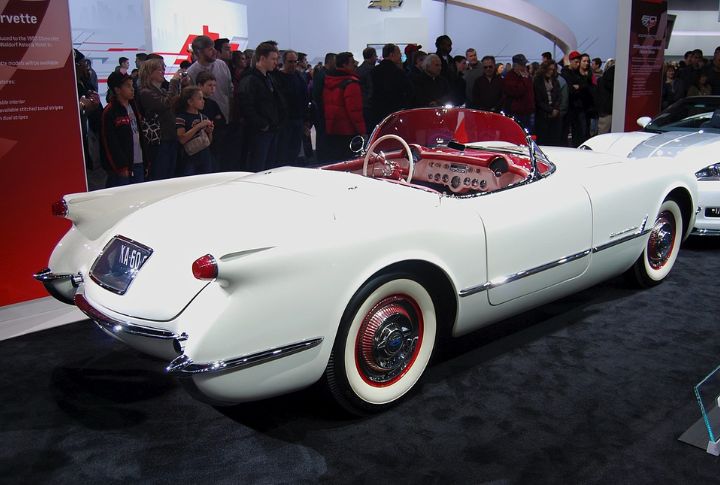
America’s sports car era began tentatively in 1953 with Chevrolet’s Corvette, featuring a 150 hp Blue Flame inline-six and two-speed Powerglide transmission. Workers hand-assembled 300 examples in Flint, Michigan, each finished in Polo White over red vinyl interiors. All 300 were convertibles—the only option available in 1953. Though performance lagged, it set the stage for later V8-powered models.
1941 Willys Americar
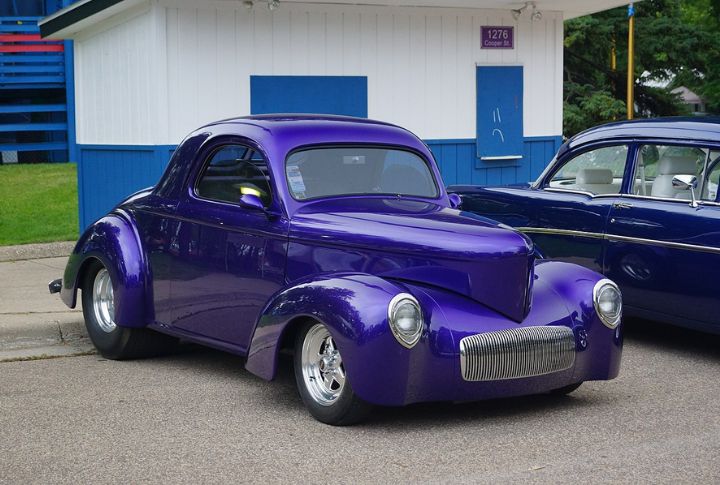
Originally marketed as an economy compact, the 1941 Willys Americar found new life on drag strips two decades later. Its lightweight chassis and straightforward inline-four engine made it a prime candidate for V8 swaps and gasser builds. Hot rodders valued its simple frame, boosting performance beyond factory specs. Today, Americars draw six-figure prices at vintage drag events.
1955 Chrysler C-300
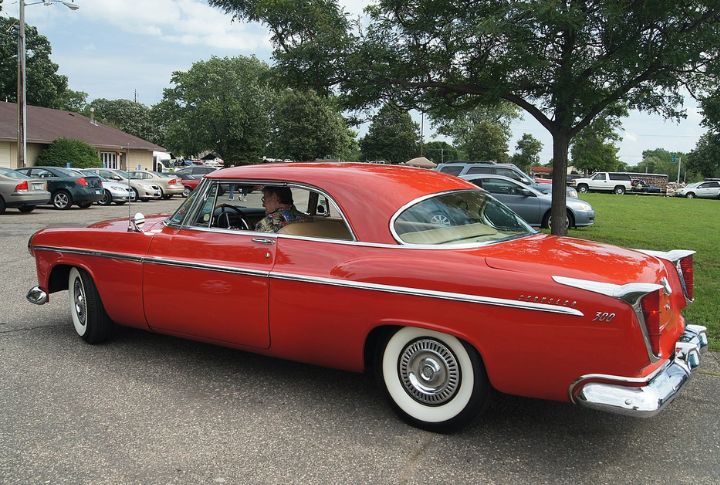
Chrysler’s 1955 C-300 stunned critics with a factory-rated 300-hp HEMI V8 under the hood and luxury features like power steering and tinted glass. That blend of performance and comfort translated to NASCAR dominance, where it won multiple races in its debut season. With just 1,725 units built, the C-300 remains one of the rarest factory muscle cars today.
1936 Auburn 852 Boattail Speedster
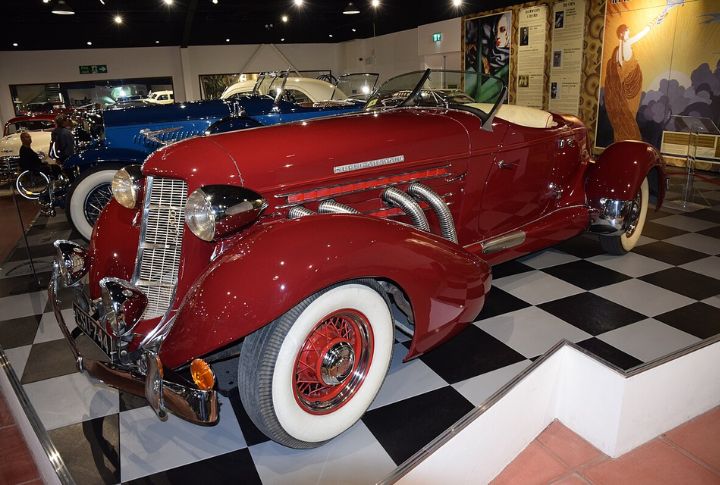
Stylized by Gordon Buehrig, the 1936 Auburn 852 Boattail Speedster flaunted an art deco silhouette and a supercharged straight-eight engine capable of topping 100 mph. Coachbuilders fashioned each body by hand, combining speed and luxury at $1,685. Financial troubles halted production in 1936, making it one of the rarest Auburn models ever built.
1963 Buick Riviera
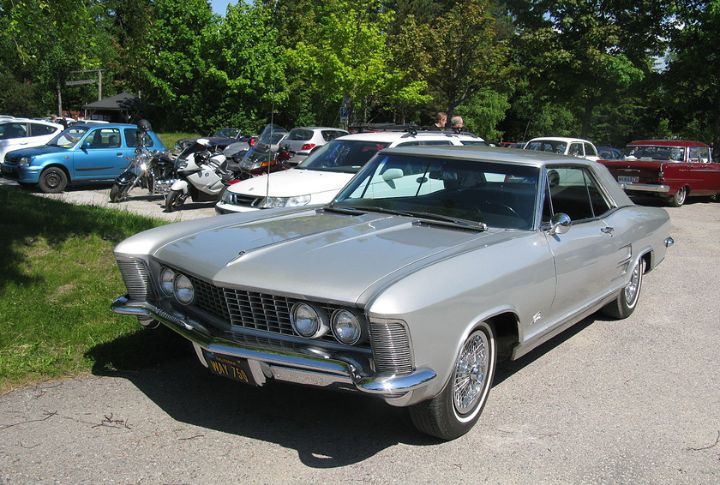
Buick introduced the 1963 Riviera to challenge European grand tourers with its hidden headlights and low-slung Coke-bottle curves. Under the hood sat a 325-hp Wildcat V8 linked to a three-speed automatic transmission. Buick capped first-year production at 37,000 units. Today, original rides fetch upwards of $50,000 at auctions.
1956 Lincoln Continental Mark II
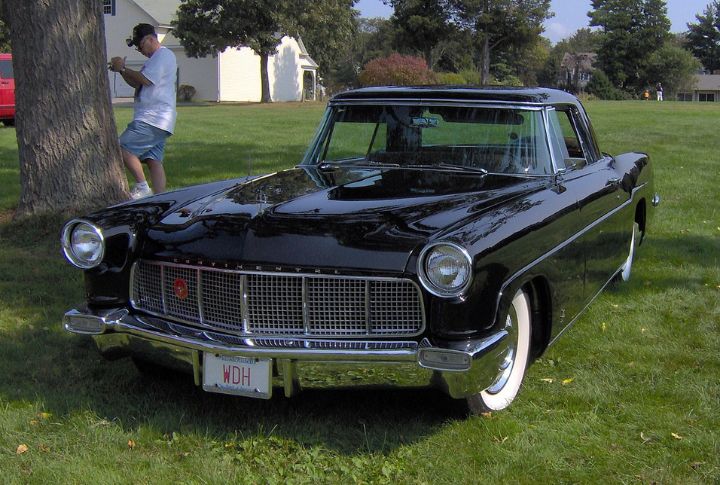
Lincoln wasn’t chasing trends when it released the Continental Mark II. Rather, it was setting its own standard. Built with precision craftsmanship, it rivaled the most elite European marques. Powered by a 368-cubic-inch V8, it emphasized refinement over flash. Fewer than 3,000 were produced, each featuring a leather interior trimmed by hand.
1967 Pontiac GTO
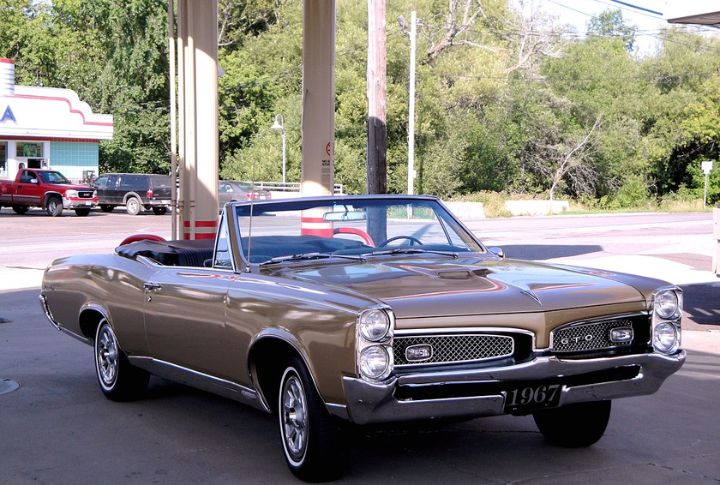
The 1967 GTO didn’t invent muscle, but it played a significant role in popularizing the car genre. Pontiac introduced a new 400-cubic-inch V8 and made safety upgrades like energy-absorbing steering columns standard. This was also the first year Ram Air was offered as a factory option and over 81,000 units were sold.
1948 Tucker 48
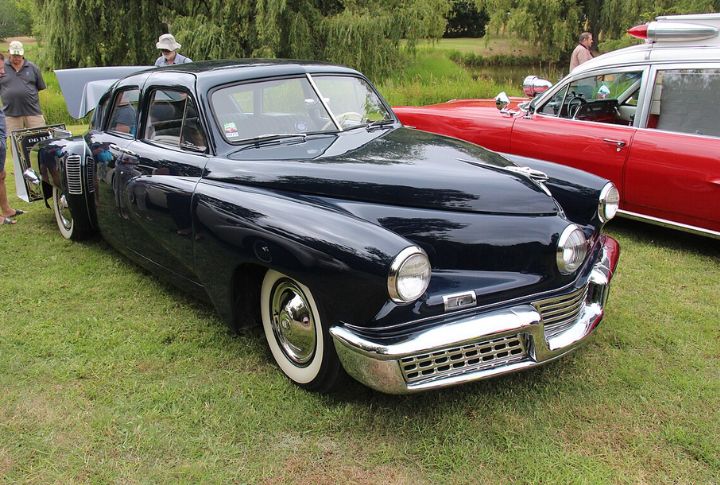
The Tucker 48 disrupted convention, featuring radical safety and engineering ideas—seatbelts, a rear engine, and a directional center headlight. Designed by Preston Tucker, the car debuted during a volatile era for automakers. Its production ended abruptly after only 51 were built, following controversial SEC investigations. Surviving examples today regularly fetch over $2 million at auction.
1934 Chrysler Airflow
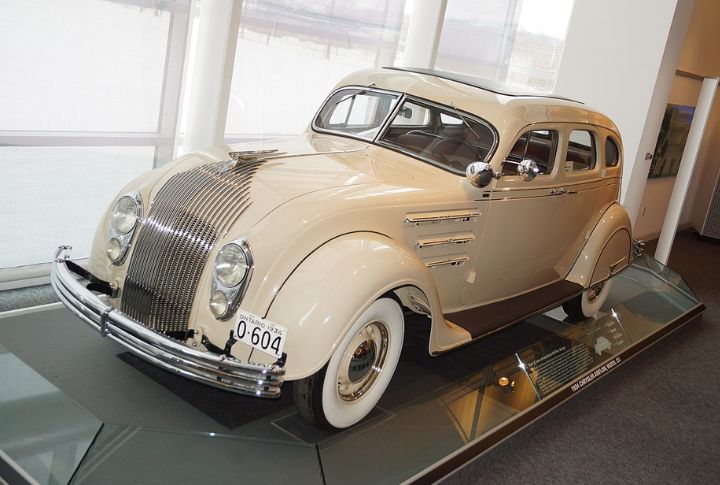
Wind tunnel testing wasn’t standard in 1934, but Chrysler used it to shape the revolutionary Airflow. The resulting body offered better aerodynamics and a smoother ride, thanks in part to its innovative unitized design. Consumers, however, found its looks too strange. Despite poor sales, it laid critical groundwork for future car engineering.
1961 Chevrolet Impala SS 409
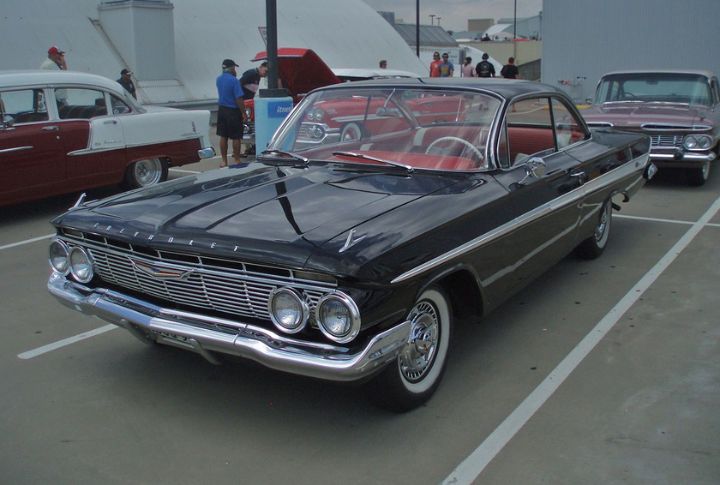
The 1961 Impala SS 409 was marketed as a performance car for consumers. Chevrolet paired its full-size coupe with a 409-cubic-inch V8 producing 360 hp, and an upgraded suspension system came standard. The car inspired the Beach Boys’ anthem “409,” fueling its street cred. Fewer than 500 Impala SS models with the 409 engine were produced.
1935 Duesenberg Model SJ
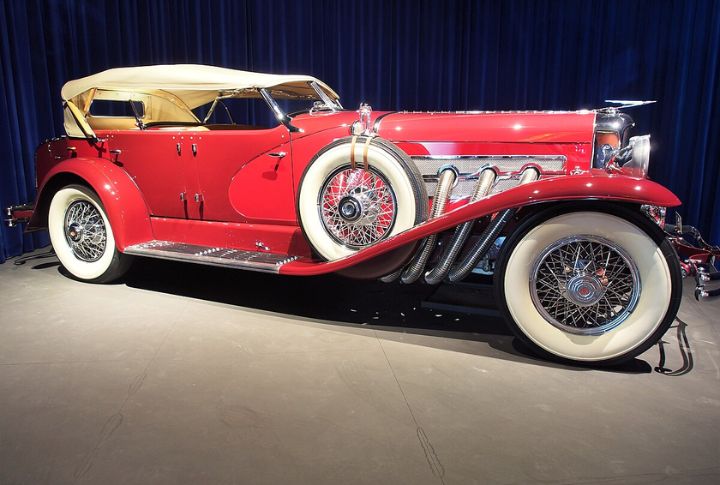
Performance met opulence in the Duesenberg Model SJ, a supercharged version of the already elite Model J. Its 320-hp straight-eight engine gave it a top speed of over 100 mph—phenomenal for its time. Celebrities like Gary Cooper and Clark Gable ordered customized versions. Only 36 Model SJs were made, each more extravagant than the last.
1969 Dodge Charger R/T

Aggressive and unmistakable, the 1969 Charger R/T combined bold styling with serious muscle. The standard 440 Magnum V8 delivered 375 hp, while the optional 426 HEMI upped the ante dramatically. Its role as General Lee in “The Dukes of Hazzard” made it a pop icon.
1950 Oldsmobile 88
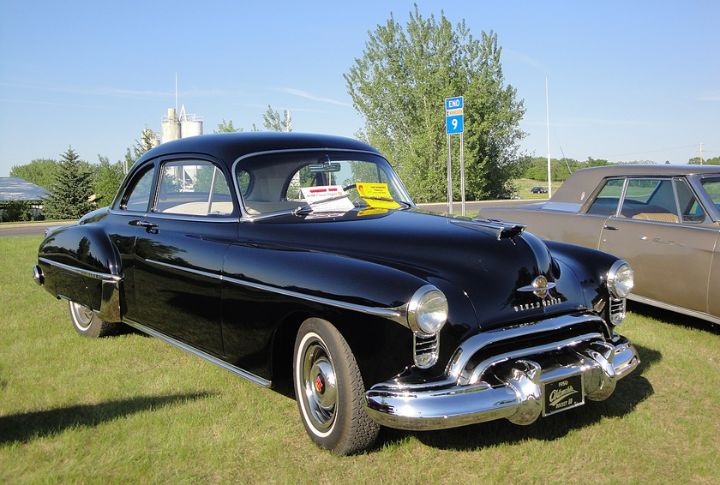
Oldsmobile’s Rocket V8 transformed the 1950 88 into an unexpected street brawler. Weighing less than its larger competitors, it dominated NASCAR and inspired an entirely new genre of performance car. It also sparked a cultural moment—“Rocket 88” by Jackie Brenston is considered by some the first true rock and roll record.
1930 Cadillac V-16
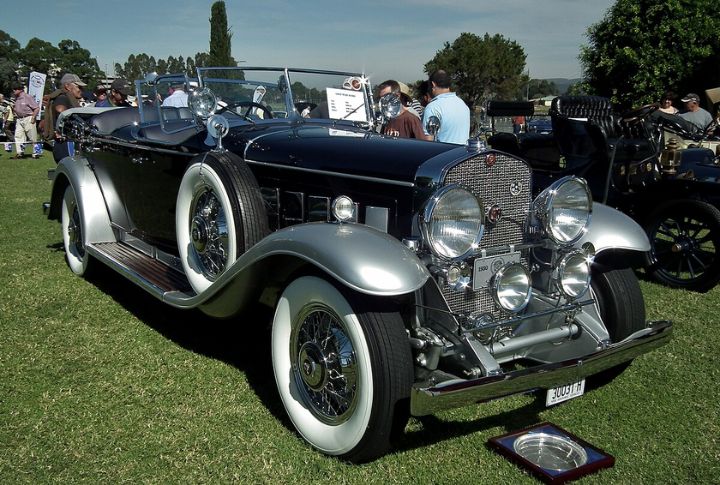
At a time when most brands were downsizing, Cadillac unveiled a 16-cylinder luxury machine with jaw-dropping refinement. The 452-cubic-inch V-16 delivered power and near silence, encased in bodies custom-built by elite coachbuilders. It was more of a status symbol than a car. Only 3,250 V-16 Cadillacs were sold before the Depression choked demand.1954 Kaiser Darrin
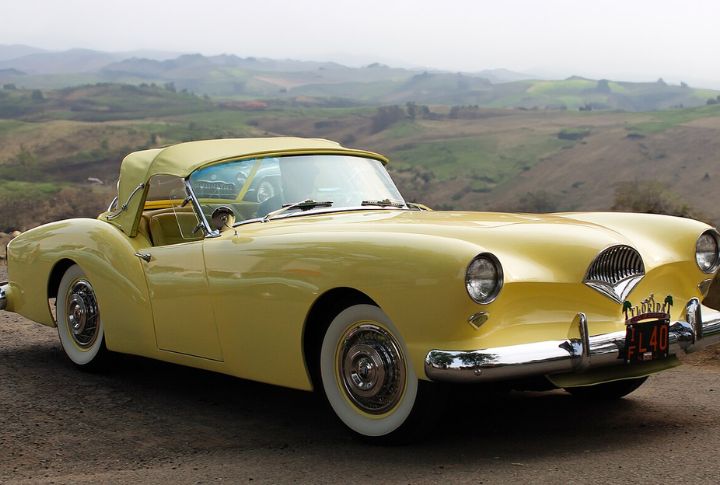
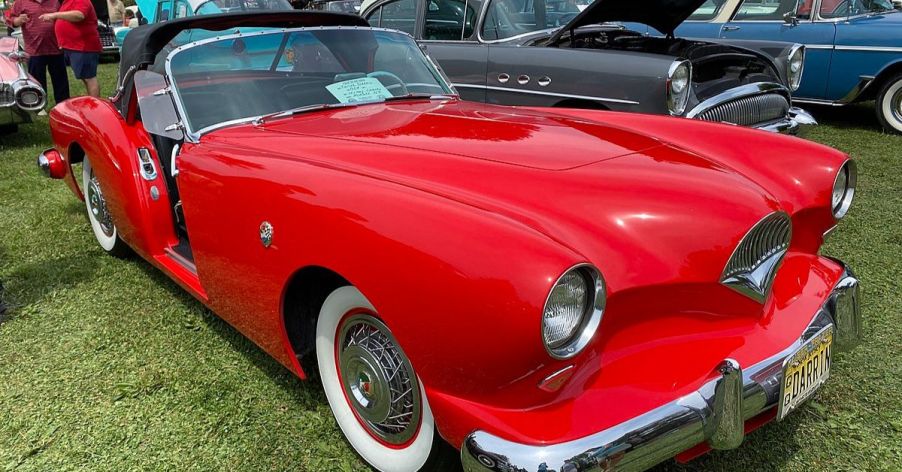
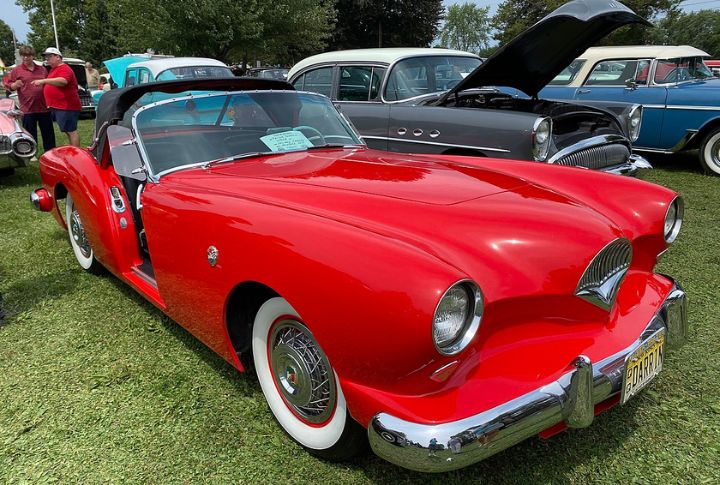
A fiberglass-bodied roadster featuring sliding pocket doors was unusually radical. The 1954 Kaiser Darrin, designed by Howard Darrin, was among the first cars to use modern materials and sleek styling. It used a Willys-sourced 90 hp engine and came in a single model year. Just 435 were made, making it rarer than the first-year Corvette.
1957 Chevrolet Bel Air
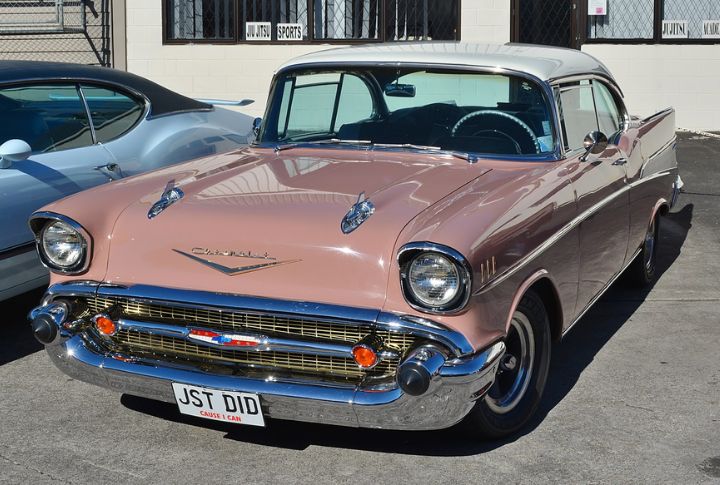
Beyond the flashy tailfins, the Bel Air’s iconic status was based on the confidence of its 1950s design. It featured a 283-cubic-inch V8 and optional fuel injection, a rarity at the time. The Bel Air became a fixture in American media, often standing in for an entire era. Original trims remain highly sought after.
1932 Ford Model B (“Deuce Coupe”)
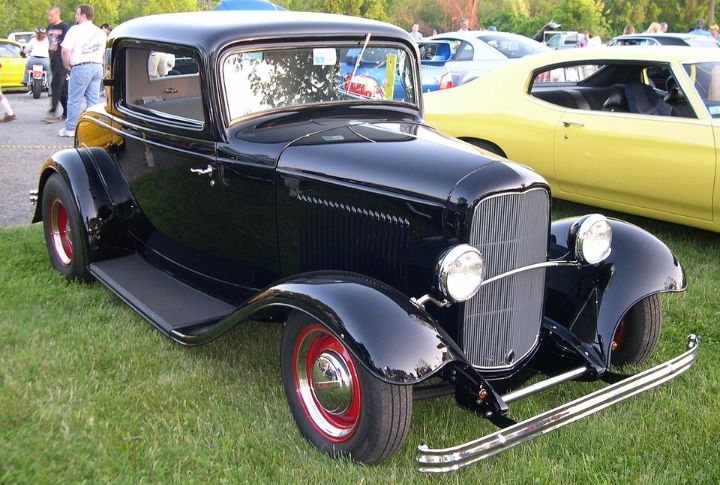
The ’32 Ford recreated hot rodding. Its flathead V8 made real power accessible to the average driver, which changed everything. Lightweight and endlessly modifiable, it’s been a favorite among customizers since the 1940s. One version became famous thanks to a Beach Boys song.
1949 Mercury Eight
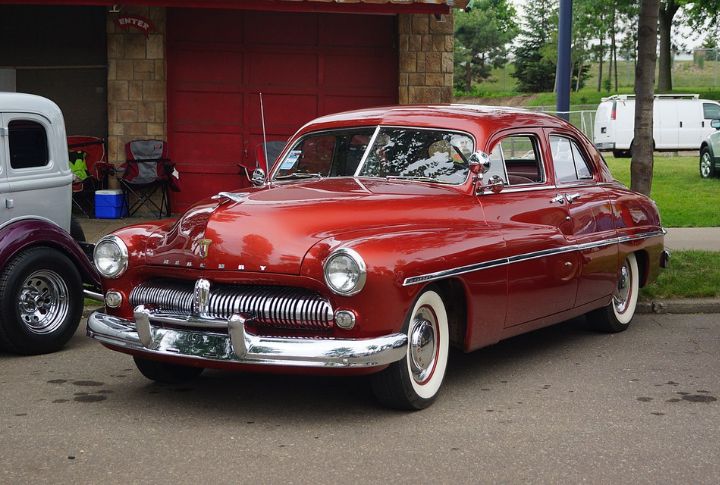
Low, long, and smooth, the Mercury Eight broke away from prewar styling, using bold postwar curves and a 255-cubic-inch flathead V8 instead. It was a favorite among customizers for its rounded form, especially within the lead sled scene. James Dean drove one in “Rebel Without a Cause,” sealing its place in pop culture.
1959 Cadillac Eldorado
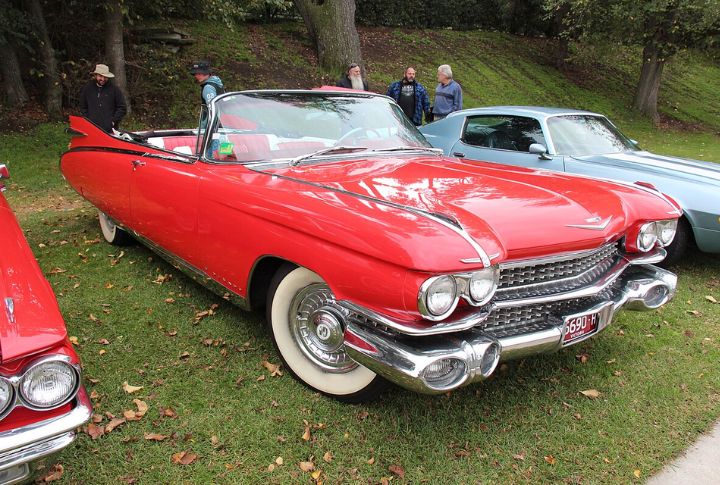
The ‘59 Eldorado declared luxury through its chrome, tailfins, and rocket-inspired lights. Cadillac pushed design boundaries, creating one of the most recognizable silhouettes ever. Power came from a 345-horsepower V8 paired with a Hydra-Matic transmission. About 15,000 rolled off the line, making it a rare model compared to other Cadillacs.
1964½ Ford Mustang
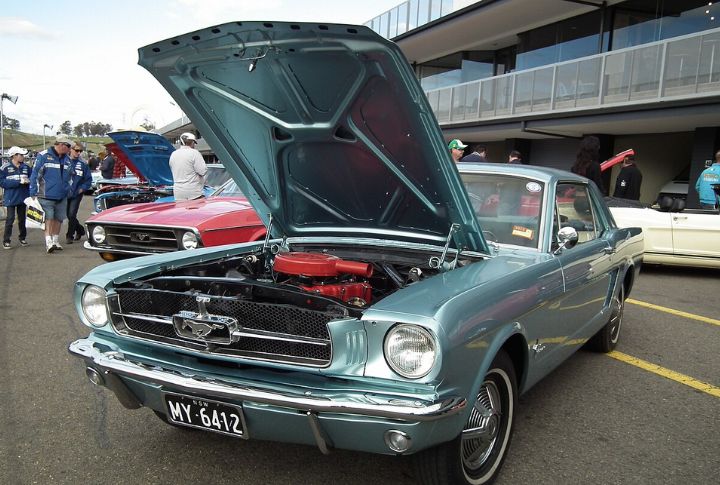
By the time the Mustang hit showrooms, it was already a phenomenon. Thanks to its mix of style and power, Ford sold over 400,000 in the first year. Though technically a 1965 model, early builds are known as “1964½” due to their unique features. That run included generator-based electrical systems and a few trim quirks.