8 Car Trouble Warning Signs and 7 Common Issues That Aren’t Serious
Cars can show signs of wear and tear over time. Knowing how to identify when something is wrong can save you from unexpected breakdowns. However, not every strange sound or warning light means your car is having issues. Let’s check 8 signs that suggest your car may be in rough shape and 7 signs that don’t require you to panic.
Unusual Noises

If your car begins making strange sounds—such as grinding, squealing, or knocking—it often indicates mechanical trouble. For instance, a high-pitched squeal could mean worn-out brake pads, while knocking noises from the engine might suggest piston or connecting rod issues.
Excessive Exhaust Smoke
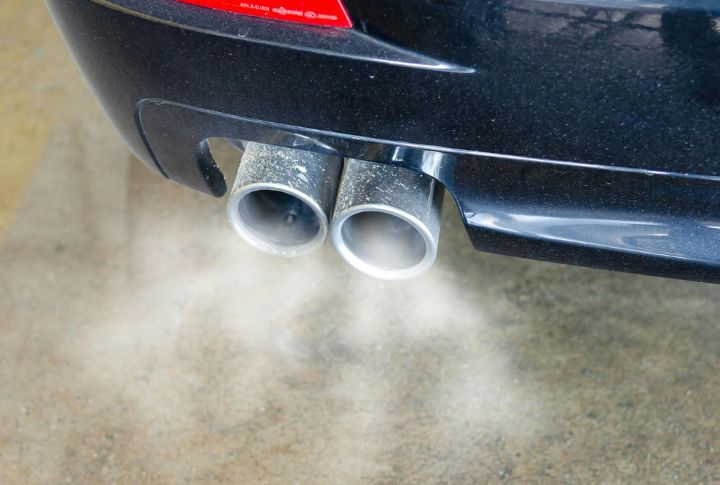
Excessive or abnormal smoke from your exhaust could signal engine trouble. White smoke can mean a coolant leak from a blown head gasket. Blue smoke points to oil burning, indicating worn piston rings or valve seals, while black smoke can mean a faulty injector or air filter.
Warning Lights Stay On
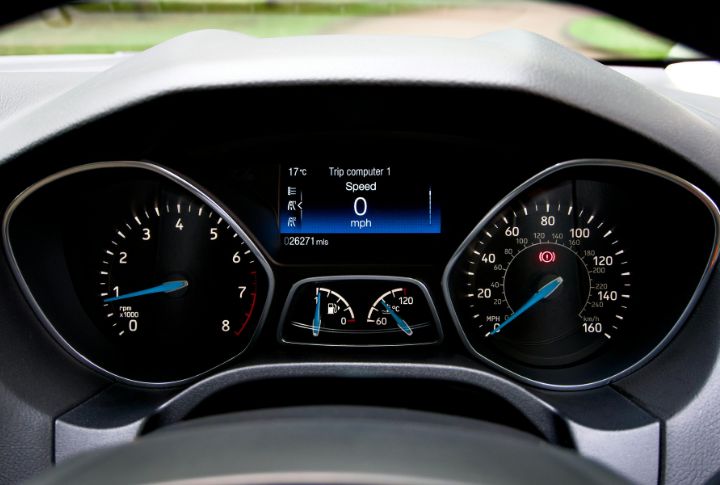
Nowadays, cars have warning lights on the dashboard to alert you to potential issues. If your check engine light, ABS, oil pressure, or battery light stays on, it’s a sign that something isn’t right. Promptly diagnose and address the warning as soon as it appears.
Vibrations While Driving

Feeling unusual vibrations, especially when driving at higher speeds, often indicates problems with the tires, wheels, or suspension. Unbalanced tires, misaligned wheels, or worn-out suspension components like shocks or struts could cause vibrations.
Fluid Leaks
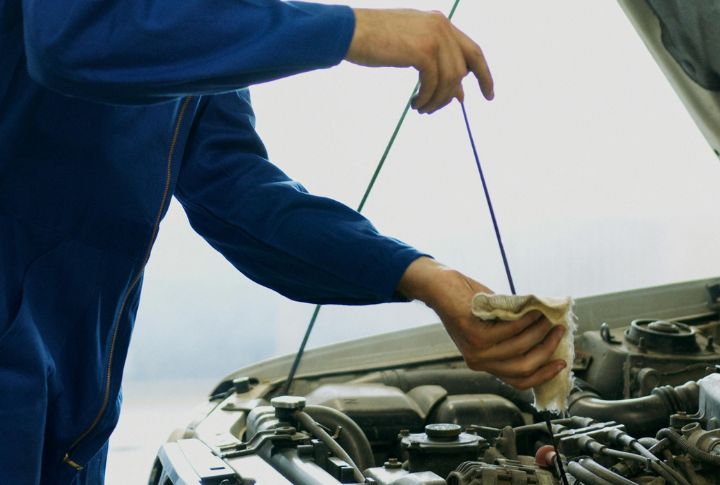
Engine oil, coolant, transmission fluid, brake fluid, or power steering fluid leaks can severely damage your car if left unattended. A fluid leak under your car could show failing seals, gaskets, or hoses, leading to overheating, poor braking performance, or even complete system failures.
Difficulty Starting the Car
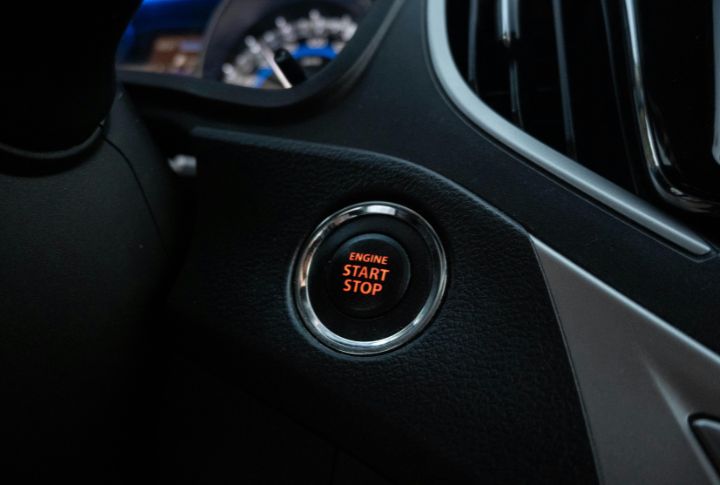
A car that struggles to start could be facing issues. Difficult starting could also point to problems in the fuel or ignition systems. Slow cranking is a sign of a dying battery, while no cranking could mean an issue with the starter.
Poor Fuel Efficiency
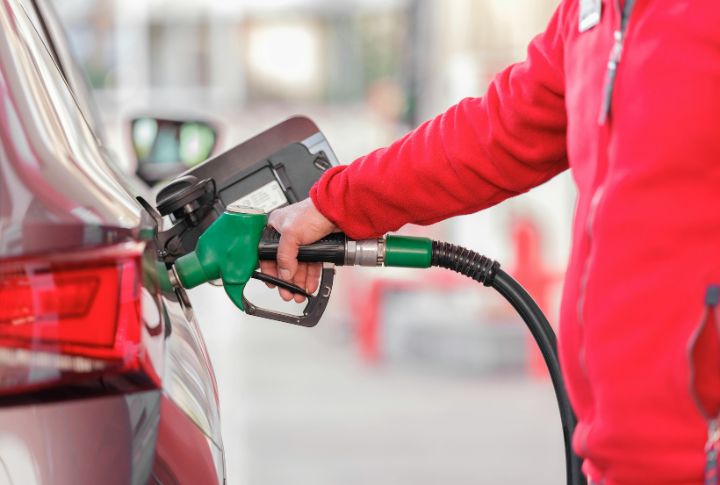
If your car suddenly requires more frequent refueling, it could indicate engine problems. A clogged air filter, dirty fuel injectors, or faulty oxygen sensors can all lead to decreased fuel efficiency. In some cases, the issue may also lie in the exhaust or emission control system.
Worn Tires and Uneven Wear

Inspecting your tires for wear and tread depth is key for safety. If you notice uneven wear patterns, such as balding on one side, it may indicate a problem with wheel alignment, suspension, or tire pressure. Worn tires also reduce your car’s grip on the road.
Engine Noise at Start-Up
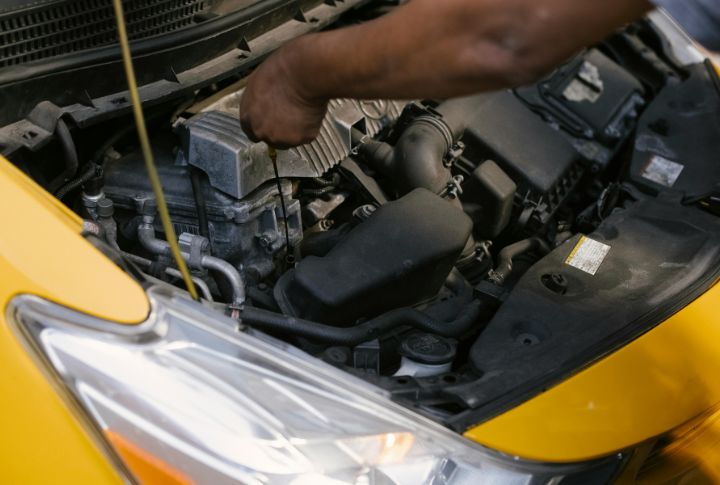
Now, let’s consider the signs you shouldn’t worry about. A brief noise during the initial start-up, such as a rattling sound, is normal. It often occurs as oil circulates to lubricate engine parts and may not indicate any significant issues. You should only be worried if the noise persists after.
Occasional Brake Squeaking
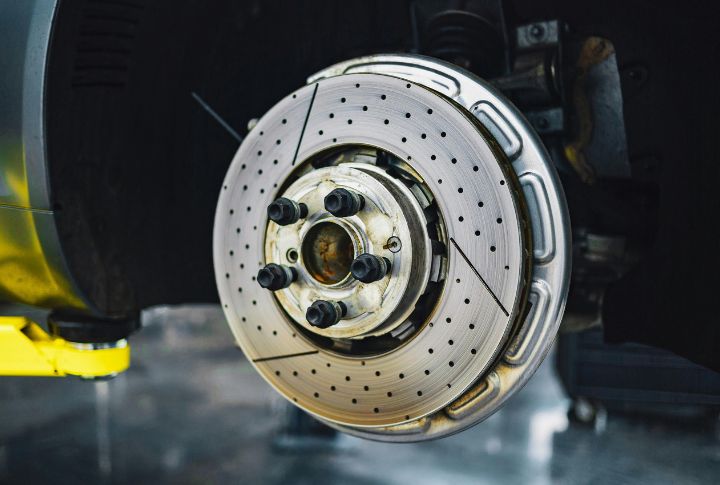
A slight squeak when applying the brakes, especially in damp or cold weather, doesn’t always mean your brake system is failing. It is often caused by moisture on the brake rotors or a bit of dirt. If the noise continues or becomes a squeal, go for a brake inspection.
A/C Smell After Starting

When the air conditioner emits a musty smell upon starting, it often means condensation buildup or mildew in the system. This is a common issue in humid conditions and doesn’t suggest serious mechanical trouble, though cleaning the A/C ducts can improve air quality.
Minimal Oil Consumption
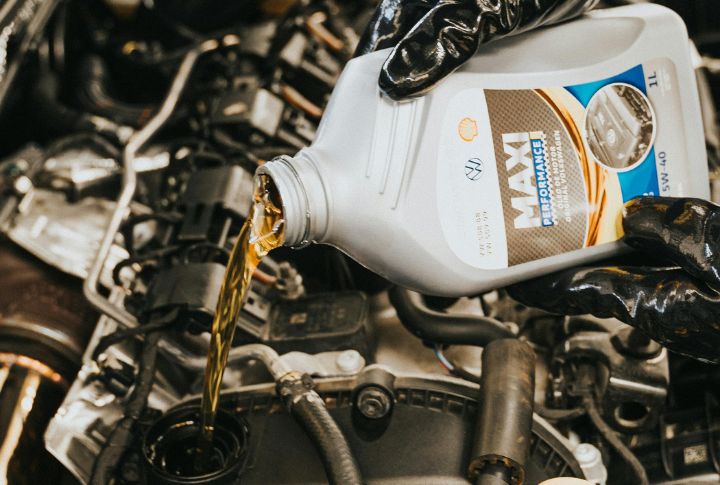
Modern engines sometimes burn a small amount of oil between oil changes, especially after long drives. As long as you regularly check and top off the oil, a slight drop in oil level doesn’t indicate a problem unless the consumption is excessive or paired with smoke or leaks.
Tire Noise on Certain Roads
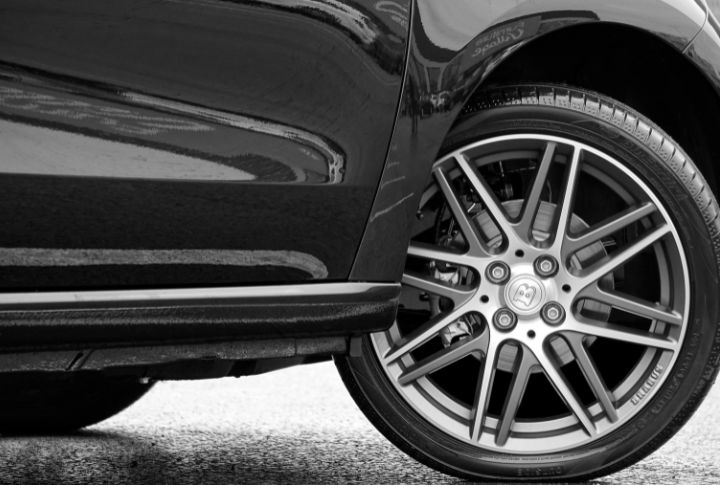
Hearing more noise from your tires on rough or poorly maintained roads doesn’t mean they are in bad shape. The noise level depends on the road surface, tire type, and tread pattern. If the noise persists on smooth surfaces, you should consider inspecting the tire.
Soft Brake Pedal in Wet Conditions

A slightly softer brake pedal when driving in wet conditions isn’t uncommon, as water can temporarily reduce braking performance. However, further checks may be needed if the pedal remains soft or if braking becomes less responsive consistently.
Temporary Dashboard Warnings

Sometimes, warning lights like the tire pressure or engine light may flash temporarily due to a momentary sensor glitch or environmental factors like temperature changes. If the light turns off after a brief period, it typically doesn’t signal a serious issue, but consistent illumination should be addressed.