5W-20 Vs. 5W-30: Does It Matter Which One You Use?
Choosing the right engine oil helps maintain your vehicle’s performance, longevity, and efficiency. The most commonly recommended options are 5W-20 and 5W-30. While the “5W” in both oils indicates they flow similarly in low temperatures, the 20 and 30 ratings refer to their thickness at operating temperature. Let’s break down their differences, benefits, and best uses to help you pick the right one for your vehicle.
Understanding Viscosity Differences
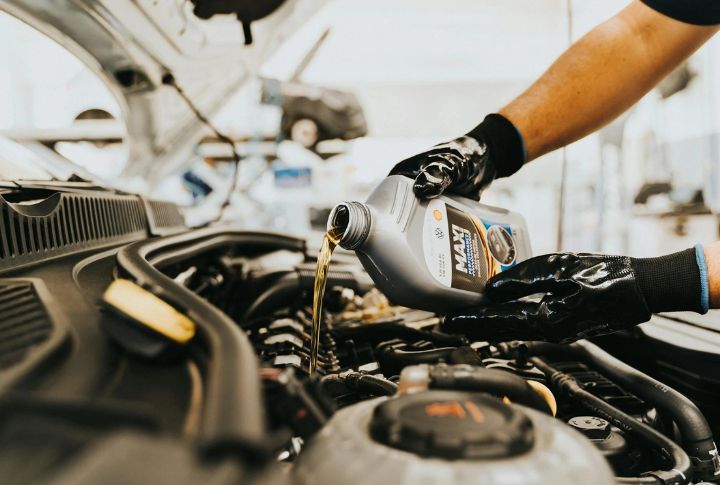
5W-20 is thinner at operating temperature and flows more easily through the engine. Conversely, 5W-30 is slightly thicker and offers better protection in high heat, but it may slightly increase engine resistance. Therefore, using 5W-30 instead of 5W-20 in an engine designed for the latter could lead to efficiency losses through friction.
Impact On Fuel Economy

One major reason manufacturers recommend 5W-20 is for better fuel efficiency. The lower viscosity reduces drag on moving engine components, allowing the engine to run with less effort. If you switch to 5W-30, the slightly thicker oil may lead to a small drop in fuel economy, particularly in city driving with frequent stops.
Cold Weather Performance

Both 5W-20 and 5W-30 have the same “5W” rating, meaning they perform similarly in cold starts. They remain fluid at low temperatures, ensuring smooth lubrication in winter. However, 5W-20 flows slightly easier at startup, which can be beneficial in extreme cold and allows for quick oil circulation in small, high-efficiency engines.
Heat Resistance And High-Temperature Stability

Engines running in hotter climates or under heavy loads generate more heat, requiring an oil that won’t thin out too quickly. 5W-30 offers better heat resistance and is the better choice for vehicles operating in scorching temperatures or bearing heavy loads. It also provides added thermal stability for those who drive in desert-like conditions.
Wear Protection And Longevity
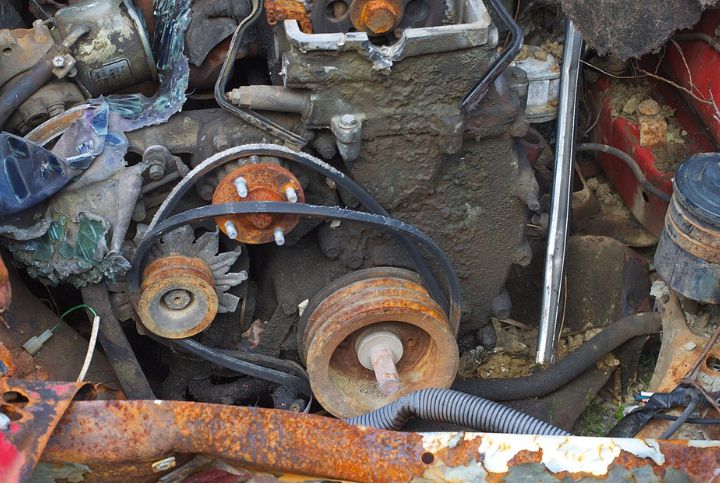
Thicker oil like 5W-30 can provide better wear protection, especially for older engines. The slightly higher viscosity forms a stronger film between moving parts, reducing wear over time. However, an engine specifically designed for 5W-20 may already have tight tolerances, so the extra thickness becomes an added burden to the engine.
Engine Design And Manufacturer Recommendations
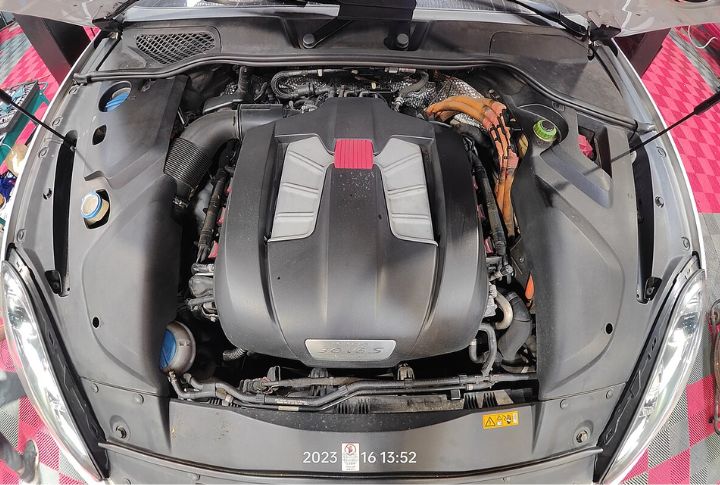
Modern engines are designed with very specific oil tolerances, often calibrated for 5W-20 or 5W-30. Some vehicles, especially older models, allow interchangeability between these oil grades. Nevertheless, newer high-tech engines (turbocharged or direct-injection) require precise oil flow characteristics, making it important to stick to the recommended viscosity.
Turbocharged And High-Performance Engines
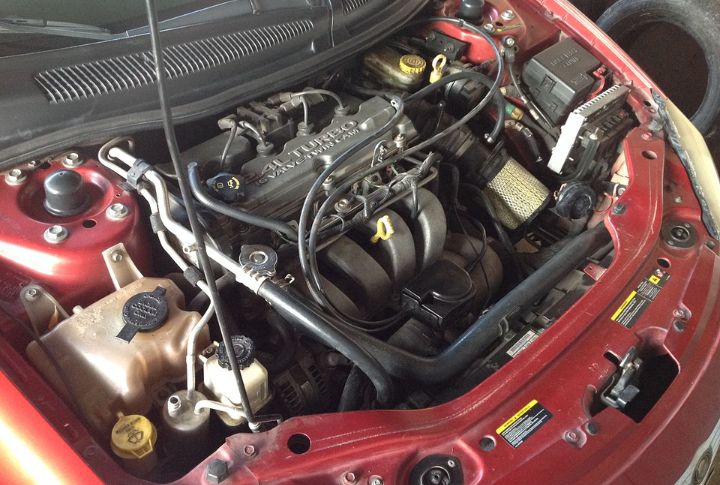
If you drive a turbocharged or performance-oriented vehicle, using 5W-30 instead of 5W-20 may be beneficial. Many manufacturers specify 5W-30 or even 10W-30 for turbo applications, as 5W-20 may thin out too much under boost. If you have a standard non-turbo engine, however, the benefit of using 5W-30 over 5W-20 is minimal.
Oil Change Intervals And Longevity

Oil degrades over time, and its ability to lubricate depends on maintaining proper viscosity. In some cases, 5W-30 may last slightly longer than 5W-20 due to its higher resistance to thinning at high temperatures. This can be beneficial for extended oil change intervals, particularly in older vehicles.
Manufacturer Warranty Considerations

Switching to 5W-30 instead of 5W-20 could void warranty coverage if your vehicle is still under factory warranty. Automakers specify oil grades based on extensive testing, and using an unapproved viscosity may give them grounds to deny claims related to engine failure or oil-related issues. Always check the owner’s manual or consult the dealership before switching.
Oil Pressure And Flow Characteristics

Oil pressure plays a key role in engine oil circulation. Since 5W-30 is thicker than 5W-20, it can slightly increase oil pressure, which might benefit high-mileage engines with worn components. Yet, in modern engines, higher-viscosity oil may reduce the flow rate and likely lead to inadequate lubrication in critical areas.