20 Surprising Facts You Didn’t Know About McLaren
McLaren has grown from modest origins into one of the most iconic names in motorsport and high-performance road cars. Originally a small racing team fueled by passion and innovation, McLaren quickly established itself on the global stage, securing early wins in Formula 1 and pioneering several advancements. Here are 20 surprising but little-known facts about this iconic brand.
Bruce McLaren’s Early Success
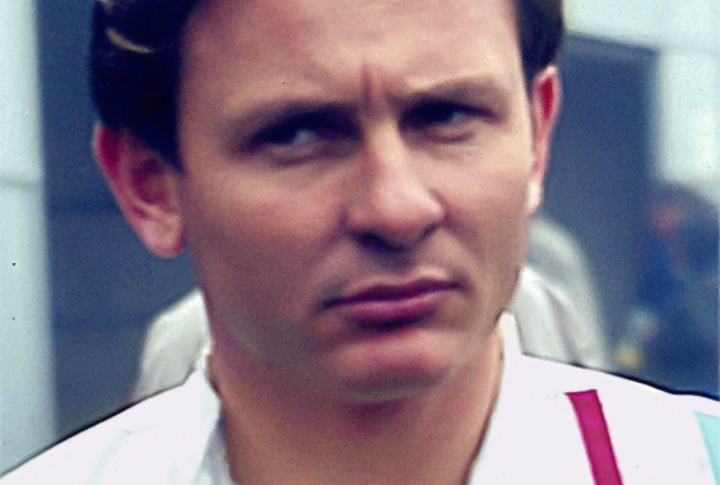
Bruce McLaren was a prodigy in motorsport. His racing career began at a young age when he moved from New Zealand to the UK under a driver scholarship. He won the l Formula 1 Grand Prix at the age of 22, becoming the youngest winner then.
The World’s First Carbon Fiber Vehicle
The F1 was the world’s first road car to use a carbon-fiber monocoque. Its chassis weighed only 220 lbs, yet it was incredibly rigid. Despite being a road car, the F1’s racing DNA was evident, and it went on to achieve major victories in endurance racing.
First F1 Victory as a Constructor
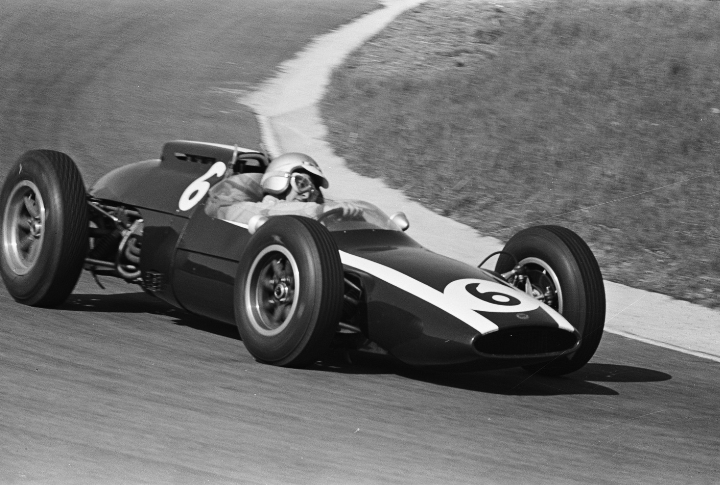
With Bruce as the driver, McLaren secured its first Formula 1 win in the 1968 Belgian Grand Prix at Spa-Francorchamps. This victory was monumental because McLaren was still a relatively young team, and winning at such a challenging circuit established them as serious competitors.
The McLaren M6GT
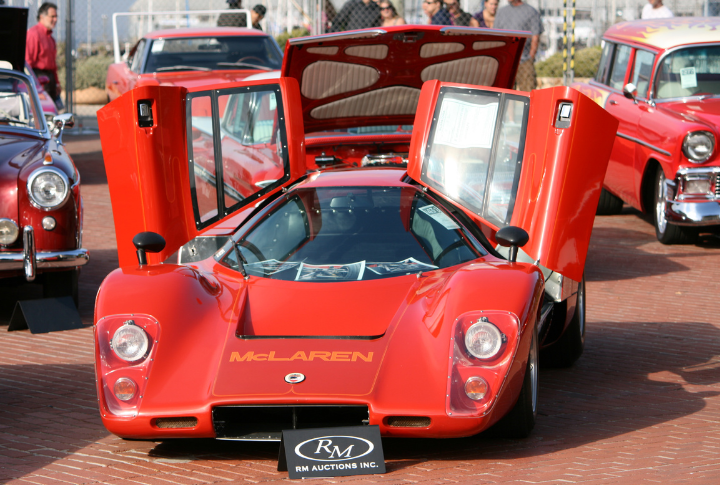
In 1969, Bruce’s dream of creating a road-going supercar materialized with the M6GT based on the M6 Can-Am. The M6GT featured a lightweight fiberglass body and a mid-mounted V8 engine. Though Bruce planned to create a production model, none was completed due to his passing.
Racing Legacy Extends Beyond Formula 1
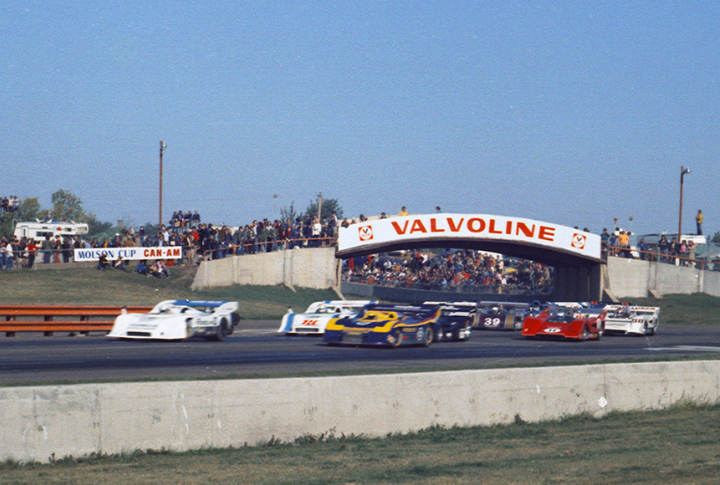
Although McLaren is known for its Formula 1 success, its racing pedigree extends beyond F1. The brand dominated the Can-Am series in the late 1960s and early 1970s, winning five consecutive championships from 1967 to 1971. It also won the prestigious Indy 500 three times.
First British Team to Win F1 Constructors’ Title
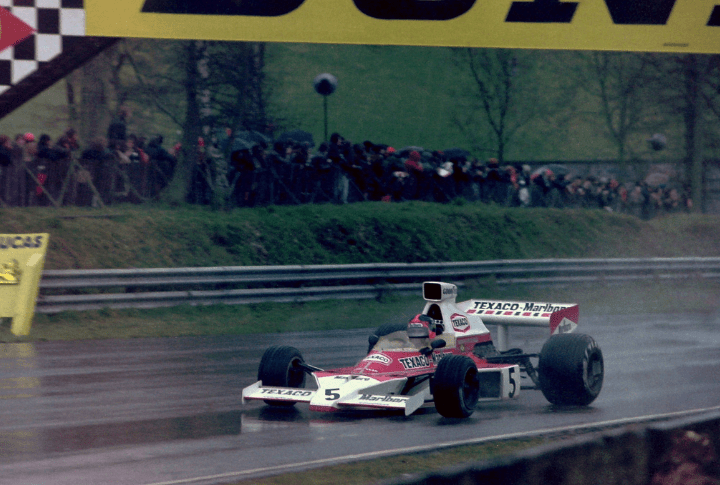
In 1974, McLaren became the first British Formula 1 team to win the Constructors’ Championship, with driver Emerson Fittipaldi taking the Drivers’ Championship in the same year. Fittipaldi’s consistent performance and McLaren’s well-engineered cars led them to victory against fierce competition.
Innovative Use of Carbon Fiber
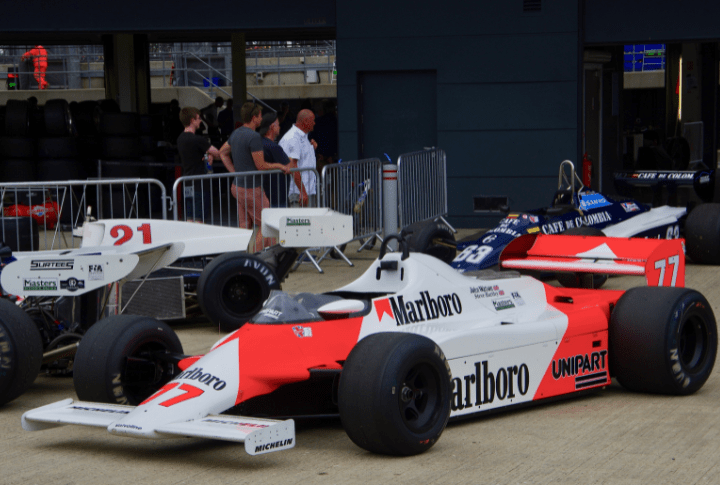
McLaren changed Formula 1 forever after releasing the MP4/1, the first car built around a carbon-fiber monocoque chassis. This material, designed by John Barnard and introduced in 1981, offered unmatched strength and lightweight properties, making the car faster and significantly safer.
MP4 Naming Convention
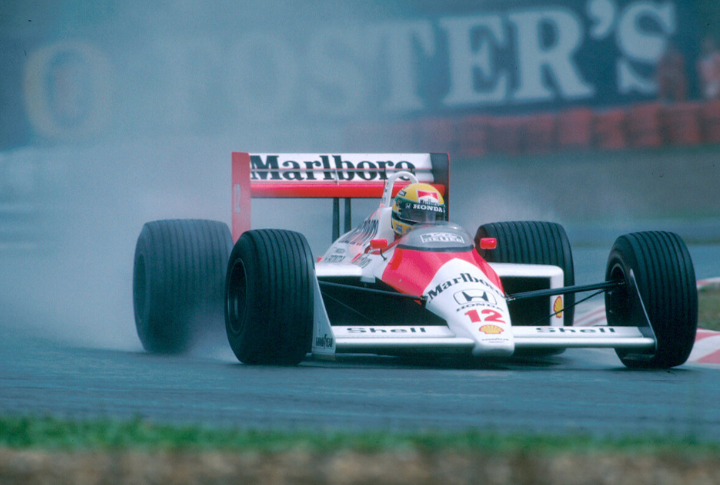
The “MP4” prefix, used for McLaren’s Formula 1 cars from 1981 onwards, originally stood for “Marlboro Project 4.” It reflected the merger of McLaren with Ron Dennis’ Project 4 Racing team and the sponsorship from Marlboro. Over time, the MP4 designation became synonymous with McLaren’s F1 cars.
Tag Heuer Partnership
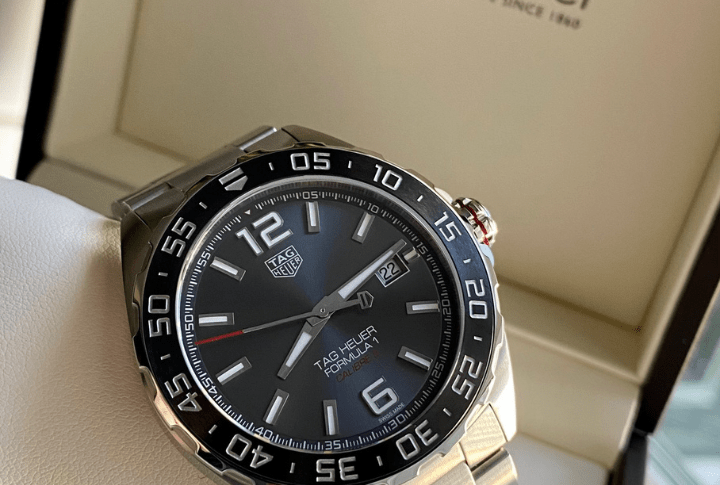
McLaren’s partnership with Tag Heuer, a prestigious Swiss watchmaker, began in 1985. The collaboration has produced numerous limited-edition timepieces, including watches that commemorate McLaren’s victories in motorsport. Tag Heuer’s precision timing equipment has also been integral to McLaren’s racing efforts, particularly in Formula 1.
The Fastest Production Car for Years
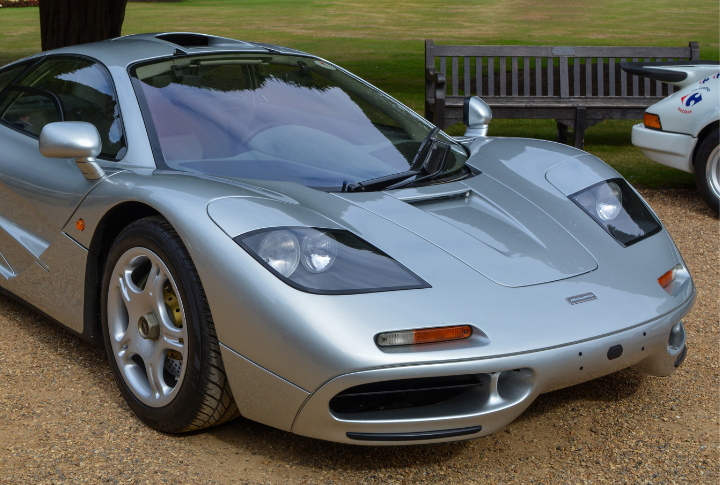
Designed by Gordon Murray and launched in 1992, the McLaren F1 redefined the limits of automotive performance. It featured a 6.1-liter V12 BMW engine and could achieve a top speed of 240.1 mph with its rev limiter removed.
GTR Wins at Le Mans
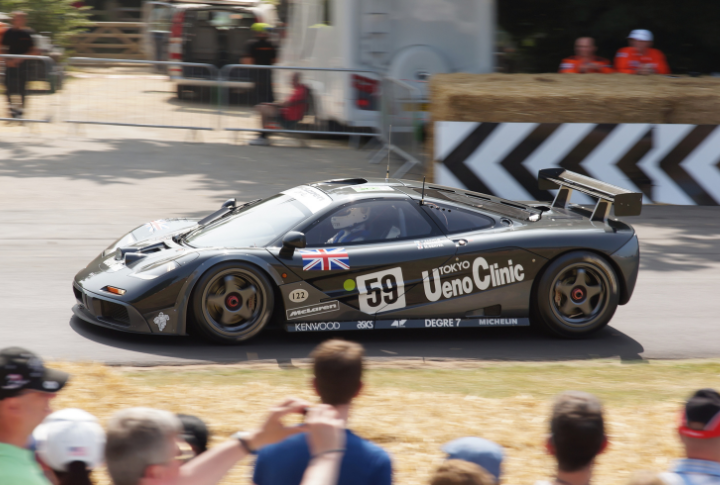
McLaren shocked the motorsport world when the F1 GTR, a car designed as a road-going supercar, seized the 1995 24 Hours of Le Mans trophy on its first attempt. The F1 GTR, modified for racing, took overall victory, finishing ahead of purpose-built prototype cars.
The Unveiling of the P1
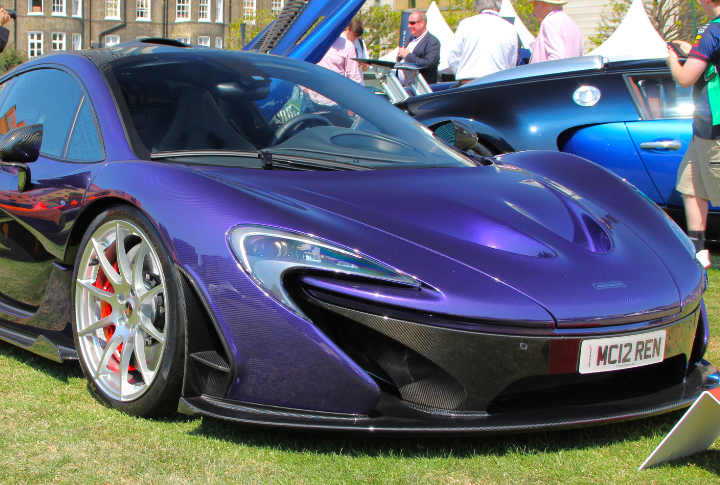
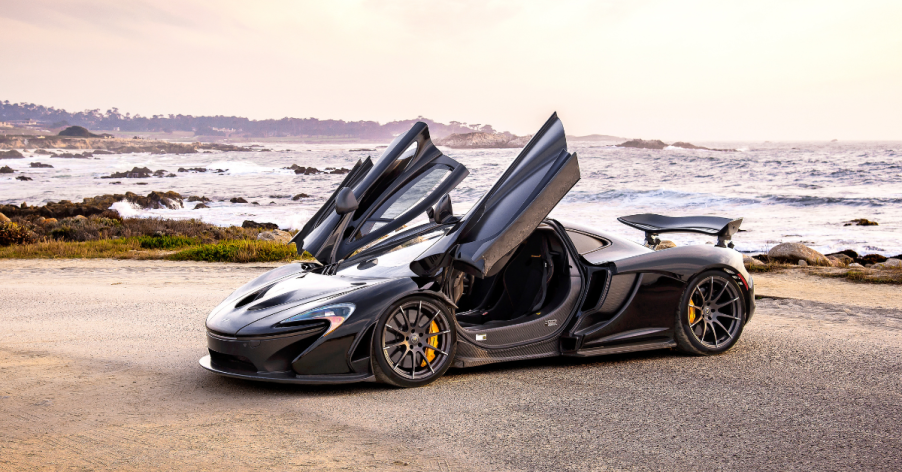
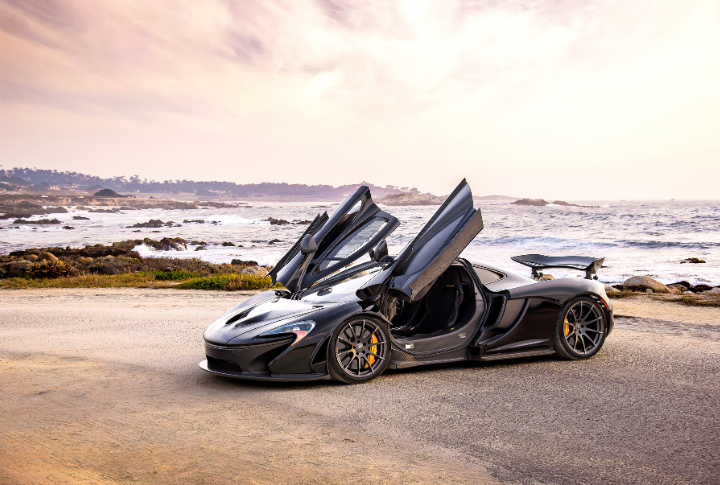
When McLaren unveiled the P1 in 2013, it represented the brand’s first foray into hybrid hypercars. The P1 combined a 3.8-liter twin-turbocharged V8 engine with an electric motor, generating a combined 903 horsepower and 900 Nm of torque. Only 375 units were produced.
The Longest F1 Partnership
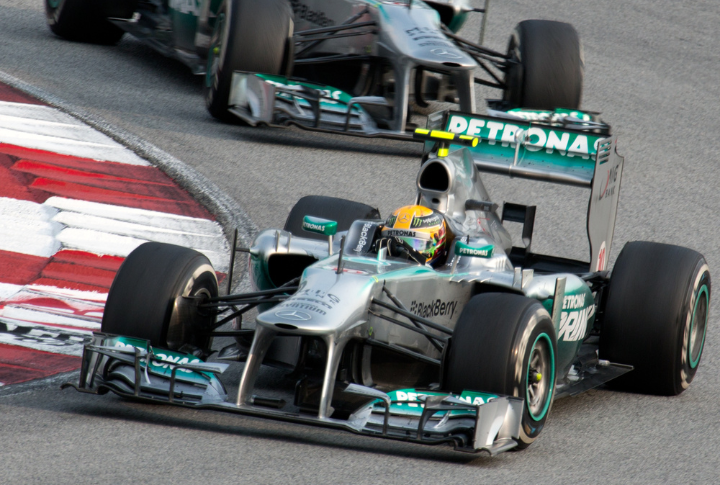
The company’s partnership with Mercedes-Benz lasted from 1995 to 2014 and was one of the most successful in Formula 1 history. During this time, McLaren won three Drivers’ Championships and a Constructors’ Championship in 1998. Mercedes provided high-performance engines, while McLaren supplied chassis expertise.
Formula E and Electric Ventures
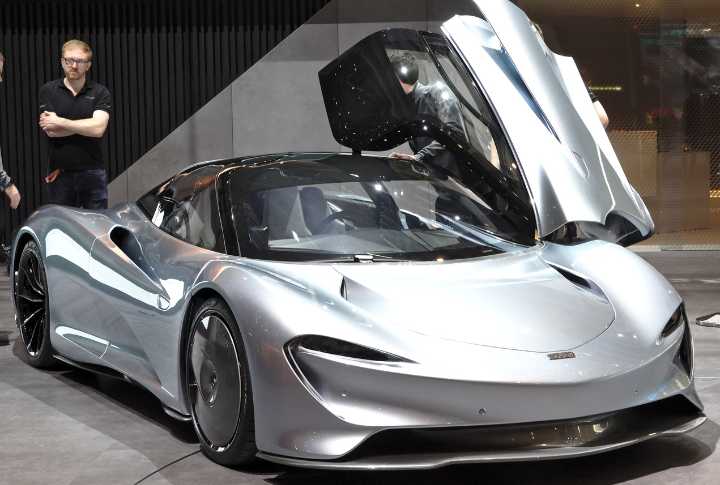
Although McLaren has built its reputation on internal combustion engines, it also invests in electric technology. McLaren Applied Technologies supplied the powertrain for Formula E’s Gen 2 cars. Additionally, the McLaren Speedtail, launched in 2019, includes a hybrid drivetrain capable of reaching 250 mph.
Artura: The Next Generation
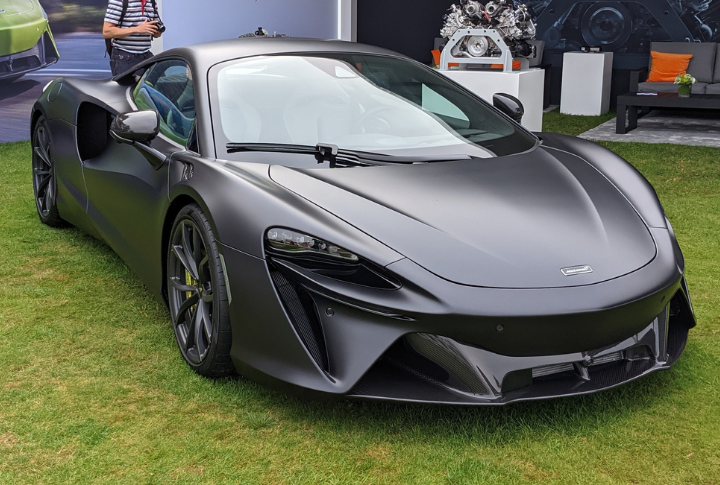
The 2021 McLaren Artura focuses on hybrid technology. Its powerhouse is a new 3.0-liter twin-turbocharged V6 engine and an electric motor that together yield 671 horsepower. This model also features McLaren’s first use of an e-differential and the McLaren Carbon Lightweight Architecture (MCLA).
McLaren Technology Group
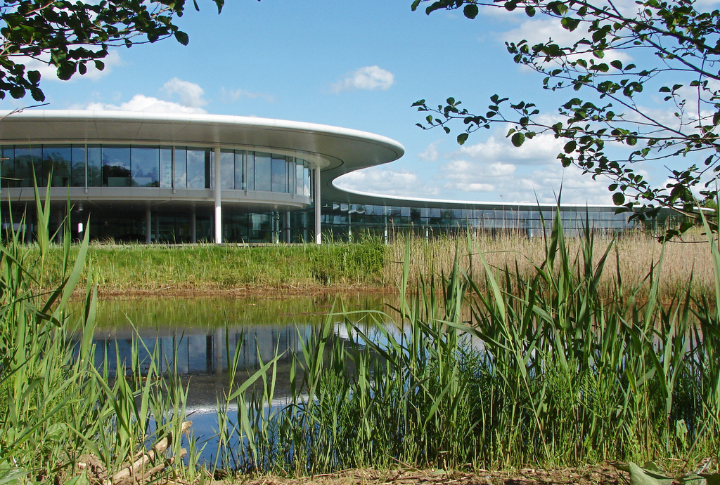
Beyond building race cars, the company is involved in various non-auto sectors, including automotive, aerospace, and healthcare. McLaren Technology Group uses the brand’s expertise in data analysis, simulation, and material science to develop solutions for transportation efficiency, performance optimization for athletes, and medical device design.
McLaren Applied’s Broader Impact
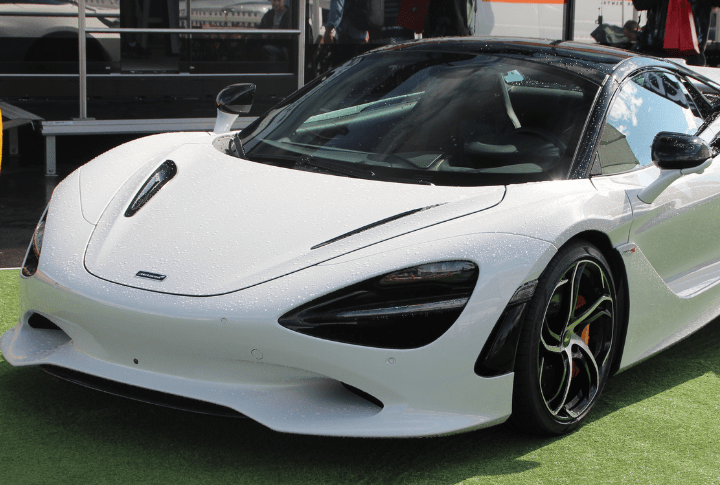
McLaren Applied Technologies, another division of the McLaren Group, uses the brand’s expertise to tackle complex challenges in areas beyond motorsport. For example, their knowledge of aerodynamics has been applied to create efficient public transportation systems. They’ve also developed advanced simulation tools for human performance optimization.
Special Operations (MSO)
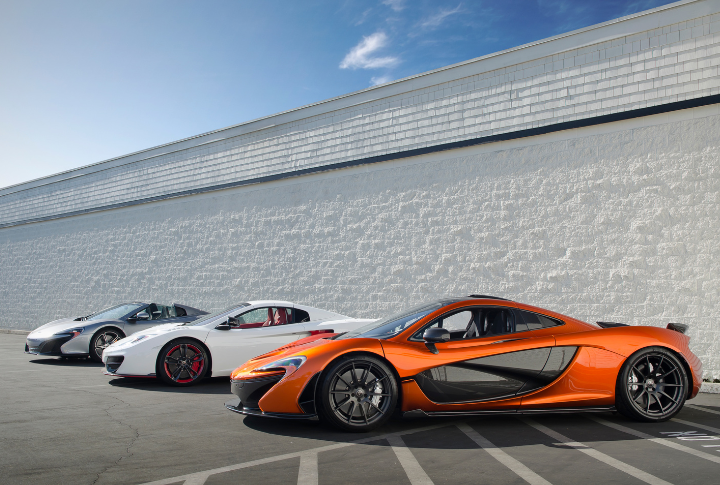
Yet another important division, McLaren Special Operations (MSO), offers customers unparalleled levels of customization for their cars. MSO can provide unique paint finishes, tailor-made interior materials, and even completely one-off vehicles like the McLaren X-1. It also handles restoration projects for historic McLaren vehicles.
McLaren F1’s Gold-Lined Engine Bay
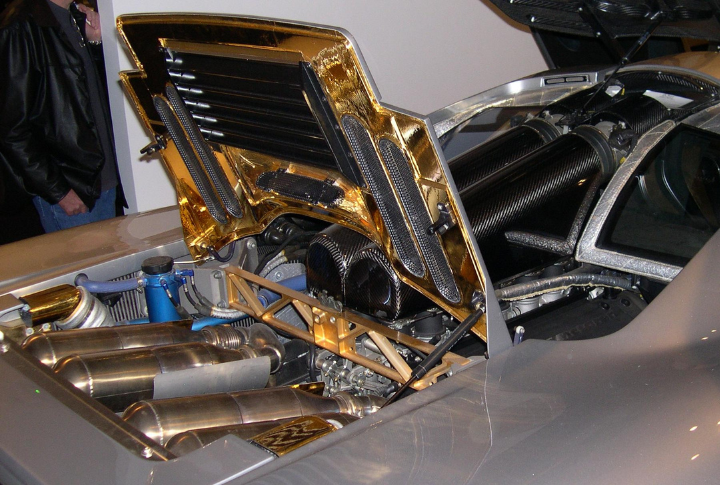
One of the McLaren F1’s most unique engineering features was the use of gold foil in its engine bay. The 6.1-liter V12 engine generated immense heat, and the gold-lined engine bay helped to reflect heat and protect vital components from thermal damage.
The McLaren F1’s Unique Tool Kit
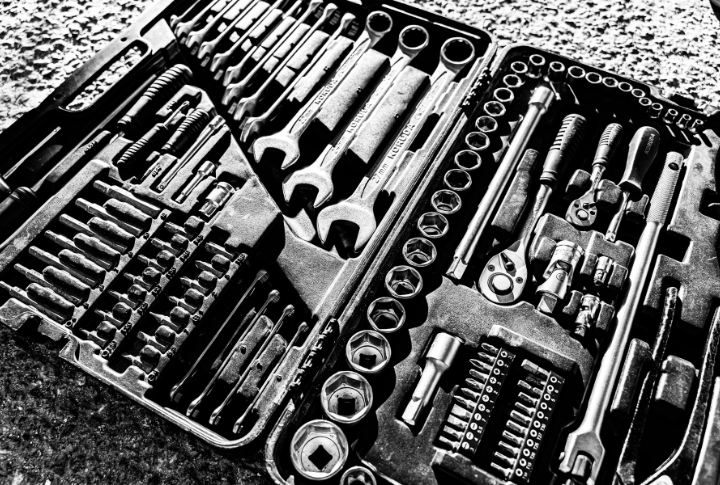
The F1 had a unique tool kit made from titanium, a metal known for its strength and lightweight. Each kit contained a custom-made Facom torque wrench calibrated to work with the F1’s sensitive components. Such specialized equipment is evidence of McLaren’s dedication to perfection.